Food & Agriculture
Revolutionizing how we grow food, from nitrogen-fixing crops and vertical farms to precision fermentation and soil science.
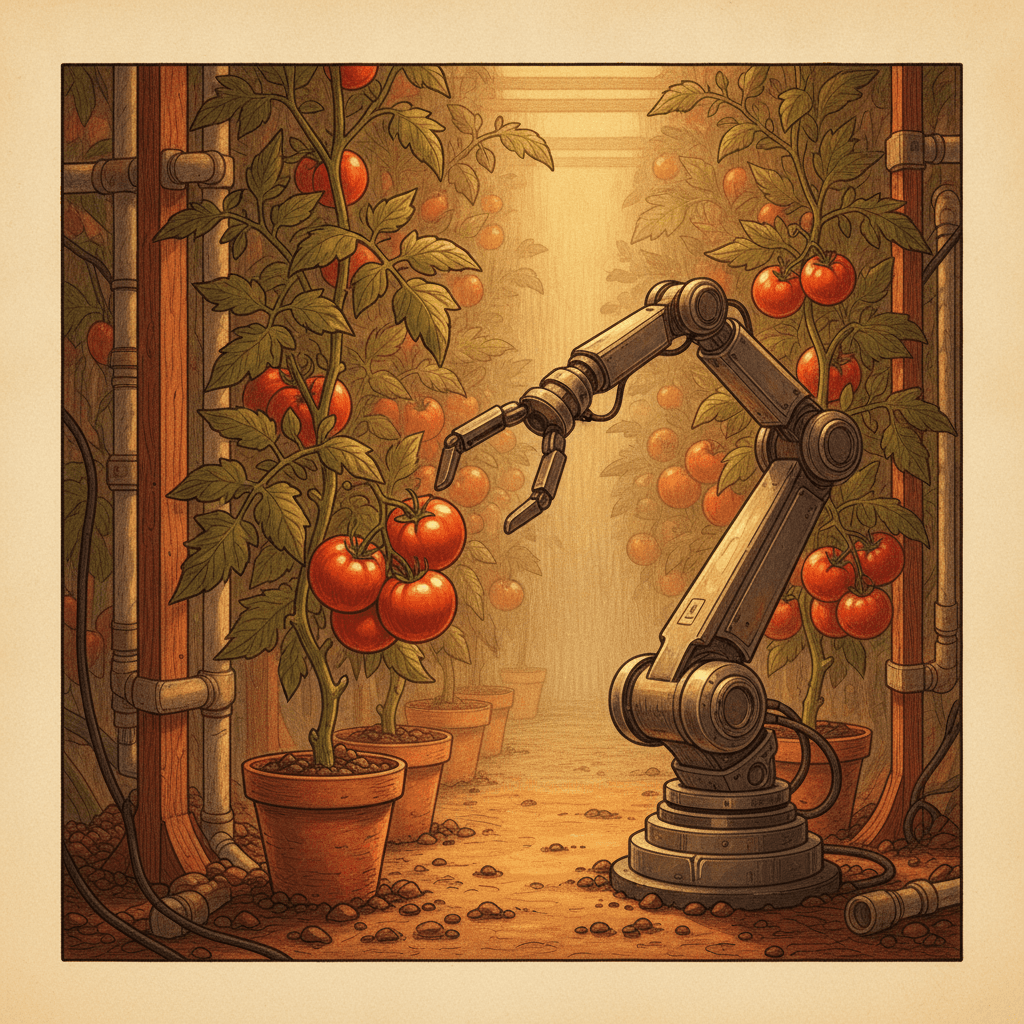
Your Farm Robots Are Learning On The Job
Imagine tiny worker robots on your farm figuring things out as they go, making fewer mistakes and getting much better at their tasks. New advances in robot intelligence are allowing these machines to learn from every move, not just pre-programmed instructions.
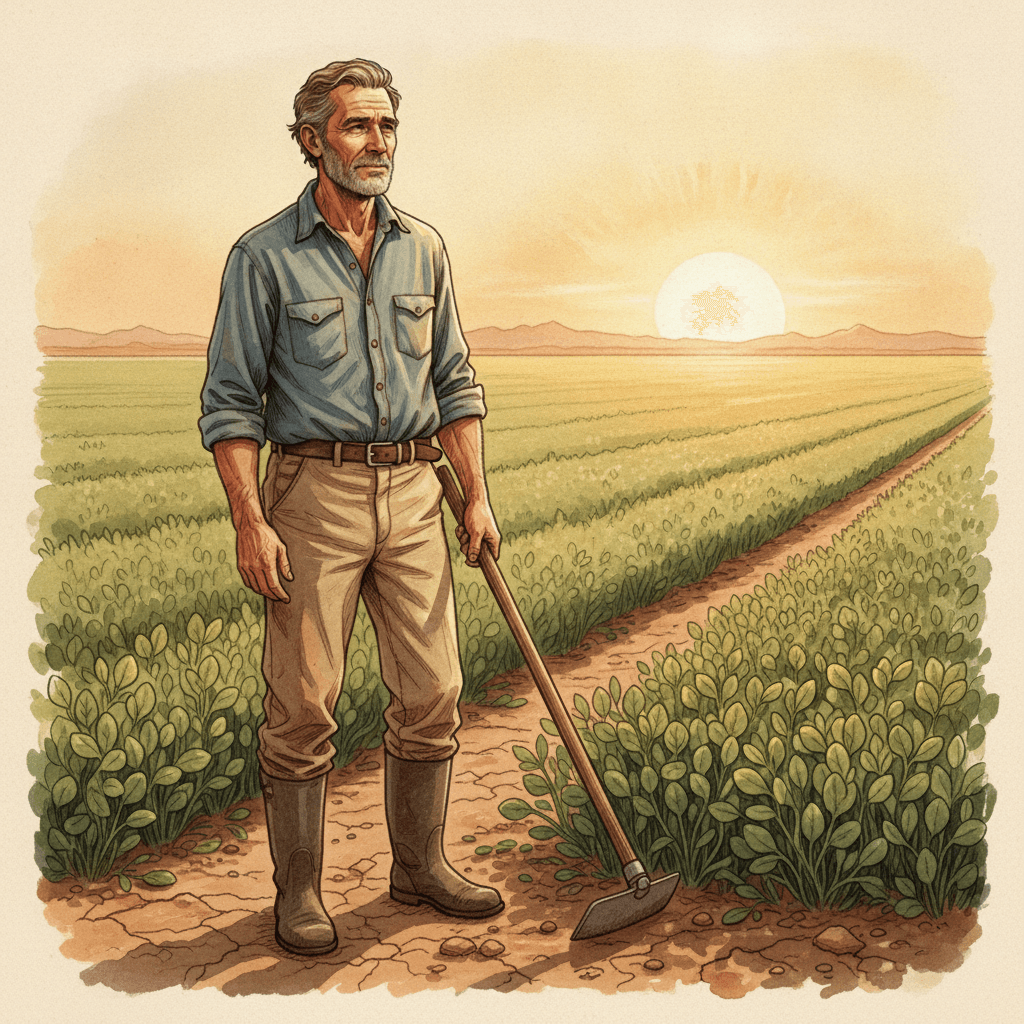
Desert Farms Can Grow Food With Less Water
Farming in harsh desert edges has always been a struggle against wind and sand, making food production difficult. Now, a clever planting method lets farms thrive in these tough conditions using much less water and fertilizer.

What Your Brain Quietly Forgets About Sickness
For decades, medicine struggled with the silent symptoms of brain illness. Now, a surprising old drug target offers new hope for forgotten brain functions.
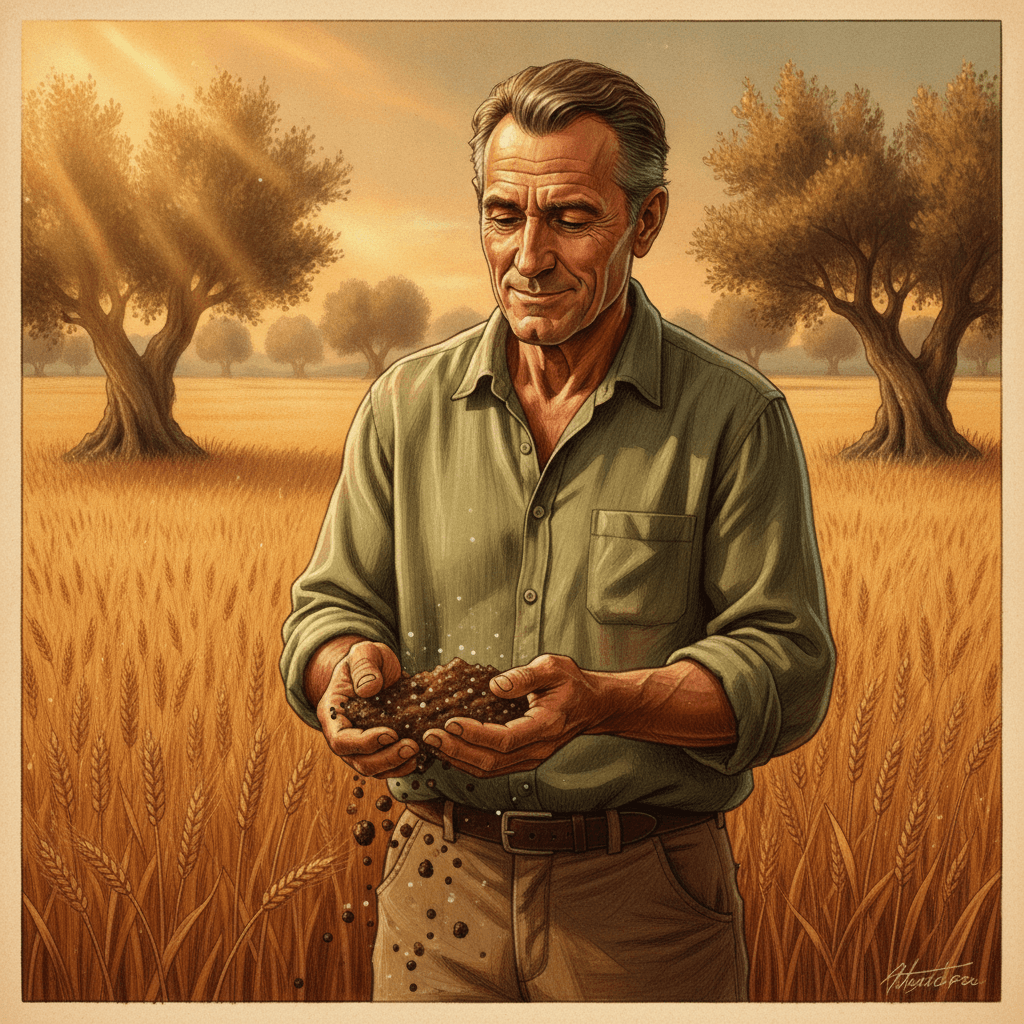
Your Farm Can Grow Food Even With Salt
Imagine if fields once ruined by salty water could suddenly burst with food. New research reveals tiny underground allies that could help us farm in impossible places.
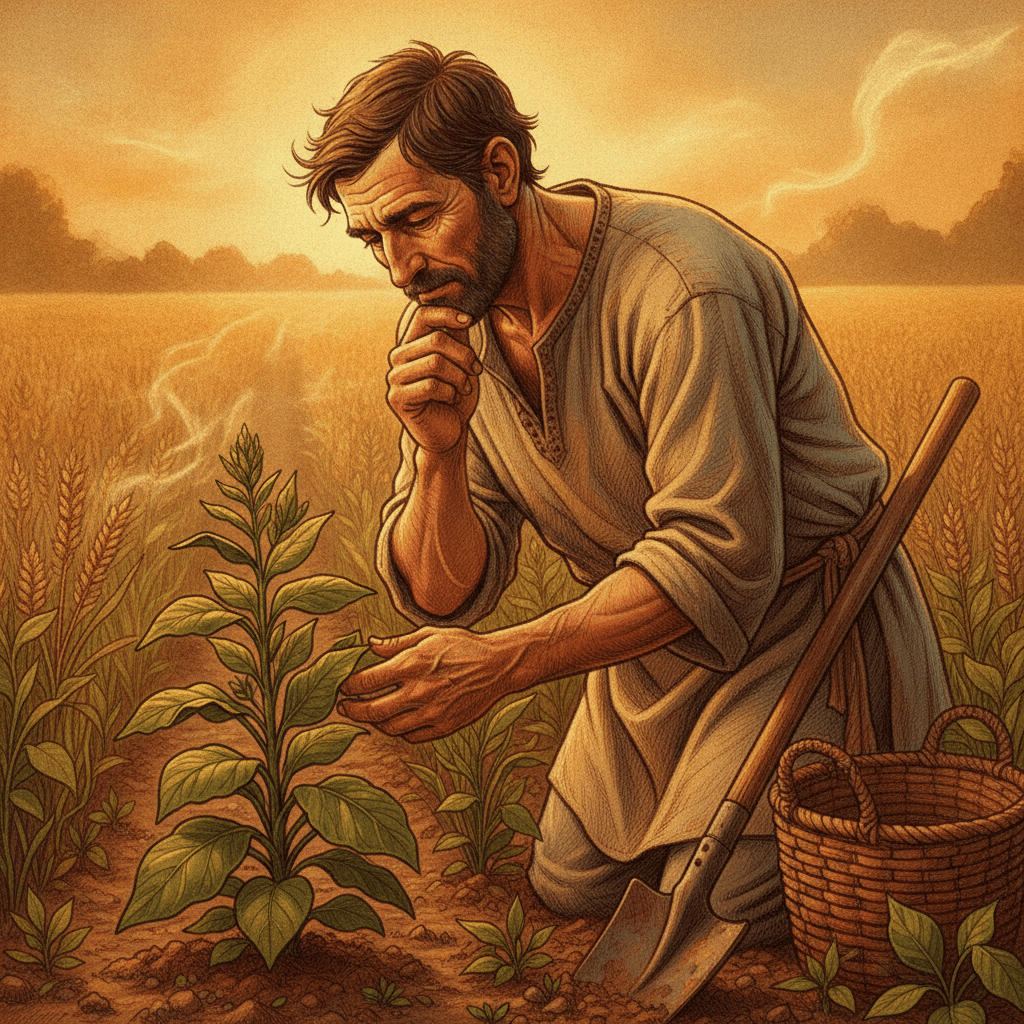
Why Some Farm Plants Never Get Sick
You know how some plants just seem to shrug off pests and disease? Scientists are discovering their secret: tiny microbes living inside them. This natural shield could mean healthier food and far less chemical spraying on your plate.
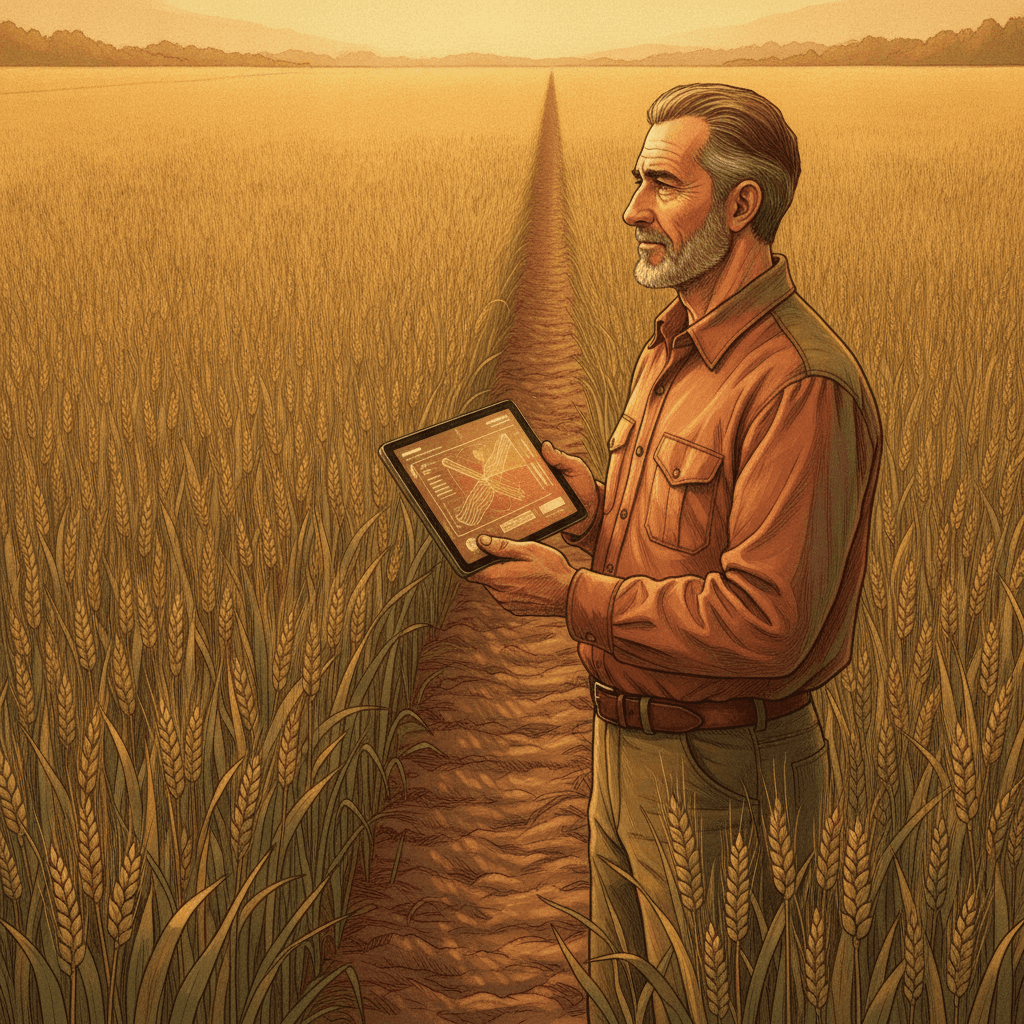
Your Farm Can Grow More With Less
Farmers might soon reduce pesticide use by over 20% and water by 16% through a simple digital helper. This isn't science fiction; it’s a detailed look at how artificial intelligence is changing farming right now.
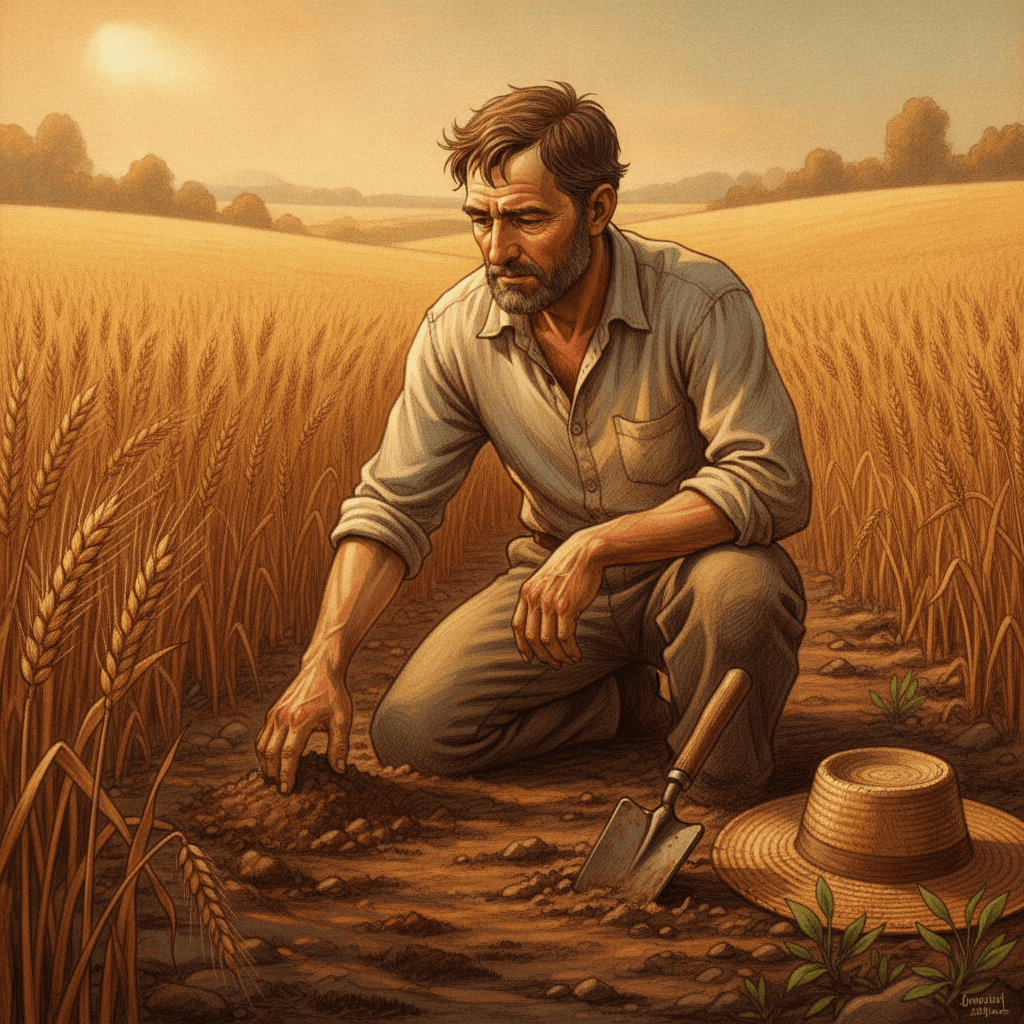
Fungus Can Make Your Wheat Resist Salt
Did you know tiny underground fungi could be the secret to growing food in harsh salty soil? Discover how wheat plants are teaming up with these hidden helpers to thrive where nothing else can, potentially feeding more people.
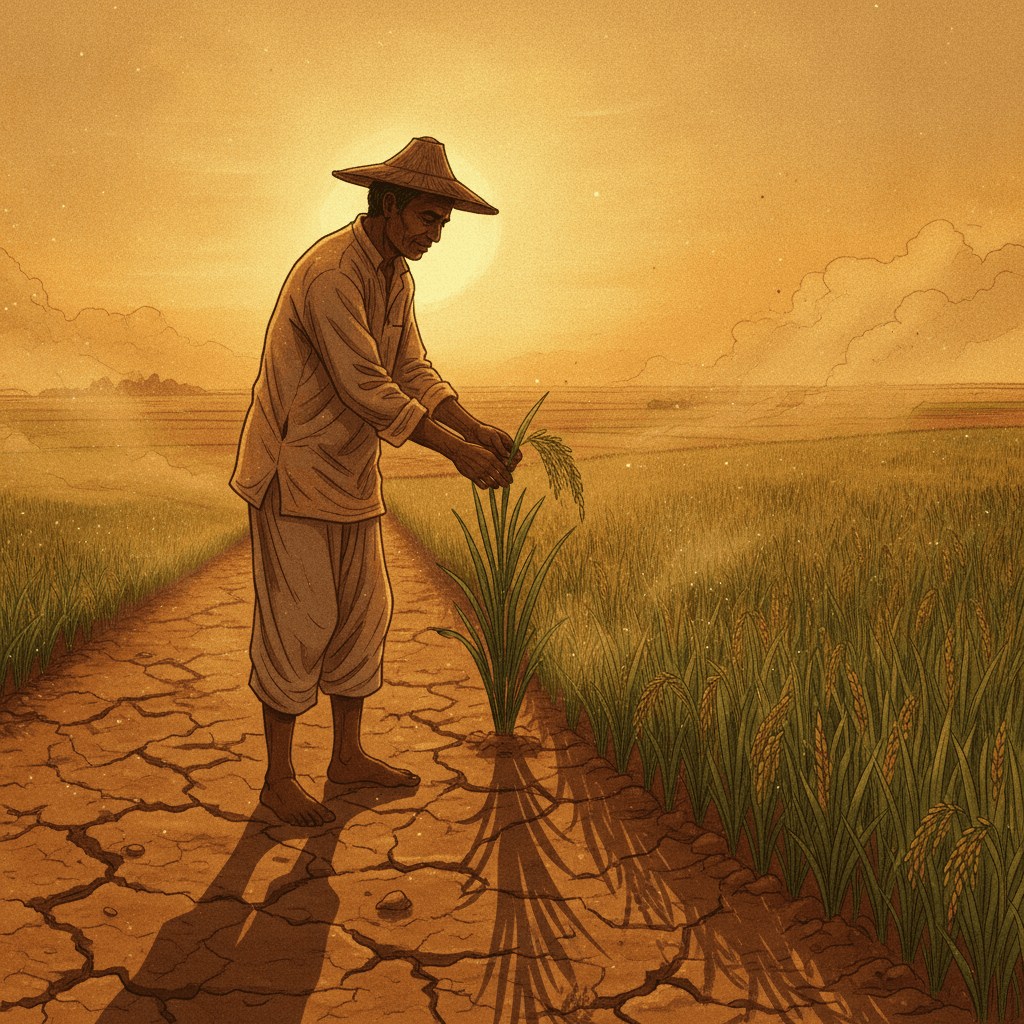
How Farmers May Grow Food With Less Water
Imagine fields thriving with just a fraction of the usual water, even as droughts worsen globally. Researchers are testing a clever way to identify crops that handle dry conditions better.
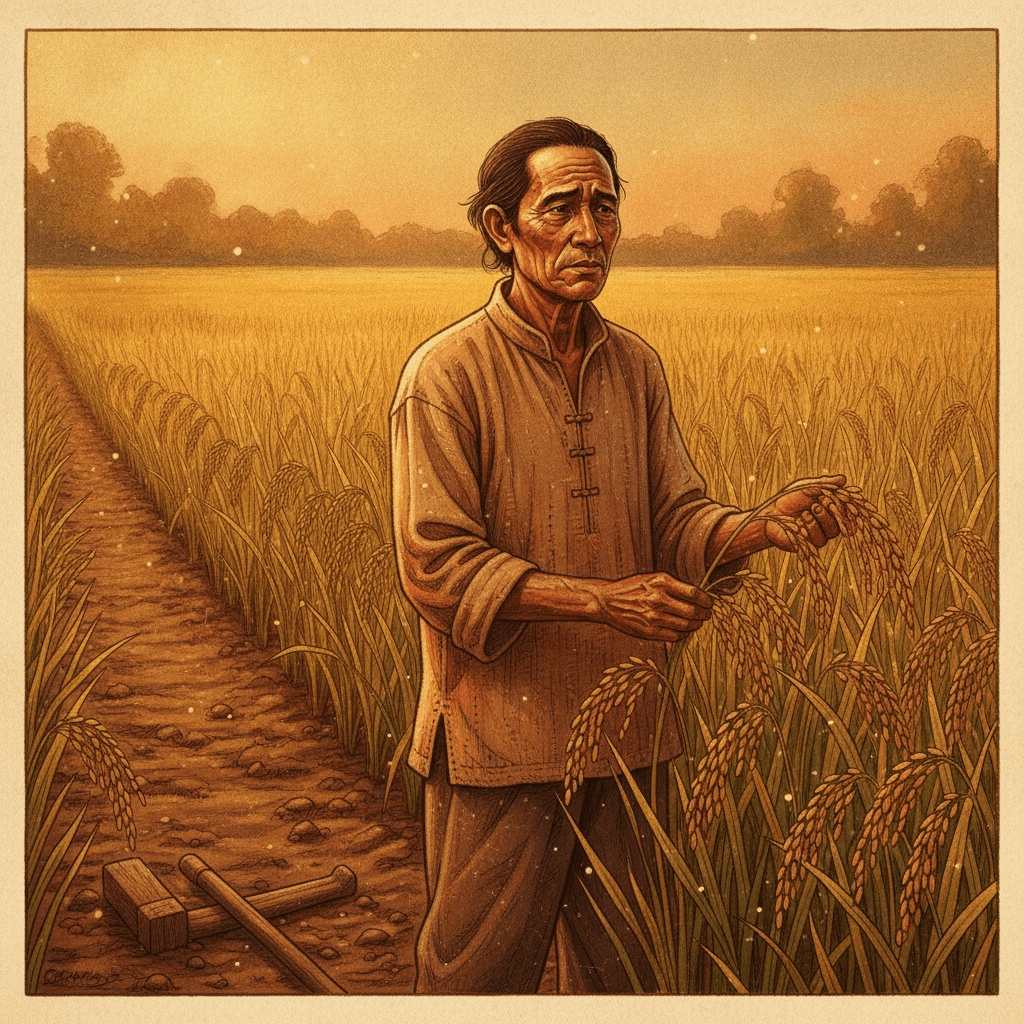
How Your Rice Stays Safe From Fading Yields
The plant sickness known as blast threatens nearly a third of the world's rice harvest, a staple food for billions. Learn how scientists are finally cracking the code on this stubborn enemy, promising more food security for everyone.
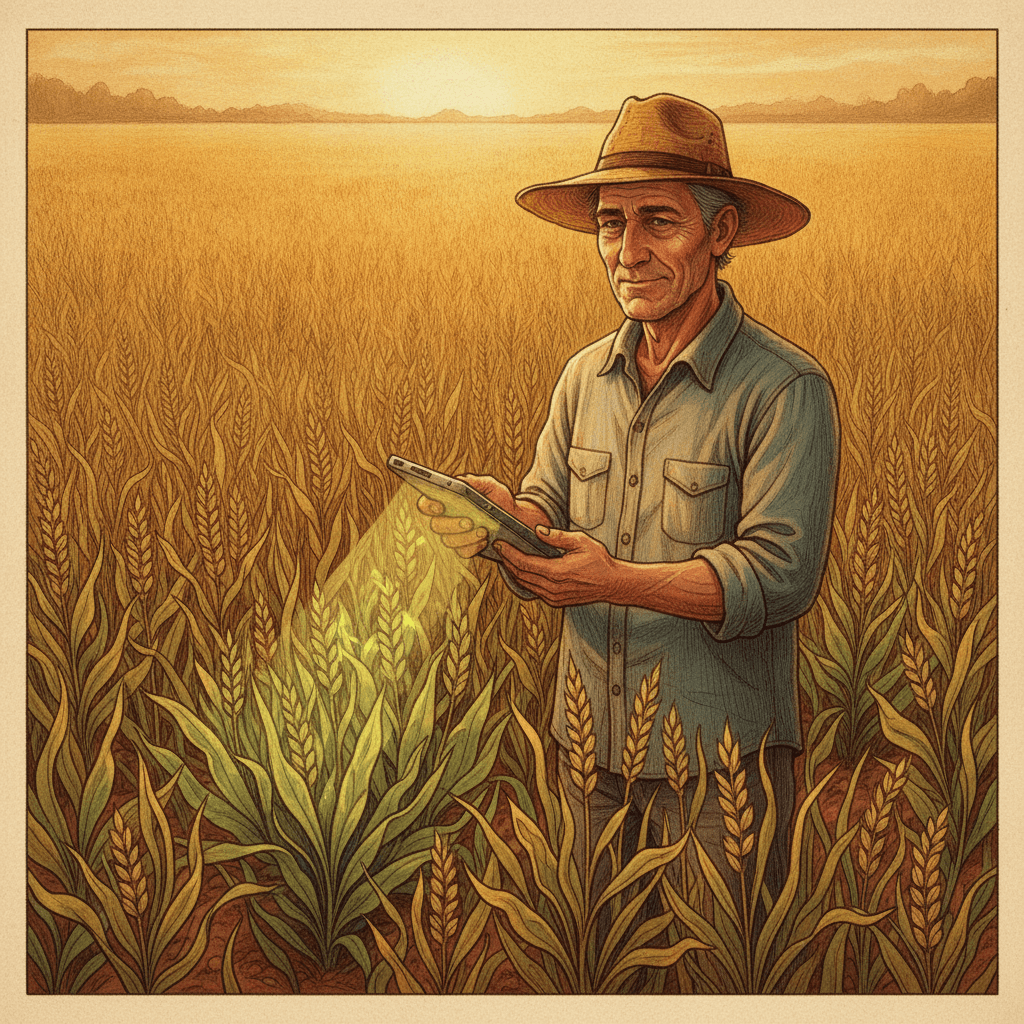
Your Farm Will Soon Know What Crops Need
Imagine a sensor that instantly tells you if a plant is sick or needs water, without touching it. New technology is making this a reality, promising to save billions in crop losses and change how we grow food.
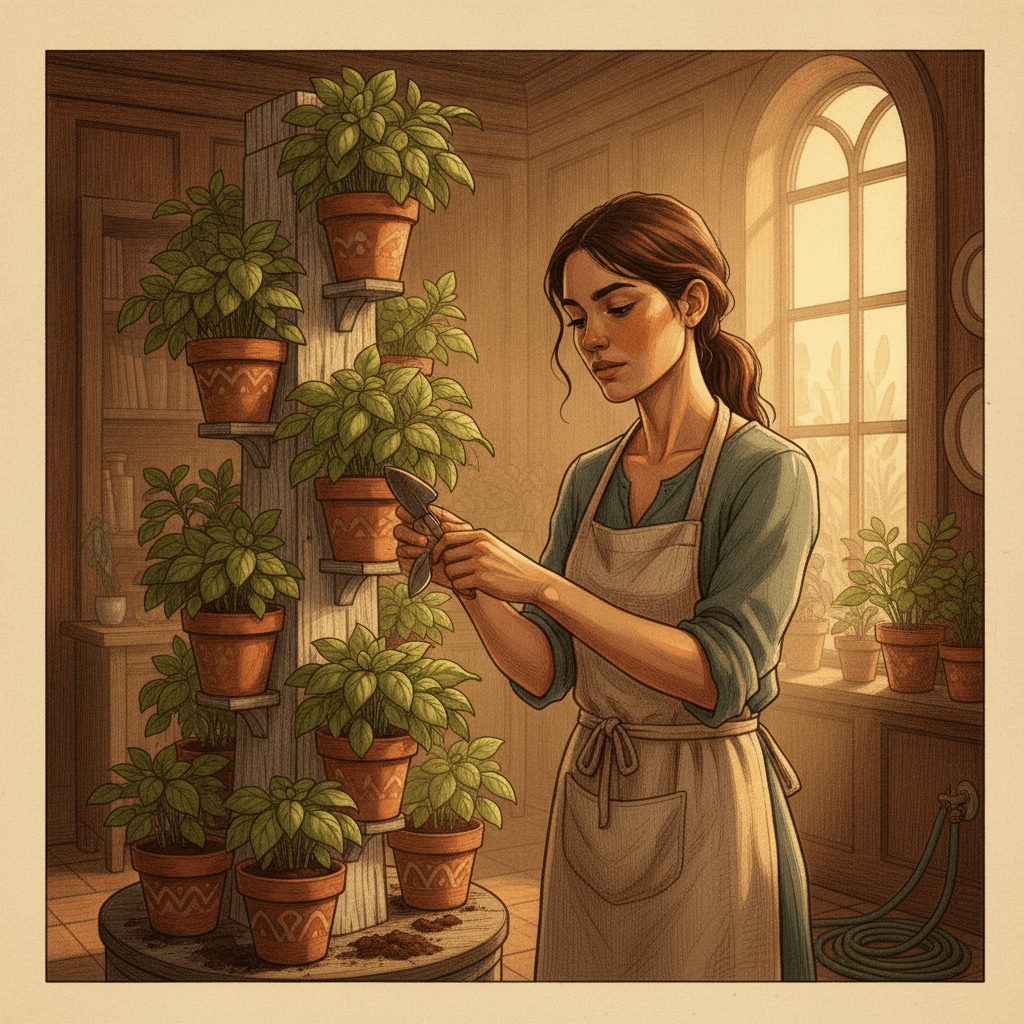
Your Vertical Garden Could Soon Power Itself
Imagine growing fresh food without soil, less water, and zero electricity bills. New research details an affordable, solar-powered vertical farm that makes off-grid food production a real possibility for homes and communities.
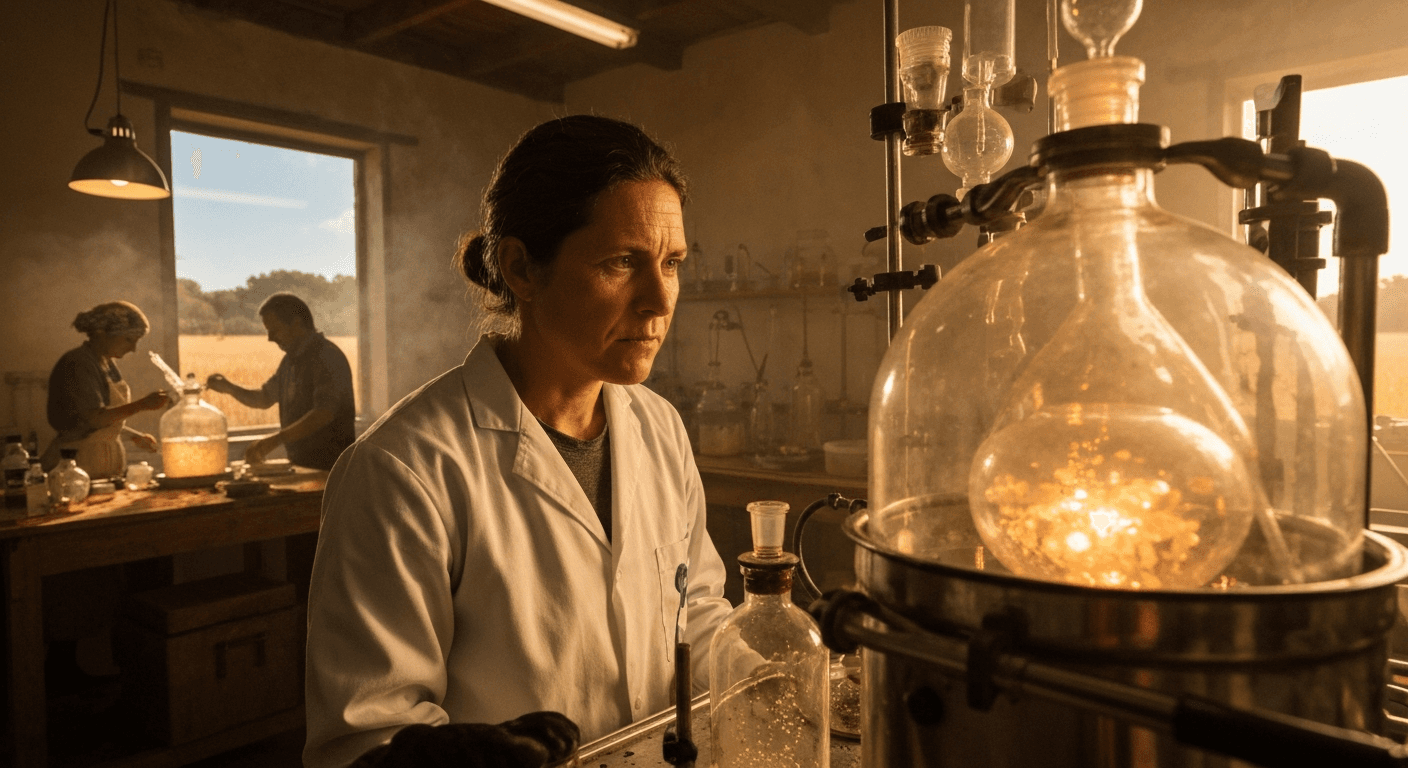
How Tiny Life Will Clean Our Water
The water you drink and use every day could soon be much cleaner, thanks to microscopic helpers. Scientists are now using smart systems to predict and improve how these tiny organisms purify our wastewater.
Stem Cells May Soon Fight Farm Sickness
The extensive use of antibiotics in farming is creating dangerous superbugs, threatening both animals and human health. Learn how tiny, natural cells found in bodies could offer a powerful new way to keep farm animals healthy without relying on traditional drugs.
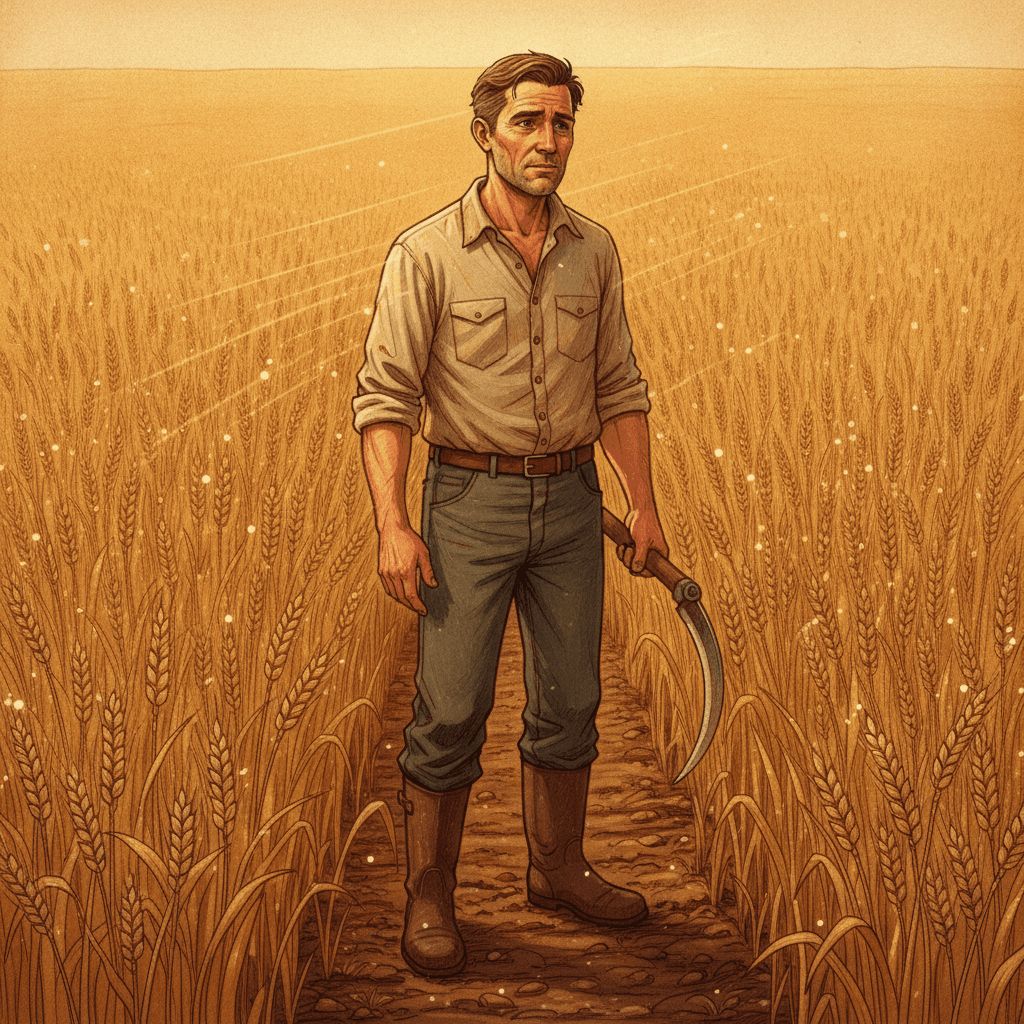
Your Wheat May Soon Sip Less Water
The relentless march of drought is making it harder to grow enough food, but scientists just found a surprising genetic switch in wheat that could change everything. Learn how a single tiny adjustment might help crops thrive on less water and secure our future meals.
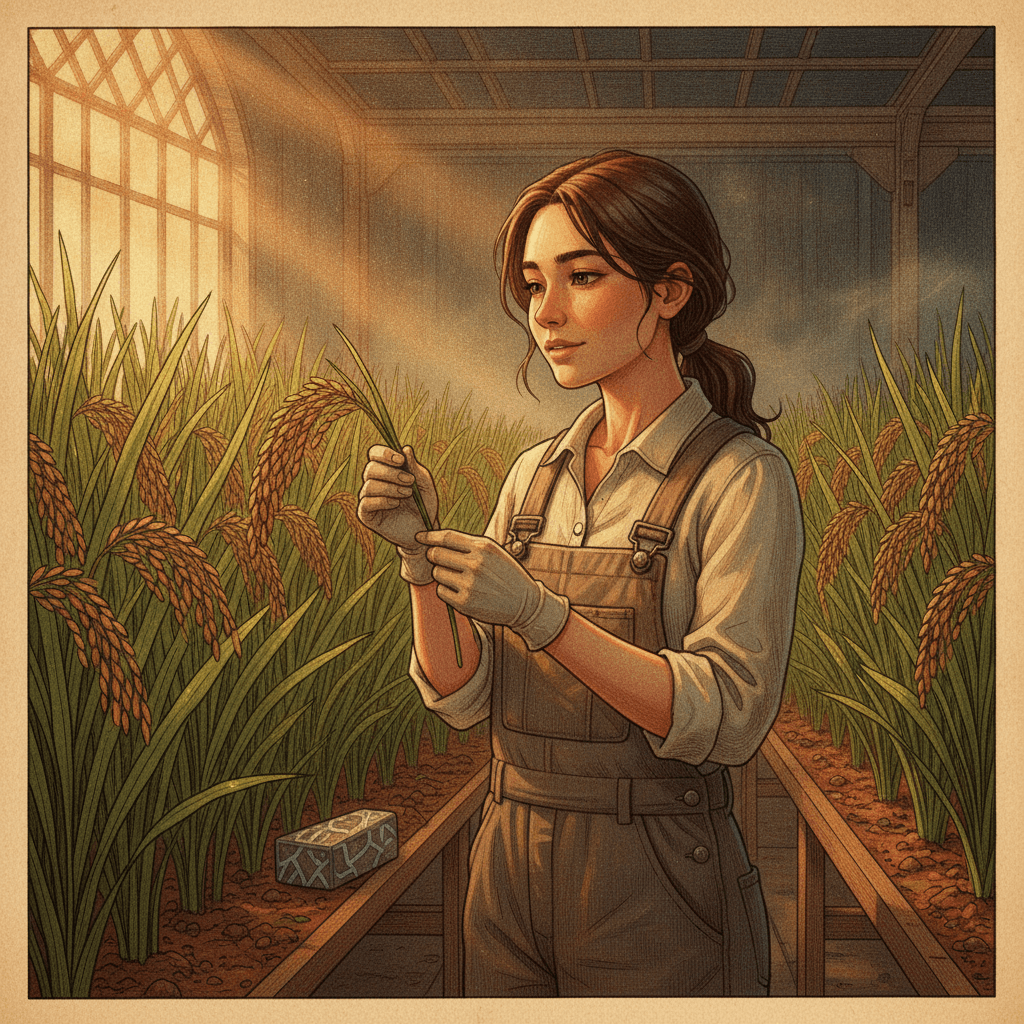
Why Your Rice Is Changing for the Better
The perfect bowl of rice—fluffy, fragrant, and nutritious—is harder to grow than you might think. New tools are now making it possible to grow rice that not only tastes better but also offers more vital nutrients.
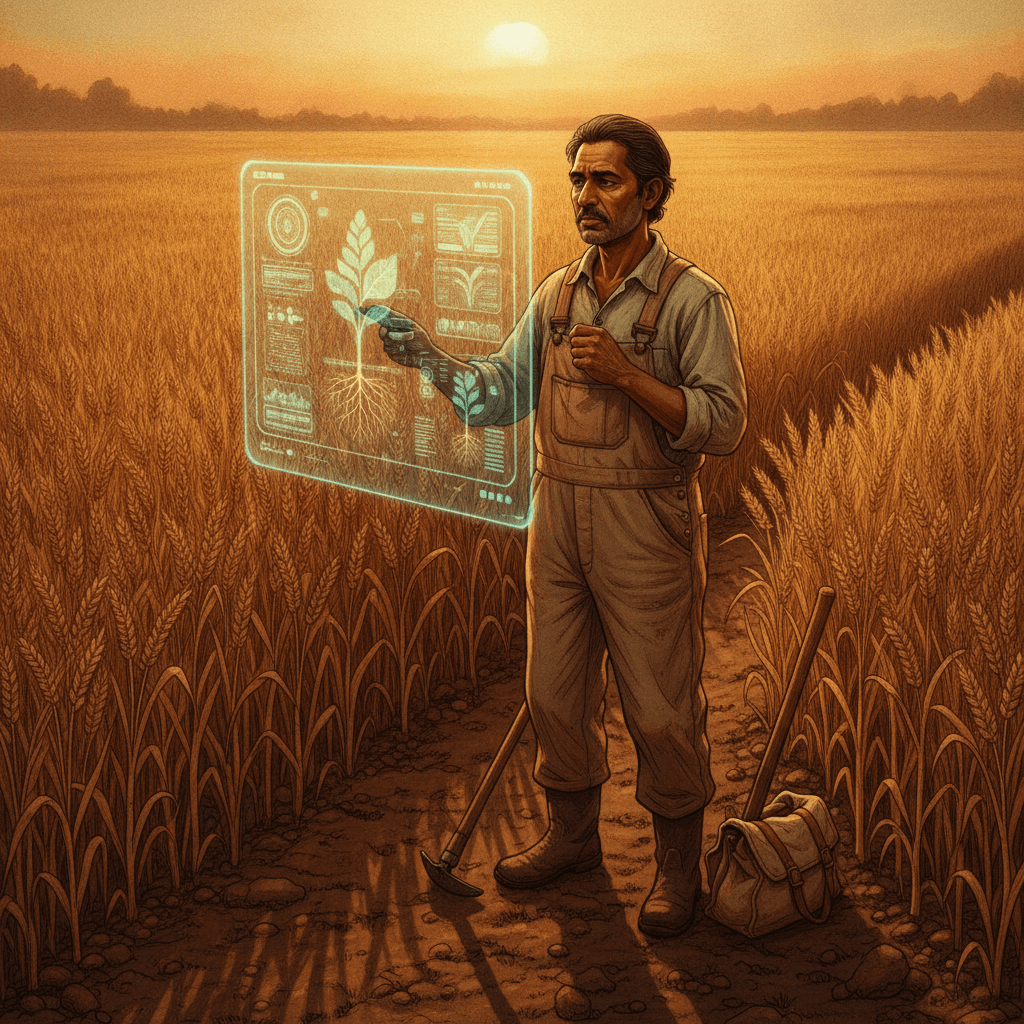
Your Crops Will Soon Learn From Everything
Imagine a farm where every plant, every soil particle, and even the weather patterns are constantly "understood" by an AI. This article reveals how new AI "scientists" are making that a reality, leading to smarter, more resilient agriculture.
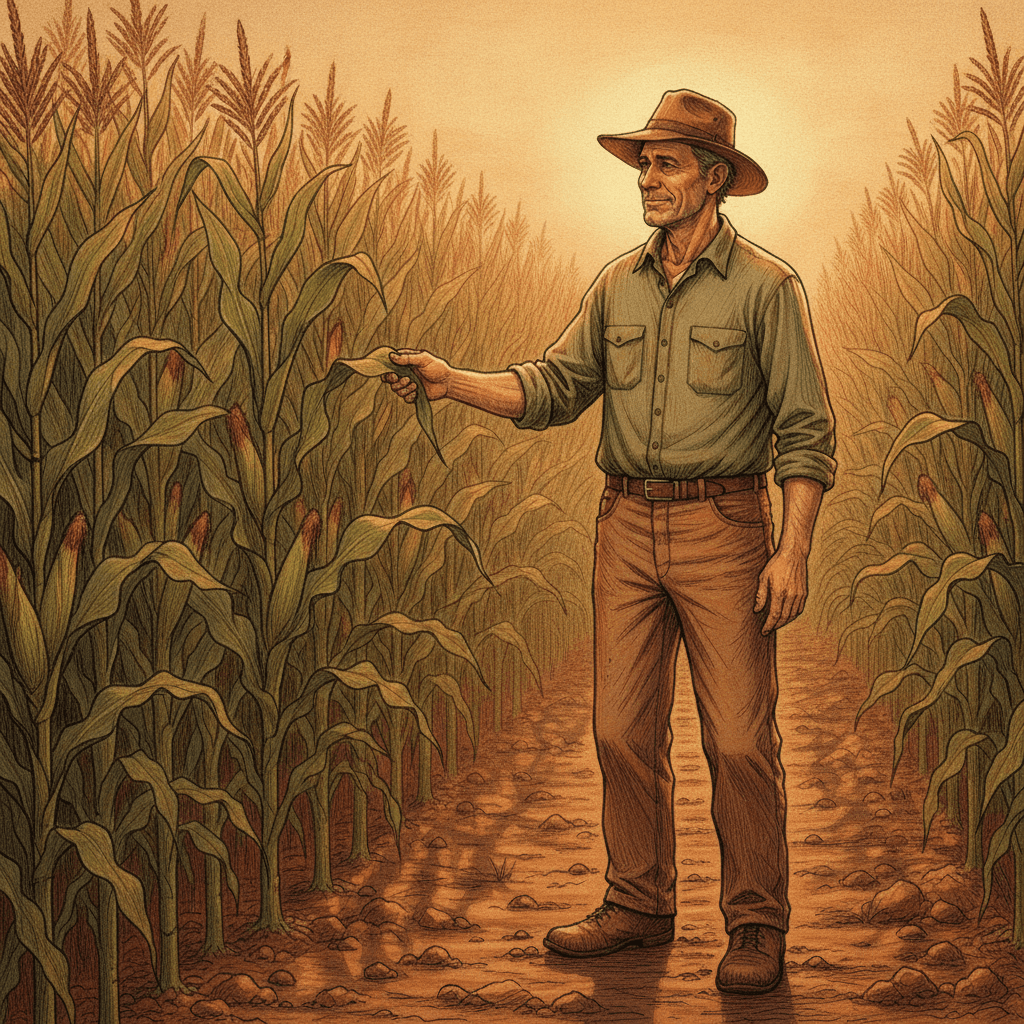
A Simple Spray Helps Corn Survive Salt
Imagine fields of corn thriving in salty soil where nothing grew before. This isn't a distant dream; scientists are using a common plant chemical to make it happen, boosting global food security. Discover how this simple solution could make farming possible in new, challenging places.
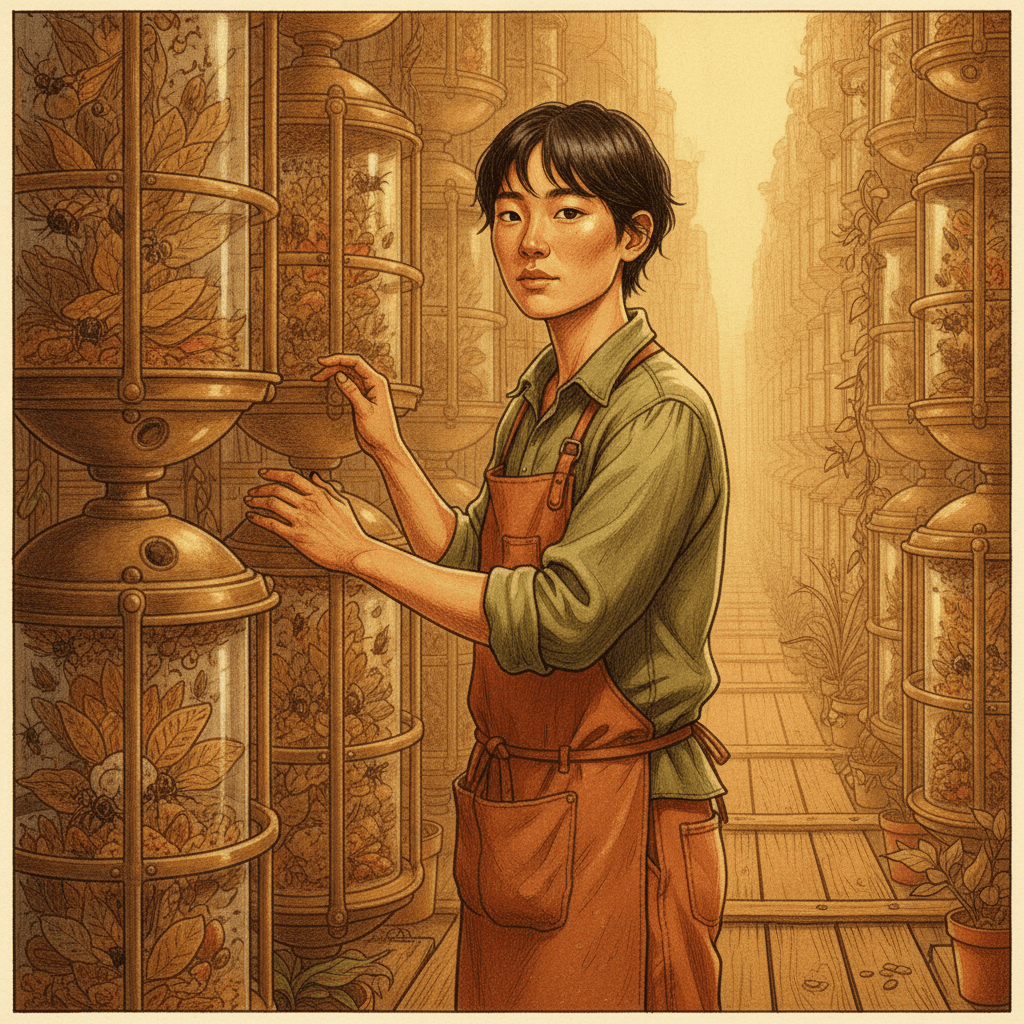
Eating Tiny Bugs Could Fix Your Farm Fields
The global appetite for meat is putting immense pressure on our planet, but a surprising protein source is emerging. Discover how humble insects could quietly transform farming, reduce pollution, and make food production much more sustainable.
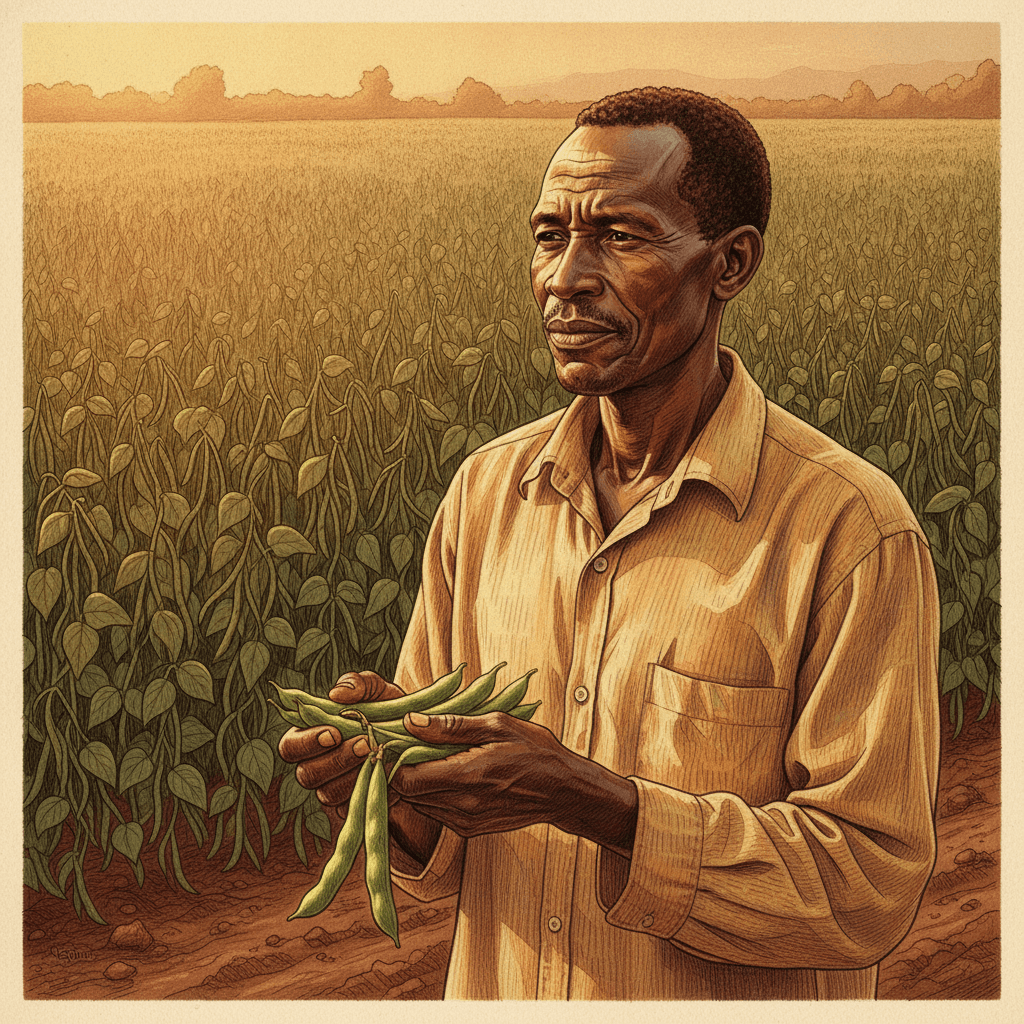
Your Beans Can Finally Fight Their Own Sickness
Imagine a silent enemy wiping out entire fields of your favorite beans, forcing farmers to abandon their crops. We’ve discovered a simple, natural solution hidden in nature that could protect future harvests and ensure your dinner plate stays full.
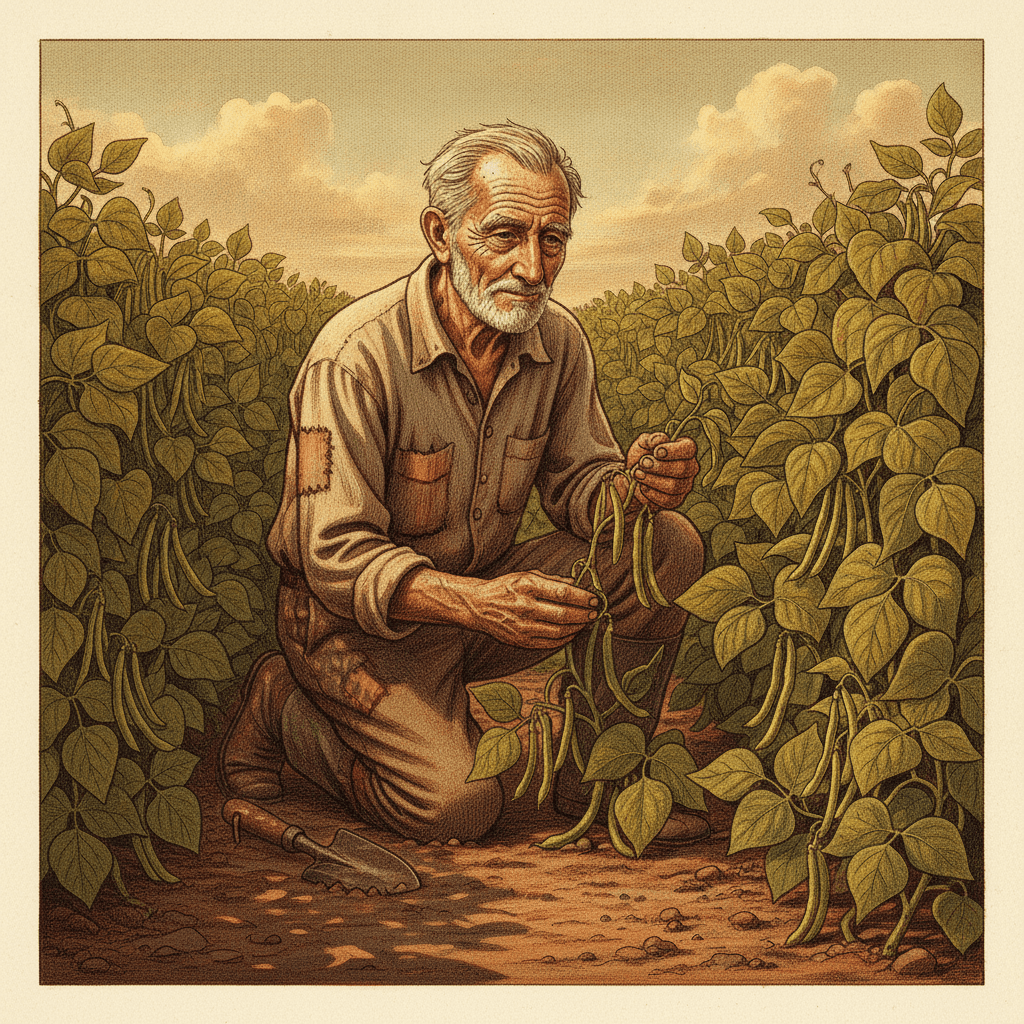
Your Farm Fields Will Grow More With Less
Imagine fields producing more food while needing less fertilizer. This isn't just a farmer's dream; new science could help your soil stay rich, feeding plants efficiently and protecting our water.