How Farmers May Grow Food With Less Water
Imagine fields thriving with just a fraction of the usual water, even as droughts worsen globally. Researchers are testing a clever way to identify crops that handle dry conditions better.
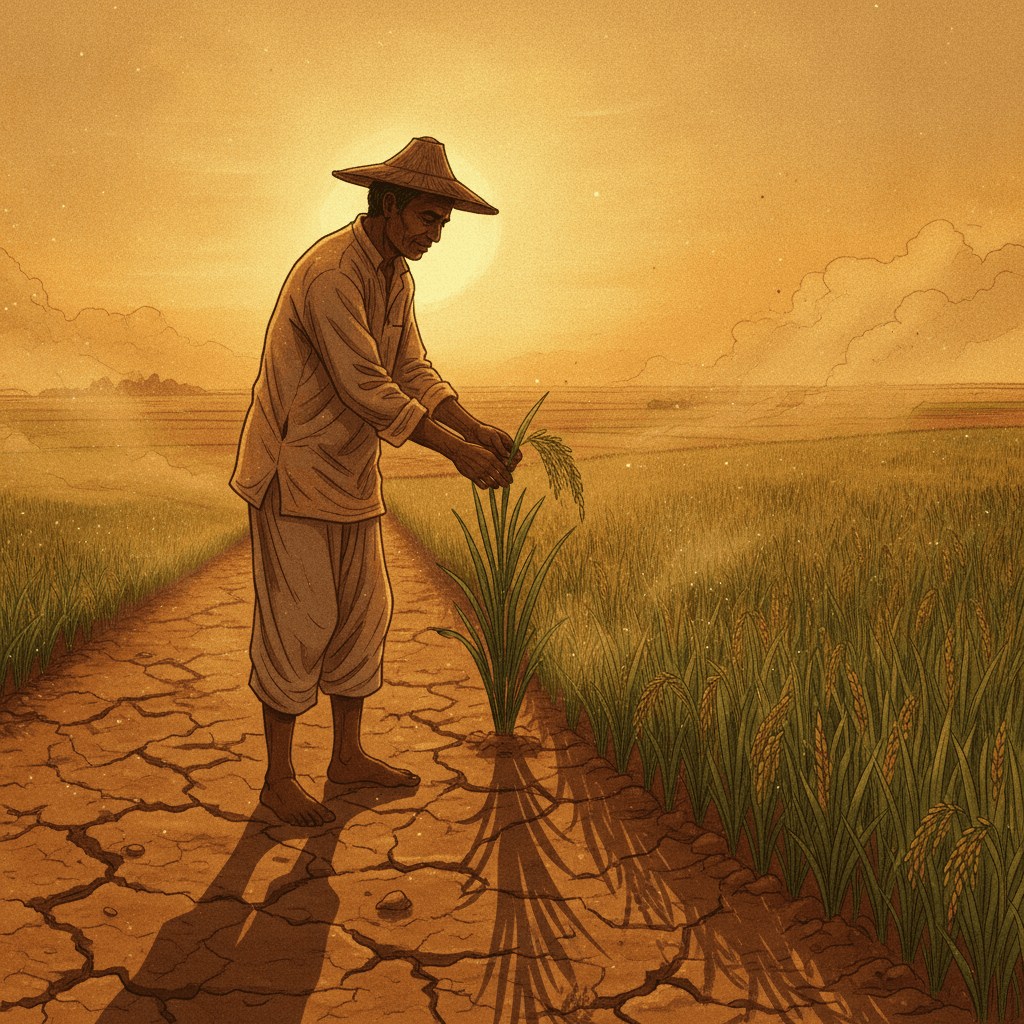
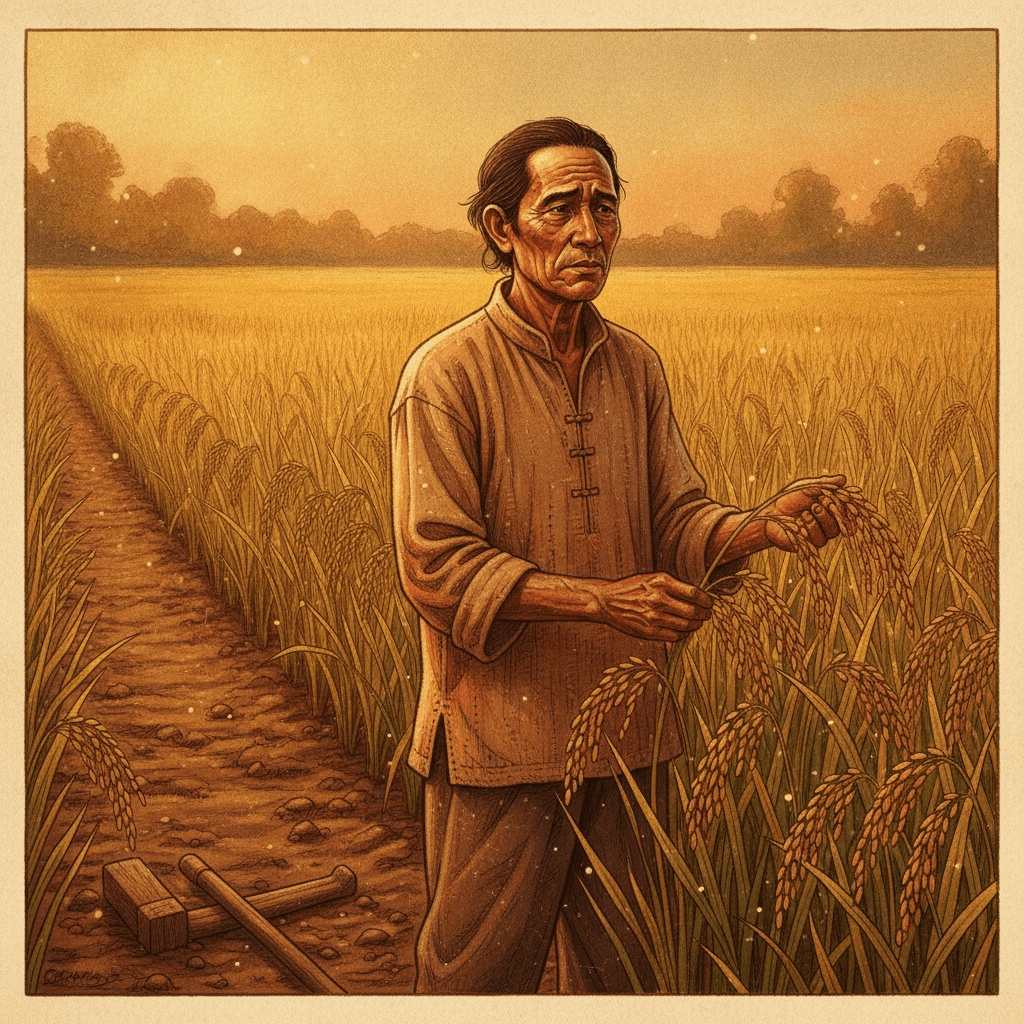
The way we grow food today uses a massive amount of water, and that's becoming a huge problem as our planet gets hotter and drier. But what if we could help plants essentially "drink less" without wilting? This isn't some far-off dream; researchers are now pinpointing rice plants that are incredibly tough, able to survive with less water than their peers.
This isn't sci-fi. Scientists at the Chinese Academy of Agricultural Sciences, for example, have been systematically identifying these drought-tolerant rice varieties using a multi-step screening process. They’re working with what's called a "space mutagenesis SP generation population," which just means rice seeds that have been exposed to space radiation to create tiny, random changes in their DNA. Think of it like a lottery where most tickets lose, but a few might just win the "drought-resistant" prize.
So, how do they find these super-survivors? It’s a bit like a harsh boot camp for seedlings. First, they soak the rice seeds in a solution containing PEG-6000, a synthetic polymer that mimics drought conditions by making it harder for seeds to absorb water, similar to how thick mud makes it harder to walk. Only the seeds that sprout well in this tough environment get to move on. This initial check focuses on germination rate, which is just how many seeds successfully begin to grow.
Next, the tiny plants that passed the first test are grown until they have three leaves. Then, they face a second, even more stressful PEG-6000 solution. This time, the scientists measure the plants' chlorophyll content ratio. Chlorophyll is the green pigment in plants that helps them make food from sunlight, like a tiny solar panel. A good ratio here means the plant is still making food efficiently, even under water stress, indicating it has strong root systems that gather water.
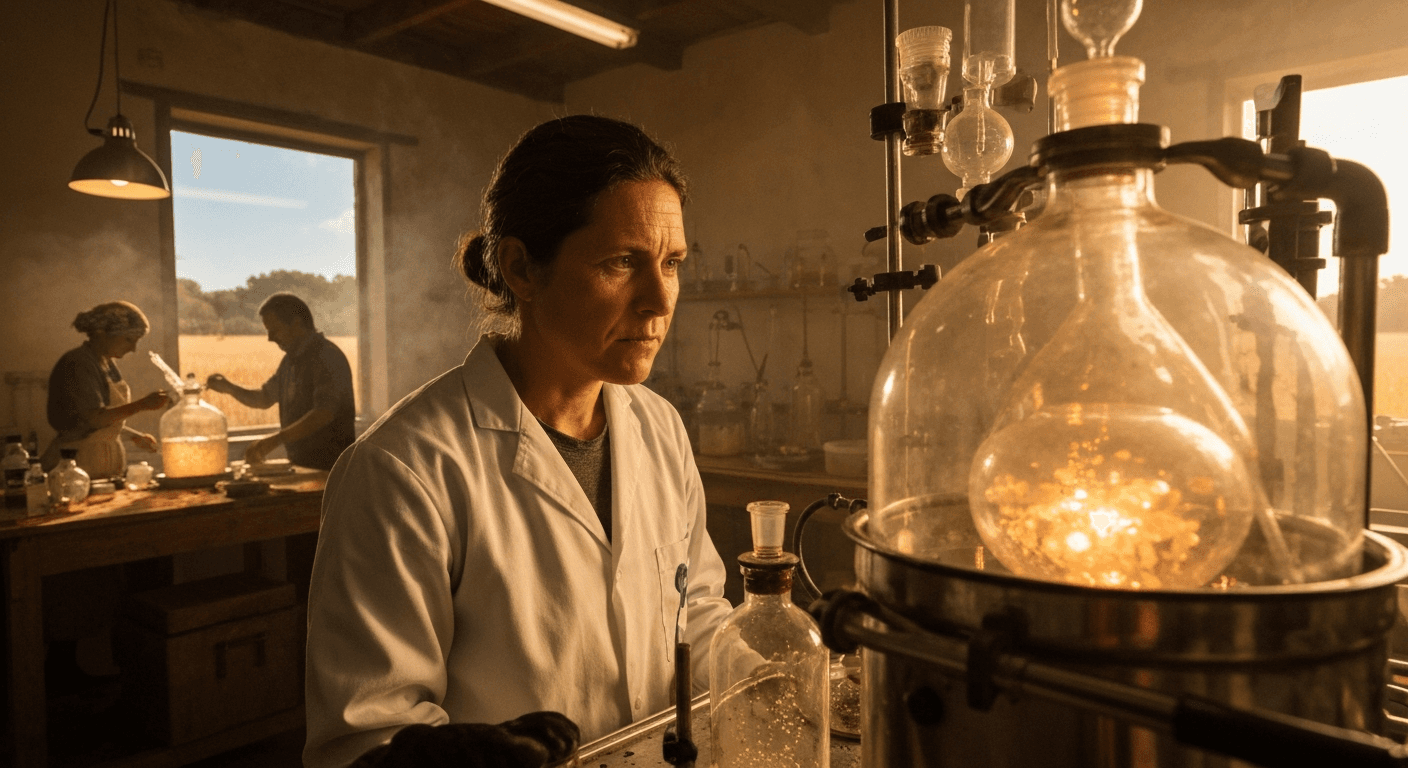
Finally, the plants that look good externally get a deeper physiological check-up. Researchers measure things like malondialdehyde content (a marker of cell damage), proline content (an amino acid plants produce to protect themselves under stress), and antioxidant enzyme activity (which helps fight off harmful molecules). These are like the plant's internal vital signs, revealing how well its cells are coping with the lack of water. By checking these internal markers, they can be sure they’ve found truly hardy plants, significantly reducing the number of false positives—plants that look tough but are struggling internally.
Here's a surprising fact: some of these drought-tolerant rice varieties can use up to 30% less water than traditional types, yet still produce a good yield. This research, detailed in an EPO patent, provides a verified list of tough "germplasm resources" – essentially, seeds and plant material – that rice breeders can use to create new, water-saving rice varieties.
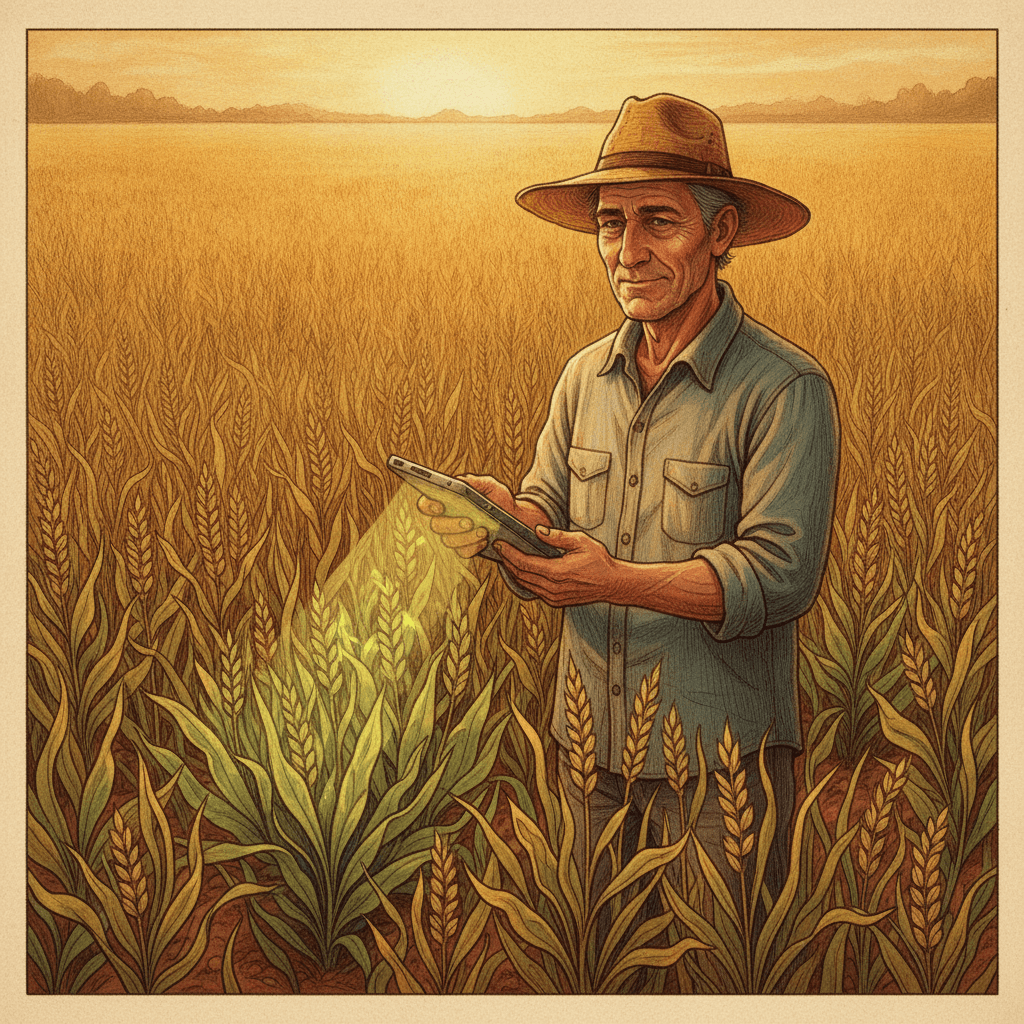
What happens if this becomes widespread? If farmers can choose rice varieties that thrive with less water, it means more food security in regions prone to drought. It could also reduce the pressure on freshwater supplies, which are already strained in many parts of the world. Imagine growing rice, a notoriously water-intensive crop, in areas previously thought too dry, or seeing existing farms become much more resilient to changing weather patterns. This approach could also be applied to other crops, not just rice, offering a universal strategy for adapting agriculture to a drier future. It’s an example of how small changes at the genetic level can have a huge impact on our global food system, potentially changing how robots will learn from mistakes in future smart farms.
The next steps involve field trials over several seasons to confirm these laboratory findings in real-world conditions. Scientists will want to ensure that these drought-tolerant traits are stable and don't come at the cost of yield or quality when scaled up. If successful, we could see new seed varieties available to farmers within the next 5-10 years. This wouldn’t just change rice farming; it would reshape our understanding of how plants can adapt, even when facing increasing environmental challenges. This whole process is making agriculture a lot more like precision engineering for living things.
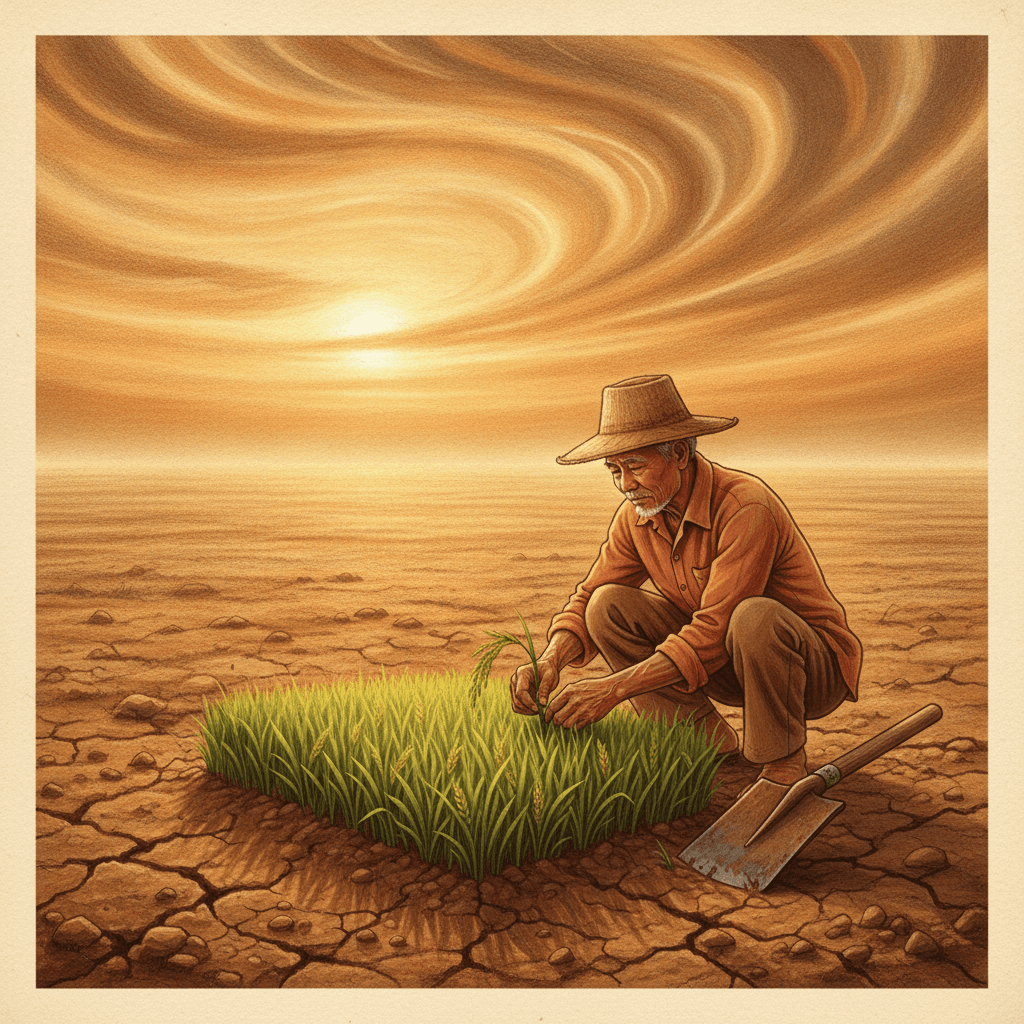
Key Takeaways
- Scientists are using a multi-step screening process to identify rice plants that can thrive with significantly less water.
- This involves mimicking drought conditions in the lab and checking both external growth and internal cellular health markers.
- Identifying these robust plant varieties offers a real pathway to more resilient food systems and reduced water usage in agriculture globally.
Frequently Asked Questions
What makes rice drought-tolerant? Drought-tolerant rice can sprout, grow, and maintain healthy cell function even when water is scarce. This is due to genetic variations that help them absorb water better or protect their cells from stress.
How do scientists find these plants? Scientists screen seeds and seedlings in solutions that mimic drought, checking for good germination and healthy chlorophyll levels. They then verify these findings by measuring internal plant stress markers.
Why does this method matter for farming? This method identifies resilient rice varieties that need less water, helping farmers grow food sustainably in drought-prone regions and reducing global freshwater consumption for agriculture.
Editorial note: The scientific findings presented in this article are sourced exclusively from published research papers, peer-reviewed studies, certified inventions, and registered patent filings. Images generated by AI.
Stay ahead of the curve
The science that shapes tomorrow — in your inbox every week
The scientific findings presented in our articles are sourced from published research papers, peer-reviewed studies, certified inventions, and registered patent filings. Subscribe for focused weekly coverage, hands-on explainers, and practical insights that help you stay curious — no jargon, no noise.
By subscribing, you agree to receive newsletter and marketing emails, and accept our Terms of Use and Privacy Policy. You can unsubscribe anytime.
Food Security, Biofortification & Agriculture in the Global South
Development journalist covering the agricultural innovations that can feed a warmer, more crowded world — particularly in Africa and South Asia.
View full profile →