Why Your Farm Needs Tiny Hidden Helpers
The unseen world beneath our feet is quietly transforming how we grow food, making crops stronger and requiring fewer chemicals. Discover how microscopic life could soon redefine sustainable agriculture and boost yields for farmers everywhere.

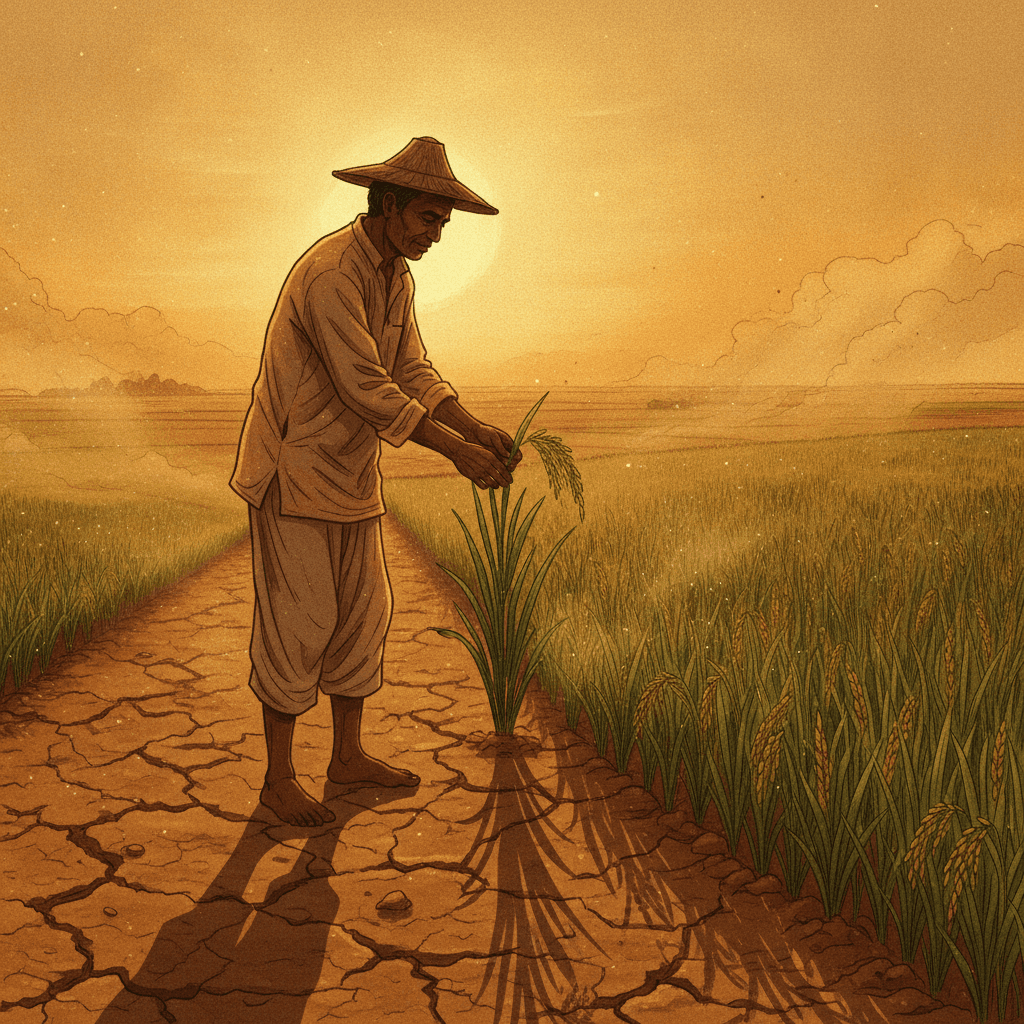
Your garden, or any farm field for that matter, is far more alive than you might realize. Below the surface, an entire universe of tiny organisms, a sort of invisible underground city, is constantly at work, quietly changing how plants grow. This isn't just about good dirt; it's about purposefully using these minuscule residents to make our food stronger, healthier, and much more resilient.
For decades, Chinese researchers have been leading a quiet revolution in understanding this hidden world, known as the plant microbiome. Think of a plant's microbiome like the helpful bacteria in your own gut; just as those microbes aid your digestion and immunity, the right combination of soil microbes can supercharge a plant's ability to pull nutrients from the ground, fight off pests, and even withstand harsh weather. They are discovering the specific combinations of these microscopic helpers that give plants an invisible shield.
How We're Learning to "Talk" to the Soil's Invisible Inhabitants
Getting to know these tiny helpers isn't easy because they are, well, tiny and numerous. Scientists are moving beyond just observing what's there and are now actively trying to understand what each of these microscopic species does. This is like trying to understand an entire bustling city by not just counting its residents, but by figuring out each person's job. Using advanced tools like high-speed gene reading (called single-cell sequencing, which is like reading the unique instruction manual of each individual cell) and artificial intelligence, they’re finally mapping out these microbial roles.
It's a bit like a conductor learning to orchestrate an incredibly complex symphony. Instead of just hearing the music, they are now identifying each instrument and understanding how to get the best performance from the entire orchestra. This deeper understanding allows them to select the most beneficial microbes, much like a farmer carefully chooses the right seeds for a specific crop. Researchers from institutions like the Chinese Academy of Sciences have proposed models that explain how plants actively shape these communities, guiding them to benefit their own growth.
Giving Plants an Invisible Shield Against Stress
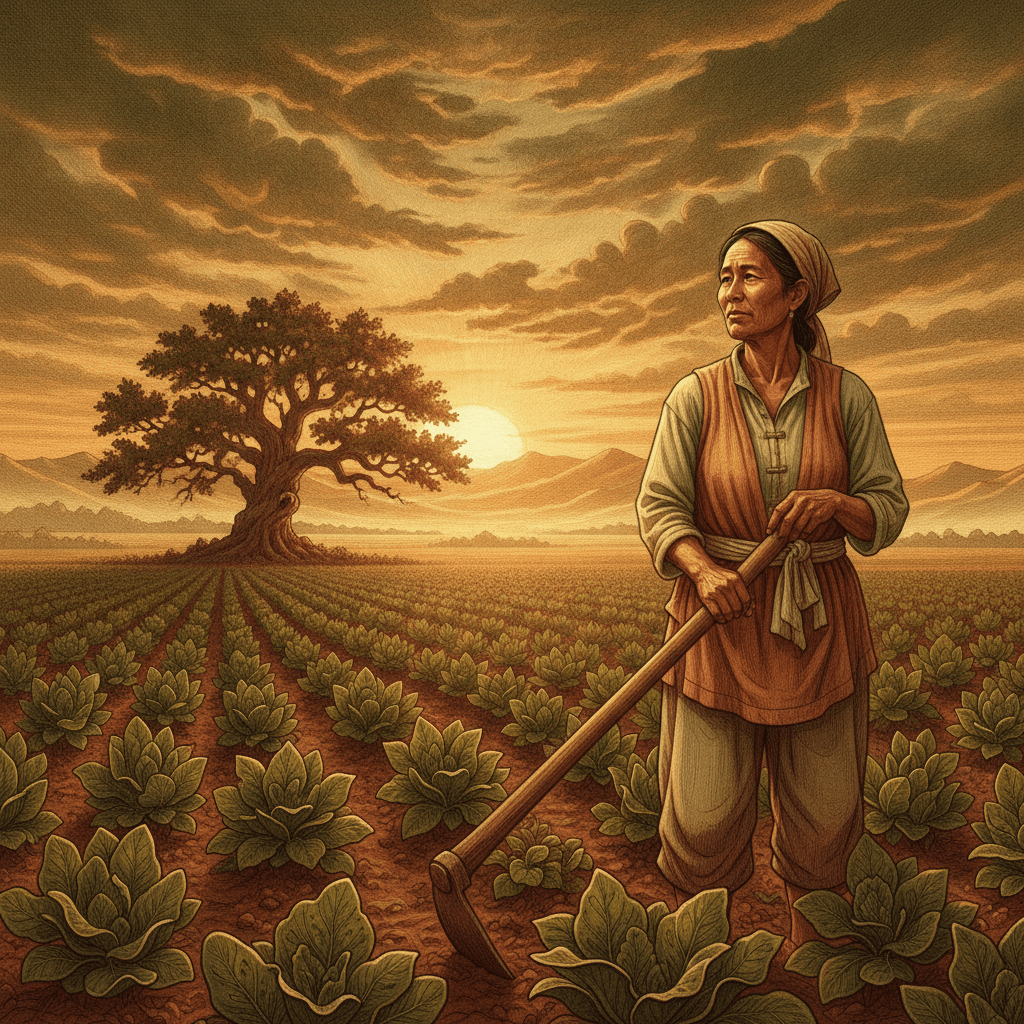
One of the most exciting implications is how these tailored microbial communities can protect plants. Imagine a plant growing in salty soil, a tough spot for most crops, or one dealing with heavy metals left over from pollution. The right microbes can act like tiny clean-up crews or nutrient boosters, helping the plant cope where it otherwise couldn't. Field studies have already shown that carefully adjusting a plant's microbiome can improve how efficiently it uses fertilizer, help clean up damaged soils, and even create crops that are naturally tougher against drought or disease.
This isn't some far-off dream; it's happening right now in labs and test fields. For example, some microbes can boost a plant's ability to absorb nitrogen, meaning farmers could use much less synthetic fertilizer, reducing both costs and environmental impact. This also ties into the larger picture of desert farms can grow food with less water by enhancing drought resistance. We are effectively teaching plants to be more self-sufficient, relying on their microscopic partners rather than constant human intervention with chemicals.
The Big Challenge: Making Tiny Helpers Stick Around
Despite the incredible progress, one of the biggest hurdles is getting these tiny helpers to consistently thrive in real-world farm conditions. It's one thing to get beneficial microbes to work in a controlled lab; it’s another entirely to have them persist and perform in a sprawling, unpredictable field, battling changing weather, different soil types, and existing microbial communities. This challenge, known as inconsistent microbial persistence, is the primary bottleneck researchers are tackling.
Think of it like trying to introduce a new, helpful neighbor into a tight-knit community; they might be great, but getting them to settle in and become a lasting part of the social fabric takes time and the right conditions. Researchers are developing new methods to ensure these beneficial microbes don't just visit, but permanently join the plant's support system. If they can solve this, you could see fertilizers infused with specific microbe cocktails becoming common in the next 5-10 years.
How This Quietly Changes What You Eat
This shift means your food could soon be grown with far fewer chemicals. Healthier plants grown with stronger natural defenses translate to more nutritious produce. It's a fundamental change in how we approach agriculture, moving from a chemical-heavy model to one that actively works with nature's unseen forces.
This isn't about replacing all traditional farming; it’s about making it smarter and more sustainable. We’re moving towards a future where crops are inherently more robust, requiring less from us and giving more back to the environment. This invisible alliance between plants and microbes is truly changing what "healthy food" means, all starting with the tiny, often forgotten, world beneath your feet.
Key Takeaways
- The plant microbiome, an unseen world of tiny organisms, significantly boosts plant health and resilience.
- New research, particularly from China, uses AI and advanced sequencing to understand and harness specific microbial functions.
- Tailored microbial applications can reduce reliance on chemical fertilizers and pesticides, making crops hardier in tough conditions like salty soil.
Frequently Asked Questions
What is the plant microbiome? The plant microbiome is the community of tiny living organisms, like bacteria and fungi, that live in and around plants, especially in the soil. They help plants grow, get nutrients, and fight off stress.
How do scientists study these tiny organisms? Researchers use tools like gene sequencing and artificial intelligence to identify different microbes and understand what specific jobs they do for the plant, moving beyond just simple observation.
How can the plant microbiome help farmers? By using the right microbes, farmers can improve how efficiently plants use fertilizer, help clean up polluted soil, and make crops tougher against things like drought or disease, reducing the need for chemicals.
What is the biggest challenge in using the plant microbiome? The main challenge is ensuring these helpful microbes can consistently survive and work well in unpredictable real-world farm fields, as conditions are very different from controlled lab environments.
Editorial note: The scientific findings presented in this article are sourced exclusively from published research papers, peer-reviewed studies, certified inventions, and registered patent filings. Images generated by AI.
Stay ahead of the curve
The science that shapes tomorrow — in your inbox every week
The scientific findings presented in our articles are sourced from published research papers, peer-reviewed studies, certified inventions, and registered patent filings. Subscribe for focused weekly coverage, hands-on explainers, and practical insights that help you stay curious — no jargon, no noise.
By subscribing, you agree to receive newsletter and marketing emails, and accept our Terms of Use and Privacy Policy. You can unsubscribe anytime.
Food Security, Biofortification & Agriculture in the Global South
Development journalist covering the agricultural innovations that can feed a warmer, more crowded world — particularly in Africa and South Asia.
View full profile →