How Salt-Loving Fungi Help Crops Grow
Did you know that fungi from extreme environments could be the secret to feeding the world? Discover how these tiny organisms are helping essential crops like tomatoes and wheat thrive in salty soil, unlocking a future of more resilient food.

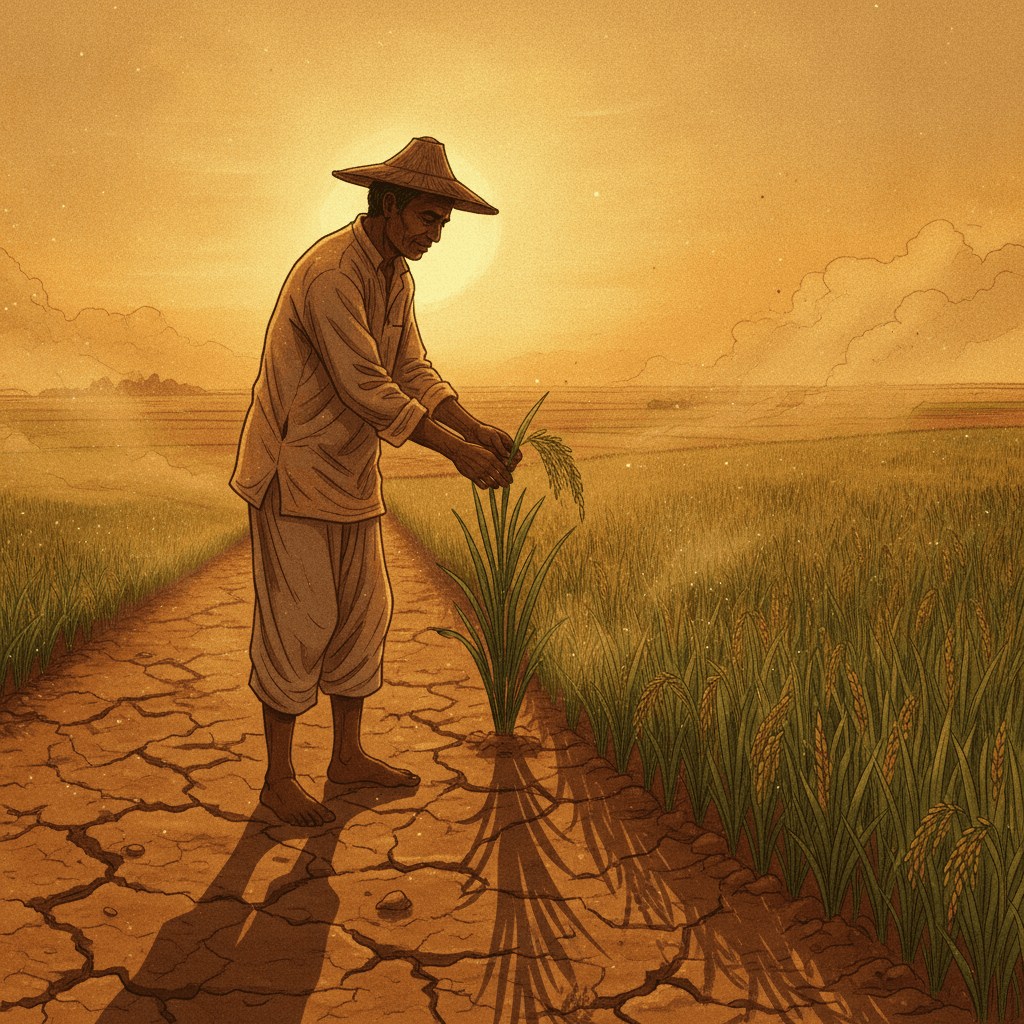
Our dinner plates depend heavily on certain essential crops, but a silent problem is growing: too much salt in the soil. This salt, much like pouring too much sugar into your coffee, makes it incredibly hard for plants to grow, limiting their ability to absorb water and nutrients. But what if the solution comes from some of the toughest places on Earth, like salty coastlines?
This isn't sci-fi; it's the real, peer-reviewed evidence. Researchers at the University of Alicante in Spain, led by a team including Dr. Jaime Lorenzo and Dr. Antonio Alcañiz, have been exploring how fungi found in hypersaline coastal ecosystems—places with extremely high salt levels—can act as "biostimulants." Think of these fungi as tiny personal trainers for plants, helping them build resilience against stress.
Fungi From Extreme Environments Are Learning to Help Our Plants
Scientists looked at 28 different fungal isolates from the salty shores of the southeastern Iberian Peninsula. They put these fungi through a rigorous four-stage process, like a series of Olympic trials for microbes. First, they checked how well the fungi could tolerate salt and different temperatures in a lab dish. Then, they tested how well they helped tomato and wheat seeds sprout in increasingly salty water.
Finally, they grew plants in pots under saline stress and measured things like leaf area and root weight, even checking the activity of antioxidant enzymes, which are like the plants' internal clean-up crew for stress. They found a surprising diversity, with some fungi acting like generalists, tolerating many conditions, while others were specialists, thriving only in super-salty spots.
A Tiny Helper Extending Crop Survival Limits
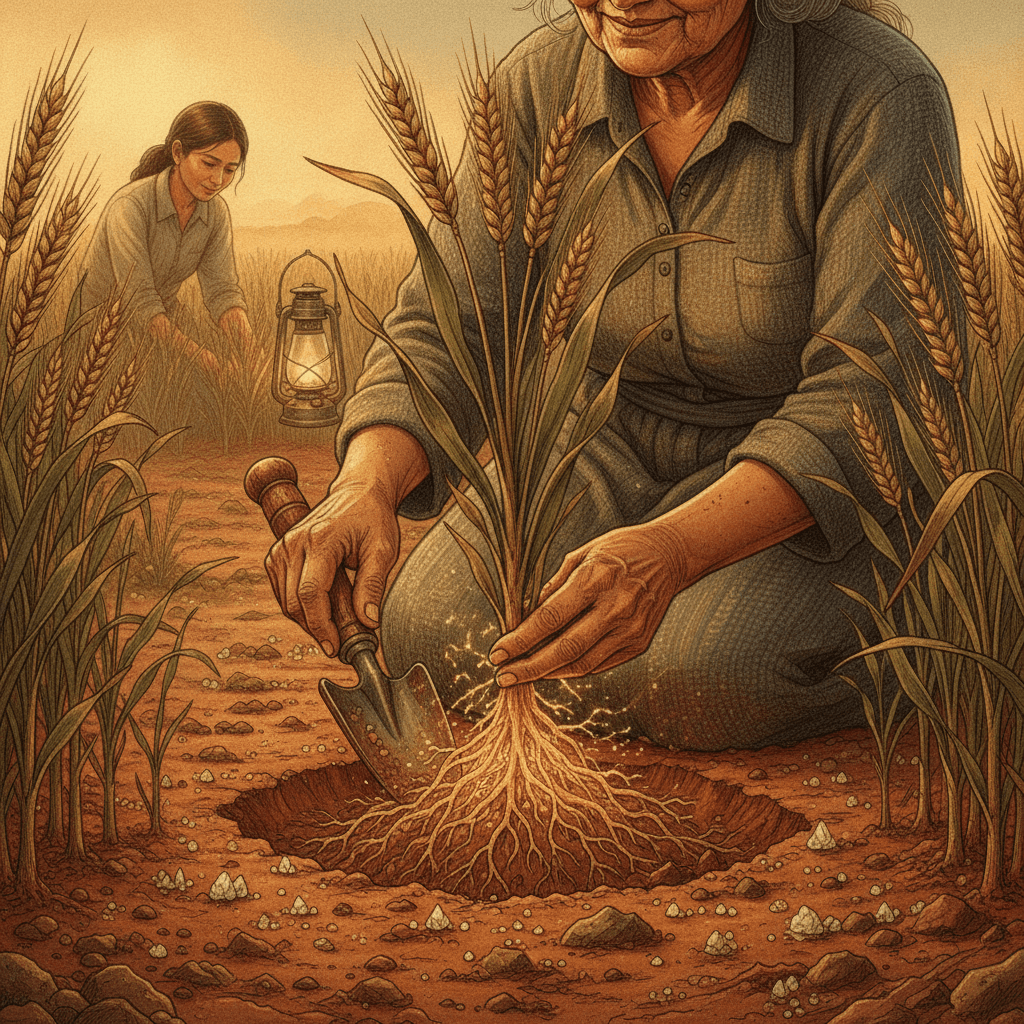
The results were genuinely surprising. One particular fungus, Sordaria fimicola (isolate BC06), which came from a very salty environment, showed an incredible ability to help wheat. Wheat seeds, which normally completely stop germinating (sprouting) at 300 mM NaCl (a measure of saltiness), were able to sprout when this fungus was introduced. This is like a tiny biological shield, extending the plant's natural survival limits.
For tomatoes, other fungi like Clarireedia sp. and Nothophoma gossypiicola were particularly effective. These fungal partners helped increase tomato leaf area by up to 60% and root dry weight by an astonishing 340% under salty conditions. This is a bit like a personal coach helping an athlete unlock hidden potential, enabling them to perform far beyond their usual capabilities in a tough environment. These fungi share a special relationship with the plants, living inside their tissues without causing harm, providing benefits in exchange for a home and nutrients—a perfect example of a beneficial soil bacteria relationship.
What This Means for Farming Around the World
Skeptics might wonder if these lab and pot experiments can scale up to real farms. That's the next big hurdle: moving from controlled conditions to vast fields with varying soil types and climates. It will take more field trials to confirm these benefits broadly. However, the initial evidence from this study, published in the journal Agronomy, strongly suggests a viable path forward.
If these salt-loving fungi prove effective on a large scale, the impact could be immense. Huge swathes of agricultural land worldwide are becoming unusable due to salinization, a problem made worse by irrigation practices and climate change. This technology could allow us to reclaim some of that land, making existing farms more productive and feeding more people. It offers a sustainable alternative to chemical fertilizers and could reduce the pressure to clear new land for agriculture. Imagine fields of tomatoes and wheat thriving in places where they currently struggle, securing future food supplies for communities.
The Broader Implications for Our Food System
This approach also highlights the often-overlooked potential of nature's hidden biodiversity. Exploring extreme environments for beneficial microbes is like discovering a new toolbox for agriculture, filled with novel solutions. This isn't just about tolerating salt; understanding these mechanisms could lead to tools for drought resistance or nutrient uptake. These fungi aren't just helping plants survive; they're helping them flourish, improving biomass and overall health.
This method, using natural biostimulants, also aligns with a growing desire for more sustainable and environmentally friendly farming practices. By harnessing the power of microorganisms, we can move towards a future where crops are inherently more resilient, requiring fewer external inputs and fostering healthier ecosystems.
Key Takeaways
- Specific fungi from salty coastal areas can significantly boost crop growth and survival in saline soil.
- Sordaria fimicola helped wheat germinate in salt levels previously thought impossible for the crop.
- Using these natural biostimulants offers a sustainable way to increase food production and reclaim salt-damaged agricultural land.
Frequently Asked Questions
What is soil salinization? Soil salinization is when too much salt builds up in the soil, often due to irrigation with salty water or poor drainage. It makes it hard for plants to absorb water and can severely limit crop growth.
How do endophytic fungi help plants in salty soil? Endophytic fungi live inside plant tissues and form a beneficial relationship. In salty soil, they can help plants by improving water and nutrient uptake, boosting their stress response, and enhancing overall growth, much like a plant's internal support system.
Which crops showed the most promise with these fungi? Tomato plants saw up to a 60% increase in leaf area and 340% in root dry weight. Wheat crops showed improved germination in extremely salty conditions, extending their survival limits with specific fungal partners.
When might we see this technology in widespread use? While promising, these are early-stage findings. More extensive field trials and regulatory approvals are needed. Widespread adoption could still be 5-10 years away as scientists work to scale these solutions.
Editorial note: The scientific findings presented in this article are sourced exclusively from published research papers, peer-reviewed studies, certified inventions, and registered patent filings. Images generated by AI.
Stay ahead of the curve
The science that shapes tomorrow — in your inbox every week
The scientific findings presented in our articles are sourced from published research papers, peer-reviewed studies, certified inventions, and registered patent filings. Subscribe for focused weekly coverage, hands-on explainers, and practical insights that help you stay curious — no jargon, no noise.
By subscribing, you agree to receive newsletter and marketing emails, and accept our Terms of Use and Privacy Policy. You can unsubscribe anytime.
Food Security, Biofortification & Agriculture in the Global South
Development journalist covering the agricultural innovations that can feed a warmer, more crowded world — particularly in Africa and South Asia.
View full profile →