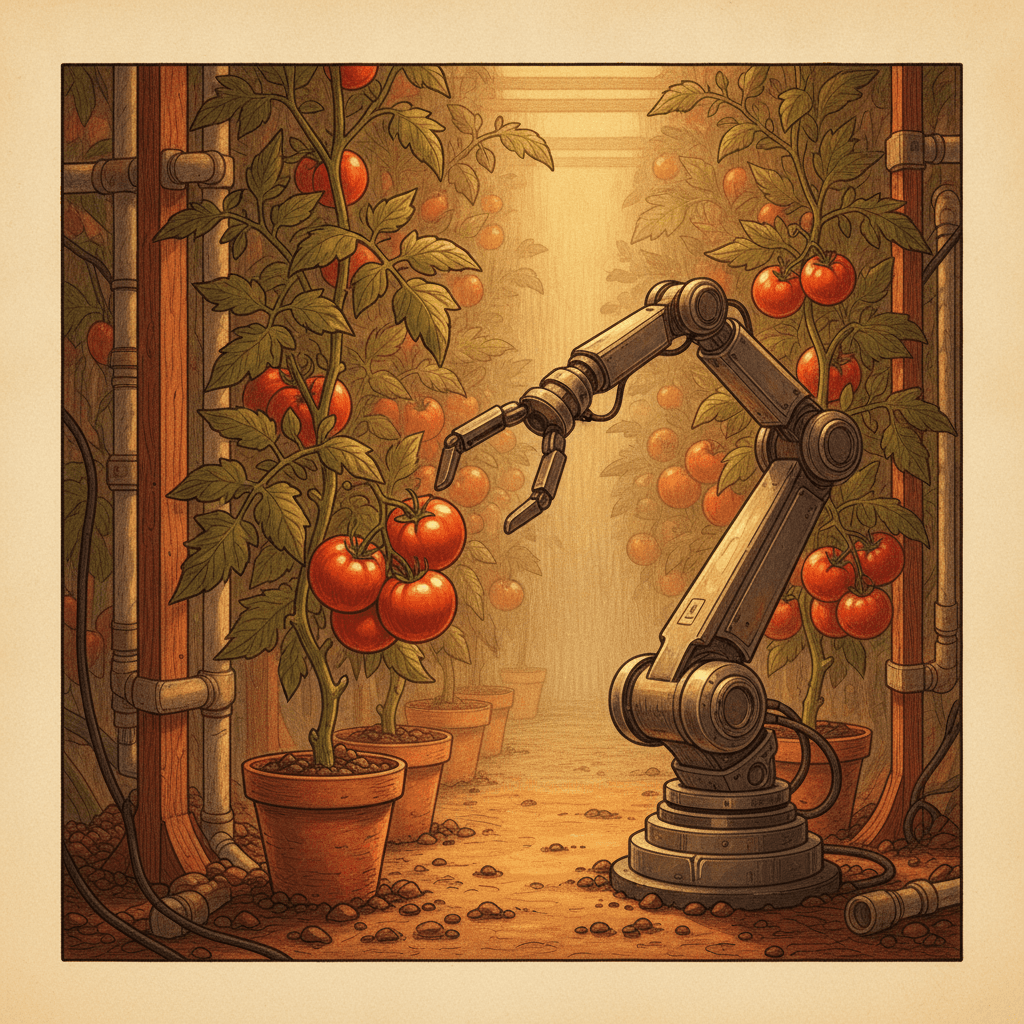
Your Dinner Plate Will Quietly Change Soon
The way we grow food is about to get a surprising upgrade, and it could mean more resilient crops on your table. Learn how new plant editing techniques are changing agriculture faster than you might expect.
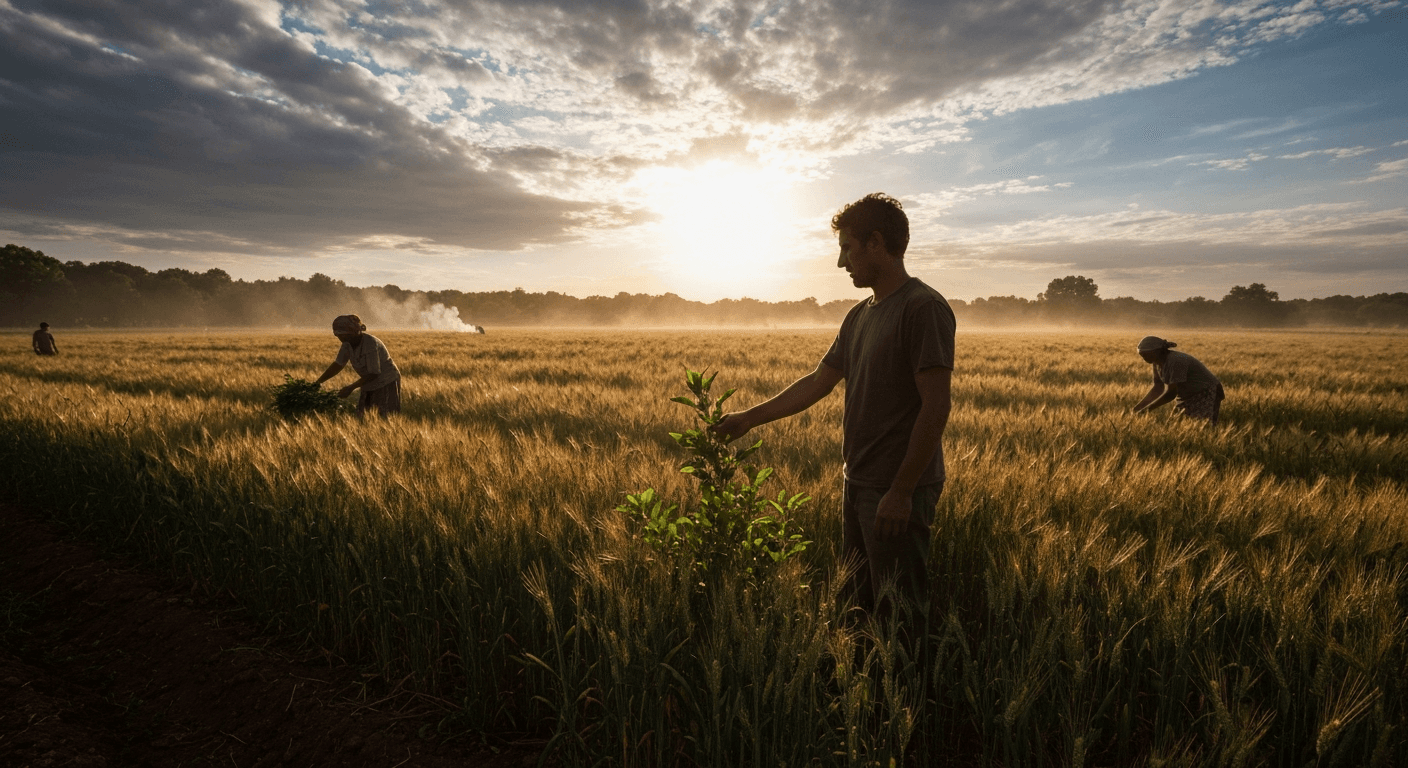
Your tomatoes and rice could soon grow with built-in defenses against pests and harsh weather, thanks to a quiet shift in how we "edit" plants. This isn't about moving genes between different species, like making a fish gene go into a tomato. Instead, scientists are now precisely tweaking a plant's existing DNA, like a meticulous editor correcting a typo in a book, not inserting a new chapter. These techniques, often called New Genomic Techniques (NGTs), are making it possible to create hardier crops with incredible speed and precision.
You've probably heard of GMOs, which involve adding foreign DNA to a plant. NGTs are different; they work more like accelerated natural breeding, making tiny, specific changes within the plant's own genetic code. Think of it this way: instead of cross-breeding two different dog breeds for decades to get a specific trait, NGTs can achieve that same specific trait in a fraction of the time by directly editing the relevant "instructions" in the plant's genes. This allows us to make plants more resistant to diseases, survive droughts better, or even become more nutritious.
What Gene Editing Actually Does to Your Food
Gene editing modifies a plant's DNA at specific locations, allowing us to enhance desirable traits without introducing foreign genetic material. Imagine a plant's DNA as a very long instruction manual; gene editing tools act like tiny, incredibly precise scissors and glue, letting scientists snip out a faulty instruction or slightly alter an existing one. This can, for example, switch off a gene that makes a plant vulnerable to a certain fungus or subtly change another gene to make a fruit ripen more slowly, extending its shelf life.
This capability is already making its way into our food system. For instance, a surprising fact: there's already a gene-edited soybean oil on the market in the US that produces healthier fats, and a non-browning mushroom that stays fresh longer. Other products, like rice resistant to a devastating fungal disease called blast, are in advanced field trials globally. This rice could protect a staple crop for billions of people, reducing food waste and improving food security.
The Technology Quietly Changing Fields
The main tool making these changes possible is often a system called CRISPR-Cas9, which acts like a biological GPS and molecular scissors. CRISPR (Clustered Regularly Interspaced Short Palindromic Repeats) guides the Cas9 enzyme (a protein that cuts DNA) to a very specific spot in the DNA. It’s like having an incredibly accurate search-and-replace function for genetic code. This precision allows scientists to target just one or a few "letters" in the plant's massive genetic instruction book, making changes that could have taken generations through traditional breeding.
Around the world, different countries are regulating these technologies in varied ways. While the European Union is currently debating proposals for adapted regulation, countries like Argentina, Australia, Japan, and the United States are already allowing many gene-edited plants to move toward commercialization with less stringent rules than older GMOs. This global variation means that while certain products might hit shelves sooner in one region, the technology's widespread adoption is a matter of when, not if.
Your Farm's Future is Closer Than You Think
The primary hurdles for these products aren't just scientific; they're about consumer acceptance and market competition. Will you buy a potato that resists bruising if it's labeled "gene-edited"? That's the question producers are asking. However, the benefits are clear: less pesticide use, less crop loss, and potentially more nutritious food. For example, researchers at the University of California, Berkeley, are exploring gene-edited cacao plants that are more resistant to viral diseases, a significant threat to chocolate production worldwide.
If current regulatory discussions continue to favor these precise techniques, you could see gene-edited produce becoming a common sight in your grocery store by the early 2030s. This could mean fruits and vegetables that taste better, last longer, and are grown with a smaller environmental footprint. We're talking about a future where your food is naturally more robust, needing fewer chemical interventions, and offering consistent quality regardless of the season's challenges. It’s a quiet revolution for your dinner plate, powered by incredibly precise biological editing.
The Quiet Promise of Better Food
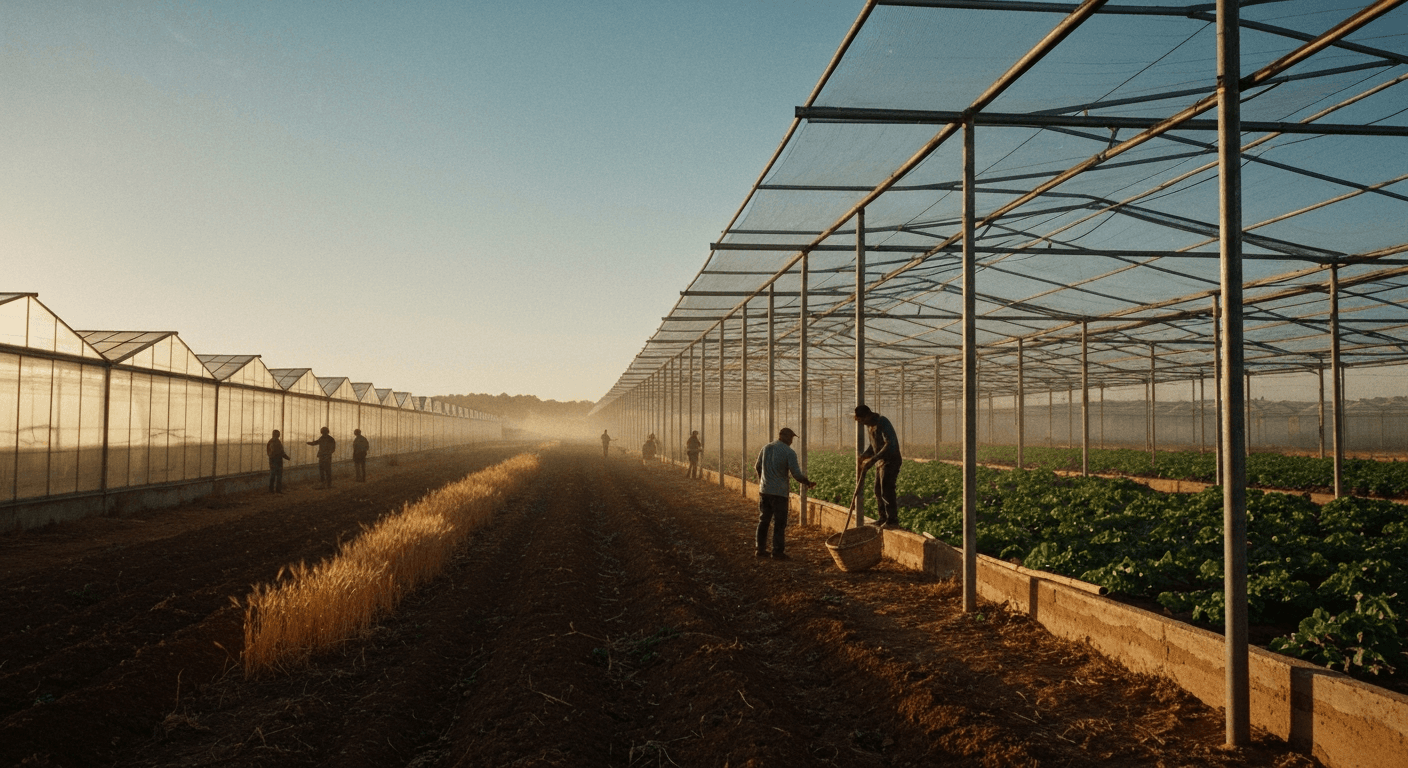
This new approach to plant breeding promises to deliver crops that are not only more resilient but also potentially more sustainable. Imagine fruits and vegetables that naturally withstand common diseases, reducing the need for extensive chemical treatments. This could also mean less food waste at the farm and in your home, as produce stays fresh for longer or is less susceptible to spoilage. It's an elegant solution to some of agriculture's biggest problems, leveraging the plant's own biology.
What does this mean for your daily life? You might find produce that's reliably tastier, with a longer shelf life, making healthy eating more convenient and affordable. These aren't just minor improvements; they represent a fundamental shift in our approach to feeding a growing global population, making our food system more secure and environmentally friendly. It’s a subtle yet powerful change coming to a farm field near you.
Key Takeaways
- Gene editing (NGTs) precisely modifies a plant's own DNA, unlike older GMOs, to create hardier, more nutritious crops.
- Gene-edited products like healthier soybean oil and non-browning mushrooms are already available in some markets.
- By the early 2030s, gene-edited foods are expected to be common, offering more resilient and sustainable options for your dinner plate.
Frequently Asked Questions
What is plant gene editing? Plant gene editing is a precise method to modify a plant's DNA at specific points to enhance traits like disease resistance or nutritional value, similar to correcting typos in a book. It's different from traditional GMOs as it doesn't introduce foreign DNA.
How does gene editing improve crops? Gene editing helps crops resist diseases, tolerate harsh environmental conditions like drought, and even extend shelf life. It also can increase nutritional content, making food healthier and more sustainable to grow.
Will gene-edited foods be available soon? Yes, some gene-edited foods are already on the market in certain countries, like healthier soybean oil and non-browning mushrooms. Wider availability in grocery stores, depending on global regulations, is expected by the early 2030s.
Editorial note: The scientific findings presented in this article are sourced exclusively from published research papers, peer-reviewed studies, certified inventions, and registered patent filings. Images generated by AI.
Stay ahead of the curve
The science that shapes tomorrow — in your inbox every week
The scientific findings presented in our articles are sourced from published research papers, peer-reviewed studies, certified inventions, and registered patent filings. Subscribe for focused weekly coverage, hands-on explainers, and practical insights that help you stay curious — no jargon, no noise.
By subscribing, you agree to receive newsletter and marketing emails, and accept our Terms of Use and Privacy Policy. You can unsubscribe anytime.
Sustainable Food Systems, Mediterranean Agriculture & Food Waste Innovation
Italian food systems journalist writing about the science of producing food more sustainably — and wasting far less of it.
View full profile →