Why Your Rice Is Changing for the Better
The perfect bowl of rice—fluffy, fragrant, and nutritious—is harder to grow than you might think. New tools are now making it possible to grow rice that not only tastes better but also offers more vital nutrients.
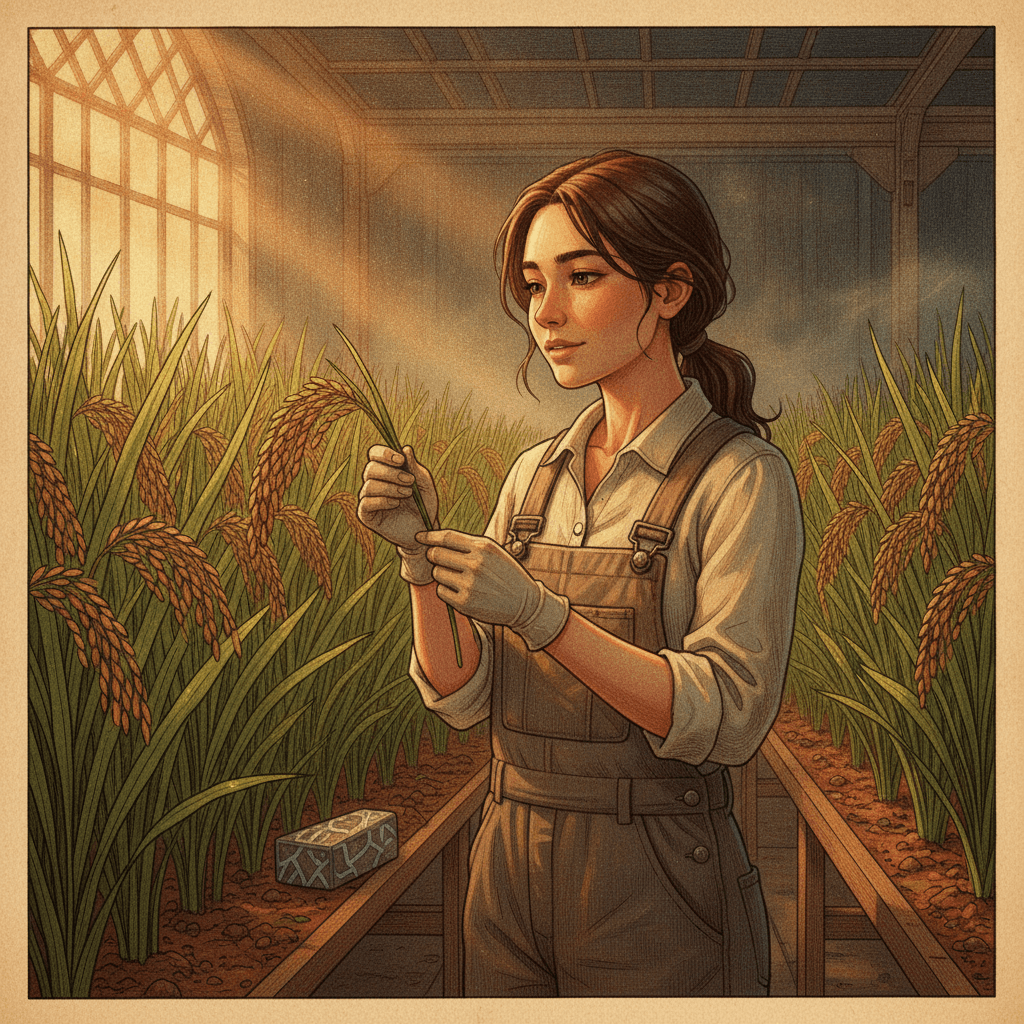
When you scoop a perfectly cooked bowl of rice, do you ever stop to think about everything that went into making it? From its size and shape to how sticky it is, or even its subtle scent and the nutrients packed inside, these qualities are incredibly complex. Farmers and scientists have always faced a huge challenge: improving these specific traits through traditional breeding takes a very long time, sometimes decades, because many different genes and even the weather play a role.
It's a bit like a chef trying to perfect a recipe by guessing ingredients one by one, adding a pinch here, a dash there, and waiting a whole season to see if it worked. This slow process means that even with huge global demand for better food, farmers have been limited in how quickly they can adapt crops to changing tastes or nutritional needs. This struggle is especially important for rice, which feeds over half the world's population, making any improvement directly affect billions of lives.
Now, a precise tool is helping scientists fine-tune rice qualities faster than ever before. This tool, often called CRISPR, works like a pair of microscopic scissors for DNA, allowing scientists to snip out or edit specific sections of a plant's genetic code. Instead of randomly mixing genes through breeding and hoping for the best, you can go straight to the genetic instructions that control, say, the starchiness of the rice, and make a targeted change.
This precision editing capability means you can quickly adjust traits like the amount of amylose, a type of starch that determines if rice is sticky or fluffy. You can also make rice grains larger, reduce "chalkiness"—those opaque white spots that can make rice look less appealing—and even boost its natural aroma or add more essential nutrients. Think of it as a super-accurate spell checker for the plant's genetic instruction manual. You're not rewriting the whole book; you're just fixing a few crucial words.
The Tiny Adjustments That Make a Big Difference
Imagine getting rice that cooks perfectly every time, has a richer flavor, and even packs a bigger nutritional punch without any extra effort from you. That’s what this technology aims to achieve. For instance, specific genes like Wx (which controls starch content) or BADH2 (responsible for that delicious rice aroma) have already been successfully edited. Researchers at the Chinese Academy of Agricultural Sciences, for example, have shown that by modifying genes like GS3 and GW8, they can significantly increase grain size and yield.
One surprising fact: the gene that gives Basmati rice its distinctive, appealing aroma is BADH2, and editing this single gene can make other rice varieties just as fragrant. This shows the power of targeting specific genetic instructions. Beyond just making rice tastier, scientists can also boost its nutritional value by modifying genes like OsAAP6 and OsVIT1/2, which help the plant absorb and store important amino acids and iron, respectively. This could lead to staple foods with built-in defenses against hidden sickness you can't see.
More Than Just Editing: Precision Tools for Better Rice
Beyond simply "cutting" DNA, newer versions of this editing tool allow for even finer adjustments. These methods, known as base editing and prime editing, are like using a tiny pencil to change individual letters in a word without having to cut out the whole sentence. This makes the process even more precise and reduces the chance of unintended changes, often called "off-target effects." It’s an incredibly sophisticated form of genetic modification.
While these tools are powerful, they aren't quite ready for every farm field just yet. There are still hurdles to clear, including ensuring that these new varieties are safe for widespread consumption and addressing public acceptance. The regulatory landscape around genetically edited crops is complex and varies by country, which can slow down how quickly these improved rice types reach your plate. Also, despite their precision, scientists are still working to further minimize those "off-target effects" to ensure complete safety and predictability.
In the future, combining these editing tools with artificial intelligence (AI) and something called genomic selection—which uses genetic information to predict the best plants for breeding—could speed things up even more. This could mean developing superior rice varieties in just a few years, rather than decades. It's a promising path to not only enhance the quality of your meals but also to help secure food for a growing global population.
What This Means for Your Dinner Table
Ultimately, this technology means your future rice could be more delicious, more nutritious, and more consistent, grown with less environmental strain because the plants themselves are hardier and more efficient. It’s about more than just a better grain; it’s about a more resilient food supply, especially as we face changing climates and increasing food demands. This kind of precise genetic tuning could also help other crops, ensuring your farm fields grow more with less water and fertilizer.
The goal isn't just to tinker with nature, but to give farmers and consumers options for foods that are better adapted to modern needs, from specific dietary requirements to the simple desire for a more flavorful meal. Expect to see these advances making their way into rice varieties on supermarket shelves over the next decade, subtly improving the quality of a staple food for billions.

Key Takeaways
- Targeted genetic editing allows for rapid and precise improvement of rice traits like aroma, texture, and nutrition, addressing limitations of traditional breeding.
- Newer editing techniques offer even finer control, reducing unwanted genetic changes and enhancing the safety of modified crops.
- This technology could lead to more resilient and nutritious rice varieties, contributing significantly to global food security in the next decade.
Frequently Asked Questions
What is CRISPR/Cas-based genome editing for rice? It's a precise tool that lets scientists directly edit specific genes in rice DNA. This helps improve qualities like grain size, starch content, aroma, and nutritional value more quickly and accurately than traditional breeding methods.
How does genome editing improve rice quality? By making targeted changes to genes, scientists can control various traits. For example, editing the Wx gene changes amylose content for stickiness, or adjusting BADH2 enhances aroma, creating tastier and more appealing rice.
Why is this technology important for global food security? Rice feeds over half the world's population. Improving its quality and nutritional value, while also making it more resilient, helps ensure a stable and healthier food supply for billions, especially given environmental changes.
Editorial note: The scientific findings presented in this article are sourced exclusively from published research papers, peer-reviewed studies, certified inventions, and registered patent filings. Images generated by AI.
Stay ahead of the curve
The science that shapes tomorrow — in your inbox every week
The scientific findings presented in our articles are sourced from published research papers, peer-reviewed studies, certified inventions, and registered patent filings. Subscribe for focused weekly coverage, hands-on explainers, and practical insights that help you stay curious — no jargon, no noise.
By subscribing, you agree to receive newsletter and marketing emails, and accept our Terms of Use and Privacy Policy. You can unsubscribe anytime.
Vertical Farming, Lab-Grown Food & Precision Fermentation
Food tech journalist tracing the future of how humanity will grow, manufacture, and eat its food.
View full profile →