Your Farm Fields Will Grow More With Less
Imagine fields producing more food while needing less fertilizer. This isn't just a farmer's dream; new science could help your soil stay rich, feeding plants efficiently and protecting our water.
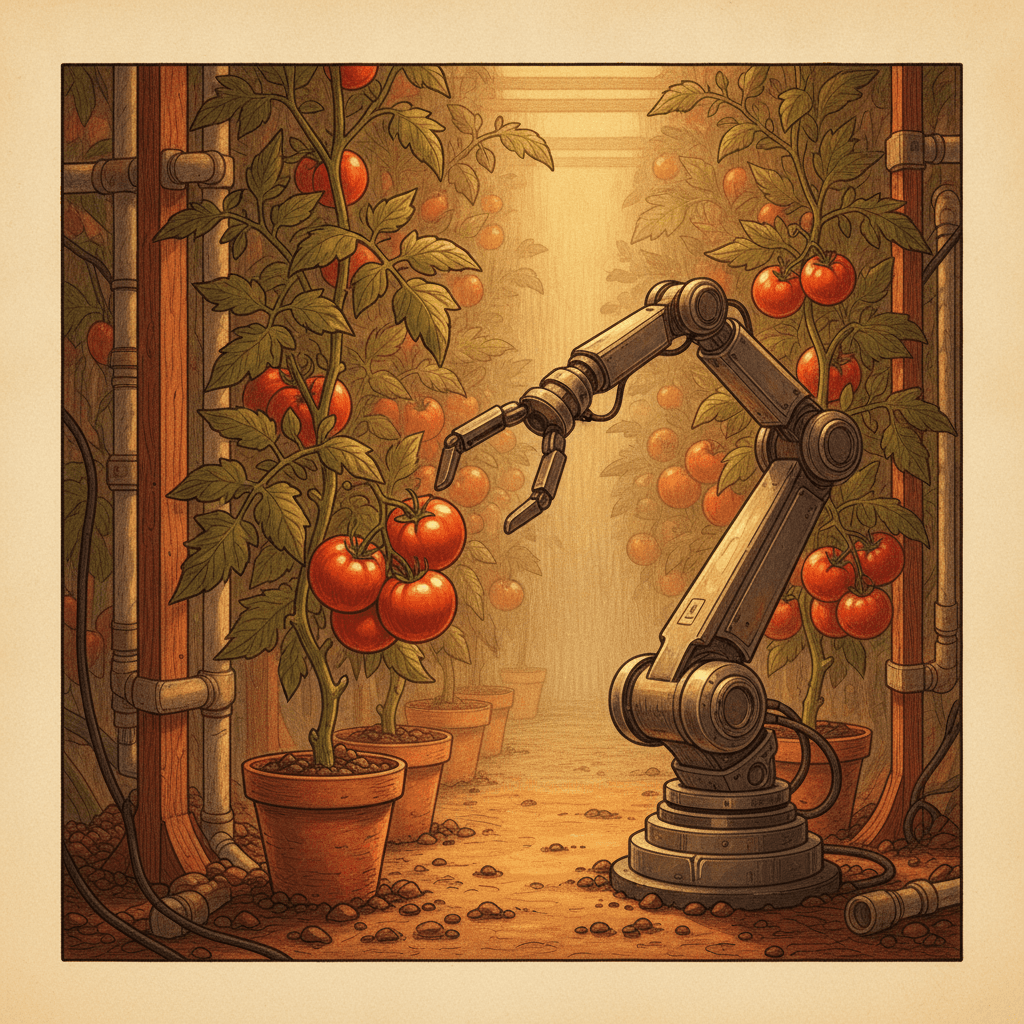
Your backyard tomatoes, your morning coffee beans, the wheat for your bread – they all rely on something you can't see: phosphorus. This vital nutrient acts like a plant's energy currency, fueling everything from root growth to fruit development. But getting enough of it into the soil, and keeping it there, is a massive challenge, often leading to wasted fertilizer that washes away and harms rivers.
What if we could give plants a slow-release nutrient "snack pack" instead of a quick, wasteful meal? This isn't science fiction anymore. Researchers at the University of Idaho have crafted a new kind of fertilizer that does exactly that, potentially changing how we grow food. Their work, detailed in a recent preprint on bioRxiv, shows a clever way to blend natural materials to deliver phosphorus exactly when and where plants need it.
Your Plants Could Get a Smart, Slow-Drip Meal
This new approach combines three things: biochar, layered double hydroxides (LDH), and phosphate. Think of biochar as a microscopic sponge, made from burning plant waste like Douglas fir wood in a low-oxygen environment, similar to how charcoal is made. It's incredibly porous, full of tiny tunnels and chambers. Then you have layered double hydroxides, or LDHs. These are like tiny, layered mineral sheets, stacked up like a deck of cards, that are really good at holding onto specific molecules, like phosphorus.
The team, led by Dr. Greg Möller, essentially built these tiny LDH "shelves" directly onto the biochar "sponges" using a process called co-precipitation. This creates a special composite material, a P-Mg/Fe-LDH biochar, that's then loaded with phosphate. It's like building a miniature pantry inside a sponge, specifically designed to store and then slowly release the essential phosphorus. Instead of a sudden flood of nutrients that much of the plant can't absorb, it's a steady trickle, like an IV drip for your plants. This smart delivery means the soil stays healthier, and less precious fertilizer runs off into waterways. Did you know that fertilizer runoff is a major contributor to "dead zones" in oceans and lakes, where excess nutrients cause algae blooms that suffocate marine life?

Growing More Food With Less Environmental Harm
The reason this matters so much is that traditional fertilizers are often too eager. They dump a lot of nutrients into the soil all at once. Plants can only absorb so much at a time, and the rest often washes away with rain or irrigation. This waste isn't just bad for the farmer's wallet; it's a huge problem for the environment. These excess nutrients cause things like algal blooms in lakes and rivers, making them toxic for fish and other aquatic life.
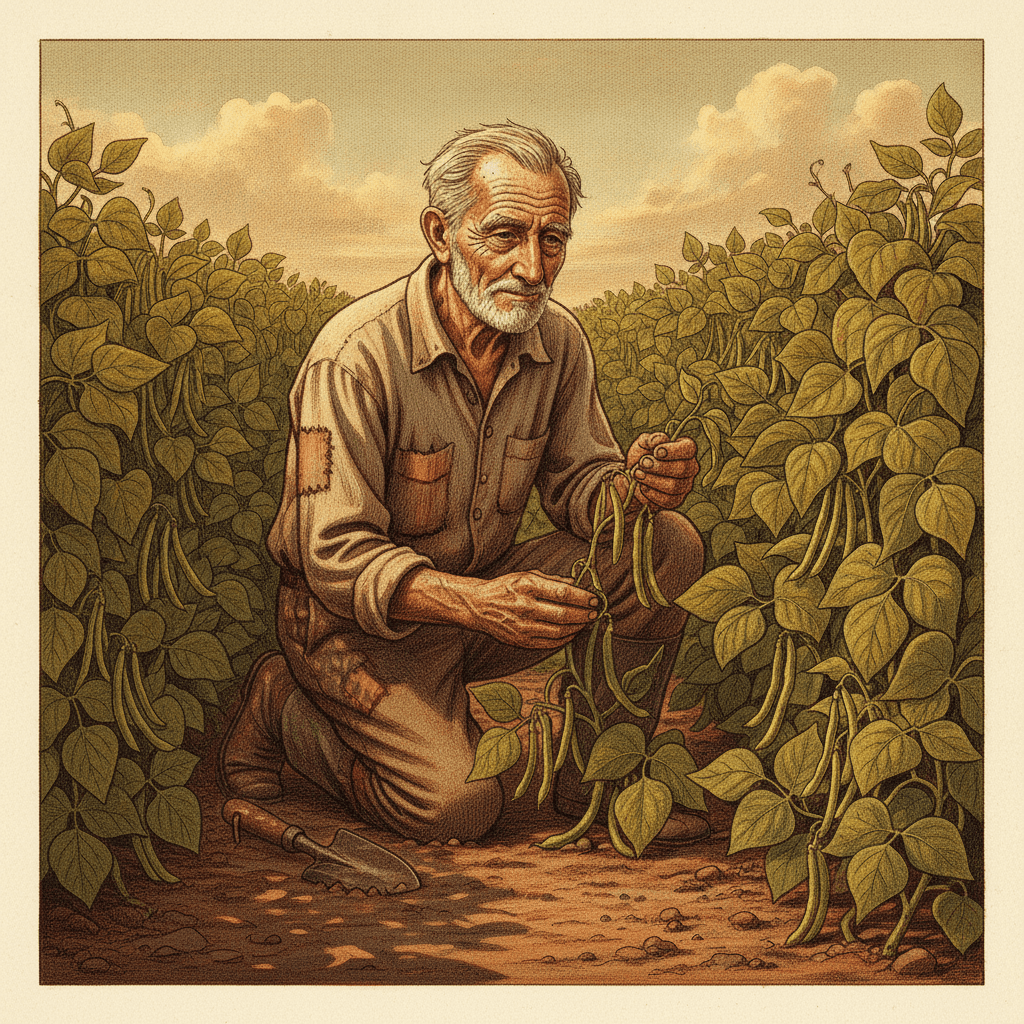
The researchers tested their special biochar fertilizer on bush beans, a common crop. What they found was genuinely surprising: the beans grown with the P-Mg/Fe-LDH biochar showed significantly improved growth metrics. We're talking about a yield increase (31.7 grams fresh weight of beans), more biomass (6.3 grams dry plant weight), and taller plants (32.8 cm). Even better, the plants took up phosphorus more efficiently, meaning they got more from less. This suggests that this clever material can enhance the plant's nutrient uptake, making it a powerful tool for sustainable farming practices.
The Path to Widespread Adoption
Now, what does it take for something like this to go from the lab to your local farm? The skeptics would ask about cost and scalability. Producing this specialized biochar in large quantities needs efficient manufacturing processes. However, since biochar itself often comes from agricultural waste, there's potential for a circular economy, where trash from one part of farming becomes a valuable input for another. This innovation aligns perfectly with efforts to improve how soil bacteria fix nitrogen, highlighting a broader shift towards smarter soil management.
If this technology becomes widely adopted, you could see farms needing fewer chemical fertilizers overall. That means less money spent by farmers, less environmental damage from runoff, and potentially healthier food because plants are getting their nutrients in a more balanced way. This isn't a silver bullet, but it's a significant step toward making agriculture more sustainable and productive, helping secure our food supply without costing the Earth. It's a testament to how simple material science can make a huge impact on something as fundamental as growing our food, and it’s a great example of how a simple trick finds sickness faster in other domains.
What This Means for Your Dinner Table
Ultimately, this research points to a future where food production is smarter and gentler on our planet. Imagine lush fields, thriving crops, and cleaner rivers, all thanks to a tiny, intelligent "snack pack" for plants. This technology could help us meet the increasing global demand for food while minimizing our ecological footprint. It's about getting more from less, and doing it in a way that truly benefits everyone.
Key Takeaways
- A new biochar-based fertilizer slowly releases phosphorus, providing plants with consistent nutrition.
- Bush beans grown with this fertilizer showed significant increases in yield, biomass, and plant height.
- This approach promises more sustainable farming by reducing fertilizer waste and environmental runoff.
Frequently Asked Questions
What is P-Mg/Fe-LDH biochar? It's a specialized fertilizer material made by growing tiny mineral layers (layered double hydroxides) onto porous charcoal (biochar), which then holds and slowly releases phosphorus to plants.
How does this new fertilizer help plants grow? It provides nutrients in a controlled, slow-release manner, ensuring plants absorb phosphorus more efficiently over time, leading to healthier growth, higher yields, and less wasted fertilizer.
Why is controlled-release fertilizer better for the environment? It reduces the amount of excess fertilizer that washes into rivers and lakes, preventing water pollution and harm to aquatic ecosystems often caused by traditional, fast-releasing fertilizers.
Editorial note: The scientific findings presented in this article are sourced exclusively from published research papers, peer-reviewed studies, certified inventions, and registered patent filings. Images generated by AI.
Stay ahead of the curve
The science that shapes tomorrow — in your inbox every week
The scientific findings presented in our articles are sourced from published research papers, peer-reviewed studies, certified inventions, and registered patent filings. Subscribe for focused weekly coverage, hands-on explainers, and practical insights that help you stay curious — no jargon, no noise.
By subscribing, you agree to receive newsletter and marketing emails, and accept our Terms of Use and Privacy Policy. You can unsubscribe anytime.
Vertical Farming, Lab-Grown Food & Precision Fermentation
Food tech journalist tracing the future of how humanity will grow, manufacture, and eat its food.
View full profile →