How Your Rice Stays Safe From Fading Yields
The plant sickness known as blast threatens nearly a third of the world's rice harvest, a staple food for billions. Learn how scientists are finally cracking the code on this stubborn enemy, promising more food security for everyone.
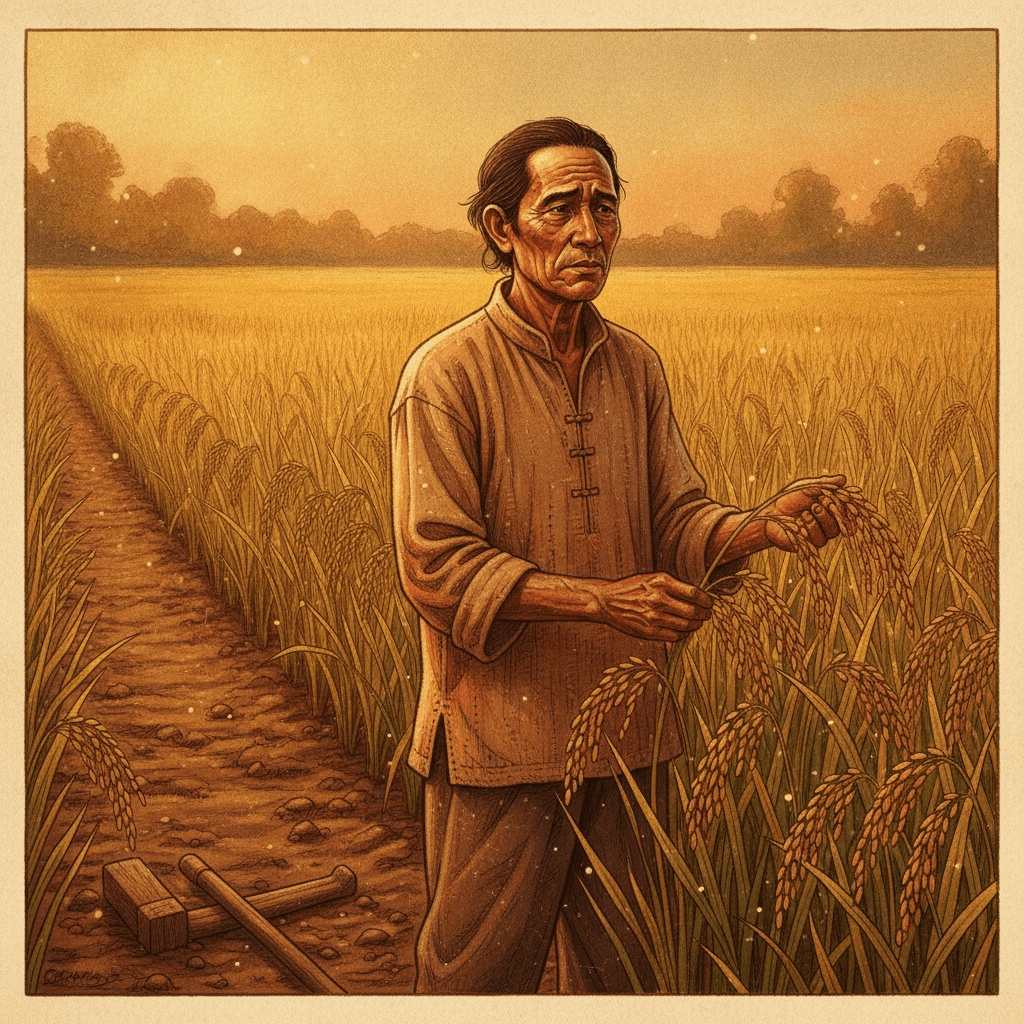
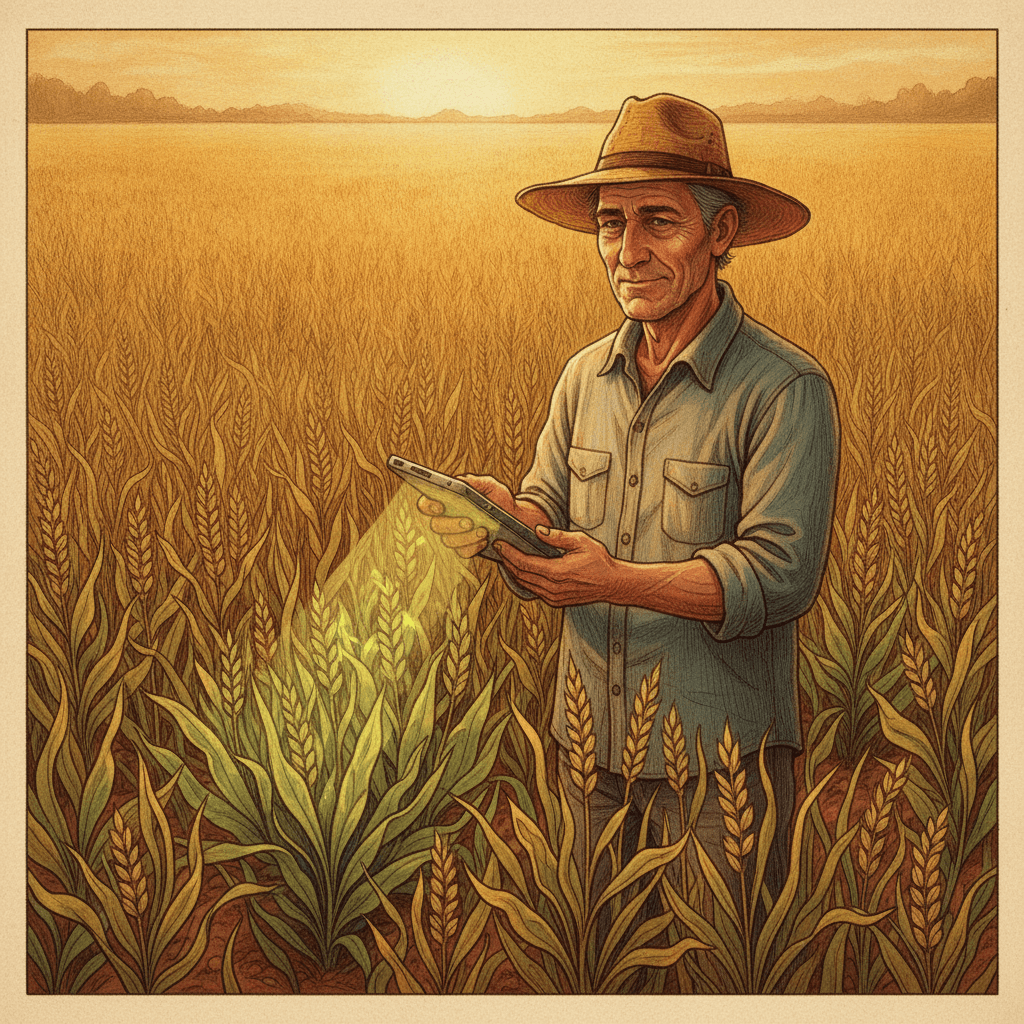
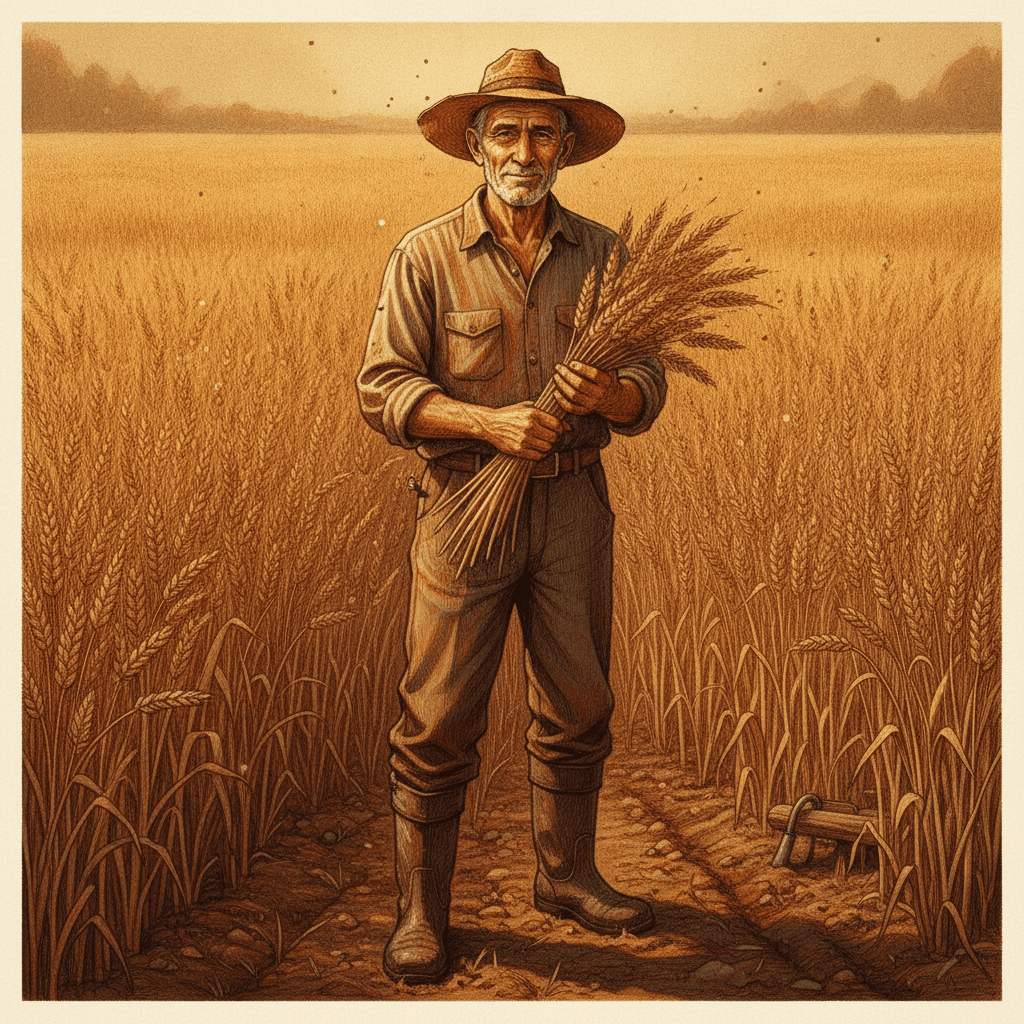
Did you know a single type of fungus can wipe out enough rice to feed 60 million people in a single year? It’s true. The disease, called rice blast, caused by a fungus named Magnaporthe oryzae, is a persistent threat to global food supplies, especially in places where rice is the primary source of nutrition. This isn't some rare occurrence; it’s an ongoing battle that farmers fight every season, losing somewhere between 10% and 30% of their harvest annually.
For years, we've known this fungus is a tricky opponent because it’s not just one thing; it’s a whole family of related fungi, each adapting to specific host plants. Imagine a family of master lock-pickers, where each member specializes in opening a different brand of safe. These fungal relatives, while similar, have developed unique ways to attack specific crops, making a single solution impossible. The scary part? This fungus can jump hosts, like when wheat blast suddenly appeared, showing it could learn new tricks and infect new plants.
Why Some Fungi Stick to One Plant (Mostly)
Scientists have been trying to figure out how these fungi specialize so intensely and, crucially, why they occasionally jump to new plants. It’s like trying to understand a super-adaptable criminal network. Recent work from institutions across Europe, highlighted in Europe PMC research, offers some big clues. They've found that this host specialization—the fungal family's knack for sticking to specific plants—comes down to a three-part system they call "Constrained Plasticity."
First, there’s the genomic scaffolding, which is basically the fungus's DNA instruction manual, complete with little notes that tell genes when to turn on or off, like tiny sticky flags on important pages. This blueprint determines the basic rules of what a fungus can do. Then, there are the regulatory networks, which are like the fungus's command center, allowing it to quickly adapt its attack plan based on its environment, much like a general adjusting tactics in a battle. Finally, metabolic compatibility acts as the ultimate filter; if the fungus can't "eat" or live off the plant's chemistry, it won't survive, no matter how good its attack plan. This is like a lock-picker needing the right tools and knowing the safe's internal workings.
How We're Learning From Fungal "Host Shifts"
Understanding these three layers helps explain why some fungal relatives exclusively attack rice, while others target specific grasses, and why it's so rare for them to suddenly switch to a completely new crop, like wheat. When a "host shift" does occur, it means all three layers somehow align perfectly for the fungus to succeed, which is a rare, but devastating event. Think of it as a rare confluence of events where a safe-cracker manages to learn a completely new type of safe. This new "Constrained Plasticity" framework is not just academic; it gives us a roadmap.
By knowing the specific mechanisms that allow certain fungi to latch onto a host, we can start predicting when and where a new plant sickness might pop up. This knowledge is crucial for farmers and scientists to prepare. For example, if we understand what makes a particular rice-attacking fungus unable to infect corn, we can then look for what breaks down that barrier if a new corn blight emerges. This information can help develop new resistance strategies against these persistent pathogens, much like building a stronger lock once you understand the weaknesses of the old one. (/article/stem-cells-may-soon-fight-farm-sickness)
What This Means for Your Dinner Plate
The impact of this research is tangible: it’s about putting more rice on your plate and ensuring food security for billions. Around the globe, scientists are already working on genetically diverse rice strains that can better withstand blast. One promising avenue involves using this new framework to breed rice varieties with stronger natural defenses against specific fungal relatives, making it harder for them to gain a foothold. This approach is more sustainable than relying solely on chemical sprays, which can have environmental drawbacks and often lead to fungi developing resistance over time.
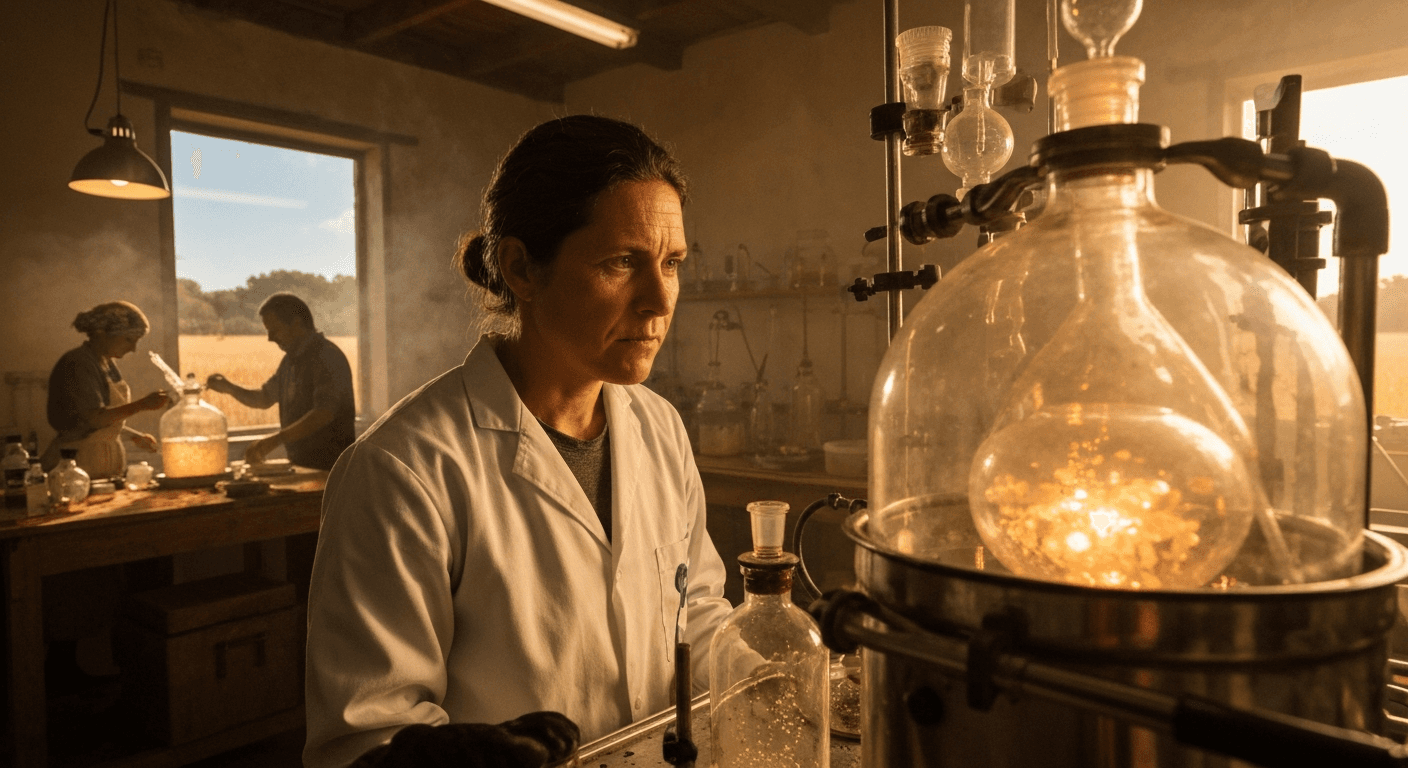
For instance, researchers at the International Rice Research Institute (IRRI) are using genomic data to identify genes that confer resistance to different Magnaporthe oryzae lineages. This framework directly informs their work, allowing them to target specific vulnerabilities in the fungal attack strategy. It’s a bit like a detective using a detailed understanding of a criminal's MO to predict their next move and set up better defenses. We might see new, highly resistant rice varieties in widespread use within the next 5-10 years, especially in regions most affected by blast. (/article/why-your-rice-is-changing-for-the-better) Ultimately, a deeper understanding of these fungal attackers helps us protect our food sources, ensuring that the staples you rely on remain plentiful and affordable. This quiet progress in understanding tiny plant enemies makes a real difference to your daily life. (/article/your-crops-will-soon-learn-from-everything)
Key Takeaways
- A single fungus, Magnaporthe oryzae, causes rice blast and threatens global food security by destroying up to 30% of harvests.
- The "Constrained Plasticity" framework explains how the fungus specializes in specific plants through its genes, regulatory responses, and compatibility with plant metabolism.
- This understanding helps predict future plant disease outbreaks and informs the development of new, stronger crop resistance strategies.
Frequently Asked Questions
What is rice blast? Rice blast is a serious plant disease caused by the fungus Magnaporthe oryzae, which can devastate rice crops worldwide, leading to significant food losses and affecting global food security.
How does the fungus specialize in certain plants? The fungus uses a "Constrained Plasticity" framework, involving its genetic makeup (genomic scaffolding), adaptable survival plans (regulatory networks), and the ability to consume plant nutrients (metabolic compatibility).
Why do scientists care about "host shifts"? Understanding how the fungus occasionally jumps from one plant to another, like from rice to wheat, helps scientists predict future disease outbreaks and develop new strategies to protect different crops.
Editorial note: The scientific findings presented in this article are sourced exclusively from published research papers, peer-reviewed studies, certified inventions, and registered patent filings. Images generated by AI.
Stay ahead of the curve
The science that shapes tomorrow — in your inbox every week
The scientific findings presented in our articles are sourced from published research papers, peer-reviewed studies, certified inventions, and registered patent filings. Subscribe for focused weekly coverage, hands-on explainers, and practical insights that help you stay curious — no jargon, no noise.
By subscribing, you agree to receive newsletter and marketing emails, and accept our Terms of Use and Privacy Policy. You can unsubscribe anytime.
Food Security, Biofortification & Agriculture in the Global South
Development journalist covering the agricultural innovations that can feed a warmer, more crowded world — particularly in Africa and South Asia.
View full profile →