Your Beans Can Finally Fight Their Own Sickness
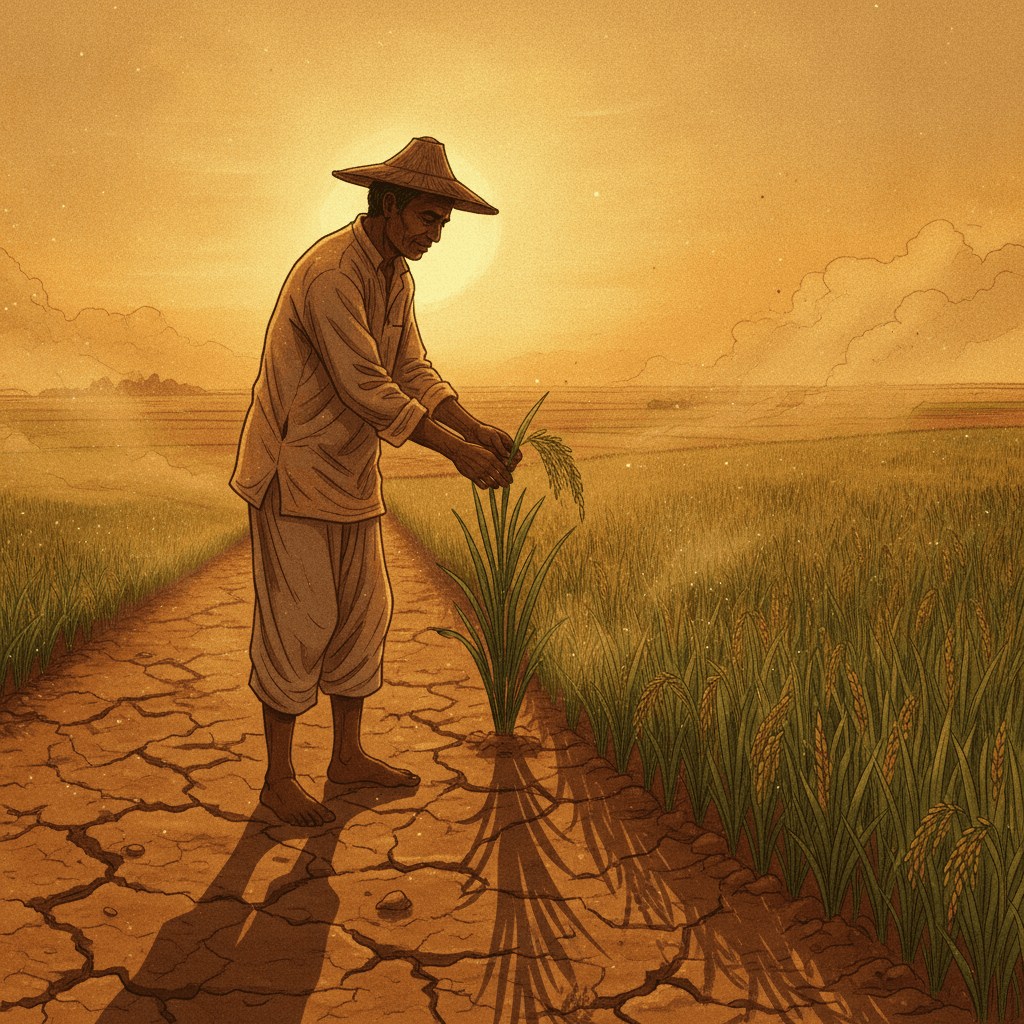
Imagine a silent enemy wiping out entire fields of your favorite beans, forcing farmers to abandon their crops. We’ve discovered a simple, natural solution hidden in nature that could protect future harvests and ensure your dinner plate stays full.
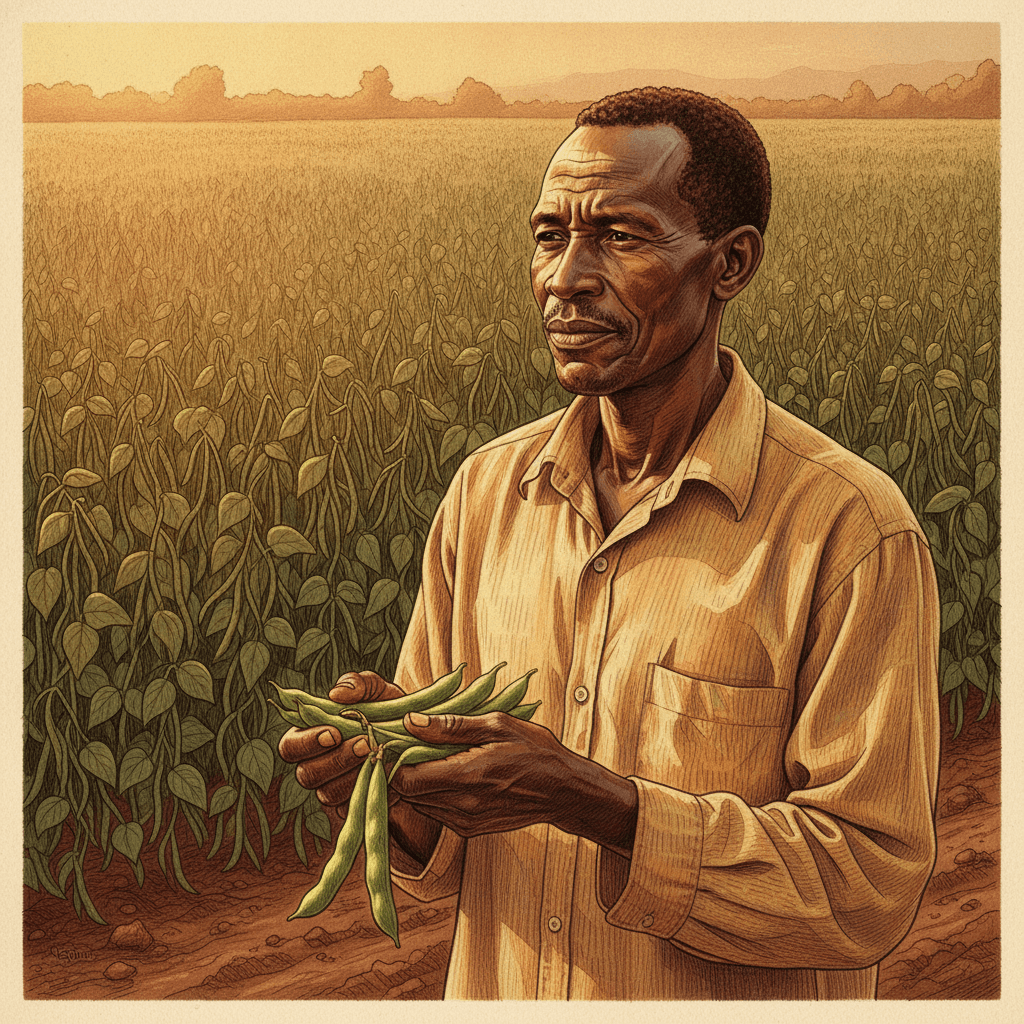
Have you ever seen a garden plant suddenly wilt and die for no obvious reason? It’s a heartbreaking sight, especially if it’s a plant you depend on for food. For farmers, this isn't just a nuisance; it's a disaster. One particular culprit, a sneaky fungus called Fusarium oxysporum, acts like a microscopic assassin, clogging up a plant's water pipes (its xylem, which are like tiny straws that pull water from the roots to the leaves), causing it to shrivel and die.
This fungal killer has been so devastating, especially to popular climbing bean varieties like "Umubano" (G2333) in Rwanda, that growers have simply given up on them. Current solutions often involve harsh chemicals or sacrificing entire fields, which isn't sustainable for our planet or for the people who rely on these crops. But what if we didn't have to fight this fungus with chemicals or abandon fields? What if the plants themselves had a secret weapon?
The Hidden Shield Inside Your Favorite Bean
It turns out, some bean plants are already armed. Researchers recently found that resistance to this wilting disease isn't some complex biological fluke. Instead, it’s controlled by a single, powerful dominant gene, almost like a "master switch" that tells the plant how to fight back. This discovery, published in the African Journal of Agricultural Research, found that certain bean varieties, like 'Vuninkingi' (G685) and 'Flora', naturally possess this protective shield.
Think of it like this: most plants are like a house with an unlocked front door, making it easy for the fungal intruder to walk right in and cause havoc. But these resistant bean varieties have a super-strong, self-locking door (that dominant gene) that the fungus simply can't get past. The F1 and F2 generations of bean plants, which are the first and second offspring from cross-breeding, showed predictable inheritance patterns, with about three-quarters of the plants inheriting the strong defense, according to chi-square analysis. This means you can reliably pass this trait down through generations of plants.
Giving Vulnerable Beans a Natural Defense
The good news is, if a plant has this dominant gene, it's highly resistant. This isn't like building a complex new machine; it's more like copying a recipe. Scientists can use a breeding technique called backcrossing to introduce this protective gene into vulnerable bean types without losing their desirable traits, like taste or yield. You simply cross a susceptible bean with a resistant one, then cross the offspring back to the susceptible parent, selecting for the resistance each time. It's a natural way to bolster a plant's defenses, similar to how your body's defenders get fooled by sickness sometimes, but here we’re boosting the defense.
This approach is particularly exciting because it avoids genetically modifying the plants in a lab. Instead, it leverages what nature already does best: evolution and adaptation. It’s a process that respects the natural genetic makeup of the plants while providing a much-needed defense against a persistent enemy. This is crucial for global food security, especially in regions heavily reliant on these crops.
What This Means for Your Dinner Plate
The impact of this research is enormous. While it’s not an overnight fix—developing new resistant varieties and getting them to farmers takes years of careful cultivation and testing—the path forward is clear. We’re likely looking at a 5-10 year timeline before these newly fortified beans are widely available in fields. Eventually, farmers will have access to bean seeds that naturally resist this specific wilt, reducing reliance on fungicides and safeguarding harvests.
This means more stable food supplies, potentially lower costs for consumers as crop losses decrease, and a healthier environment. You might not see a direct label on your bag of beans saying "now resistant to Fusarium wilt," but you'll experience the benefits through a more reliable, sustainable source of this humble, yet essential, food. It's a reminder that sometimes, the simplest solutions are the most powerful, quietly protecting our food systems one bean at a time. The discovery of such hidden molecules that rewind your cells often lies within nature itself.
The Future of Resilient Farming
This research offers a clear strategy for breeders: target this specific gene, and you can create varieties that stand strong against Fusarium. It’s a proactive step in building more resilient agricultural systems worldwide. By understanding these genetic blueprints, we can help nature help itself, ensuring that essential crops like beans continue to nourish communities for generations to come. This approach helps reduce the vulnerability that comes from having many plants that are genetically too similar, which is a big deal if you consider how your farm fields are secretly poisoning the air through current practices.
Key Takeaways
- Resistance to Fusarium wilt in beans is controlled by a single, powerful dominant gene, making it easier to breed for.
- Farmers can use backcrossing to naturally introduce this protective gene into vulnerable bean varieties, reducing crop loss.
- This discovery promises more resilient food systems and could lead to more stable bean harvests within 5-10 years.
Frequently Asked Questions
What is Fusarium wilt? Fusarium wilt is a destructive plant disease caused by a fungus that clogs the plant's water transport system, making it wilt and die. It's a major problem for many crops, including beans.
How do beans get resistance to this disease? Researchers found that resistance to Fusarium wilt in beans is controlled by a single dominant gene. Some bean varieties naturally possess this gene, acting like a shield against the fungus.
Can all beans become resistant? Yes, potentially. Using traditional breeding methods like backcrossing, this dominant resistance gene can be introduced from naturally resistant varieties into susceptible ones, creating new resistant types.
Why is this discovery important for agriculture? It provides a natural, sustainable way to protect bean crops from a devastating disease without relying on chemical treatments. This helps ensure food security and supports healthier farming practices globally.
Editorial note: The scientific findings presented in this article are sourced exclusively from published research papers, peer-reviewed studies, certified inventions, and registered patent filings. Images generated by AI.
Stay ahead of the curve
The science that shapes tomorrow — in your inbox every week
The scientific findings presented in our articles are sourced from published research papers, peer-reviewed studies, certified inventions, and registered patent filings. Subscribe for focused weekly coverage, hands-on explainers, and practical insights that help you stay curious — no jargon, no noise.
By subscribing, you agree to receive newsletter and marketing emails, and accept our Terms of Use and Privacy Policy. You can unsubscribe anytime.
Food Security, Biofortification & Agriculture in the Global South
Development journalist covering the agricultural innovations that can feed a warmer, more crowded world — particularly in Africa and South Asia.
View full profile →