The Secret Shield Against Hidden Sickness
Did you know some viruses quietly change their outer coat to hide from your body's defenses, making vaccines less effective? Scientists are now cracking this secret code, promising a powerful new way to protect you from common infections.

Some viruses are tricky, like a chameleon changing its skin to blend into the background, making it harder for your body to spot and fight them. This is especially true for human cytomegalovirus (HCMV), a widespread virus that can be particularly dangerous for babies before they are born or for people with weakened immune systems. HCMV, for instance, can cause long-term health problems like hearing loss in infants, affecting about 1 in 200 babies born in the United States, according to the CDC.
For years, scientists have been trying to create a shield, a vaccine, against HCMV, but it's been a tough puzzle. One of the main challenges is a specific part of the virus called the "pentamer," a cluster of five proteins on its surface, much like a specific set of keys on a keychain. This pentamer is a prime target for vaccines because it's what the virus uses to sneak into your cells. The antibodies your body makes against this pentamer are incredibly powerful, hundreds of times stronger than those targeting other parts of the virus, and they're especially good at stopping the virus from passing from pregnant women to their unborn children.
Why Glycans Are the Virus's Master Disguise
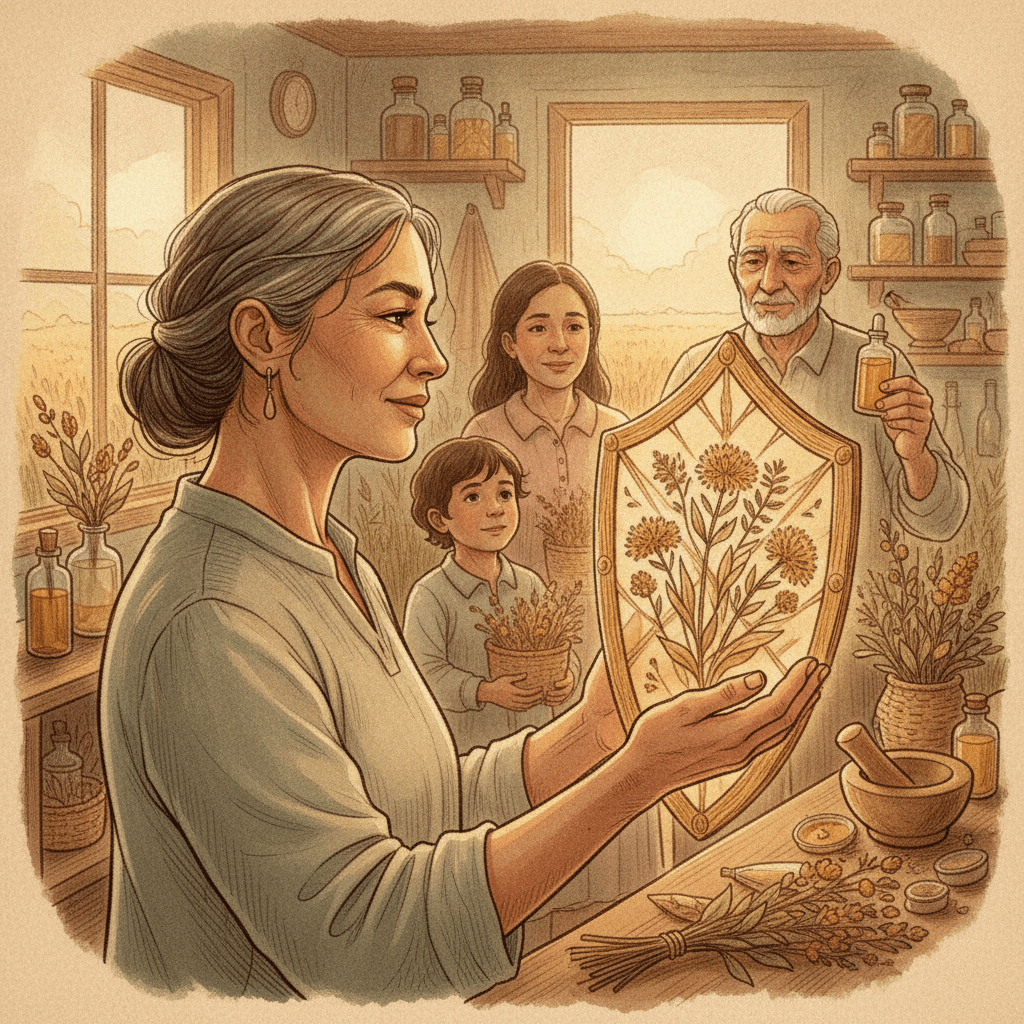
The pentamer's strength as a vaccine target is often undermined by something called "glycosylation." Think of glycosylation as the virus's way of decorating its surface with sugar chains, like adding beads and ribbons to a coat. These sugar decorations, called glycans, act as a disguise, making it harder for your immune system, which is like a security guard, to recognize the virus's true identity. The virus uses these glycans to shield its vulnerable parts, similar to how knights wore armor to protect themselves in battle.
Recent work, detailed in a study in the journal Science Advances, is finally peeling back this sugary disguise. Researchers, including Dr. Sara Mainardi from the University of Siena, used a sophisticated technique called high-resolution mass spectrometry – essentially a super-sensitive scale that can weigh tiny molecules – to map every single sugar decoration on the pentamer. They found that certain parts of the pentamer were covered with "underprocessed oligomannose-type glycans." This means these sugar chains weren't fully finished, almost like a partially painted camouflage pattern, suggesting that the virus's own structure physically blocked the cellular machinery that adds these sugar decorations. It's a surprising fact that a virus's own shape can dictate its camouflage.
Mapping the Glycan Shield for Better Protection
This detailed map of the glycan shield is a huge step forward. Knowing exactly where these sugar disguises are located helps scientists understand how the virus evades our defenses. It's like knowing the exact spots on a chameleon where its skin changes color; now we can predict and counter its camouflage. The research also showed that the way the virus is decorated with these sugar patterns actually changes how effective the antibodies are that your body produces. If the virus has a particular pattern of glycans, the antibodies might not recognize it as well.
The team compared pentamer proteins grown in different cell systems, which is like growing the same plant in different soils, and observed how these changes in "soil" affected the sugar decorations. They then tested how these differently decorated pentamers affected the immune response in mice. The results confirmed that altering the glycan pattern significantly impacts the body's ability to produce neutralizing antibodies, the specific warriors that stop the virus from infecting cells. This insight is incredibly valuable for developing real materials for future vaccines.
The Path to a Smarter Vaccine for Everyone
This discovery means we can now design vaccines that specifically target the parts of the pentamer not covered by these sugar disguises. Imagine creating a vaccine that shows your immune system the virus without its coat, allowing your body to mount a much stronger and more focused defense. This targeted approach could lead to significantly more potent vaccines, especially for vulnerable populations who need the strongest possible protection. It could also improve existing vaccine candidates against HCMV, which are currently undergoing clinical trials.
What does this mean for you? While a new HCMV vaccine based on these findings is still likely several years away – perhaps 5-10 years for full development and approval – this foundational understanding could eventually protect countless newborns and immunocompromised individuals. This is a crucial step towards a smarter vaccine that teaches your body to target sickness more effectively, offering a hidden shield against a common, often silent, threat.
The Impact on Future Vaccines
- Targeted Design: Vaccines can be engineered to expose the virus's vulnerable points that are usually hidden by sugar chains.
- Stronger Immunity: Your body could produce more effective antibodies, leading to better protection against HCMV.
- Broader Application: The approach could be used for other viruses that use similar sugar disguises to evade the immune system.
Key Takeaways
- Viruses use sugar chains (glycans) as a disguise to hide from the body's immune system, making vaccine development harder.
- Scientists have created a detailed map of these sugar disguises on a key viral protein, revealing hidden weaknesses.
- This new understanding will help design more effective vaccines by exposing the virus's vulnerable parts, particularly for HCMV.
Frequently Asked Questions
What is glycosylation? Glycosylation is like a virus decorating its surface with sugar chains, making it harder for your immune system to recognize and attack it. It's a natural process that viruses use for camouflage.
Why is understanding glycans important for vaccines? By mapping these sugar disguises, scientists can design vaccines that target the virus's vulnerable spots that aren't hidden. This helps your body create stronger, more specific antibodies for better protection.
How soon will this lead to a new vaccine? Developing a new vaccine based on these findings will take time, likely 5-10 years. This research is a vital step, but further testing and clinical trials are needed before it reaches the public.
Editorial note: The scientific findings presented in this article are sourced exclusively from published research papers, peer-reviewed studies, certified inventions, and registered patent filings. Images generated by AI.
Stay ahead of the curve
The science that shapes tomorrow — in your inbox every week
The scientific findings presented in our articles are sourced from published research papers, peer-reviewed studies, certified inventions, and registered patent filings. Subscribe for focused weekly coverage, hands-on explainers, and practical insights that help you stay curious — no jargon, no noise.
By subscribing, you agree to receive newsletter and marketing emails, and accept our Terms of Use and Privacy Policy. You can unsubscribe anytime.
Health, Mental Health & Neuroscience
European health correspondent exploring the science of the human brain and behaviour.
View full profile →