How Tiny Life Will Clean Our Water
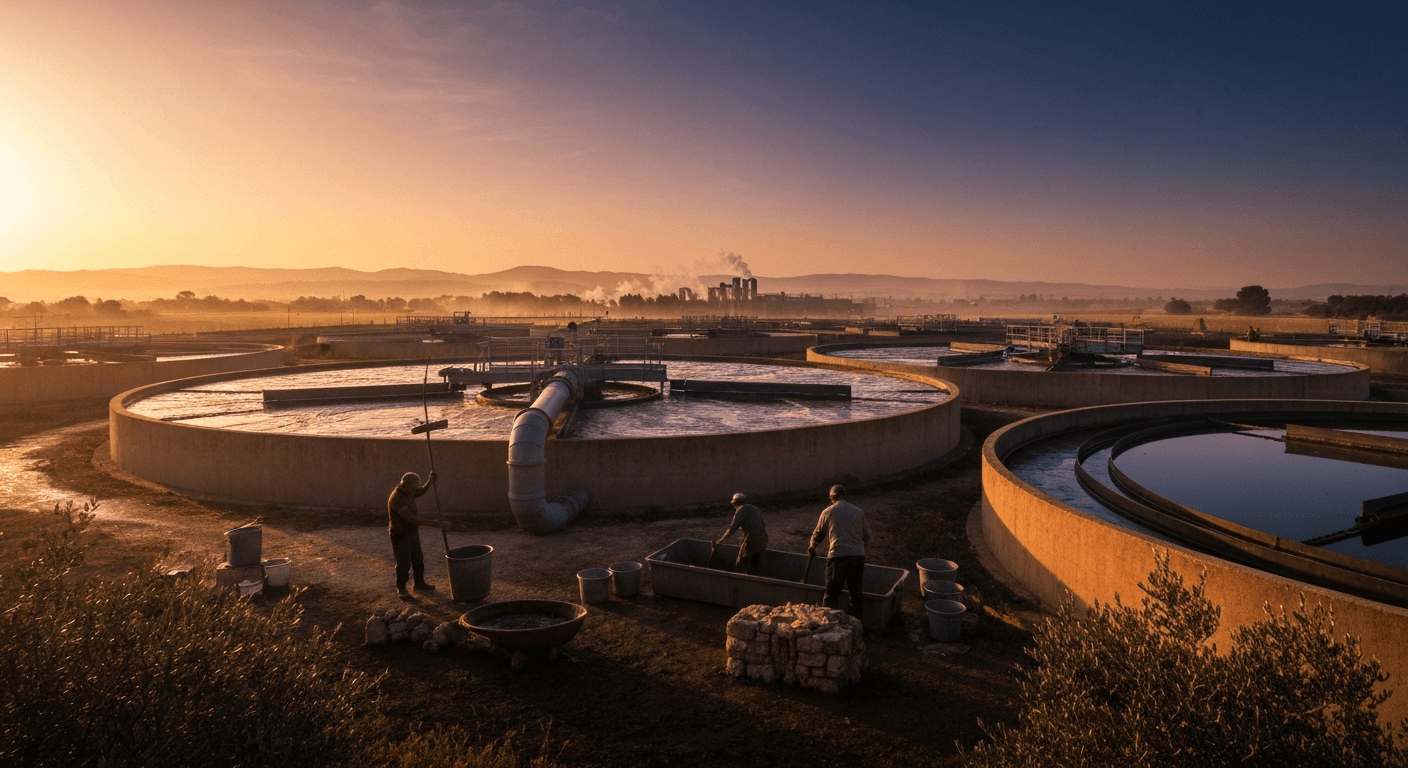
The water you drink and use every day could soon be much cleaner, thanks to microscopic helpers. Scientists are now using smart systems to predict and improve how these tiny organisms purify our wastewater.
What if the messy, murky water flowing from our homes and factories could be made sparkling clean not by harsh chemicals, but by an army of invisible workers? This isn't just a hopeful dream; it’s a future scientists are making real right now. Imagine wastewater treatment plants running with such precision that every drop leaving them is safe for the environment, all powered by tiny organisms you can't even see.
This isn't science fiction. Researchers are actively applying a mix of microbial biotechnology and advanced computing to vastly improve how we clean water. A recent study, published in OpenAlex, involved analyzing 5,000 real-world samples with 25 different biological and chemical factors, like how much oxygen is dissolved or the levels of certain nutrients. Dr. Yanan Sun and his colleagues are leading this work, showing that we can harness nature's smallest engineers with incredible accuracy.
Microbes as Master Cleaners, Guided by Smart Tech
So, how does it work? Think of it like this: your body has a fleet of tiny cells, your immune system, constantly fighting off invaders and keeping you healthy. These tiny particles training your immune system are specialized for their jobs. Similarly, in wastewater, there are specific microorganisms, like bacteria and fungi, that naturally "eat" pollutants. These microbes are like a highly specialized cleanup crew, each type skilled at breaking down different kinds of waste.
For decades, we've used these microbial teams in wastewater treatment, but it's often been a bit like managing a restaurant with a blindfold on. You know the food is getting cooked, but you can't see exactly which chef is doing what, or how efficiently. Now, by combining this biological power with machine learning, specifically a 1D Convolutional Neural Network (1D-CNN), we're getting a precise playbook for these microbes. This advanced computing model acts like a super-smart manager, observing and predicting how different microbial teams will perform under various conditions.
The 1D-CNN is particularly good at spotting subtle patterns in the complex relationships between microbial activity and water quality, much like how a doctor uses patterns in your symptoms to figure out what's going on. This sophisticated system was able to predict water quality status—whether it was good, moderate, or poor—with about 90% accuracy. That's like having a crystal ball for your water treatment plant, allowing engineers to adjust conditions in real-time, making the microbial teams work smarter and faster.
The Unexpected Benefits of Smarter Water Treatment
One surprising fact: traditional wastewater treatment often produces sludge, a byproduct that still needs careful disposal, sometimes becoming a pollutant itself. But by optimizing microbial activity with these new AI tools, we can potentially reduce the amount of sludge produced, making the entire process cleaner from start to finish. It’s like a cleaner kitchen after a master chef has cooked, with less waste all around. This approach also requires less chemical input, saving money and reducing environmental impact.
This isn't just about cleaner rivers; it's about a ripple effect across our world. If we can purify water more efficiently and sustainably, it frees up freshwater resources for drinking and agriculture, especially in regions facing water scarcity. You might even see your dinner plate will quietly change soon as more clean water supports innovative food production. It also significantly reduces the energy needed for treatment, helping us move towards a greener future overall. Think about the impact on ocean energy can finally clean the air if we pair these advanced solutions together.
Skeptics might point to the complexity of integrating such advanced AI into existing, often decades-old, infrastructure. It's true that installing new sensors and systems, and training staff, requires investment. However, the gains in efficiency, cost reduction, and environmental protection are so significant that the initial hurdles are well worth overcoming. This isn't just about tweaking an old system; it's about reimagining how we manage one of our most precious resources.
A Clearer Future for Our Planet
The impact goes far beyond just clean water. Imagine cities where water recycling is so effective that tap water is consistently pure, no matter how much demand there is. Imagine industries that can clean their own wastewater to such high standards that they contribute virtually no pollution to local ecosystems. This intelligent fusion of biology and AI is not just about making existing processes a bit better; it's about setting a new standard for environmental care.
This work really demonstrates how science, at its heart, is about seeing the extraordinary in the seemingly ordinary. The tiny, unseen world of microbes, guided by smart technology, holds the power to transform our planet's health, one drop of water at a time. The future of clean water is arriving, and it’s being built by organisms too small to see, managed by intelligence we’re only just beginning to unlock.
Key Takeaways
- Microbes can clean wastewater, and AI now helps them do it with 90% accuracy.
- This approach reduces chemical use and sludge, making water treatment greener.
- Smarter water purification benefits public health and conserves freshwater globally.
Frequently Asked Questions
What is microbial biotechnology in wastewater treatment? It's using tiny living organisms, like bacteria, to naturally break down pollutants in wastewater. These microbes act as biological cleaners, converting harmful substances into less toxic forms.
How does AI improve this process? Artificial intelligence, specifically machine learning models, analyzes complex data from microbial activity to predict water quality. This allows treatment plants to adjust conditions in real-time, optimizing the cleaning process for better results.
Why does this matter for environmental sustainability? This approach leads to cleaner water leaving treatment plants, reduced chemical use, and potentially less waste byproduct. It protects ecosystems, conserves freshwater, and lowers the energy footprint of water purification.
Editorial note: The scientific findings presented in this article are sourced exclusively from published research papers, peer-reviewed studies, certified inventions, and registered patent filings. Images generated by AI.
Stay ahead of the curve
The science that shapes tomorrow — in your inbox every week
The scientific findings presented in our articles are sourced from published research papers, peer-reviewed studies, certified inventions, and registered patent filings. Subscribe for focused weekly coverage, hands-on explainers, and practical insights that help you stay curious — no jargon, no noise.
By subscribing, you agree to receive newsletter and marketing emails, and accept our Terms of Use and Privacy Policy. You can unsubscribe anytime.
Food Security, Biofortification & Agriculture in the Global South
Development journalist covering the agricultural innovations that can feed a warmer, more crowded world — particularly in Africa and South Asia.
View full profile →