Your Vertical Garden Could Soon Power Itself
Imagine growing fresh food without soil, less water, and zero electricity bills. New research details an affordable, solar-powered vertical farm that makes off-grid food production a real possibility for homes and communities.
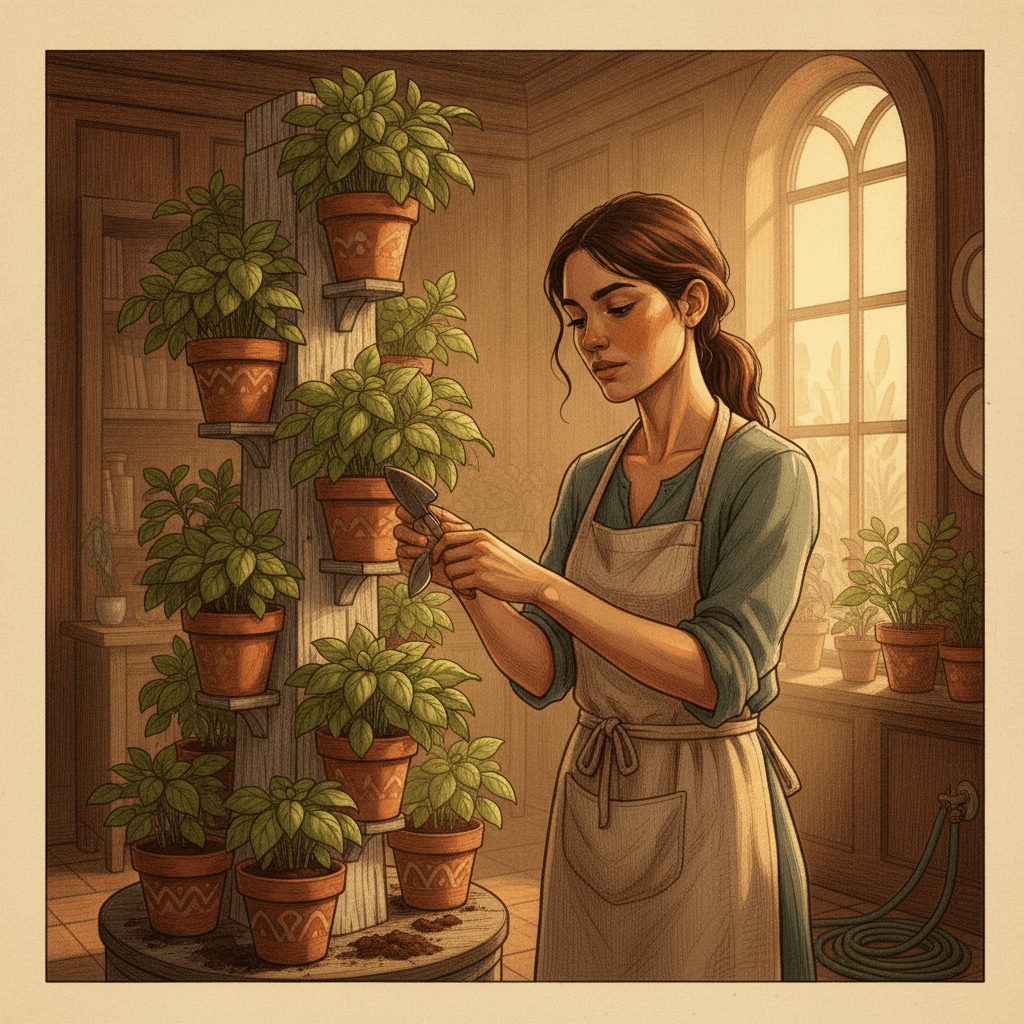
Your kitchen counter or balcony might one day host a mini-farm that feeds itself with sunlight. Right now, most advanced indoor growing systems, which ditch soil for nutrient-rich water or mist, guzzle electricity. This reliance means they're often expensive to run and out of reach for many, especially in places where power is unreliable or costly. But a new system, called TOTEM, changes that by running entirely on the sun.
This isn't science fiction anymore. A team at the University of Cambridge, led by Dr. George Prichard and Dr. Benjamin D. Taylor, has developed and tested an open-source, solar-powered vertical aeroponic system. Their detailed findings, published in the journal Sustainable Energy Technologies and Assessments in 2024, show how you can grow food like basil using only sunlight, with consistent results over two harvest cycles. It's a real, working prototype, not just a drawing.
How a Sun-Powered Farm Feeds Itself
The TOTEM system works by making plants think they're floating on a nutrient cloud, rather than rooted in dirt. It’s an aeroponic system, which means plant roots hang in the air and get misted with a fine spray of water mixed with nutrients, like giving them a constant, perfectly balanced vitamin shower. This method uses far less water than traditional farming and even less than hydroponics, where roots sit directly in water.
It's a bit like a chef who precisely measures out the exact nutrients each plant needs, delivering them directly to the roots. Instead of a grid-powered pump, TOTEM uses solar panels to capture energy from the sun, storing it in a battery to run small pumps and sensors. This makes the entire setup self-sufficient, much like how your home could soon heat itself using smart energy systems.
Why Going Off-Grid Matters for Growing Food
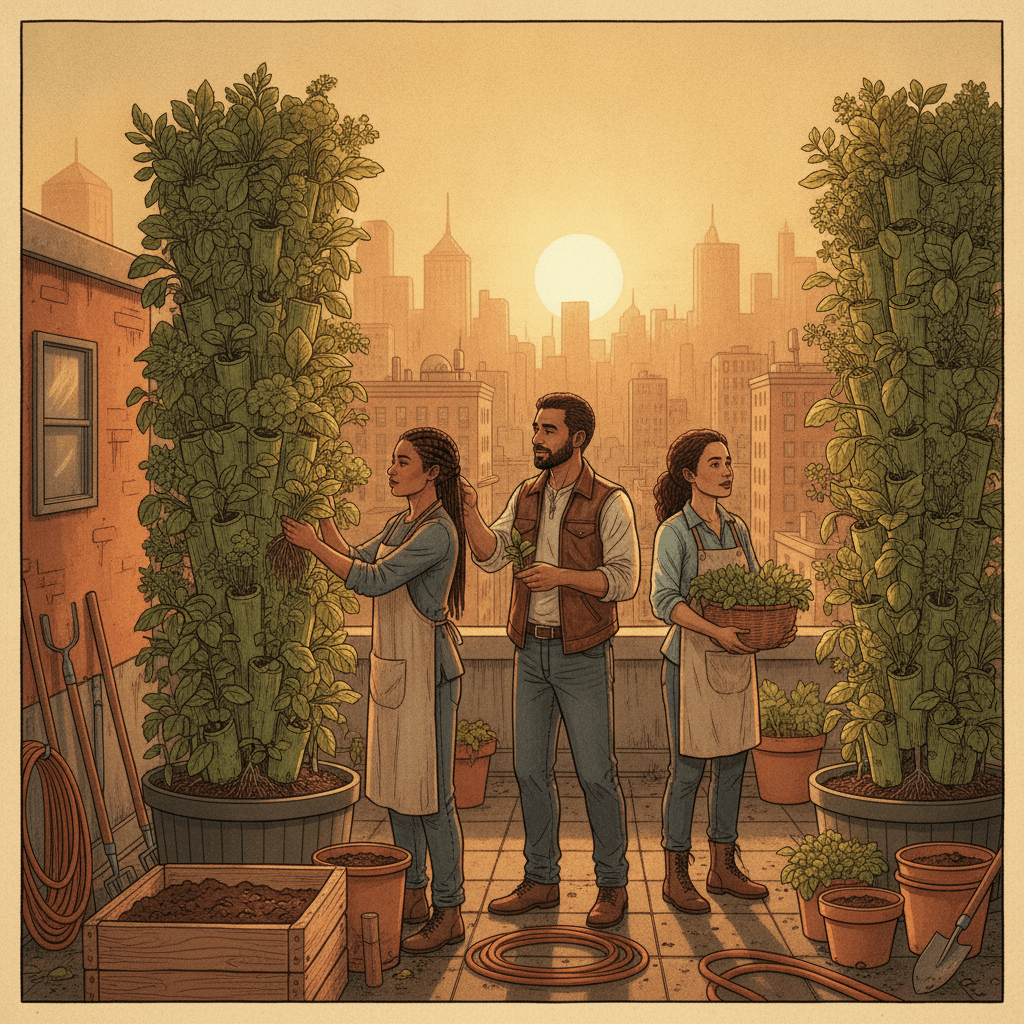
Most vertical farms need a lot of energy to power their lights, pumps, and climate control. This often ties them to a city's electrical grid, driving up costs and making them less resilient. But by ditching the grid, TOTEM makes advanced farming accessible in places without reliable electricity or where land for traditional farming is scarce. Imagine remote communities, urban rooftops, or even disaster zones being able to produce fresh food without needing power lines.
The design is also "open-source," meaning the plans are freely available for anyone to use, modify, or scale up. This approach encourages others to build, improve, and adapt the system for their specific needs, much like how communities share knowledge to improve how soil bacteria fix nitrogen. This focus on accessibility means fewer barriers to adoption.
Building a Greener Plate, One Leaf at a Time
The researchers built the prototype to grow up to 24 plants in a compact space, about the size of a small fridge (0.078 cubic meters). During their tests with basil, they confirmed the system consistently delivered nutrients and maintained steady operation using only solar power. This led to healthy plant growth and biomass production, proving its ability to sustain food yields.
This technology isn't just for basil, either; it can support various leafy greens and herbs. One surprising fact: aeroponic systems can use up to 90% less water than traditional soil farming because water is precisely recycled and delivered, minimizing waste. This drastically reduces the water footprint of food production.
What This Could Mean for Your Food and Community
If systems like TOTEM become widespread, you might see small, local farms sprouting up in unexpected places – unused urban plots, schoolyards, or even community centers. This could lead to hyper-local food production, cutting down on transportation costs and emissions. It could also offer fresh, nutritious produce to urban dwellers who currently rely on food shipped from far away, creating a more resilient and sustainable food supply.
This technology is still in its early stages for widespread adoption, probably 5-10 years from becoming a common sight in homes or communities. The next steps involve larger-scale testing, refining the design for different climates, and exploring automation for plant care. But the foundation is solid, pointing towards a future where growing your food, wherever you are, is simpler and greener than ever before.
Why Your Vertical Garden Could Soon Power Itself
- What is TOTEM? TOTEM is a low-cost, open-source, vertical aeroponic system designed to grow plants without soil, powered entirely by solar energy.
- How does TOTEM work? It uses solar panels to power pumps that mist plant roots with nutrient-rich water, controlled by a micro-controller, making it self-sufficient.
- Why does TOTEM matter? It enables efficient food production in resource-limited or off-grid areas, reduces water and energy use, and lowers the cost of advanced farming.
- When can I get one? While prototypes work now, widespread commercial availability for homes and communities is likely 5-10 years away as designs are scaled and refined.
Key Takeaways
- A new solar-powered vertical farming system named TOTEM offers an affordable, off-grid way to grow food using significantly less water and no grid electricity.
- This open-source technology, developed by researchers at the University of Cambridge, was successfully tested with basil, demonstrating stable plant growth and reliable solar operation.
- Widespread adoption of such systems could enable hyper-local, resilient food production in urban areas and communities lacking reliable power or arable land, potentially becoming common within a decade.
Frequently Asked Questions
What is aeroponic farming? Aeroponic farming grows plants by suspending their roots in the air and misting them with nutrient-rich water solutions instead of using soil or a water bath. How much water does it save? Aeroponic systems like TOTEM can reduce water usage by up to 90% compared to traditional soil-based agriculture because the water is precisely delivered and largely recycled. Can this system grow other foods? Yes, while basil was used for testing, the TOTEM system is capable of supporting various leafy greens, herbs, and other shallow-rooted plants.
Editorial note: The scientific findings presented in this article are sourced exclusively from published research papers, peer-reviewed studies, certified inventions, and registered patent filings. Images generated by AI.
Stay ahead of the curve
The science that shapes tomorrow — in your inbox every week
The scientific findings presented in our articles are sourced from published research papers, peer-reviewed studies, certified inventions, and registered patent filings. Subscribe for focused weekly coverage, hands-on explainers, and practical insights that help you stay curious — no jargon, no noise.
By subscribing, you agree to receive newsletter and marketing emails, and accept our Terms of Use and Privacy Policy. You can unsubscribe anytime.
Sustainable Food Systems, Mediterranean Agriculture & Food Waste Innovation
Italian food systems journalist writing about the science of producing food more sustainably — and wasting far less of it.
View full profile →