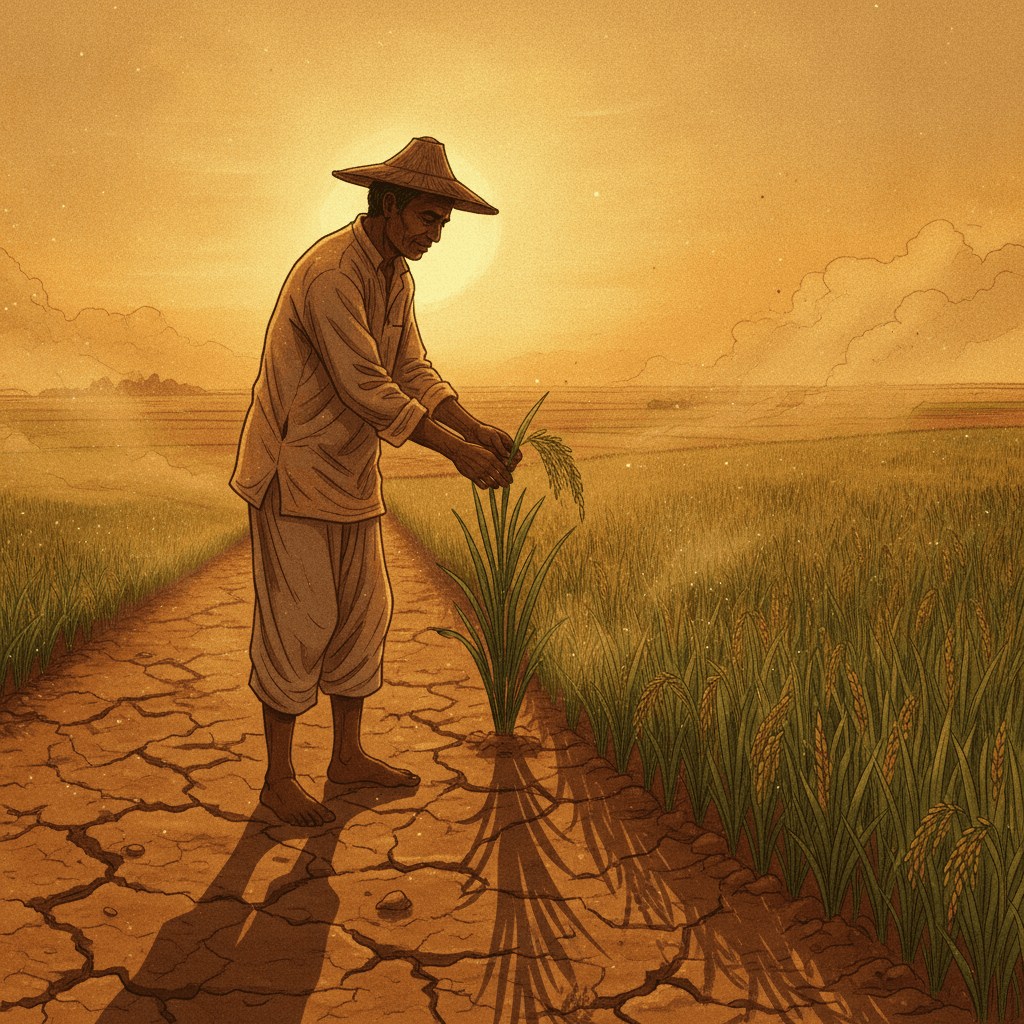
Why Some Farm Plants Never Get Sick
You know how some plants just seem to shrug off pests and disease? Scientists are discovering their secret: tiny microbes living inside them. This natural shield could mean healthier food and far less chemical spraying on your plate.

Have you ever noticed how some plants, even in harsh conditions, remain incredibly resilient? While your garden might struggle with pests or diseases, plants in the wild often thrive despite everything nature throws at them. The secret isn't just in the plant itself, but in a hidden world of microscopic helpers living inside them, called endophytes. These aren't just hangers-on; they're like a plant's personal security detail, offering protection from threats and helping it grow strong.
Right now, many farms rely on powerful pesticides and antibiotics to keep crops healthy. But these solutions aren't perfect; pests and diseases can develop resistance, much like how bacteria can become resistant to human medicines. This constant battle means we need new ways to protect our food, and the answer might be found by looking closer at nature's own solutions.
Microbes That Are Natural Bodyguards
So, how do these tiny bodyguards work? Endophytes produce special chemicals that act like a plant's immune system, fighting off harmful fungi and bacteria without needing external sprays. Think of it like a plant carrying its own tiny pharmacy. For example, some endophytes create substances that prevent pathogens – disease-causing organisms – from forming cell walls, essentially deflating them like a balloon. Others disrupt their internal workings, stopping them from growing or making copies. It's a bit like having a chef who knows exactly which ingredients (chemicals) to use to make a dish (the plant) unappetizing to a particular diner (a pest).
Researchers at institutions like the Russian Academy of Sciences have been studying endophytes from extreme environments, like arctic or desert plants. Why? Because plants that survive in super cold or super dry places have the most robust microbial partners, often producing the strongest protective compounds. Arctic plants, for instance, host microbes that create special compounds active even below 50°F (10°C). Meanwhile, desert plants harbor endophytes that synthesize heat-resistant, broad-spectrum antibiotics, like tiny super-soldiers built for tough conditions. These findings help us understand the unique survival strategies of how rice stays safe from fading yields even under stress.
What These Tiny Helpers Can Do for Your Food
The potential here is huge for how we grow food. Imagine using these friendly microbes to protect wheat from destructive fungi like Fusarium or Alternaria, which cause crop loss globally. Some endophytes produce cyclic lipopeptides and bacteriocins, which are like tiny, precision-guided missiles that cause irreversible damage to these harmful invaders. This could reduce the need for synthetic chemicals, making our food supply safer and more sustainable. This concept echoes similar advances in how farmers may grow food with less water or resist salt.
The journey from discovery to widespread use will take time, likely around 5-10 years for many applications. One of the biggest hurdles is ensuring safety. While many endophytes are beneficial, some can produce harmful substances, like certain mycotoxins (think mold toxins) or toxic alkaloids. So, before any strain is used on a farm, scientists need to meticulously screen its entire genetic blueprint to make sure it doesn't accidentally produce anything dangerous that could end up in your food. This rigorous screening is absolutely essential to ensure we’re only introducing helpful partners to our crops.
The Future of Farming Looks a Little Different
What does this mean for you? It means the food on your plate could soon be grown with less reliance on traditional chemical treatments. You might see healthier plants naturally resisting pests and diseases, leading to more robust harvests and potentially more nutritious food. It also means less chemical runoff in the environment, supporting a cleaner planet. Researchers are even using advanced computing tools, like bioinformatic platforms such as antiSMASH, to explore the microbial genomes and find new chemical pathways that could be harnessed. This deep understanding could even help our [farm know what crops need](/article/your-farm-will-soon-know-what-crops-need] with incredible precision.
Ultimately, these tiny microbes offer a glimpse into a future of agriculture that works with nature, not against it. By understanding the intricate relationships between plants and their internal allies, we can unlock new ways to grow our food, making it more resilient, sustainable, and better for everyone. It's a shift from fighting problems to fostering inherent strength, and it's happening right beneath our feet.

Key Takeaways
- Endophytes are beneficial microbes living inside plants that act as natural defense systems.
- These microbes produce powerful chemicals that fight off plant diseases, reducing the need for chemical pesticides.
- Rigorous genetic screening is necessary to ensure any used endophytes are safe and do not produce harmful substances for food.
Frequently Asked Questions
What are endophytes? Endophytes are microorganisms, like bacteria or fungi, that live inside plants without harming them. They often form a beneficial partnership, helping the plant grow and stay healthy.
How do endophytes help plants fight disease? Endophytes produce special chemicals that act as natural antibiotics or antifungals. These compounds can stop pathogens from growing, damage their cell walls, or disrupt their internal processes.
Are endophytes safe for food crops? Yes, but strict safety screening is vital. Scientists must check the entire genetic makeup of candidate endophytes to ensure they don't produce any harmful toxins or undesirable compounds before agricultural use.
Editorial note: The scientific findings presented in this article are sourced exclusively from published research papers, peer-reviewed studies, certified inventions, and registered patent filings. Images generated by AI.
Stay ahead of the curve
The science that shapes tomorrow — in your inbox every week
The scientific findings presented in our articles are sourced from published research papers, peer-reviewed studies, certified inventions, and registered patent filings. Subscribe for focused weekly coverage, hands-on explainers, and practical insights that help you stay curious — no jargon, no noise.
By subscribing, you agree to receive newsletter and marketing emails, and accept our Terms of Use and Privacy Policy. You can unsubscribe anytime.
Sustainable Food Systems, Mediterranean Agriculture & Food Waste Innovation
Italian food systems journalist writing about the science of producing food more sustainably — and wasting far less of it.
View full profile →