Your Farm Can Grow More With Less
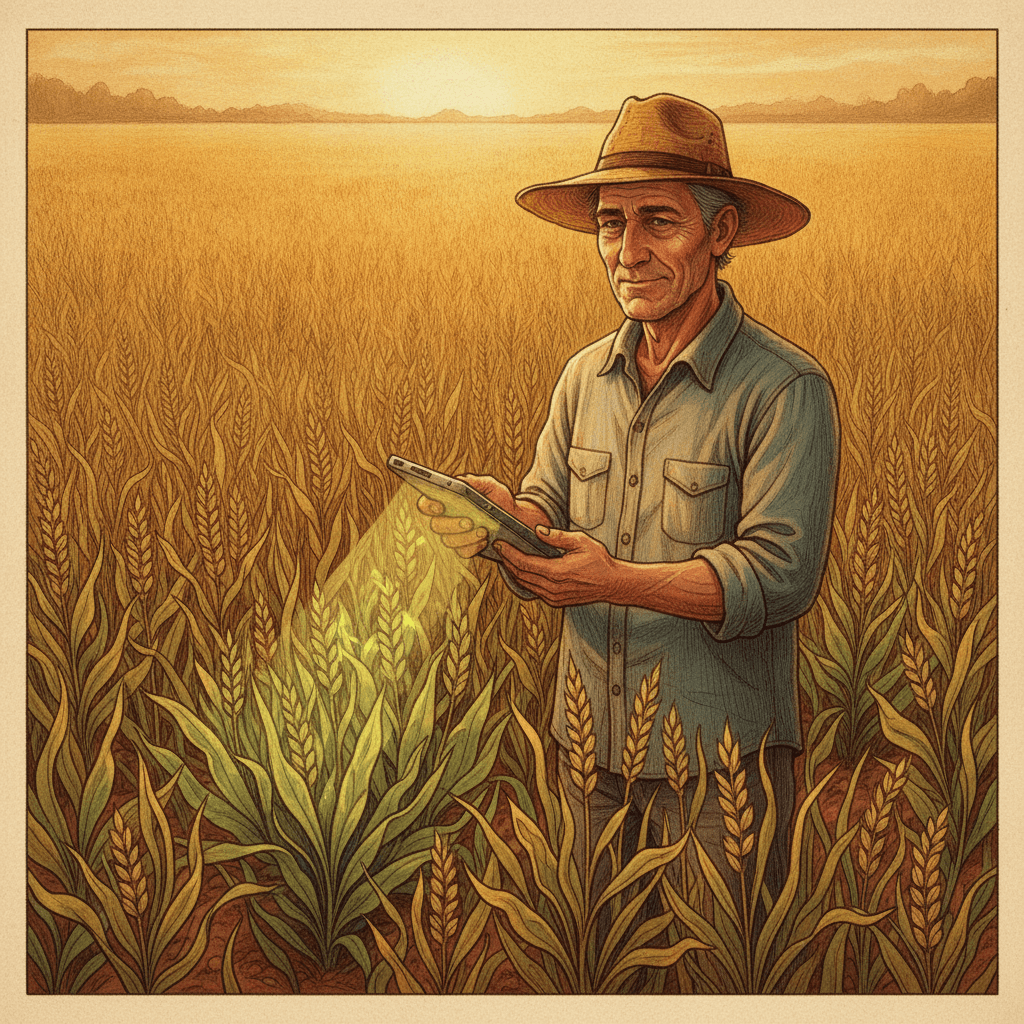
Farmers might soon reduce pesticide use by over 20% and water by 16% through a simple digital helper. This isn't science fiction; it’s a detailed look at how artificial intelligence is changing farming right now.
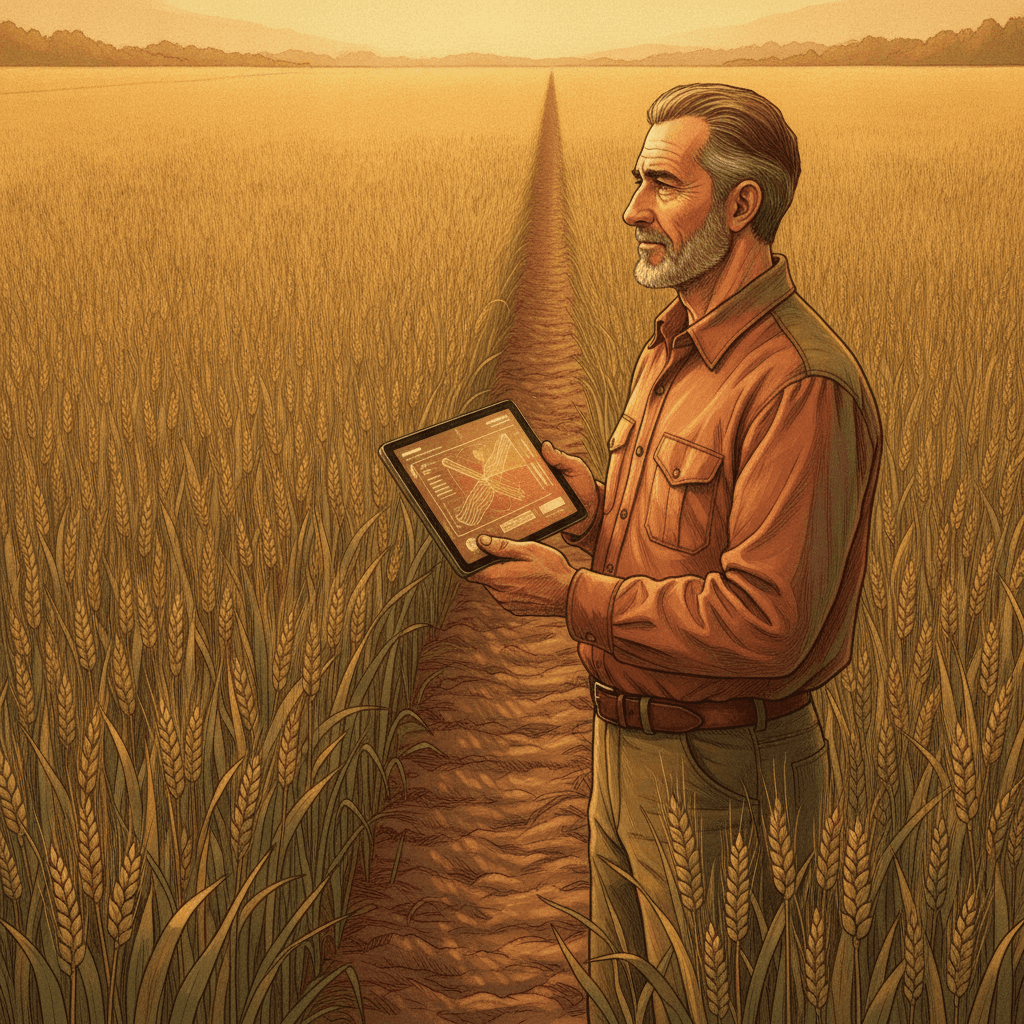
We’re on the cusp of a future where farming becomes incredibly precise, drastically cutting down on waste. Imagine using 20% less pesticide and 16% less water on a farm, not through some expensive new machinery, but with a digital brain helping farmers make smarter choices. This isn't a distant dream; new simulations show exactly how much good AI can do for your food.
AI isn't just for fancy computers anymore; it's proving its worth in the dirt and mud of farm fields, making agriculture greener and more efficient. Think of it like having a super-smart advisor for your crops, one that sees things you can't and processes information at lightning speed. This advisor helps farmers avoid spraying chemicals they don't need or overwatering plants that are already quenched.
How Digital Brains Help Plants Thrive
The way AI helps is by acting like a highly experienced farm manager, but one who can analyze vast amounts of data instantly. It helps identify crop diseases or nutrient deficiencies, much like a doctor diagnosing a patient, telling farmers exactly where and when to apply treatments. This precision means fewer chemicals end up in the soil and water, which is good for everyone. For example, AI can boost the chances of reducing pesticide use by 20% from near zero to 20.7% at baseline, and up to 49% when diagnostic accuracy and farmer adoption rates are high, according to a 2024 arXiv study.
This isn't just about pesticides; it also applies to fertilizer. The probability of cutting fertilizer use by 15% jumps significantly from almost nothing to 52.0% with AI’s help. It’s like a chef who knows exactly how much salt to add to a dish, avoiding waste and getting the perfect flavor every time.
Saving Water and Slashing Emissions
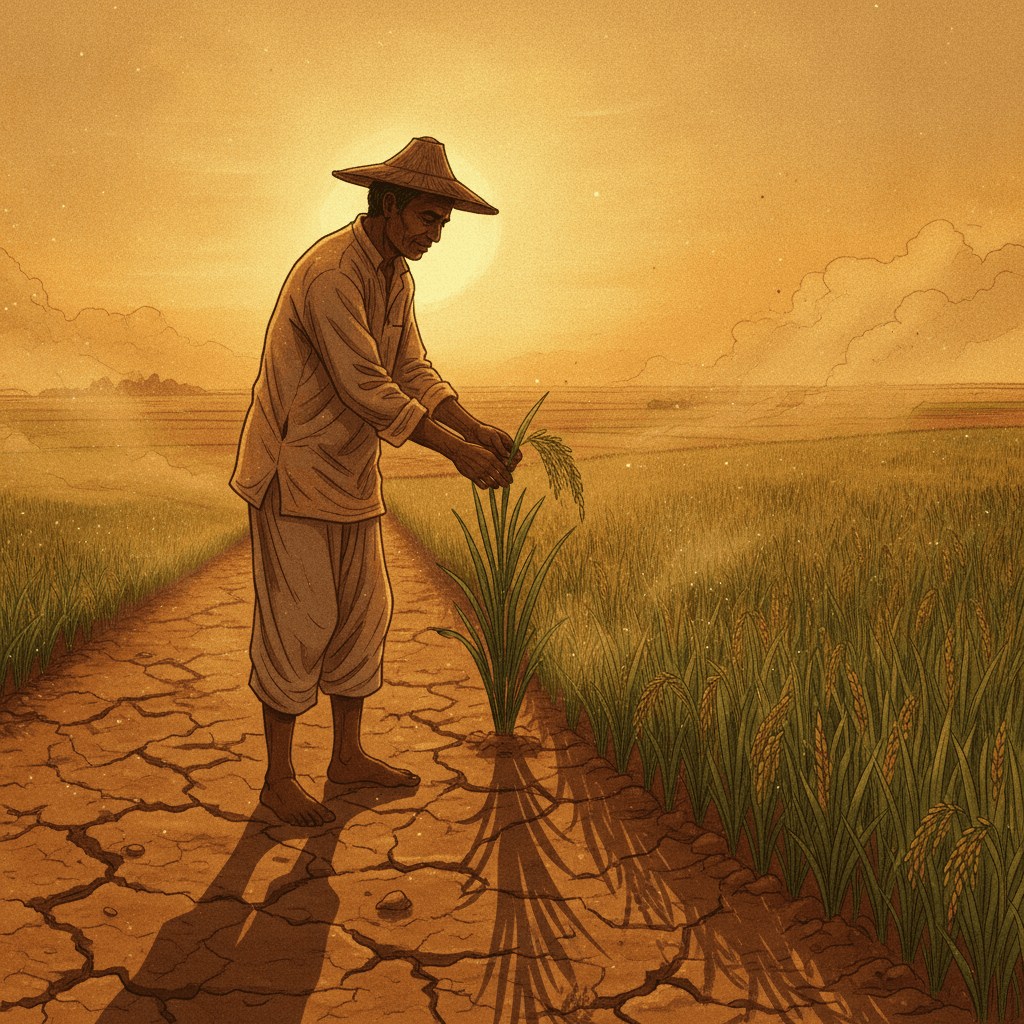
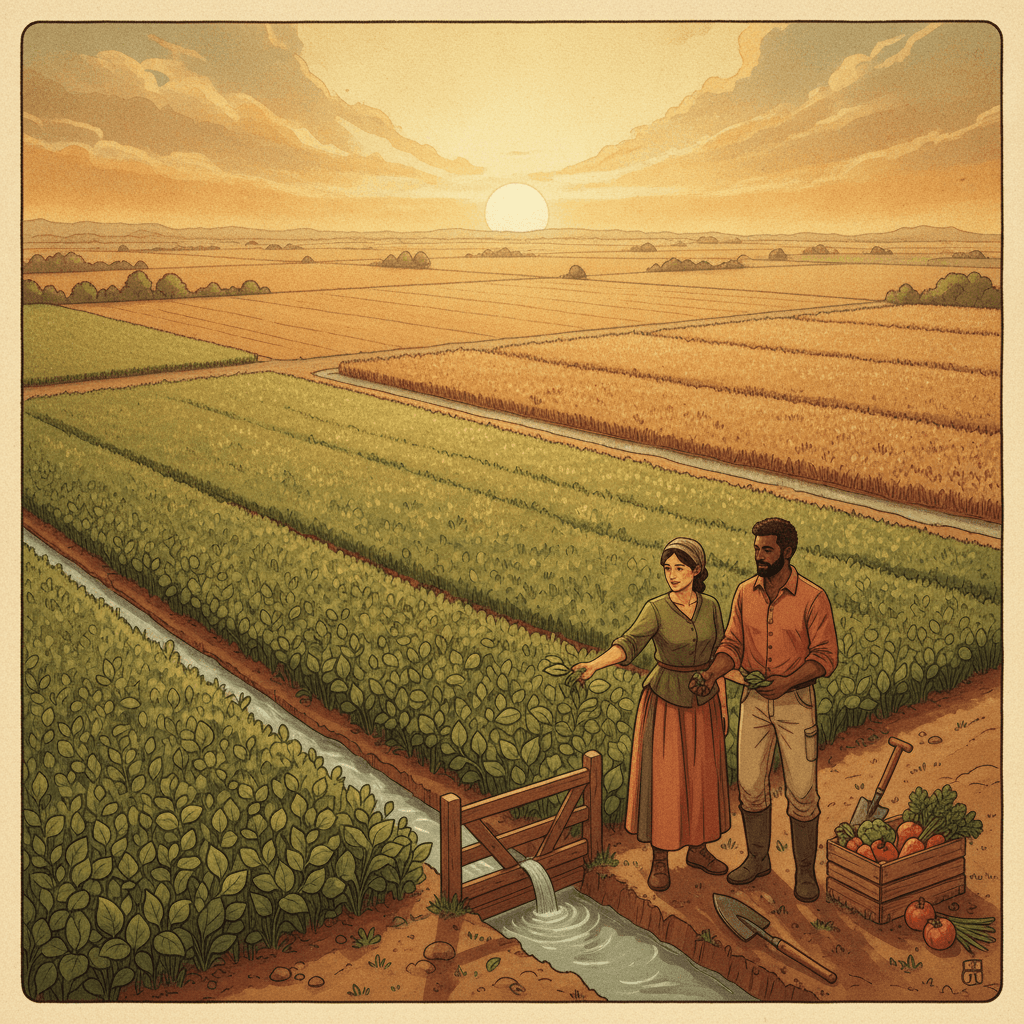
AI can also make a huge splash in water conservation. By scheduling irrigation based on real-time needs – like your smart home thermostat adjusting heating based on temperature – it can save significant amounts of water. Simulations show that adding AI to existing irrigation systems can push median aggregate water savings from 7.8% (with no tech) to 11.0% (with basic sensors), and up to 16.0% (with AI scheduling). That's an extra 5.0 percentage points of water saved, just from AI's intelligence. This is especially vital in regions facing increasing water scarcity challenges.
Even more surprising, AI-driven irrigation in rice paddies can reduce methane gas emissions by up to 30.5%, compared to 19.8% with manual operation. Methane is a potent greenhouse gas, so this reduction makes a real difference in fighting climate change. It’s like making a car more fuel-efficient, but for an entire farm ecosystem. This also dramatically lowers the carbon intensity of the rice irrigation-methane system by 27.9%.
What's Holding This Back (and How We Fix It)
So, if AI is so good, why isn't every farm using it? The biggest hurdle isn't the technology itself, but rather farmers adopting it. The simulations repeatedly highlight that farmer adoption is the main bottleneck for achieving these green targets, not the accuracy of the algorithms. It's not about the AI failing; it's about getting farmers to trust and integrate these new digital tools into their daily routines. Think about how long it took for people to trust online banking; new tech always faces an adoption curve. However, as more farmers see their neighbors succeed, this could change quickly. New methods for agricultural sensing are also making data collection much simpler.
For example, the study found that even with some errors in soil moisture sensing – like a slightly fuzzy picture – the AI still performs robustly. This means the system is quite forgiving, making it easier for farmers to get started without needing perfect sensor setups. The technology is essentially ready; the human element is what we need to focus on next.
Your Food Could Be Healthier, Sooner
If farmer adoption rates climb, perhaps spurred by government incentives or direct success stories, we could see these AI-powered changes widespread in just 5-7 years. This means the produce you buy could be grown with fewer chemicals and less water, leading to a healthier planet and potentially healthier food for your family. It simplifies the complex job of farming, letting plants thrive in smarter, more sustainable ways. Imagine a world where our food system produces more, while asking less of the earth.
Key Takeaways
- AI can reduce pesticide use by over 20% and fertilizer by 15% through precise diagnosis and application recommendations.
- Integrating AI into irrigation systems can save an additional 5 percentage points of water, reaching 16% total savings, and cut methane emissions from rice paddies by up to 30.5%.
- The primary challenge for widespread AI adoption in farming isn't the technology's accuracy, but rather farmers' willingness to integrate these new digital tools into their operations.
Frequently Asked Questions
What is AI in smart agriculture? AI in smart agriculture uses computer programs to analyze farm data, like soil conditions and plant health, to help farmers make better decisions. It works like a digital assistant, optimizing tasks such as watering and applying pesticides.
How does AI reduce pesticide use? AI precisely identifies problem areas or diseases in crops, allowing farmers to target treatments only where needed. This prevents widespread, unnecessary spraying, significantly cutting down on total pesticide application and waste.
Can AI help save water on farms? Yes, AI monitors factors like soil moisture and weather patterns to schedule irrigation exactly when and where plants need it. This smart watering prevents over-irrigation, leading to substantial water savings, especially for water-intensive crops like rice.
Editorial note: The scientific findings presented in this article are sourced exclusively from published research papers, peer-reviewed studies, certified inventions, and registered patent filings. Images generated by AI.
Stay ahead of the curve
The science that shapes tomorrow — in your inbox every week
The scientific findings presented in our articles are sourced from published research papers, peer-reviewed studies, certified inventions, and registered patent filings. Subscribe for focused weekly coverage, hands-on explainers, and practical insights that help you stay curious — no jargon, no noise.
By subscribing, you agree to receive newsletter and marketing emails, and accept our Terms of Use and Privacy Policy. You can unsubscribe anytime.
Vertical Farming, Lab-Grown Food & Precision Fermentation
Food tech journalist tracing the future of how humanity will grow, manufacture, and eat its food.
View full profile →