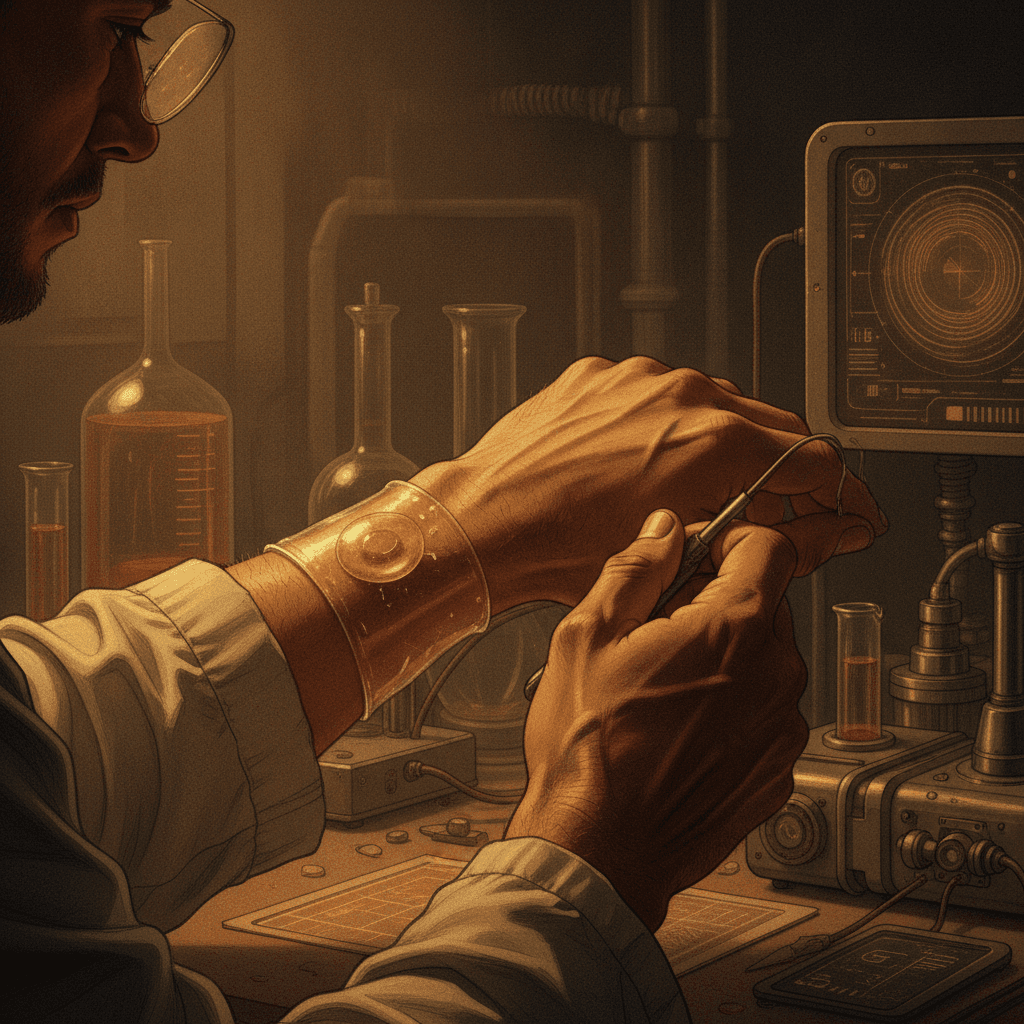
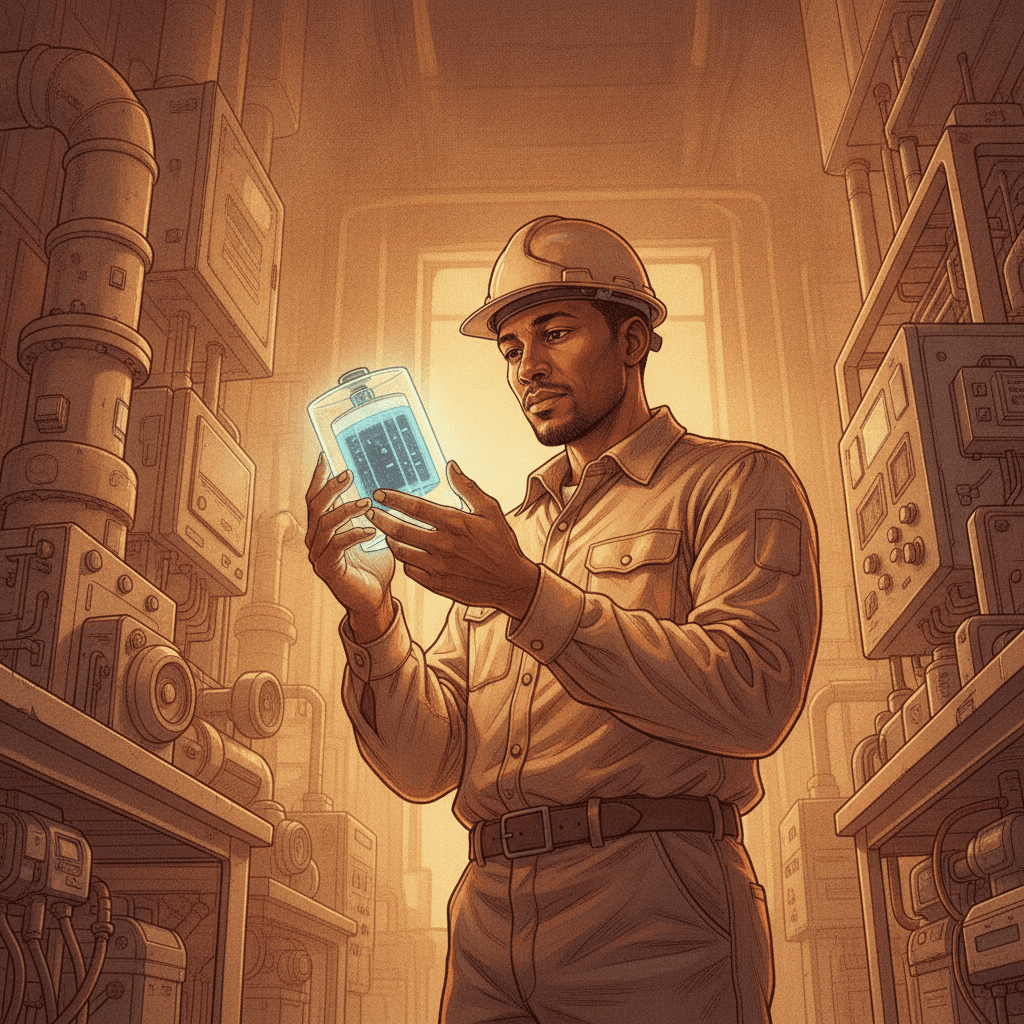
The Simple Way Water May Power Your Home
Imagine a world where your water heater doesn't just heat water, it produces fuel. New energy systems are making this future possible by splitting water into hydrogen using light and AI, promising a cleaner way to power your everyday life.
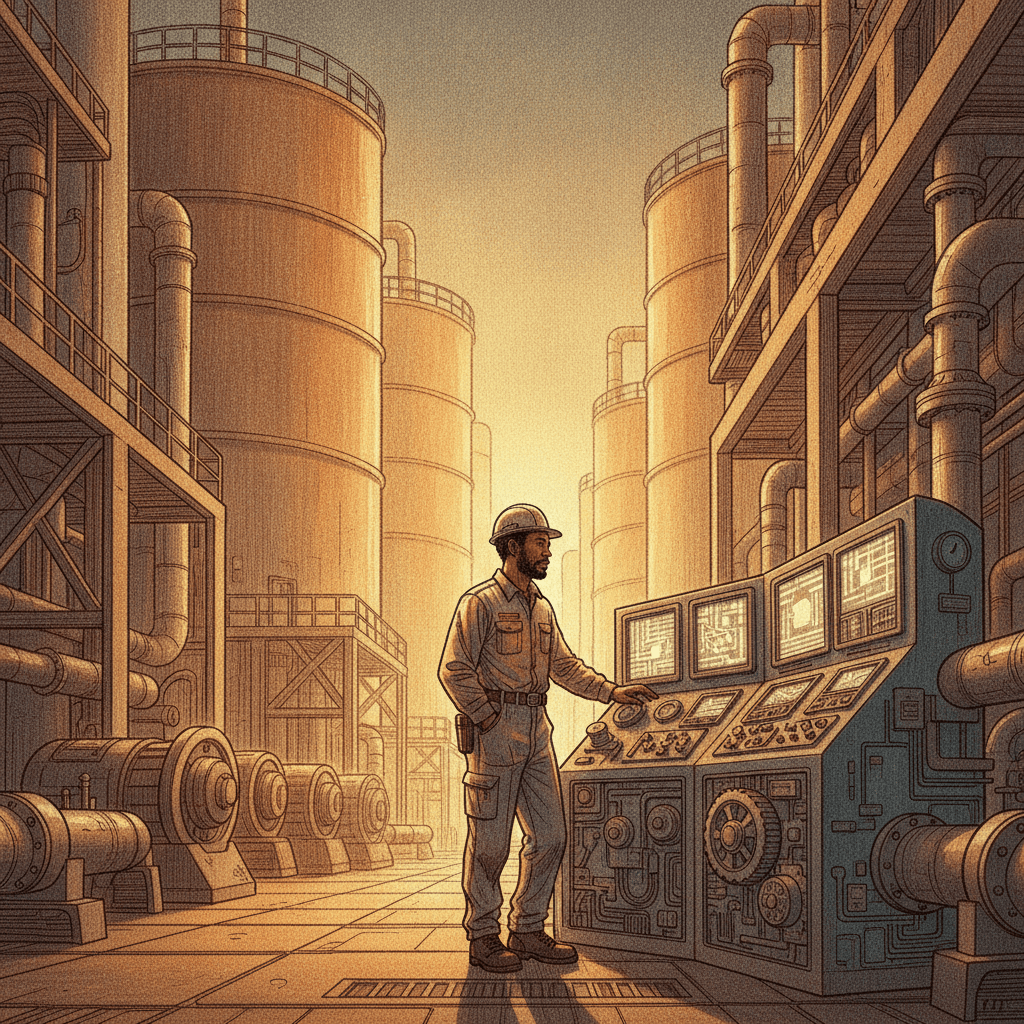
Our everyday water may soon become a clean fuel source, not just for heating, but for powering homes and industries. Researchers are developing advanced systems that use precise light pulses and smart AI to break water apart into hydrogen and oxygen without needing expensive or rare catalysts, the chemical helpers usually required for this process. This could quietly change how we generate energy, moving us away from burning fossil fuels and toward a future powered by the most abundant element in the universe.
Current hydrogen production often relies on natural gas, which still releases carbon into the atmosphere. But this new approach, detailed in recent patent applications from companies like Quantum-Floquet Innovations, focuses on making hydrogen directly from water, cleanly and efficiently. It's a bit like using a perfectly tuned musical instrument to shatter a glass, where the light waves are precisely adjusted to break the molecular bonds of water, a process called Floquet engineering.
Light That Breaks Apart Water Molecules
Breaking water (H₂O) into its components—hydrogen (H₂) and oxygen (O₂)—traditionally requires a lot of energy and sometimes involves high temperatures or strong chemicals. This new system uses specialized lasers to create finely tuned light waves, like microscopic hammers, that specifically target and weaken the bonds holding water molecules together. This isn't just any light; it's a specific kind of photonic excitation, meaning light energy engineered to vibrate atoms apart without harsh chemicals. It’s significantly more efficient than previous methods, avoiding the energy losses common in traditional electrolysis, which uses electricity to split water.
This technology includes a multi-chamber design, where water goes through a first splitting chamber and then a second one for any leftover parts, making sure everything gets processed. Finally, a purification chamber cleans up the gases, making them ready to use. One surprising fact: a single liter of water contains enough hydrogen to power a car for about 100 miles if converted perfectly.
AI Makes Hydrogen Production Safer and Smarter
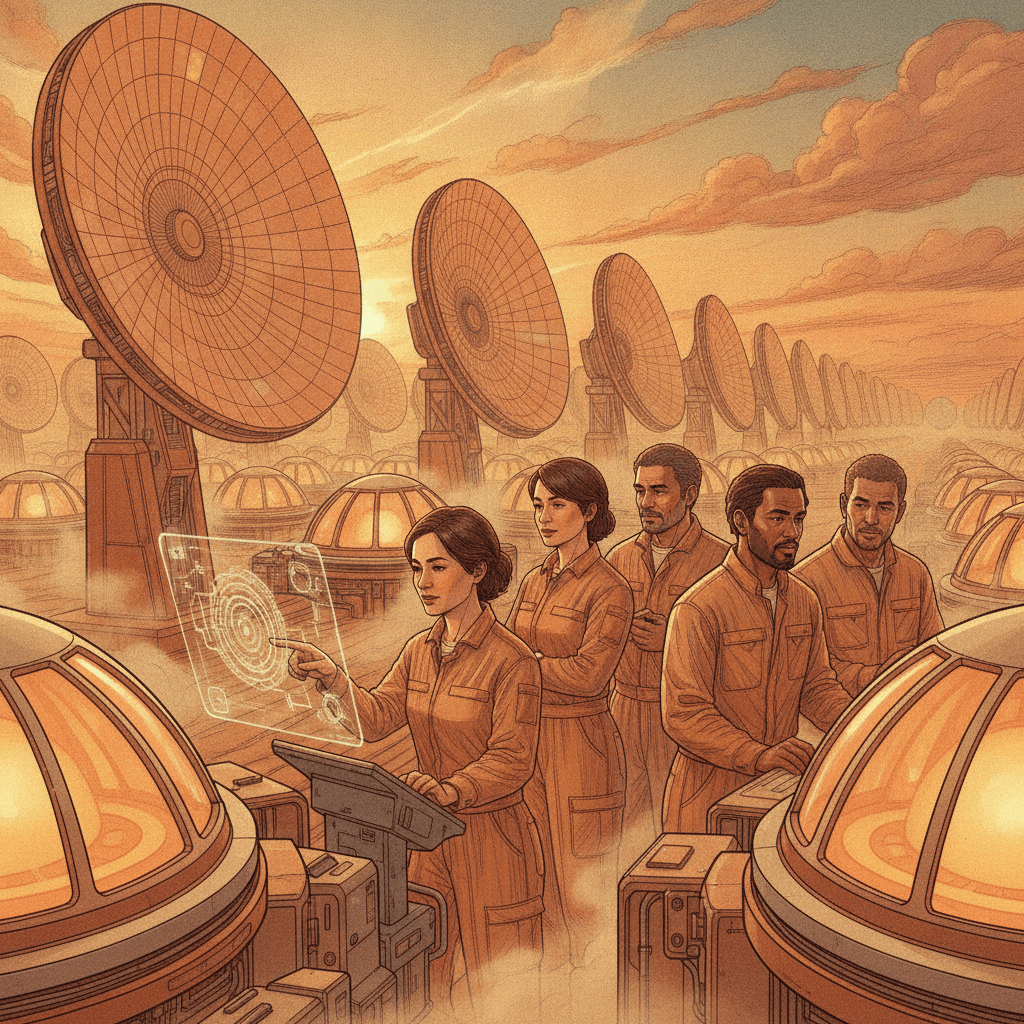
You might think that handling highly reactive hydrogen sounds risky, but the system is managed by sophisticated quantum AI control. This AI acts like a super-smart air traffic controller, constantly monitoring and adjusting everything from the laser’s alignment to the temperature and pressure inside the chambers. It’s also a predictive hazard modeling system, meaning it can anticipate potential problems before they happen and automatically shut down parts of the system if something goes wrong, much like an advanced autopilot in an airplane. This AI regulation ensures both safety and maximum efficiency, significantly reducing the risks associated with handling hydrogen and allowing the system to adapt in real time to optimize how soil bacteria fix nitrogen for energy conversion. This level of intelligent oversight sets it apart from earlier, less adaptable methods.
The AI doesn't just manage safety; it also guides the flow of gases, deciding what to purify and what to reinject for another round of processing, creating a closed-loop system. This reinjection cycle dramatically reduces waste and increases overall efficiency, cutting down on entropy loss – the natural tendency of energy to become less useful over time.
Powering Homes with Tomorrow's Technology
This hydrogen extraction technology isn't just for large industrial plants. Its modular design means it could eventually scale down for smaller applications, perhaps even integrating with future home energy systems. Imagine a device smaller than your water heater that could tap into your home's water supply and produce clean hydrogen to fuel appliances or even charge your electric vehicle. While it’s still in advanced development, with patents securing the core technology, we're likely looking at 10-15 years before seeing these systems in widespread personal use. Early deployments might involve larger community energy grids or specialized industrial applications.
The beauty of this technology is its ability to integrate with various energy inputs, making it incredibly flexible. It can use thermal energy from sources like solar heat, geothermal activity, or even waste heat from nuclear power plants. This means it can tap into clean, readily available energy that might otherwise be wasted, creating a more sustainable energy ecosystem. This could lead to a simple material could power your entire home by combining different clean sources. When you consider the vast amount of energy currently lost, these systems could capture and convert it into usable fuel.
The idea of making hydrogen from water efficiently and safely has been a long-standing goal in clean energy. With this new approach, leveraging the precision of Floquet engineering and the intelligence of AI, we're closer than ever to a future where water isn't just for drinking and washing, but a primary fuel that powers our lives without harming the planet. This isn't science fiction anymore; it’s a tangible path towards a cleaner, more energy-independent world, fundamentally changing how we think about our power sources and how your cells could quietly stop aging in an energy context.
Key Takeaways
- New systems can split water into hydrogen using precise light (Floquet engineering) and AI, without needing traditional chemical catalysts.
- An AI-controlled network manages safety, efficiency, and resource recycling, making the process cleaner and more reliable.
- This technology could integrate with various clean energy sources, offering a sustainable path to power homes and industries in the future.
Frequently Asked Questions
What is Floquet engineering? Floquet engineering uses precisely tuned light waves, like very specific sound vibrations, to weaken or break the molecular bonds in materials, such as water, making them easier to split apart without harsh chemicals.
How does AI make hydrogen production safer? The AI constantly monitors and controls all aspects of the system, from laser alignment to temperature and pressure, predicting potential hazards and implementing fail-safe measures to prevent accidents.
When can I expect to see this technology in my home? While the technology is very promising, widespread personal use in homes is likely 10-15 years away. Initial applications will probably be in larger industrial or community energy projects.
Editorial note: The scientific findings presented in this article are sourced exclusively from published research papers, peer-reviewed studies, certified inventions, and registered patent filings. Images generated by AI.
Stay ahead of the curve
The science that shapes tomorrow — in your inbox every week
The scientific findings presented in our articles are sourced from published research papers, peer-reviewed studies, certified inventions, and registered patent filings. Subscribe for focused weekly coverage, hands-on explainers, and practical insights that help you stay curious — no jargon, no noise.
By subscribing, you agree to receive newsletter and marketing emails, and accept our Terms of Use and Privacy Policy. You can unsubscribe anytime.
Energy Access, Microgrids & Clean Power for the Developing World
Energy access journalist focused on the innovations that can bring clean power to the two billion people the mainstream transition risks leaving behind.
View full profile →