Your Trash Could Soon Heat Your Home
Imagine throwing away your old tires or plastic waste and having it magically power your lights. Scientists are making this a reality by turning industrial garbage into usable electricity, offering a cleaner, more efficient energy future for you.

Your old plastic containers, worn-out tires, or even industrial leftovers could soon become the hidden power source for your entire neighborhood. This isn't just a fantasy; it's a rapidly approaching reality where a new kind of reactor assembly promises to convert industrial waste directly into electricity, solving two huge problems at once. Just last year, an innovative patent outlined a system that could turn tons of trash into energy.
Imagine a specialized oven, but instead of baking bread, it's cooking down waste at super-high temperatures. This isn't burning it and releasing smoke, but rather transforming it into simpler, harmless mineral byproducts. Crucially, this reaction also creates a lot of heat, which this system captures to generate electricity. This approach isn't merely about disposal; it's about making waste an energy asset.
How Your Trash Becomes Usable Energy
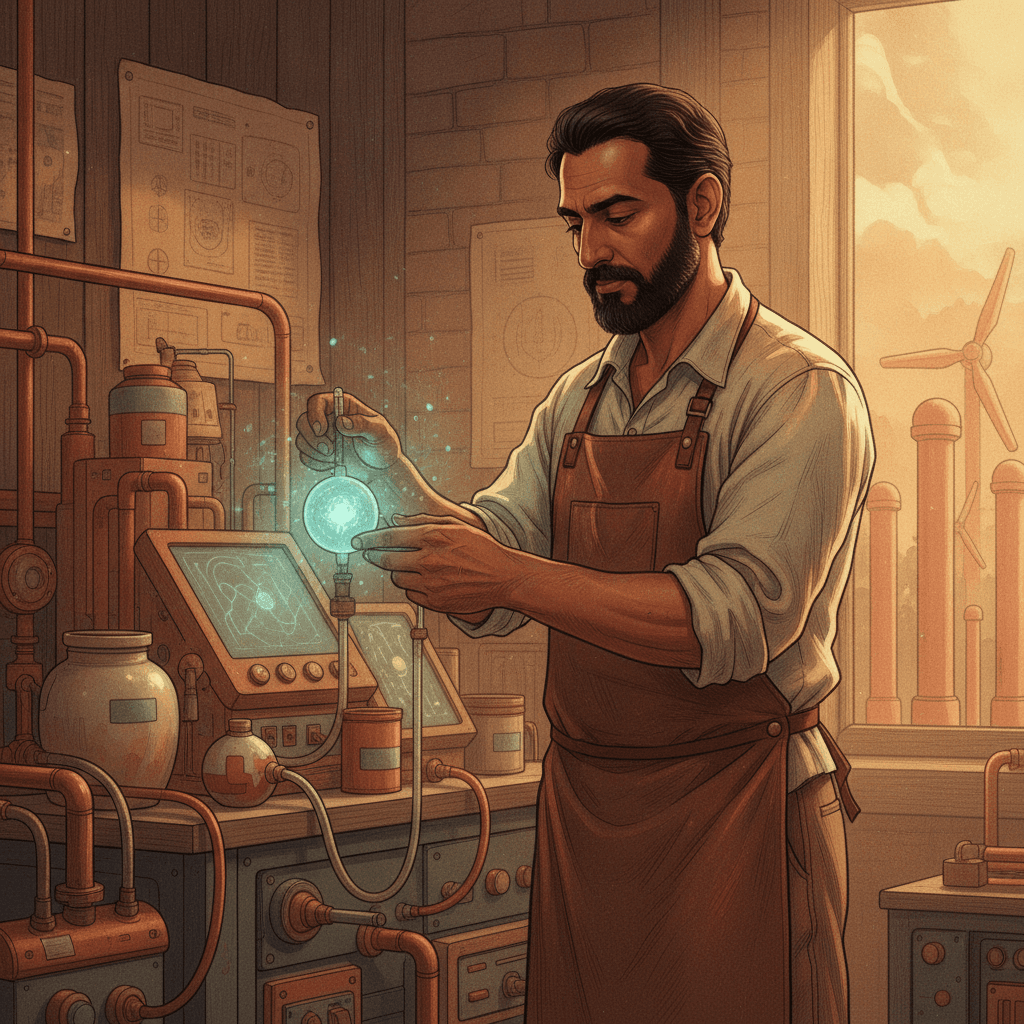
The core of this technology is a multi-phase thermoelectric reactor, which sounds complex but works like a smart heat sponge. Inside, a reaction core heats up intensely as it breaks down waste. Think of it like a very efficient bonfire inside a super-insulated chamber. This heat then transfers to components called thermoelectric generators, which are special materials that produce an electric current when one side is hot and the other is cold. It's similar to how a solar panel turns light into electricity, but here it's heat doing the work.
A clever design featuring a copper star geometry—like a heat-conducting octopus with many arms—ensures that the heat from the core spreads out evenly to these generators. This even distribution is crucial for maximum energy capture, much like a perfectly designed radiator spreads warmth through a room. The system even manages its own temperature with a controlled nitrogen flow, ensuring the generators don't overheat and can keep making power.
Powering Itself and Your Home
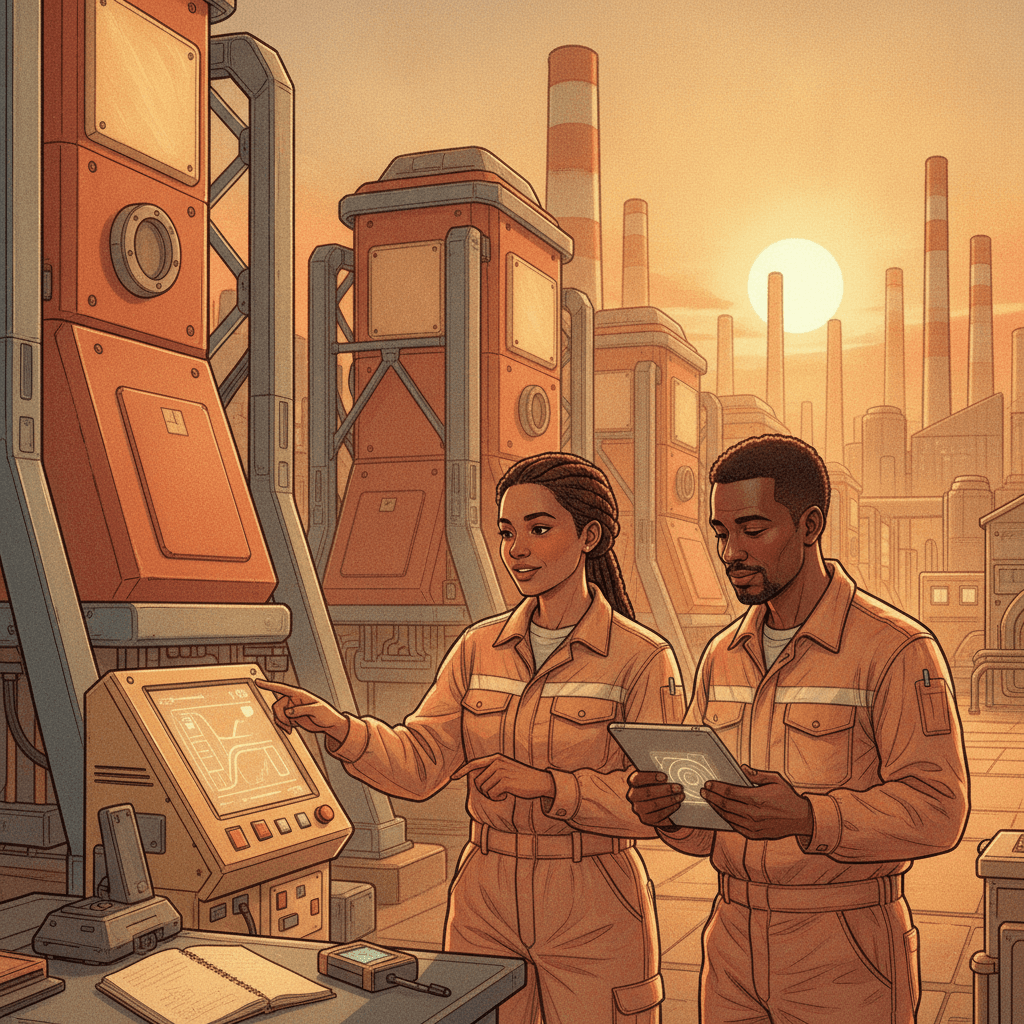
What makes this system particularly clever is its ability to become self-sustaining. Initially, it needs a little kickstart, like jump-starting a car, to get the reactions going. But once it reaches a certain point, the heat it generates is enough to power its own operations and produce excess electricity. This surplus power can then flow into the grid, potentially powering thousands of homes. It's a bit like a chef who uses the heat from their stove to also power the lights in their kitchen and sell power to their neighbors.
This modular setup means you can connect many of these reactor units together, like LEGO bricks, to create large-scale power plants. This is especially promising for industries that produce a lot of waste, such as manufacturing or material processing, as they could essentially power themselves and even contribute to the local grid. Imagine cities where landfills shrink, and the waste becomes a local power plant instead. This could also offer a new avenue for how tiny life will clean our water by reducing the overall waste burden.
The Path to Cleaner Power
Researchers at institutions like the University of Maryland and companies specializing in waste-to-energy solutions are actively working on similar systems, exploring how to safely and efficiently turn various waste streams into power. While this patented design is still in the engineering and scaling-up phase, its modular nature suggests a quicker path to deployment compared to massive, custom-built plants. The main hurdles involve optimizing efficiency, ensuring long-term material durability under extreme heat, and navigating regulatory approvals for waste processing.
It's not unrealistic to expect pilot programs for this type of integrated system within the next five to seven years, with wider adoption potentially within 10-15 years. This could lead to a future where industrial waste isn't just discarded but systematically converted into a valuable energy resource, helping your home heat itself more sustainably and offering a more secure power supply that isn't dependent on volatile fuel markets. This shift represents a significant step towards a circular economy, where what we throw away today fuels our tomorrow.
Key Takeaways
- A new reactor design can turn industrial waste directly into usable electricity by capturing the heat from its breakdown.
- The system can become self-sufficient, generating enough power to operate itself and supply surplus electricity to the grid.
- This modular approach could see pilot programs within 5-7 years, transforming waste disposal into a valuable energy source.
Frequently Asked Questions
What is a thermoelectric reactor? It's a system that breaks down waste using intense heat and then converts that heat directly into electricity using special materials. Think of it as a waste-powered generator.
How does it become self-sustaining? After an initial startup, the heat produced by the waste breakdown reaction is enough to power the reactor's own operations and generate surplus electricity for external use.
What kind of waste can it process? The system is designed for industrial waste and other high-enthalpy materials, meaning things that release a lot of energy when processed, like certain plastics or byproducts.
Editorial note: The scientific findings presented in this article are sourced exclusively from published research papers, peer-reviewed studies, certified inventions, and registered patent filings. Images generated by AI.
Stay ahead of the curve
The science that shapes tomorrow — in your inbox every week
The scientific findings presented in our articles are sourced from published research papers, peer-reviewed studies, certified inventions, and registered patent filings. Subscribe for focused weekly coverage, hands-on explainers, and practical insights that help you stay curious — no jargon, no noise.
By subscribing, you agree to receive newsletter and marketing emails, and accept our Terms of Use and Privacy Policy. You can unsubscribe anytime.
Energy Access, Microgrids & Clean Power for the Developing World
Energy access journalist focused on the innovations that can bring clean power to the two billion people the mainstream transition risks leaving behind.
View full profile →