Your Car Could Soon Charge Itself
Imagine never plugging in your electric car again, or at least far less often. New research shows how the sun could soon fuel your daily drives, making range anxiety a distant memory.
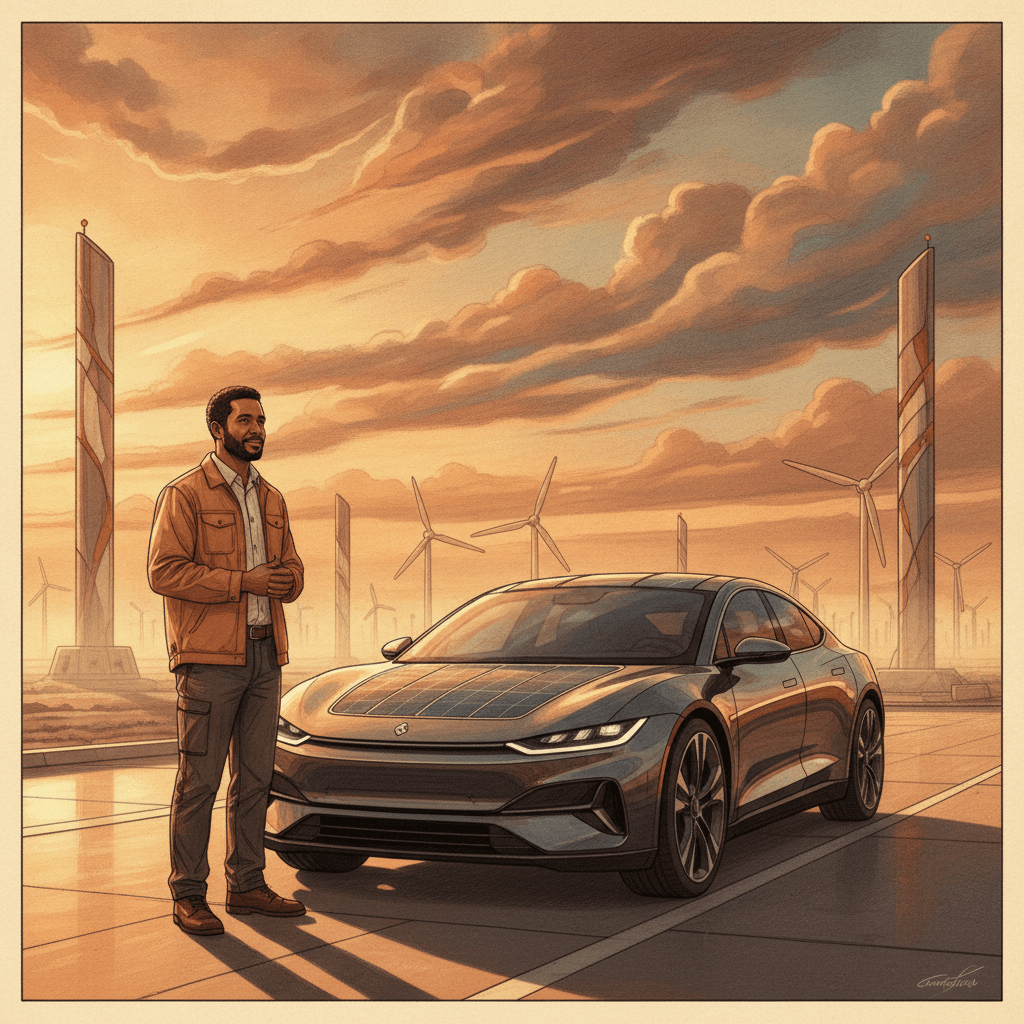
Your car could soon be harvesting its own energy from the sun, fundamentally changing how you think about charging. This isn't some far-off science fiction; researchers are actively refining how solar panels, tiny like the ones on your calculator but much more powerful, can become part of your vehicle's skin, quietly extending your range without ever touching a charging cable. Imagine the freedom of less frequent stops at charging stations, especially if you live in a sunny area.
The shift is happening right now, with prototypes already hitting the road. Car manufacturers are testing vehicles that integrate photovoltaic (PV) systems directly into their roofs, hoods, and even side panels. These aren't just for a trickle charge; studies from Fraunhofer ISE, a leading solar energy research institute, suggest that a typical family car driving in Germany could get about 10% of its annual mileage from its own solar panels. For vehicles like delivery vans with larger surfaces, that number jumps even higher, reducing their reliance on the grid and cutting down on operational costs.
How Your Vehicle Becomes a Tiny Power Plant
Your car turns into a mobile power plant by weaving special solar cells into its exterior, making it a vehicle-integrated photovoltaic (VIPV) system. Think of it like a smart coat for your car: instead of just paint, thin layers of solar material absorb sunlight and turn it into electricity, which then charges your car’s battery. This isn't about replacing charging stations entirely, but rather about extending your range and making those grid charges happen less often. You get a little top-up every time you park in the sun or drive on a clear day, essentially getting free mileage.
These solar cells are different from the big, rigid ones on a house roof; they're often flexible and durable, designed to curve with a car's body and withstand road conditions. Crucially, they’re integrated almost invisibly, preserving the car's design. This technology could also help you protect your car's critical systems, as improved power management can reduce battery ageing under irregular power profiles, which is a common concern for electric vehicle owners.
What Makes Solar Cars Tricky (and How We're Fixing It)
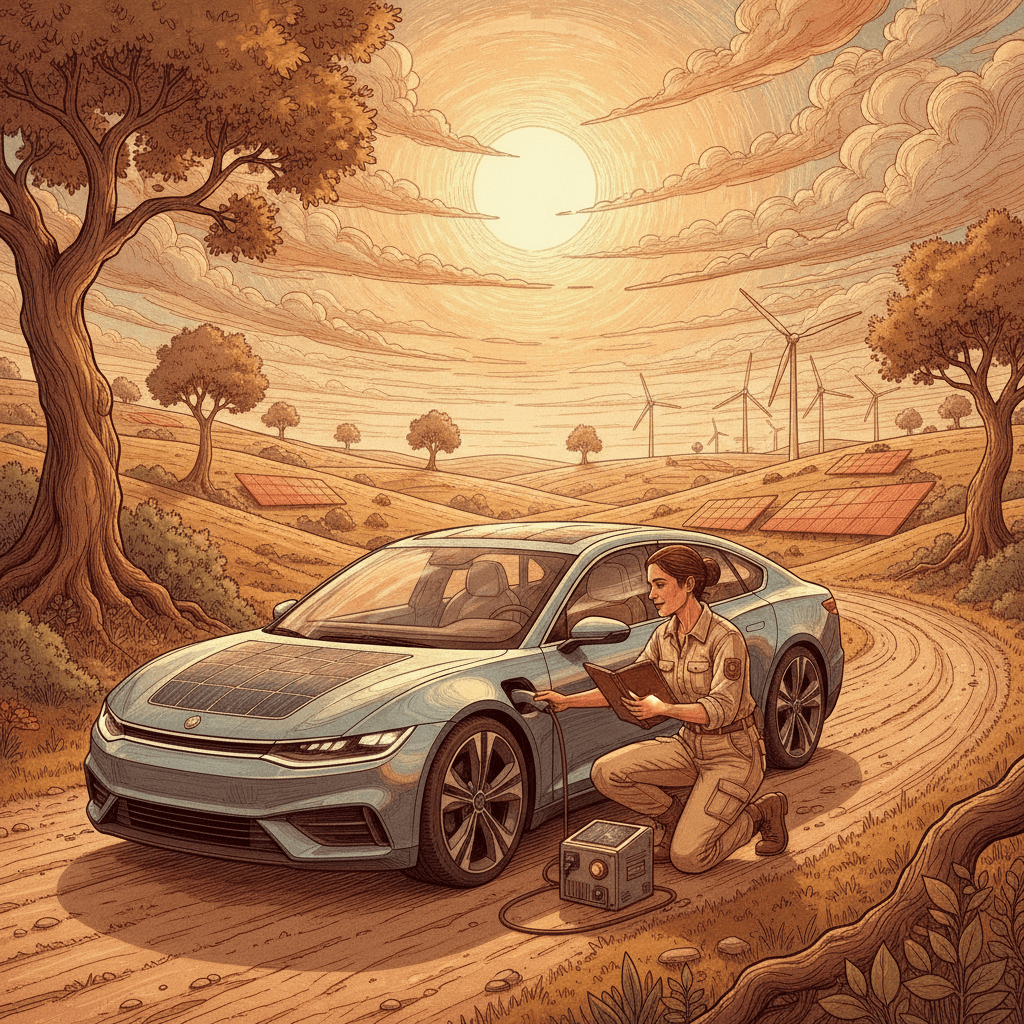
Making solar cars a mainstream reality presents some unique challenges, mainly because a car isn't a static rooftop. First, there's dynamic partial shading; as you drive, trees, buildings, and even other vehicles can cast shadows across parts of the car's solar panels. This is like trying to fill a bucket with water when someone keeps blocking parts of the hose – it makes energy collection less efficient. Researchers are developing smarter ways for the panels to work around these shadows, often by using special circuits that let different sections of the solar array operate independently, ensuring the unshaded parts keep generating power.
Another hurdle is simply knowing how much sun your car will actually see. Unlike a stationary solar farm, your car is constantly moving. This means we need better maps and models that can predict solar availability along common routes and in various parking spots. Dr. Imeshi Weerasinghe from Loughborough University highlights the need for "standardized VIPV metrics" to accurately measure and compare performance across different vehicles and environments. It’s like trying to plan a garden without knowing how much sun each patch will get; you need specific data to make good choices.
The Surprising Value of Driving Under the Sun
You might think that only big, flat vehicles could really benefit, but even smaller passenger cars see a significant advantage. A surprising fact: a passenger vehicle could reduce its charging frequency by up to 20% in sunny climates, simply by parking outside for a few hours each day. This passive charging adds up, giving you more flexibility and convenience in your daily routine. For commercial vehicles, like those long-haul trucks, the energy savings are even more substantial in absolute terms, even if they don't fully power the massive propulsion needs.
Companies like Sono Motors (though they recently shifted focus) and Lightyear have already shown that solar integration can be stylish and effective, proving the technology is viable. The future involves improving the efficiency of the solar cells themselves and creating better software that can predict your car’s energy needs and solar generation based on your driving habits and local weather. This intelligent energy management will be key to maximizing the value of the sun's power, allowing you to use your vehicle's power to make smarter decisions about how and when to charge, much like how your body sensors are getting smarter to give you better health insights.
When Can You Drive a Solar-Powered Car?
While you can buy vehicles with integrated solar panels today, expect significant improvements and wider adoption within the next 5 to 10 years. The main drivers for this timeline are the decreasing cost of solar technology, advancements in battery efficiency, and better integration methods that make the panels more aesthetically pleasing and durable. As battery technology improves, like the kind explored in your phone battery will never catch fire, the synergy with VIPV will make charging even more robust. We're getting closer to a world where your daily commute can largely be powered by the sun.
This isn't just about reducing your carbon footprint; it's about changing your daily life. Imagine fewer trips to the charging station, more peace of mind on long drives, and potentially lower electricity bills. Your car will feel less like a power consumer and more like an active participant in your personal energy ecosystem, quietly feeding itself with clean power while you go about your day.
Key Takeaways
- Solar panels are being integrated directly into electric vehicle surfaces to generate power and extend driving range.
- Even passenger cars can significantly reduce charging frequency, making daily driving more convenient.
- Challenges like shading and predicting sun exposure are being solved with smarter solar cell design and better mapping tools.
Frequently Asked Questions
What are Vehicle-Integrated Photovoltaics (VIPV)? VIPV systems are solar panels built directly into the exterior surfaces of electric vehicles, like roofs and hoods. They convert sunlight into electricity to charge the car's battery, reducing reliance on external charging.
How much power can a VIPV car generate? The power generated depends on factors like vehicle size, sun exposure, and climate. Passenger cars might get 10-20% of their annual mileage from solar, while larger commercial vehicles can see higher absolute energy gains.
When will VIPV cars be widely available? While some models exist now, expect more efficient and widespread VIPV technology in cars within the next 5 to 10 years, as solar cells and battery technology continue to advance.
Editorial note: The scientific findings presented in this article are sourced exclusively from published research papers, peer-reviewed studies, certified inventions, and registered patent filings. Images generated by AI.
Stay ahead of the curve
The science that shapes tomorrow — in your inbox every week
The scientific findings presented in our articles are sourced from published research papers, peer-reviewed studies, certified inventions, and registered patent filings. Subscribe for focused weekly coverage, hands-on explainers, and practical insights that help you stay curious — no jargon, no noise.
By subscribing, you agree to receive newsletter and marketing emails, and accept our Terms of Use and Privacy Policy. You can unsubscribe anytime.
Solar Innovation, Batteries & Grid Technology
Energy journalist covering the technologies quietly replacing fossil fuels — faster than most people realise.
View full profile →