Zhang Wei
Battery Materials, Energy Storage Chemistry & Electric Vehicle Technology
Battery materials journalist covering the chemistry behind the electric revolution — and why the next decade of progress depends on what's inside the cell, not outside it.
About
Articles by Zhang Wei

Why Your Deep Wounds Won't Heal Easily
Persistent wounds often get stuck in a frustrating loop of infection and inflammation. Scientists are now designing bandages that actively help your body fix itself from the inside out, speeding recovery.
Your Water Filter May Soon Clean Itself
The world faces a looming clean water crisis, but tiny particles hold a powerful solution. Discover how self-cleaning filters could soon give everyone access to safe drinking water, much sooner than you think.

Your Body Could Soon Power Tiny Tech
Imagine a medical implant that powers itself using your own movements, then simply dissolves away when it's no longer needed. This article explains how a new silk material is making such self-powering, disappearing medical devices a real possibility, enhancing treatment and reducing waste.
The Simple Way Your Roof Can Harvest Water
Imagine pulling fresh water straight from the air, even in dry climates. New material science is making this a reality, offering a powerful tool against water scarcity.
Your Camera May Soon Think Like You
Imagine a camera that doesn't just record images but understands them, processing visual information instantly, just like your brain. This isn't science fiction; new research shows how two-dimensional materials could make smarter, faster image recognition a reality.

See Hidden Objects Through Walls With New Radar
Ever wonder what's behind that wall, or what a machine looks like in the dark? A new radar imaging system lets you "see" objects in incredible detail, even through visual barriers. This technology could soon change how we navigate, inspect, and build our world.
Your Body Could Soon Grow Its Own Medicine
Imagine a tiny, wearable device that precisely delivers medicine right when you need it, adapting to your body's subtle shifts. This technology could soon redefine how millions manage chronic conditions, offering new freedom and control.
Your Future Gadgets Will Never Run Hot
Imagine a world where your phone never overheats, and supercomputers work without massive cooling systems. This isn't science fiction; new materials are bringing it closer than you think, promising faster, cooler devices for everyone.
Your Power Lines May Soon Have Zero Waste
Imagine a world where electricity flows with no energy lost, making everything from your phone to power grids far more efficient. Scientists have discovered new material candidates that could unlock this zero-resistance future, and you'll want to know how.
Tree Waste May Soon Clean Our Water
The wastewater from factories is often full of harmful chemicals, but what if a simple byproduct from trees could clean it naturally and affordably? Discover how wood waste, usually thrown away, is being transformed into a powerful, eco-friendly water filter.
Bacteria's Secret Messengers Could Fight Sickness
Imagine a tiny natural package, released by bacteria, that could deliver medicine right where it's needed. This isn't just a hopeful idea; real research shows these microscopic bubbles are powerful communicators with surprising medical potential.
Your Fruit Scraps Could Wrap Your Groceries
Did you know millions of tons of food waste end up in landfills each year, often wrapped in plastics that last for centuries? Soon, the peels from your fruit might become fully compostable packaging, offering a real solution to plastic pollution.
Your Body May Soon Get a Working New Heart
Imagine a replacement heart muscle that mimics your own, beating and twisting like the real thing without needing animal models. This discovery could completely change how we test and develop treatments for heart disease.

Your Everyday Objects Will Soon Think for Themselves
Imagine a simple chair that adapts its shape for perfect comfort, or a bridge that repairs itself. Scientists are now building materials that can respond and change, making our world safer and more efficient.

Your Building Could Soon Clean the Air
A new kind of building can cut its own carbon footprint by 63% and turn industrial waste into clean energy. Discover how your future home might literally clean the air around it, saving huge amounts of money.
Your Sensors Will Soon See Through Walls
The signals your devices rely on often get distorted, making it hard to detect faint messages from far away or inside objects. This technology could let sensors become invisible while still picking up incredibly weak data, unlocking new possibilities for finding hidden problems.
Your Trash Could Become New Fuel
The air you breathe everyday contains a surprising ingredient that can be captured and turned into useful chemicals, rather than simply releasing it. This incredible process could help clean the air and create valuable products, offering a practical solution to a growing problem.
Your Body's Shield Just Got a Brain
Did you know radiation can damage your cells in surprisingly complex ways? Scientists just found a smarter way to predict this damage, making future space travel and cancer treatments safer.
Tiny Plastic Is Changing Your Food, Air
You're probably eating, breathing, and drinking tiny plastic fragments every day, and they're nearly impossible to see. Learn how scientists are finally finding and fighting these invisible invaders with new methods.

Your Farm Fields Can Finally Count Themselves
Measuring how much plant matter is growing above ground, called biomass, has always been tricky and time-consuming. Now, powerful AI models are learning to do it from space, making carbon tracking and food forecasting much more accurate.

How Your Future Gadgets Get More Power
Imagine tiny imperfections in a material could unlock amazing new features for your electronics. Scientists are learning to control these subtle flaws, which could lead to devices that are faster, more efficient, and even have mind-bending quantum abilities.

A Simple Sensor Finds Hidden Sickness Faster
Every year, millions of people get a cancer diagnosis, often when the disease is already advanced. Discover how tiny, smart sensors could soon spot the earliest signs of sickness from a simple liquid test, giving you vital answers sooner.
Your Internet May Finally Stop Dropping Out
Frustrated by slow internet or dropped calls? A new tiny chip could solve these annoyances by controlling light inside your devices, making them faster and more reliable.
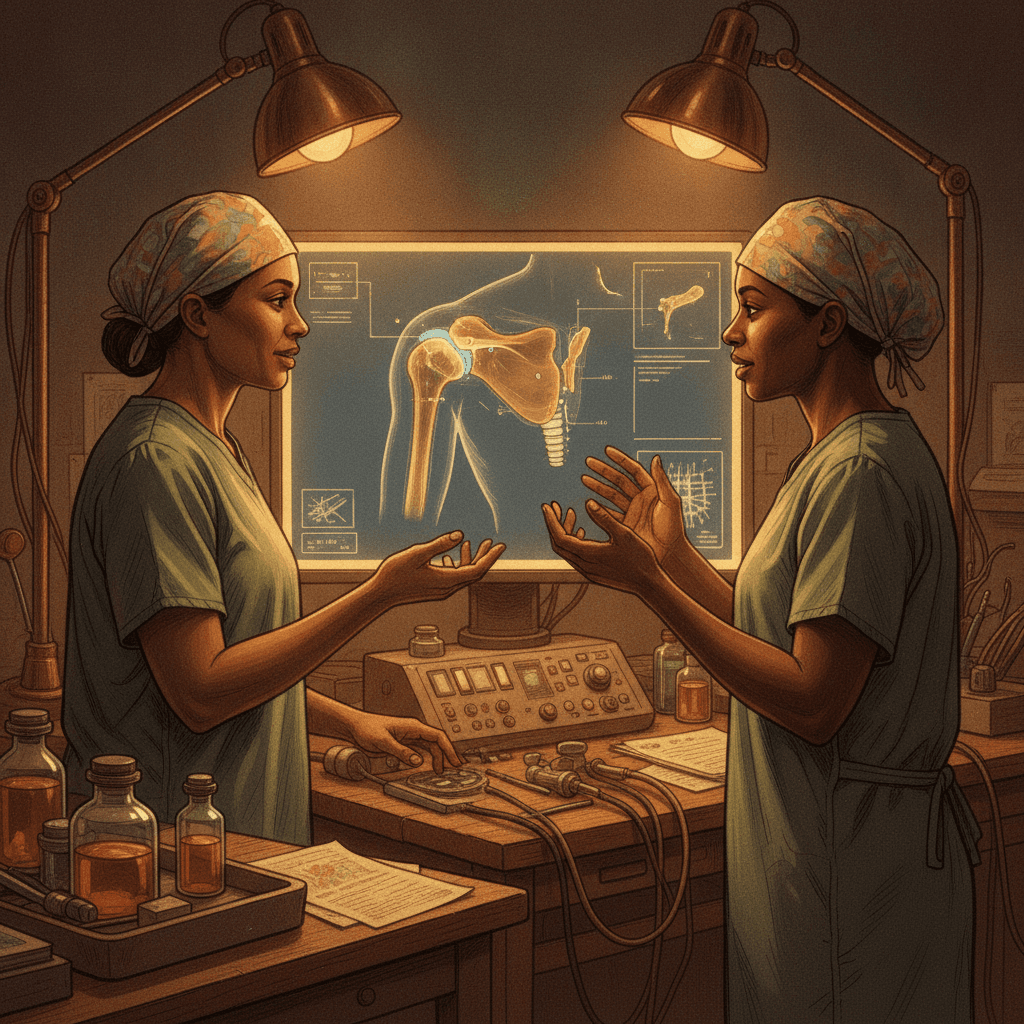
Your Body Could Print Its Own New Bone
Imagine regenerating a damaged limb with a precise, custom-made bone. We're talking about 3D printing new parts inside you, dramatically improving recovery for serious injuries.
Your Trash Can Is Printing New Parts
Plastic waste fills our landfills, but what if your empty milk jug could become a functional part for your car or home? Scientists are now turning everyday plastic trash into high-performance 3D printing material, changing how we create and consume.
Your Next Gadget Might Hold More Power
Imagine a tiny battery in your phone holding ten times the charge without exploding. Scientists at Virginia Tech just found a new way to pack immense energy into devices safely, meaning your devices could last weeks on a single charge.
Your Body Could Print Its Own New Parts
Imagine growing replacement organs right inside your body, or simply printing a new piece of heart tissue. Scientists are building flexible, living materials that make this future closer than you think.
Your Trash Could Become New Medical Tools
Did you know everyday plastic waste could be transformed into essential medical supplies? We explain how new materials are solving pollution and creating critical health tools at the same time.
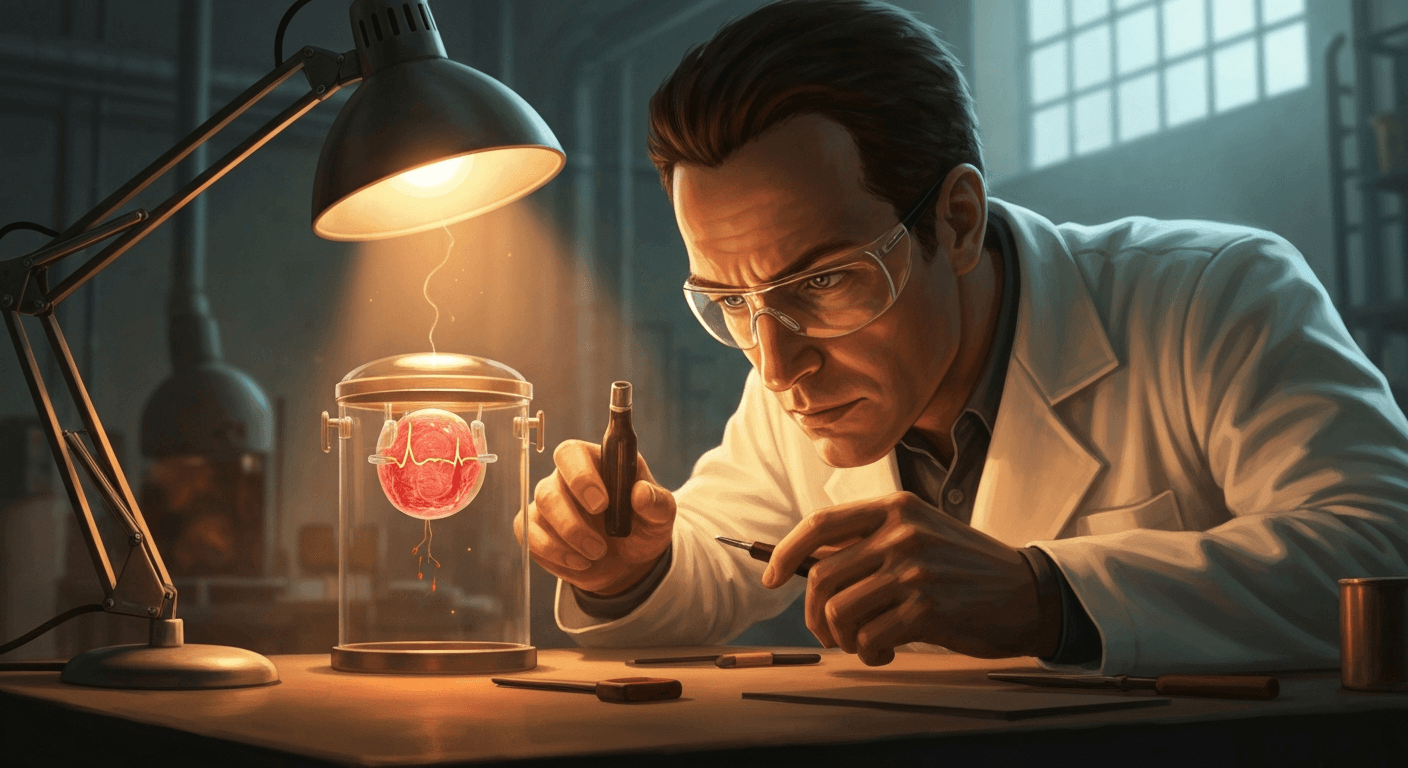
The Low-Cost Printer Building Living Heart Tissue
Heart disease is often called a silent killer — one that's hard to study up close. A low-cost 3D bioprinter can now build real heart tissue, opening the door to better disease screening and personalized treatment.
Your Water Filter May Soon Clean Much Better
Imagine a simple sugar molecule that could quietly snatch dangerous "forever chemicals" from your drinking water. New science reveals how this common compound could soon make your home's water safer.
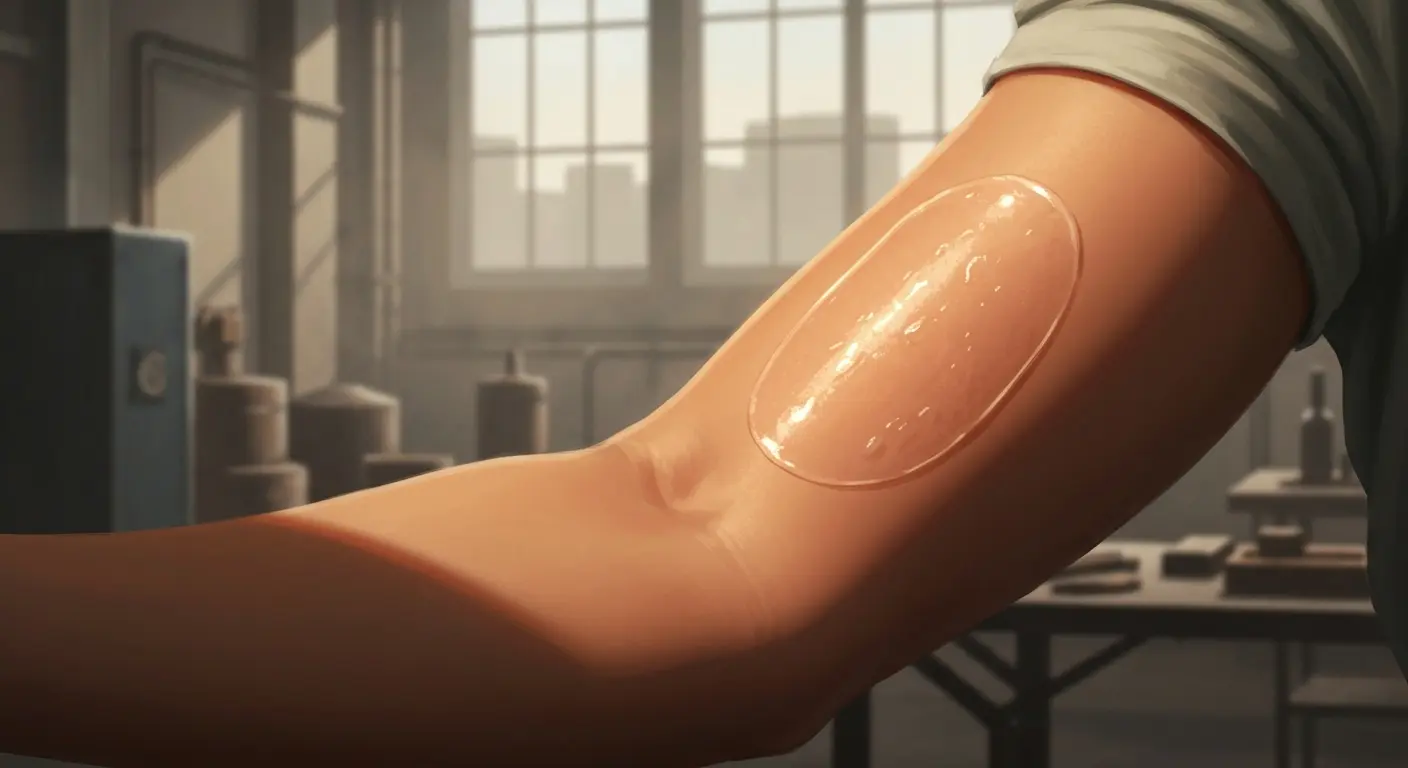
Your Skin Will Soon Feel Everything Better
Imagine wearing electronics that stick like an octopus and feel like a second skin. New gel-mediated electrodes could make future health monitors incredibly comfortable and effective.

Soft Suits That Help Your Body Move Again
Imagine struggling to button a shirt or hold a fork because your muscles won't cooperate. New soft robotic suits are changing how people regain control after a stroke, offering a gentle but powerful way to rebuild strength and movement.
The Bandage That Helps Your Body Heal Itself
A new kind of bandage does more than cover a wound — it actively helps close it. This emerging technology could make recovery from surgery and injury faster and far more comfortable.
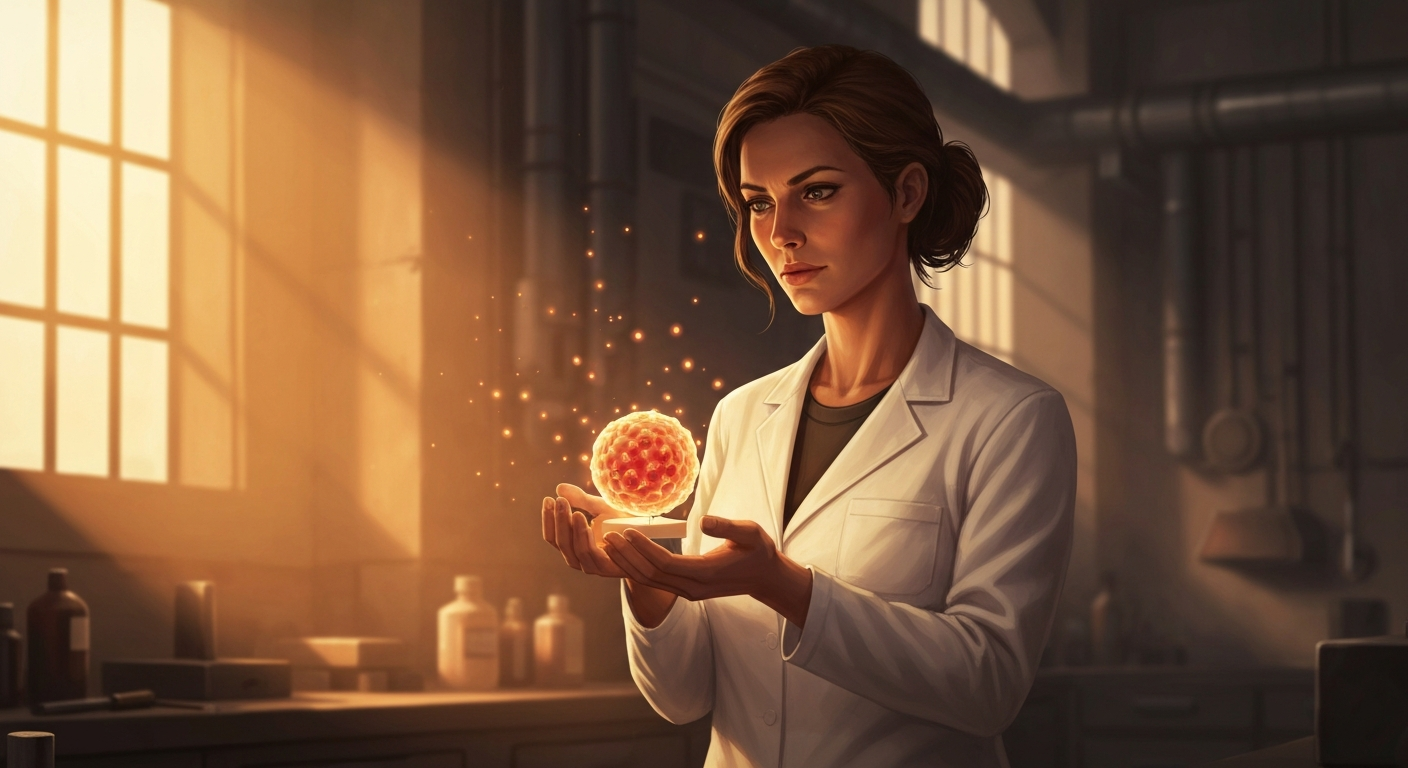
Your Body Can Finally Target Hidden Tumors
Imagine a tumor that hides from your body's defenses and ignores most treatments. Now, scientists are finding ways to sneak past its invisibility cloak using tiny delivery systems. This new approach could change how we fight aggressive cancers, especially those with no current targets.
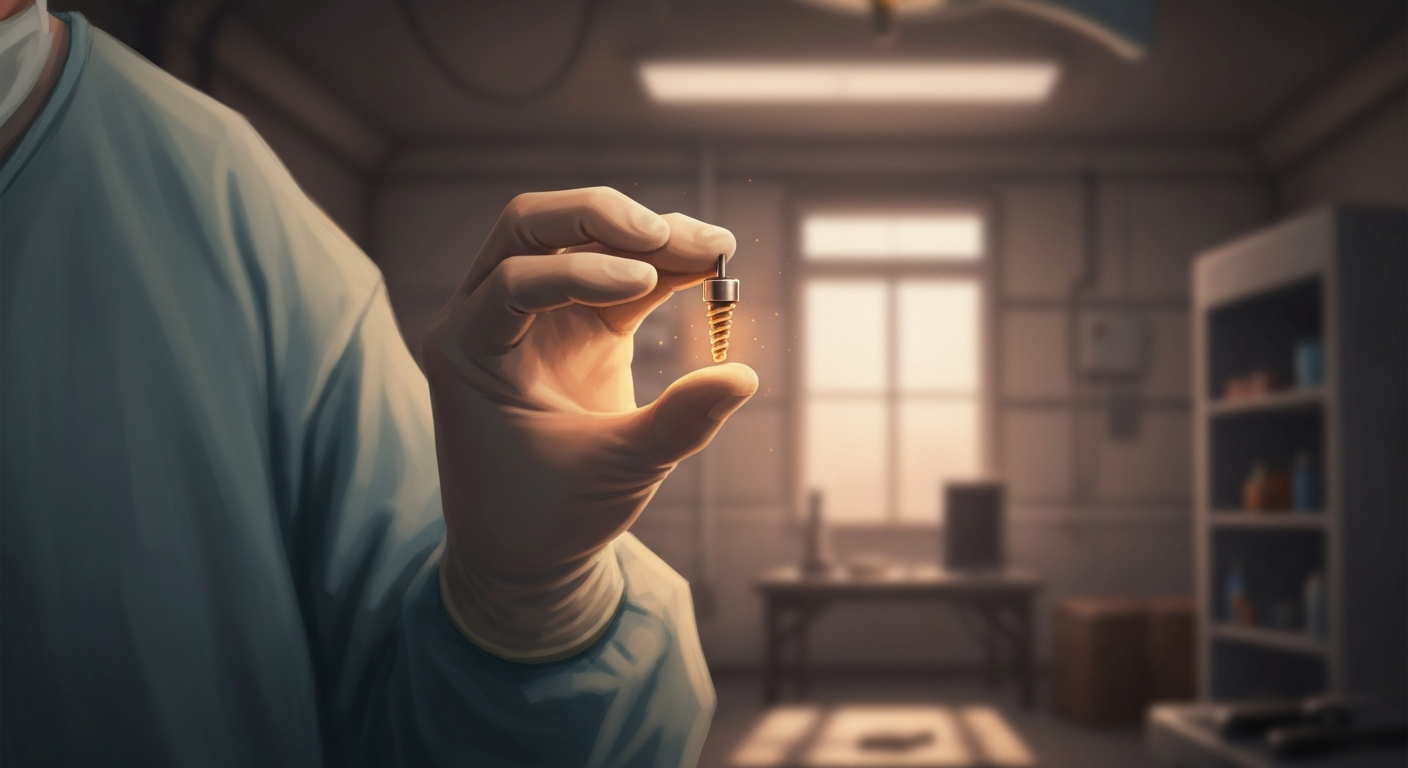
Your Body Can Finally Target Sickness
Imagine a tiny smart material inside you, releasing medicine exactly where and when you need it. This isn't science fiction; new materials are bringing pinpoint drug delivery closer, aiming to make treatments far more effective and with fewer side effects.
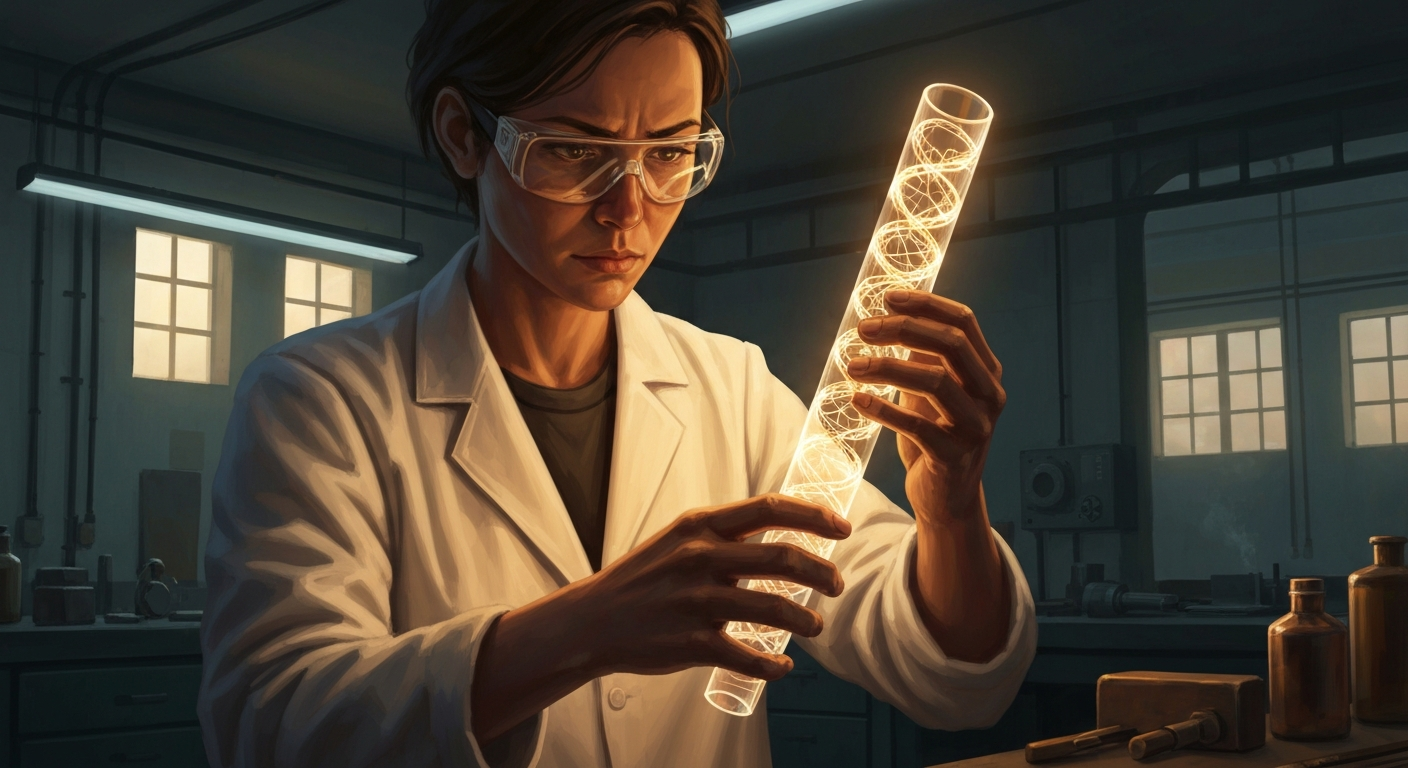
Your Body Can Finally Grow New Veins
Imagine replacing a damaged blood vessel with one your body builds itself, perfectly integrated and robust. Scientists have now designed a material that not only repairs but actively guides your body to regenerate its own resilient new veins.

Why Your Home Wiring Gets Hot
Ever wonder why some wires get warm while others stay cool, even when they're identical? A bold new theory suggests electricity isn't just electrons, but a hidden "halo" of energy around every charged particle, explaining why materials conduct differently and paving the way for wiring that never wastes power.
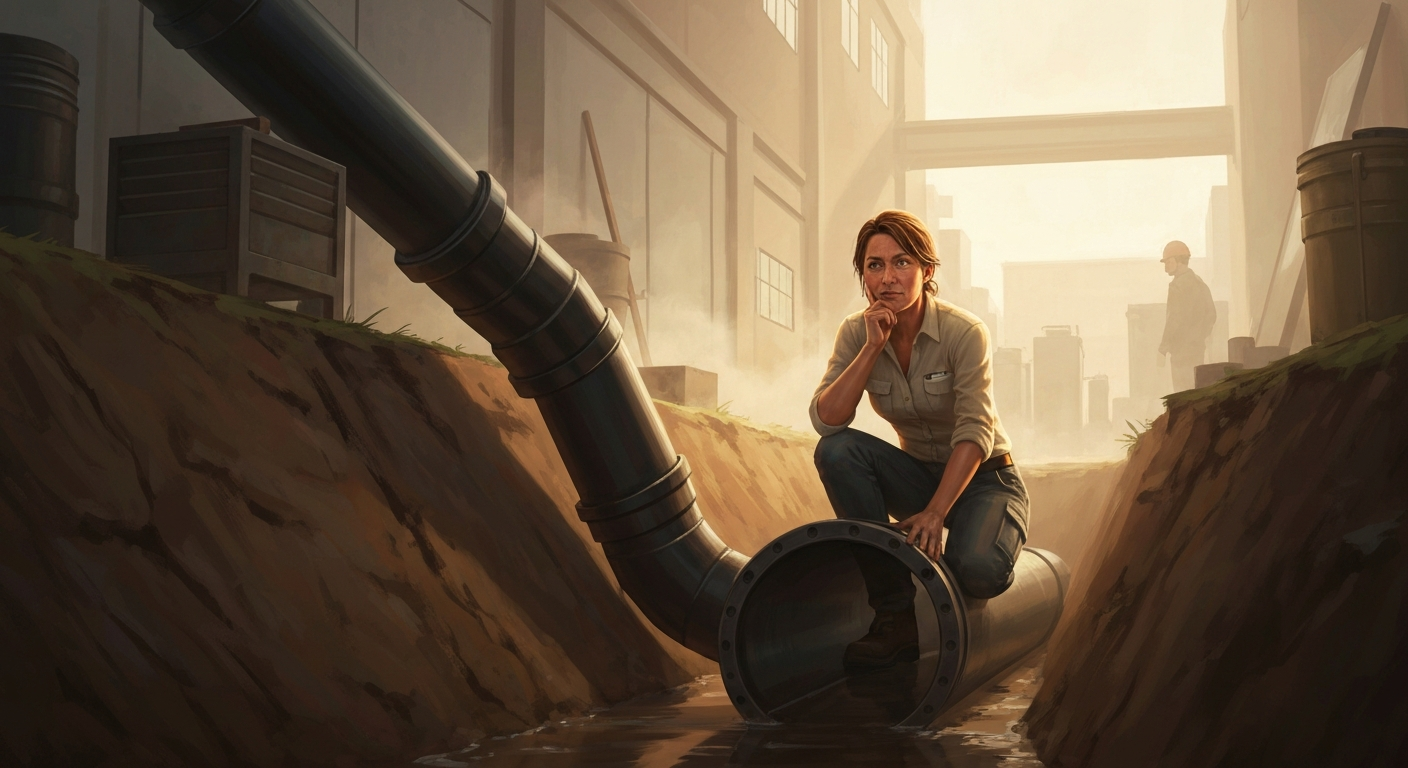
Your Rain Pipes Are Secretly Releasing Plastic
Did you know the pipes beneath your streets could be shedding tiny plastics into our water? Learn how scientists are finally tracking this hidden pollution and what it means for your drinking water.
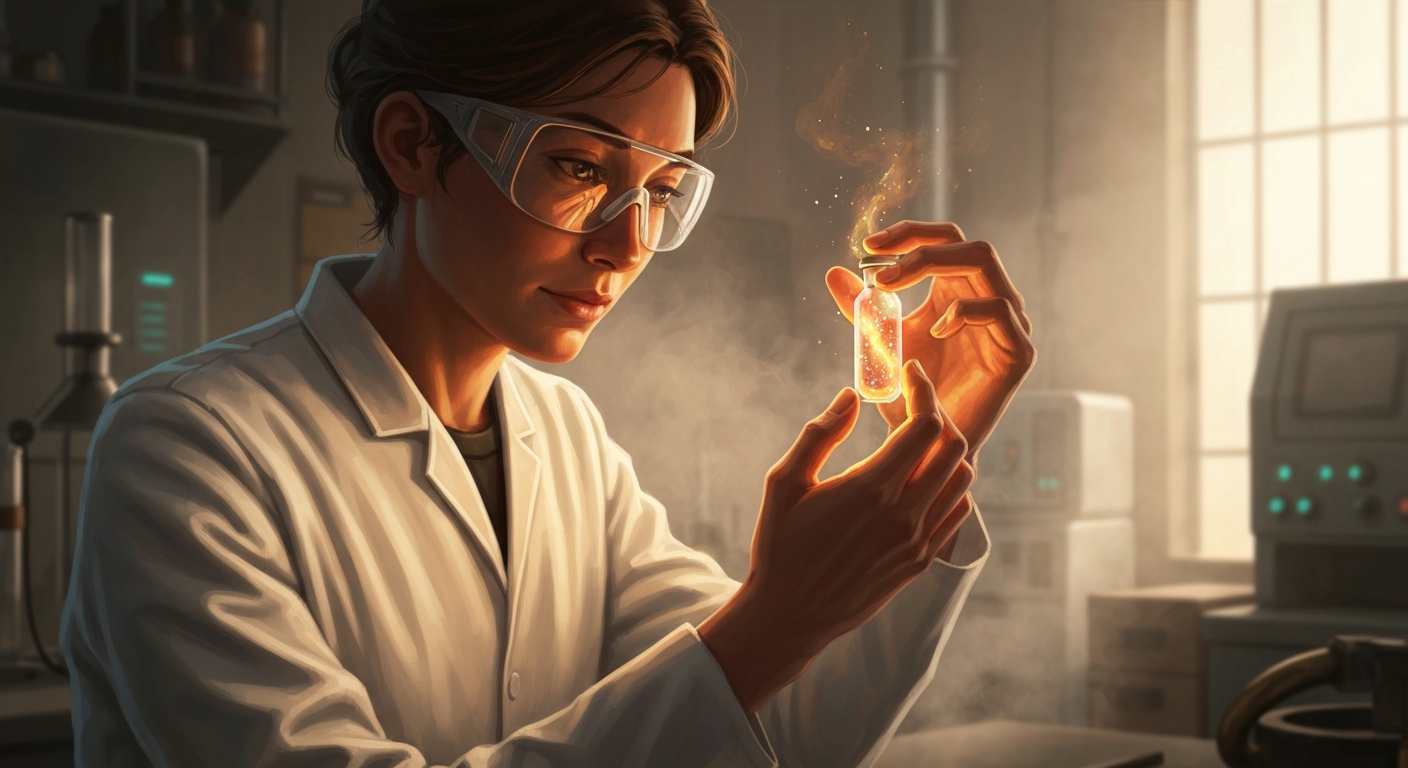
Tiny Engines Quietly Fix Your Body
A microscopic machines inside you, repairing damage and fighting illness. This emerging science is finding new ways to put nature's own power to work for your health.

Your Future Home May Quietly Float You
Imagine a life in space where your body feels perfectly normal, with no bone loss or muscle wasting. A new system promises to create comfortable, self-powered gravity without spinning entire habitats.