Your Body Could Print Its Own New Parts
Imagine growing replacement organs right inside your body, or simply printing a new piece of heart tissue. Scientists are building flexible, living materials that make this future closer than you think.
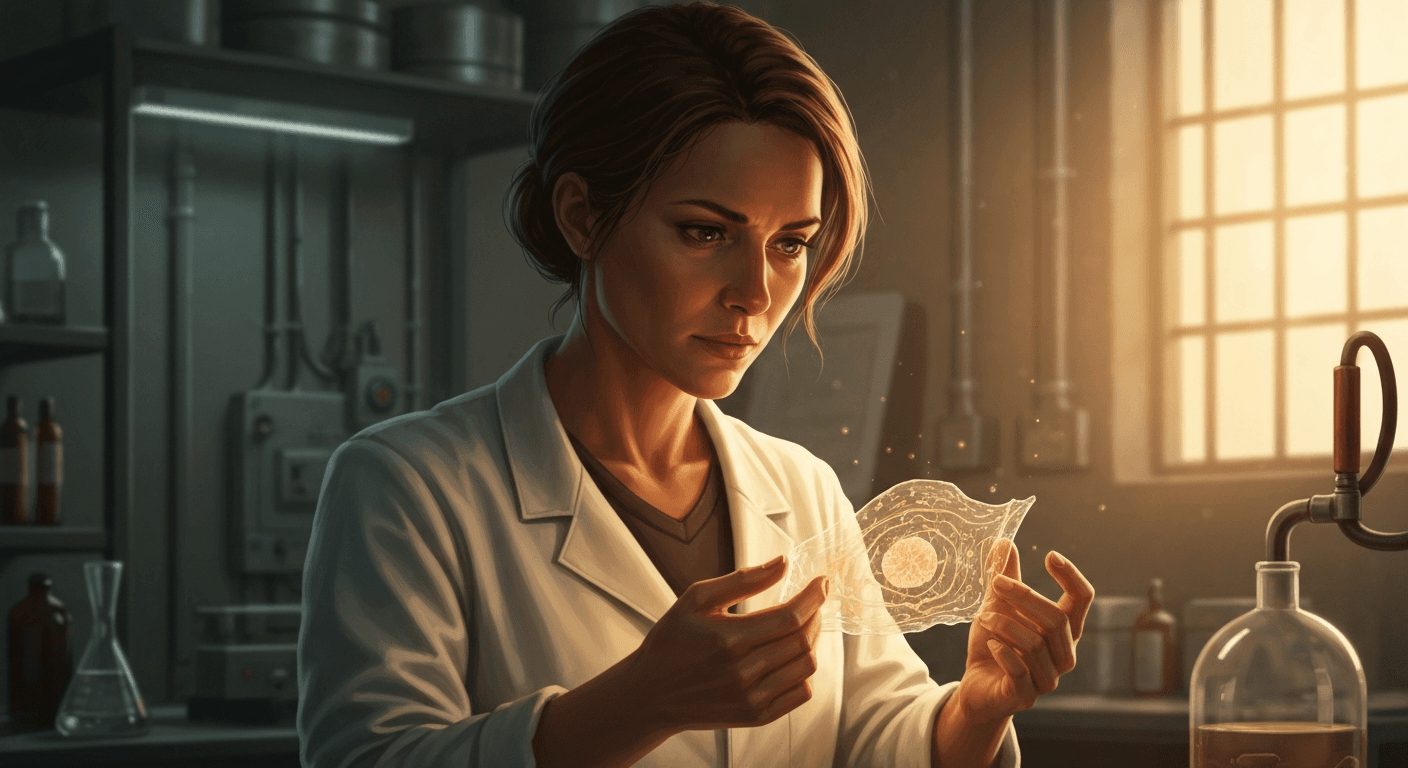
Your body might soon be able to print its own spare parts, not in some distant science fiction future, but surprisingly soon. Researchers have successfully created new kinds of flexible, living materials that can be 3D printed into shapes like blood vessels or even heart tissue, and then detach themselves from the printer’s surface, ready to be used or implanted. This is like a baker making a cake that not only bakes itself into the perfect shape but also lifts itself off the pan, ready to serve.
This isn't just theory; we're talking about materials you can actually touch, print, and manipulate right now. A team led by Professor Kenjiro Hanabusa at the Tokyo University of Science recently demonstrated this with "sparse bottlebrush copolymers," a fancy name for plastic chains with bristles, much like a tiny bottle brush. These aren't rigid, ordinary plastics; they're soft and squishy, mimicking the elastic feel of your own tissues, like the stretchy skin around your elbow.
Printing Living Scaffolds From New Materials
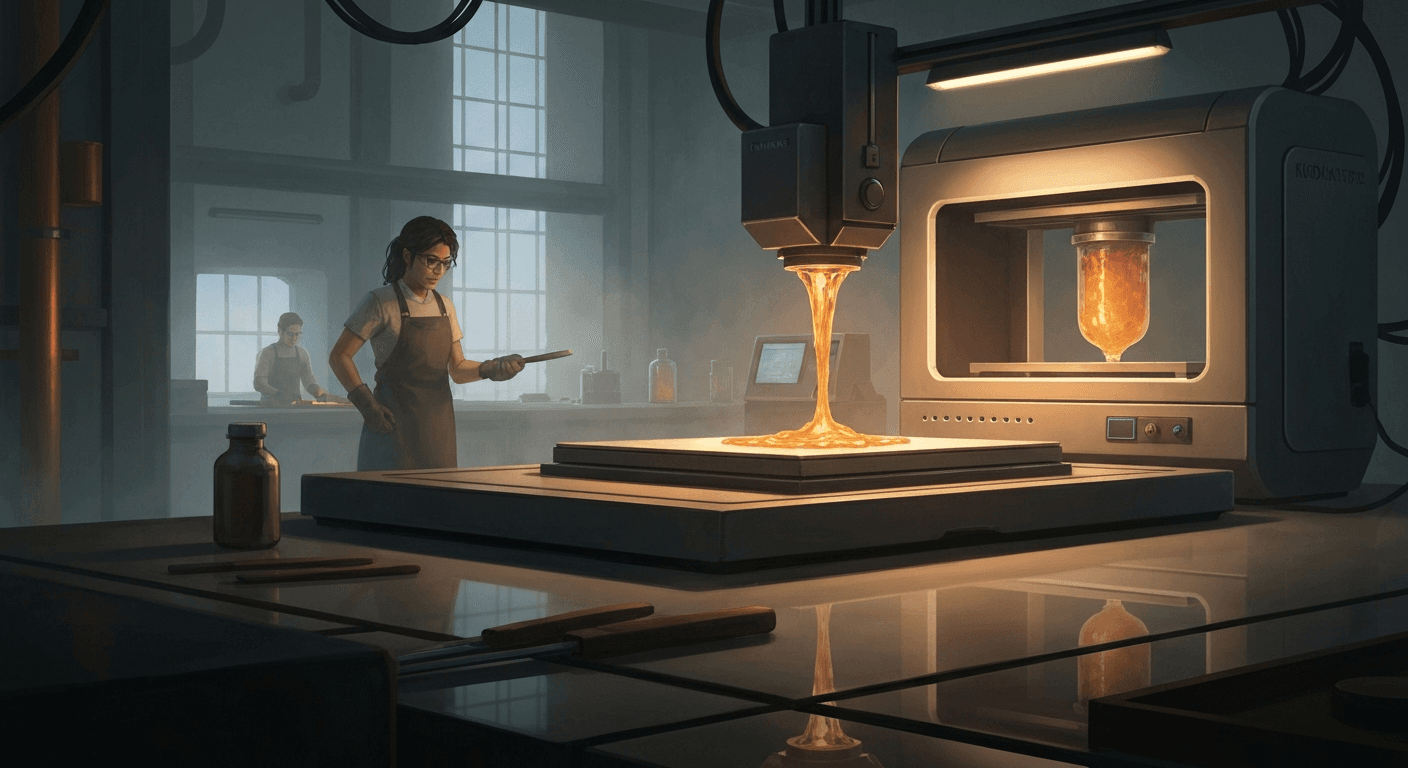
The core idea here is creating biomaterials that act like tiny construction frameworks for your cells, offering both strength and flexibility. Think of it like a gardener's trellis, guiding plants (your cells) to grow in a specific pattern. These new materials, made from poly(OEGMA-stat-MMA) copolymers, can be melted and squirted out of a 3D printer at just 80°C – that's only a little hotter than a really steamy cup of coffee. This low temperature is crucial because it means living cells can survive the printing process without being cooked.
One of the most surprising facts about these materials is their ability to change their stickiness based on temperature. When warm, cells can attach and grow into complex structures, but when cooled, these cell clusters – like miniature organs called multicellular spheroids – simply detach. It's as if a temporary glue holds them when warm, and then loses its stickiness when chilled, releasing the formed tissue. This unique property could simplify the tricky process of harvesting newly grown tissues without damaging them.
What Makes These Materials So Special?
The secret sauce lies in their "bottlebrush" structure, which gives them properties similar to natural tissues. Imagine a regular plastic chain as a straight noodle; these bottlebrush polymers are like a noodle with many tiny spaghetti strands sticking out from it. These side chains give the material its elasticity, allowing it to stretch and return to its original shape, much like your muscles or skin. They can achieve a wide range of stiffness, from very soft, like brain tissue, to quite firm, like cartilage.
This precise control over stiffness and elasticity means scientists can tailor materials to perfectly match different body parts. For example, a material designed to replace a damaged blood vessel needs to be flexible and strong, whereas a scaffold for a bone graft needs to be rigid. These copolymers also show "strain-hardening behavior," meaning they get stronger when you pull them, just like how a rubber band becomes harder to stretch the further you pull it. This is a critical property for materials that need to withstand the constant stresses inside your body.
From Lab Bench to Your Body: The Path Ahead
So, what's holding this back from becoming common practice? While the materials themselves are impressive, the next big step is ensuring they integrate flawlessly with your body. We're talking about making sure your immune system doesn't reject them and that they can safely biodegrade or remain stable long-term. Currently, researchers like those at Osaka University are exploring how these materials can be used to grow new veins or repair other organs.
This field is moving at incredible speed, with significant investment in computer-aided material design. If clinical trials for safety and effectiveness progress well, it's not unreasonable to imagine these 3D-printable, self-detaching materials being used in specialized surgical procedures within 10 to 15 years. Imagine a future where, instead of waiting for an organ donor, doctors could print a custom patch for your heart or a new piece of cartilage for your knee, grown from your own cells. This could fundamentally change how we approach organ repair and replacement, making regenerative medicine a much more personal and immediate solution.
Myth vs. Reality: Printed Organs Today?
Myth: You can print a fully functional human organ, like a heart, right now in a lab. Reality: While impressive strides have been made, we can currently print much simpler tissue structures, like thin sheets of cells or small tubes. Printing a complex, fully functional organ with all its blood vessels and nerve connections is still a major scientific challenge, likely decades away. The current focus is on creating scaffolds and patches to assist existing organs or repair smaller sections.
Key Takeaways
- New "bottlebrush" polymer materials can be 3D printed at low temperatures to create flexible, living tissue scaffolds.
- These materials can mimic the elasticity and stiffness of natural body tissues, crucial for regenerative medicine.
- A unique temperature-responsive property allows grown cell clusters to easily detach, simplifying tissue harvesting.
Frequently Asked Questions
What are sparse bottlebrush copolymers? These are special plastic molecules shaped like tiny bottle brushes, featuring a main chain with many side branches. This structure gives them unique properties like flexibility and controlled stiffness, mimicking natural body tissues.
How can these materials be 3D printed? They can be melted at low temperatures (around 80°C) and extruded through a 3D printer nozzle. This process creates precise shapes, allowing cells to be embedded or grown on the printed structures without being damaged by heat.
Why is detaching cell clusters important? The ability for grown cell clusters (like mini-organs) to detach from the printed surface upon cooling is key. It allows scientists to easily harvest delicate, lab-grown tissues without causing damage, which is vital for use in therapies.
When could this technology impact healthcare? While still in research and development, if safety and effectiveness trials are successful, customized tissue patches or scaffolds from these materials could potentially be used in specialized medical procedures within 10 to 15 years.
Editorial note: The scientific findings presented in this article are sourced exclusively from published research papers, peer-reviewed studies, certified inventions, and registered patent filings. Images generated by AI.
Stay ahead of the curve
The science that shapes tomorrow — in your inbox every week
The scientific findings presented in our articles are sourced from published research papers, peer-reviewed studies, certified inventions, and registered patent filings. Subscribe for focused weekly coverage, hands-on explainers, and practical insights that help you stay curious — no jargon, no noise.
By subscribing, you agree to receive newsletter and marketing emails, and accept our Terms of Use and Privacy Policy. You can unsubscribe anytime.
Battery Materials, Energy Storage Chemistry & Electric Vehicle Technology
Battery materials journalist covering the chemistry behind the electric revolution — and why the next decade of progress depends on what's inside the cell, not outside it.
View full profile →