Your Skin Will Soon Feel Everything Better
Imagine wearing electronics that stick like an octopus and feel like a second skin. New gel-mediated electrodes could make future health monitors incredibly comfortable and effective.
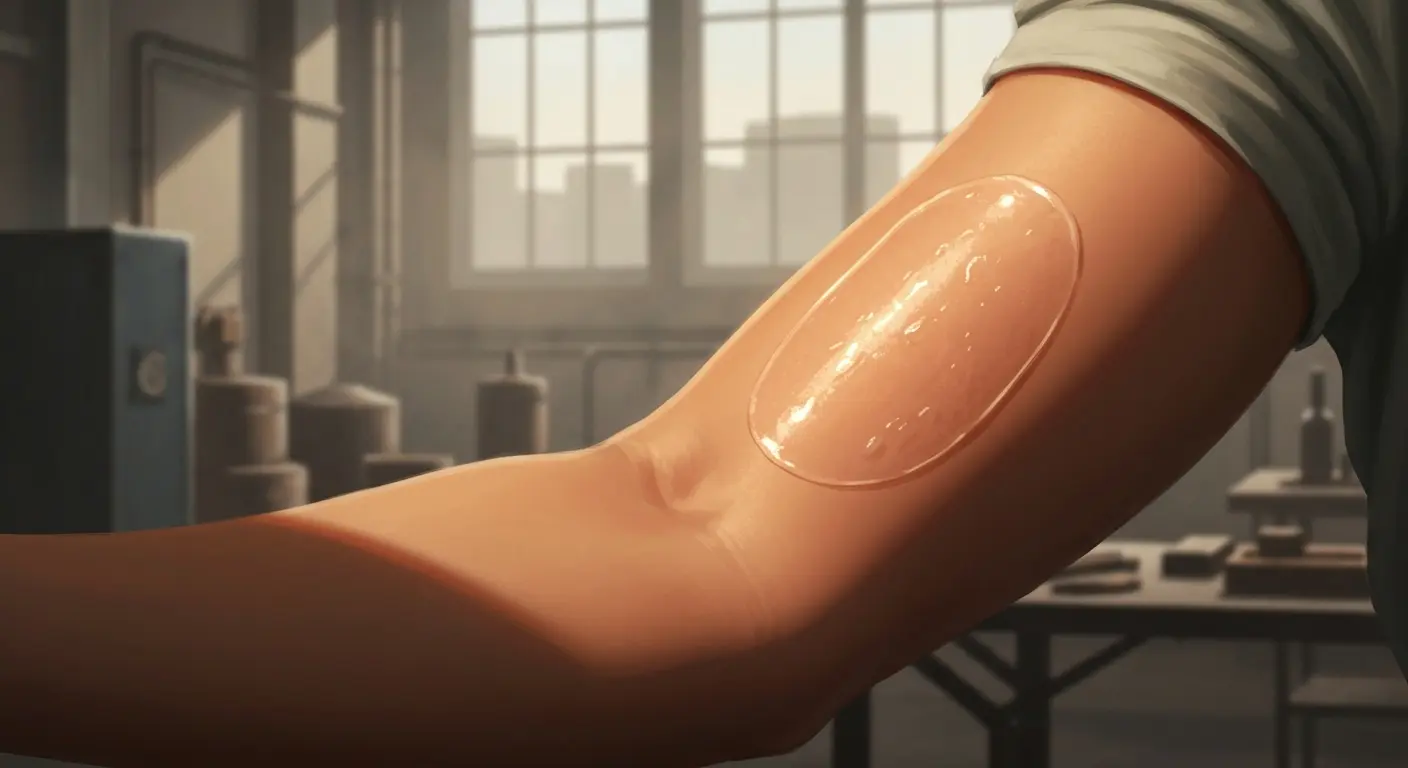
Your skin is about to get a serious upgrade in how it interacts with electronics. For years, sticking gadgets to your body for health monitoring or rehabilitation has been a fiddly, often irritating experience. But what if those devices could adhere powerfully, yet gently, mimic your skin's flexibility, and even improve how electrical signals pass through?
Scientists have engineered new electrodes that manage exactly that, drawing inspiration from unlikely places: the octopus and even your wrinkled fingertips. These aren't just minor tweaks; they represent a fundamental rethink in how we bond technology to our bodies, moving beyond sticky tapes and rigid sensors that often cause more problems than they solve. Researchers at Northwestern University, publishing their work in Advanced Materials in May 2024, showed how these new devices could record electrical signals with precision and deliver electrical stimulation more efficiently than anything before.
How Octopus-Inspired Suction Makes Electronics Stick Better
The secret behind these new electrodes lies in two key innovations, working together. First, they feature tiny, octopus-inspired suction units molded into a carbon nanotube-silicone material. Think of these like miniature plungers that create a vacuum, similar to how an octopus uses its suckers to grip objects tightly without needing a strong adhesive glue. This biomimetic design allows for incredibly strong adhesion—up to 77 joules per square meter, which is a seriously firm grip—without leaving any residue or causing skin irritation.
Second, the surface also uses microwrinkles, like the wrinkles on your fingertips when they get wet, but induced chemically with a special polymer called polyethylenimine (PEIE). These tiny wrinkles increase the surface area and help the electrode conform intimately to your skin’s natural contours, making the contact between the device and your body smoother and more complete.

Why a Gel Interface Is Key to Smarter Skin Tech
While the suction units and microwrinkles give you excellent mechanical adhesion, the true genius is how these electrodes use a gel to bridge the gap. Instead of sticking dry plastic directly to your skin, these devices incorporate an electrolyte gel—a jelly-like substance that conducts electricity, much like the gel pads you might see on medical equipment. This gel acts like a superhighway for electrical signals, ensuring they travel between the device and your body with minimal resistance.
This gel interface dramatically improves performance; it reduces the charge-transfer resistance across the skin by a staggering 20-fold. Imagine trying to send an urgent message through a muffled speaker versus a crystal-clear microphone—that's the kind of difference this gel makes. This low impedance means clearer signals for health monitoring and more effective delivery of electrical stimulation, like for soft suits that help your body move again in physical therapy. The electrodes maintained their performance over 100 reapplication cycles, proving their durability and reusability.
What These New Electrodes Mean For Your Daily Life
These advanced electrodes are not just laboratory curiosities; they promise to dramatically change how we use wearable electronics. For patients in rehabilitation, this could mean more comfortable and effective treatments that don't cause skin irritation or require constant reapplication. Imagine wearing a sensor for days that you barely notice, but it's sending clinical-grade data to your doctor.
The implications go beyond just health monitoring. For instance, surface functional electrical stimulation, used to help stimulate muscle movement in people with nerve damage, saw a 50% higher efficiency with these new electrodes in large muscle groups. This means better outcomes for patients, potentially speeding up recovery and improving quality of life. The ability for these devices to provide clear signals also improves the accuracy of diagnostic tools, akin to how your heart scans may soon see hidden damage with better imaging tech.
When Can You Expect These on the Market?
While the research is promising, getting these biomimetic electrodes from the lab to your skin will still take some time. The fabrication methods, involving simple mold casting, are relatively straightforward and scalable, which is a good sign for future mass production. However, extensive clinical trials, regulatory approvals, and manufacturing scale-up mean we are likely looking at 5-10 years before these become widely available.
The developers envision them playing a crucial role in next-generation healthcare, especially for assistive neurotechnology and long-term health monitoring. The shift from rigid, irritating adhesives to comfortable, skin-conforming interfaces is a big leap forward. You could soon wear devices that truly feel like a natural extension of your body, making monitoring your health or aiding recovery a much more comfortable and effective experience. These innovations also pave the way for other advanced wearable devices, like the ones that might utilize your phone camera could spot sickness early.
One surprising fact: the carbon nanotube-silicone composite allows these electrodes to be as mechanically compliant as your skin itself, meaning they stretch and flex just like you do. This makes them incredibly comfortable for long-term wear, unlike rigid conventional sensors.
Key Takeaways
- New electrodes mimic octopus suction and skin wrinkles for strong, comfortable adhesion without irritation.
- An integrated conductive gel dramatically improves electrical signal transfer by 20-fold, enhancing data clarity and stimulation efficiency.
- These durable, skin-like devices promise more effective rehabilitation and long-term health monitoring, but widespread availability is still 5-10 years away.
Frequently Asked Questions
What are biomimetic electrodes? Biomimetic electrodes are electronic sensors designed to mimic natural biological structures, like an octopus's suckers, allowing them to adhere to and interact with skin more effectively and comfortably than traditional electrodes.
How do these new electrodes stick to skin? They use tiny, octopus-inspired suction units for strong adhesion and chemically induced microwrinkles that help them conform closely to the skin, all mediated by a conductive electrolyte gel.
Why is a gel interface important for these electrodes? The gel acts as a highly efficient electrical conductor, dramatically reducing signal resistance between the device and the skin, which leads to clearer health monitoring data and more effective electrical stimulation.
When will these be available for consumer use? While the technology is very promising, it will likely take 5-10 years for these electrodes to undergo full clinical trials and achieve regulatory approval for widespread consumer and medical use.
Editorial note: The scientific findings presented in this article are sourced exclusively from published research papers, peer-reviewed studies, certified inventions, and registered patent filings. Images generated by AI.
Stay ahead of the curve
The science that shapes tomorrow — in your inbox every week
The scientific findings presented in our articles are sourced from published research papers, peer-reviewed studies, certified inventions, and registered patent filings. Subscribe for focused weekly coverage, hands-on explainers, and practical insights that help you stay curious — no jargon, no noise.
By subscribing, you agree to receive newsletter and marketing emails, and accept our Terms of Use and Privacy Policy. You can unsubscribe anytime.
Battery Materials, Energy Storage Chemistry & Electric Vehicle Technology
Battery materials journalist covering the chemistry behind the electric revolution — and why the next decade of progress depends on what's inside the cell, not outside it.
View full profile →