Rohan Kapoor
AI in Healthcare, Biomedical Computing & Drug Discovery Algorithms
Computational biologist and science journalist covering the remarkable collision of artificial intelligence with medical research.
About
Articles by Rohan Kapoor
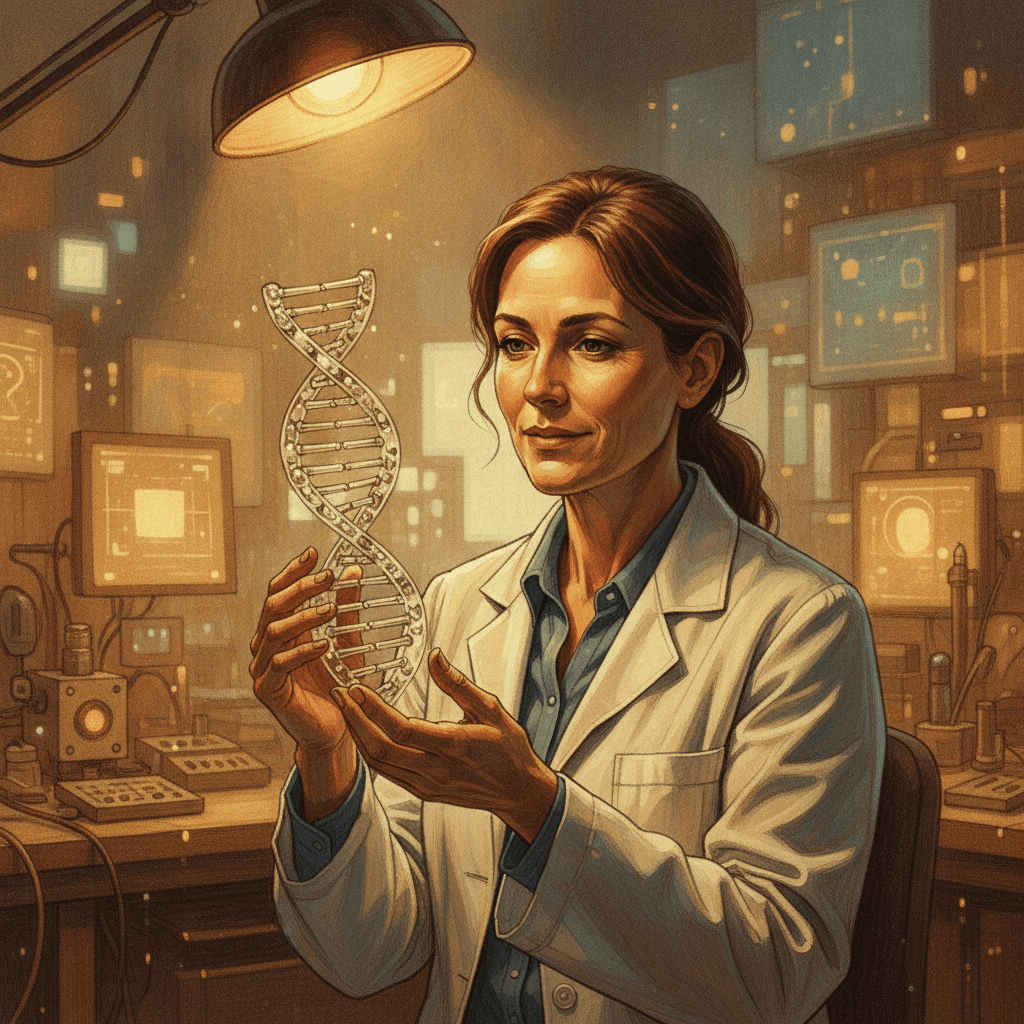
Your Body Could Soon Welcome New Gene Fixes
Imagine your body being ready for crucial gene treatments, even if your immune system previously blocked them. A new AI approach could make this a reality, letting vital therapies reach their target cells.

AI Just Quietly Healed Skin Faster
Chronic wounds can be incredibly tough to fix, often causing ongoing pain and infection. Scientists are now using artificial intelligence to design tiny helpers that could mend these wounds quicker and more effectively than ever before.

See Tiny Hidden Things No Radar Ever Could
Imagine spotting a mosquito-sized drone miles away, even when it's actively trying to hide. This new technology lets radar "see" invisible objects, offering incredible new security and monitoring possibilities.

How Your Robots Finally Understand What You Want
Ever felt like a robot just isn't quite "getting" what you're trying to achieve? New AI research lets machines learn your preferences, not just your commands, solving a major frustration with automation.

What Your Achy Joints Are Really Telling You
That nagging joint pain isn't just wear and tear; it's a complex conversation happening inside your body. New discoveries about tiny biological messengers could soon offer real repair, not just pain relief.

AI Just Quietly Found Your Hidden Sickness
Your body constantly releases tiny packages of information that reveal your health, but they're incredibly hard to read. New AI tools are finally decoding these secret messages, promising earlier detection for serious diseases like cancer.

Your Computer Could Solve Impossible Problems Faster
Complex puzzles that stump even our most powerful supercomputers might soon find answers in a surprising place. Discover how a new approach to quantum computing could unlock solutions for logistics, drug design, and beyond, using far fewer resources than you'd expect.

Your Medical Reports Will Finally Make Sense
Medical reports often feel like a foreign language, leaving you confused and worried. Soon, a new AI system could translate complex medical jargon into clear, personalized explanations you can actually understand.
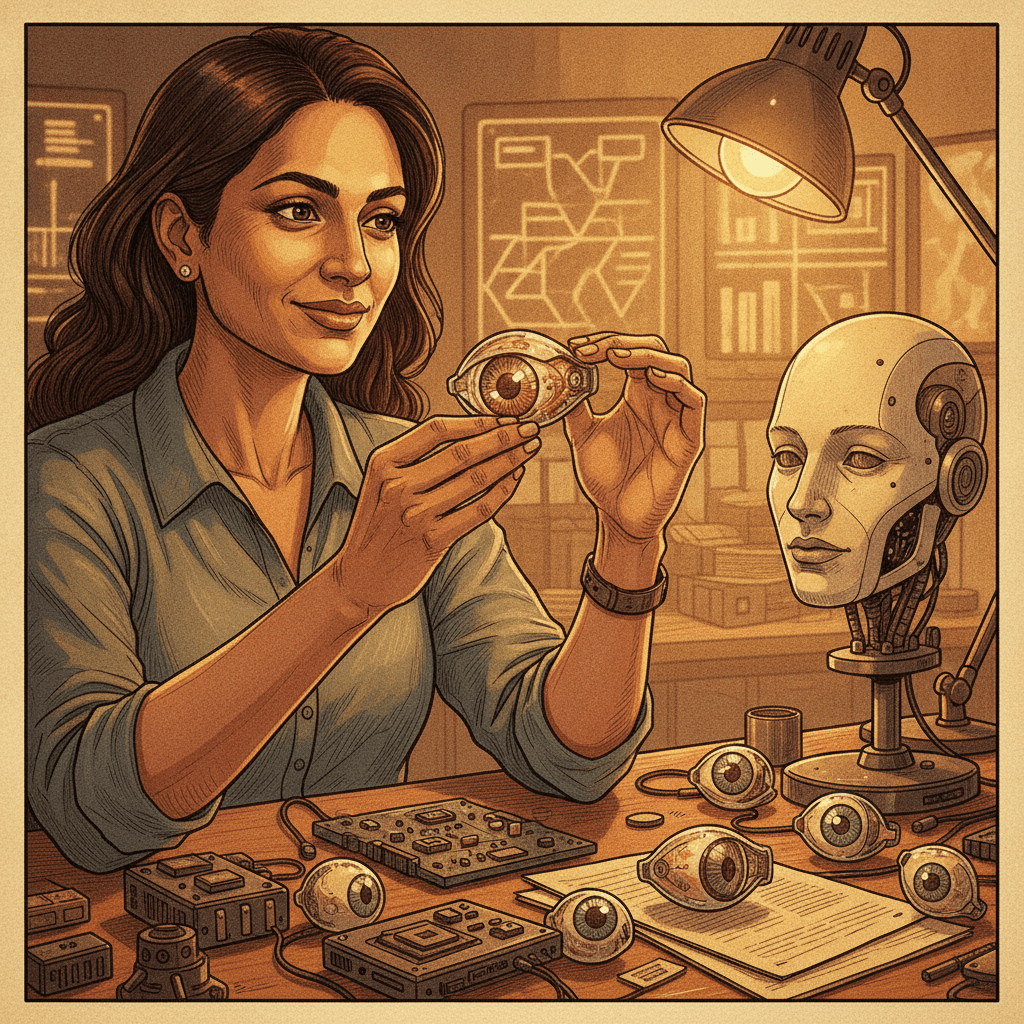
Your Robots Will Soon See Exactly Like You
Imagine trying to teach someone a complex task if they could only see tiny fragments of what you do. This new data engine records every sight, sound, and touch, helping AI understand human actions in a way never before possible.
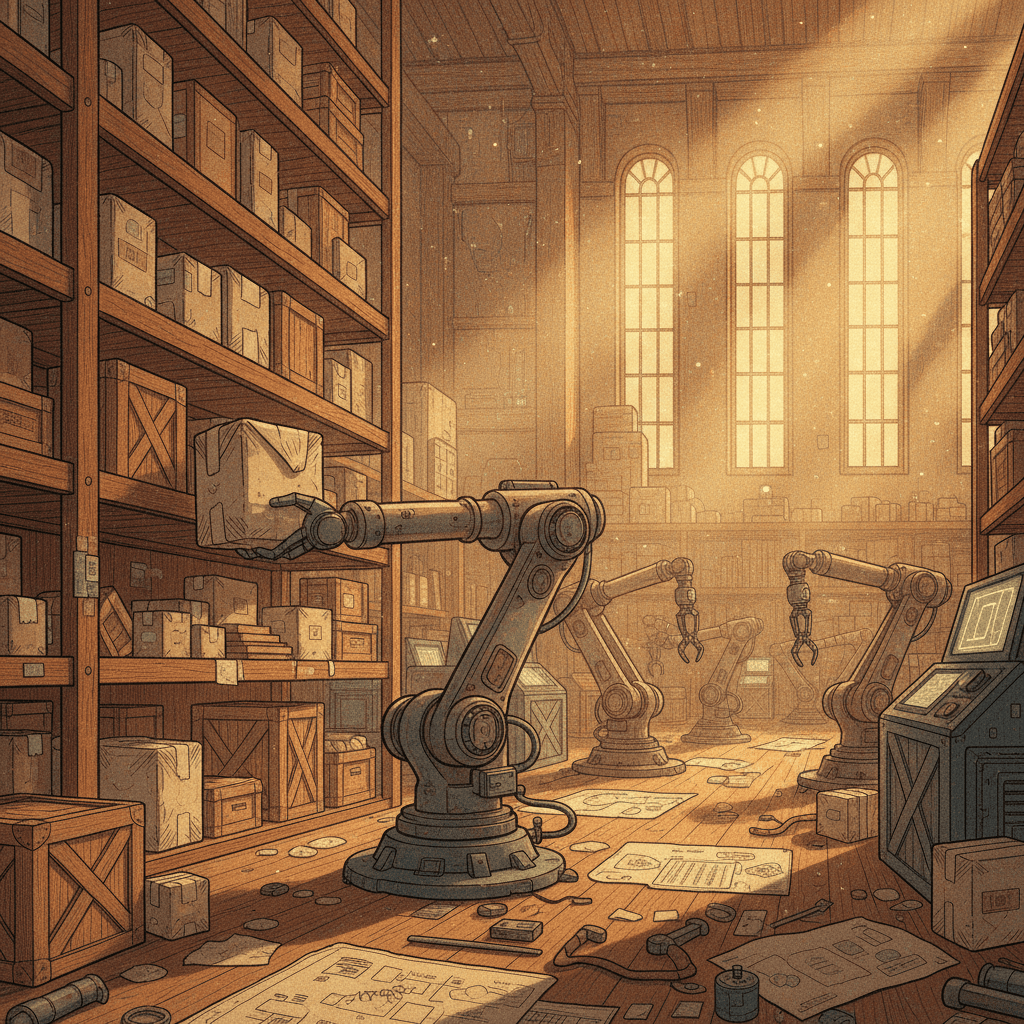
Robots Just Learned How You Feel Objects
Ever tried to pick up a wet bar of soap or a flimsy sheet of paper? Robots struggle with this daily, often dropping or crushing things. New research is teaching machines how to "feel" an object's weight, slipperiness, and firmness just like you do.

Your Brain Quietly Predicts Your Next Move
Ever wonder why you sometimes react to things before you even consciously think about them? New research suggests your brain is constantly running complex simulations. Learn how this hidden ability could finally make personalized medicine a reality and improve how we heal.

Your Robots Will Soon See the Future
Why do robots still struggle with simple tasks like picking up a dropped pen? The problem isn't just vision; it's predicting how objects move and change, but new AI is finally fixing this. Discover how machines are learning to "think" in four dimensions and what it means for everything from factory floors to your future smart home.

AI Can Now Spot Cancer Cells Doctors Miss
Tiny, early-stage cancer cells often slip past standard screening. New AI models are catching what human eyes miss, cutting diagnosis time and sharpening treatment precision.

Your Phone Could Soon Beam Invisible Light
The light in your pocket might soon do more than illuminate your screen, emitting invisible beams with incredible control. Scientists are now building tiny, layered light sources that promise new ways to send data and power quantum computers.

Your X-Rays May Soon Not Need Radiation
Did you know that children's hospital visits for broken bones expose them to radiation that builds up over a lifetime? A new AI-powered imaging method promises to show bone injuries without a single X-ray.

Drones Quietly Protect Your Food and Farms
Weeds are costing farmers billions every year, reducing harvests by nearly a third. Imagine precisely targeting only the weeds, slashing chemical use, and saving money with smart drones.
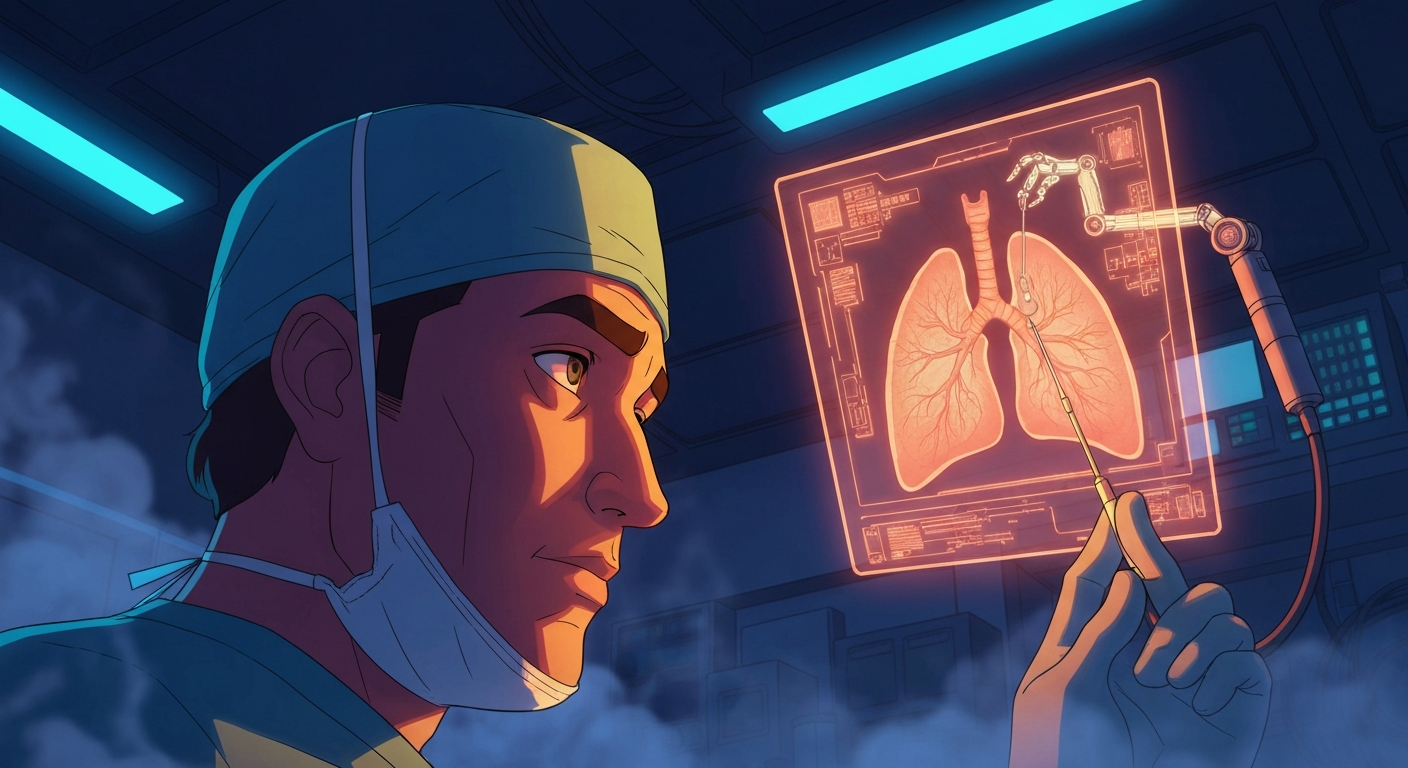
Robots Quietly Freeze Away Your Lung Tumors
Imagine a future where robots precisely target and destroy hidden lung tumors with extreme cold. This article reveals how this quiet approach is already showing incredible accuracy and could change how doctors fight cancer.

Your Heart Scans May Soon See Hidden Damage
Heart attacks remain a leading killer, but current scans can miss early damage. New AI could soon spot subtle clues in your heart's movement, offering doctors a chance to intervene sooner and potentially save lives.

AI Quietly Protects Your Liver From Drugs
Did you know common medications could secretly be harming your liver, especially as you age? Learn how artificial intelligence is finally finding these hidden dangers to keep you safer.

Your AI is Quietly Storing Your Secrets
Ever wonder if the AI tools you use are truly private? New research shows how your confidential information might be getting stored in unexpected places. Learn how to protect your digital footprint from subtle data leaks.

Your Doctor May Soon See Future Sickness
A world where illness is caught before it even starts. This incredible new approach uses AI to spot hidden patterns in your data, promising earlier diagnoses for conditions like cancer.