AI Just Quietly Healed Skin Faster
Chronic wounds can be incredibly tough to fix, often causing ongoing pain and infection. Scientists are now using artificial intelligence to design tiny helpers that could mend these wounds quicker and more effectively than ever before.
Some wounds just won't heal, staying open for months or even years, causing a lot of pain and risking serious infection. But what if we could tell a wound exactly what it needs to fix itself, speeding up the healing process dramatically? This isn't some far-off dream. Researchers are actively working on it, creating smart, microscopic tools guided by AI to mend even the most stubborn injuries.
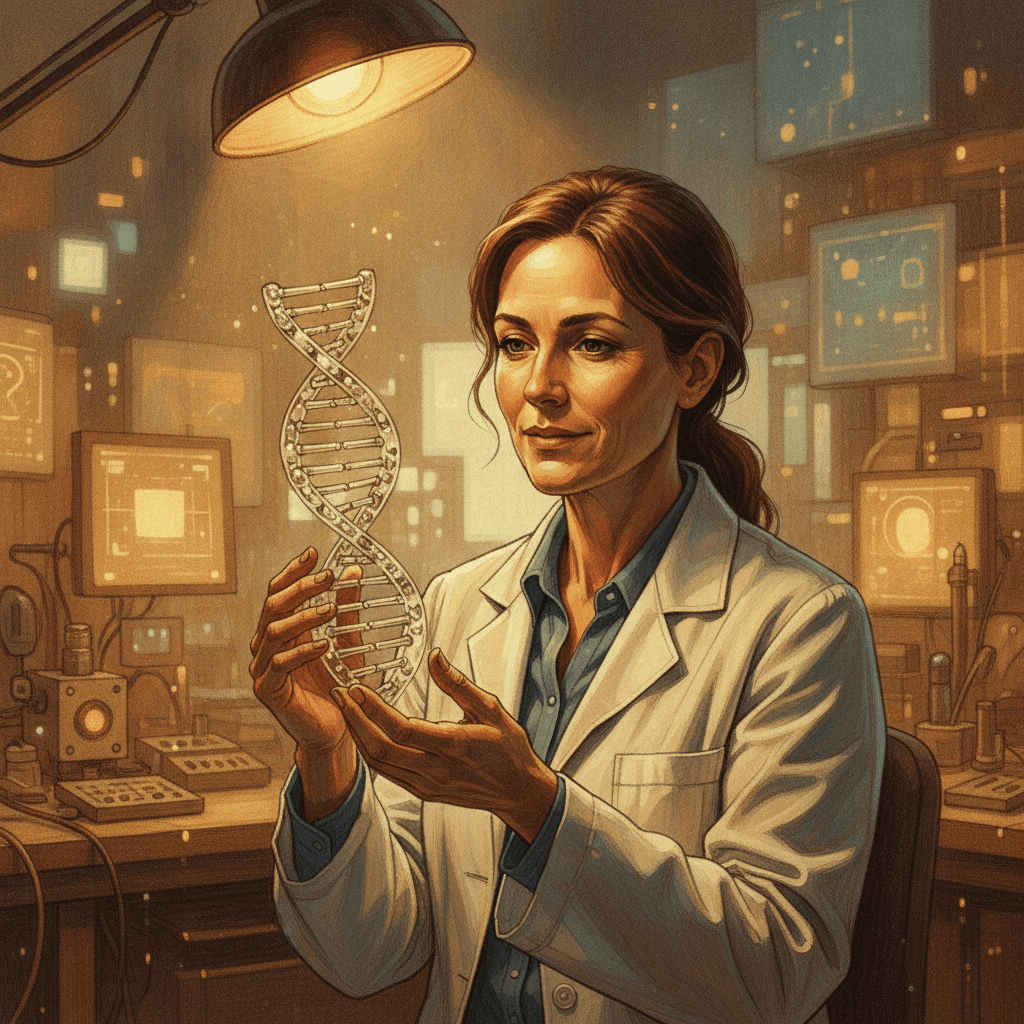
This isn't sci-fi. Real peer-reviewed evidence from institutions like the Chinese Academy of Sciences and Lanzhou University is showing how artificial intelligence can design "nanozymes," which are tiny, enzyme-like particles, to heal chronic wounds. Their work, published in Nano Today, specifically explores how AI can refine these nanozymes for precision therapeutics. These tiny helpers are like microscopic first responders, specifically engineered to deal with the chemical chaos happening inside a stubborn wound.
Your Body's Tiny Repair Crew Just Got Smarter
These nanozymes are like incredibly precise wrenches and screwdrivers for your body's cells. Imagine your body is a car, and a wound is a broken part. Instead of a mechanic just guessing which tool to use, AI helps design a nanozyme that's the exact right size and shape to fix a specific problem, like reducing harmful chemicals (called reactive oxygen species, which are like rust building up) or telling immune cells to calm down. Traditionally, finding the right nanozyme was a bit like blindly rummaging through a toolbox; AI, however, quickly sorts through millions of potential designs to find the best fit.
The key is something called "pathology-informed design." Think of it like a personalized treatment plan where the AI analyzes the specific details of a particular wound – its unique chemical environment, the type of bacteria present, how much inflammation there is – and then custom-builds a nanozyme to address those exact issues. It's a significant leap from the "one-size-fits-all" approaches we often use now. For instance, AI can help identify the ideal enzyme that breaks down plastic or predict how different compounds interact with tissues.
How Tiny Helpers Fix Big Problems
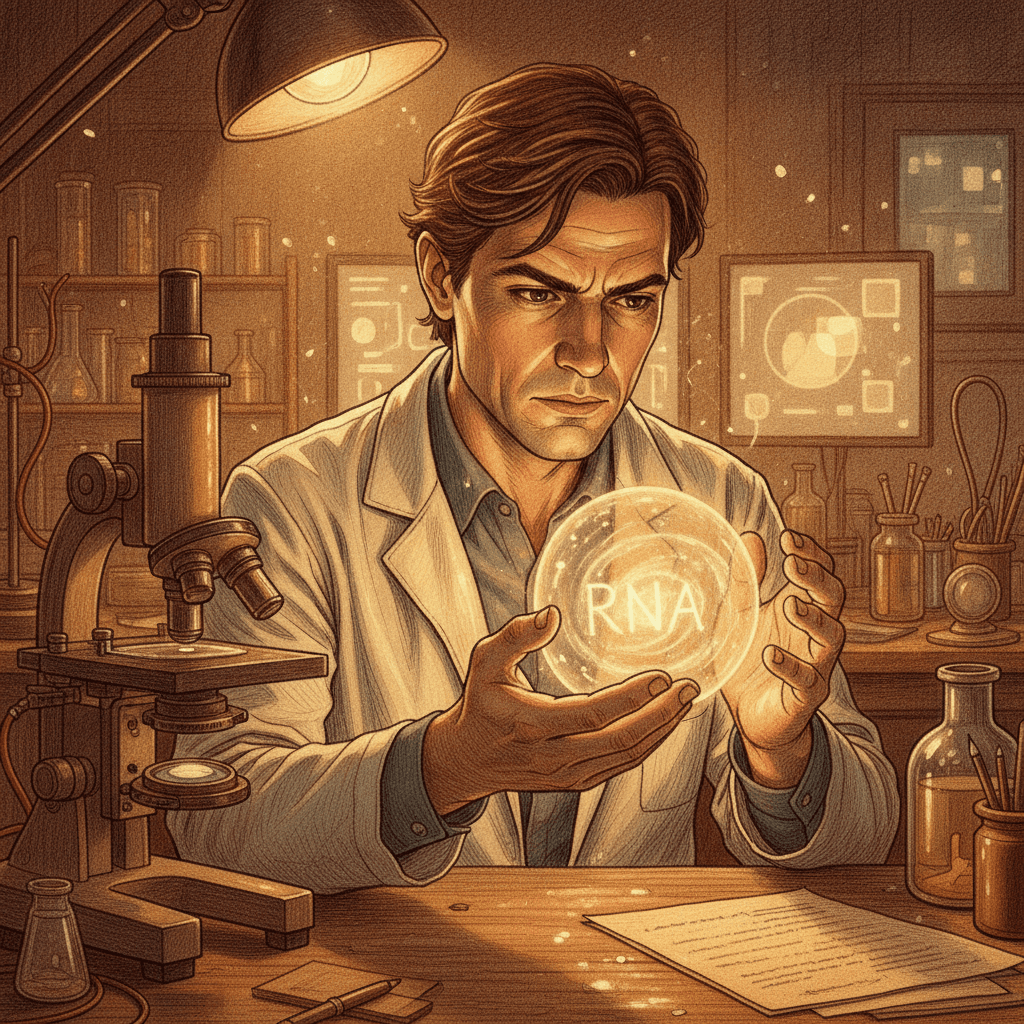
So, how do these nanozymes work? Your body has natural enzymes, which are biological machines that speed up chemical reactions, like breaking down food or fighting off invaders. Nanozymes are artificial versions, often made from metals or carbon, that can mimic these actions. AI's role is to look at a wound's complex biology – like a detective studying a crime scene – and predict which nanozyme structure will most effectively:
- Neutralize harmful chemicals: Chronic wounds often have an excess of reactive oxygen species, which are like tiny, destructive bombs that damage healthy cells. Nanozymes can disarm these bombs.
- Calm inflammation: Too much inflammation prevents healing, like constantly poking a bruise. Nanozymes can dial down this overreaction.
- Fight bad bugs: Many chronic wounds are home to stubborn bacteria. Some nanozymes have antimicrobial properties, acting like tiny, targeted antibiotics.
- Boost growth: They can encourage the growth of new blood vessels (angiogenesis) and tissue, speeding up the repair process.
It's a bit like a chef using AI to create the perfect recipe for a specific dietary need. Instead of trying hundreds of ingredients randomly, the AI knows what nutrients are missing or in excess and suggests the precise combination for optimal health. This level of customization is truly what sets this approach apart, moving beyond the traditional trial-and-error method in material science. The ability to design your body's shield with a brain is rapidly becoming a reality.
Addressing the Skeptics and Future Hurdles
Of course, not everyone is convinced just yet. Skeptics point to several challenges, including the need for more diverse and unbiased data to train the AI, ensuring these tiny particles can reliably reach the wound, and proving they work as well in a living body as they do in a lab dish. The link between how well a nanozyme works in a test tube and how it performs in a real wound isn't always clear. We also need much more long-term safety data to ensure these tiny helpers don't have unexpected side effects years down the line.
But if these challenges can be overcome, the implications are huge. Imagine a world where chronic wounds, which affect millions and cost healthcare systems billions, become a thing of the past. Beyond wound healing, this AI-guided approach could accelerate the development of precision medicines for countless other conditions, from cancer to neurodegenerative diseases. It shifts medical treatment from broad interventions to highly targeted, individualized therapies, leveraging AI's incredible power to understand biological complexity.
The surprising fact here is that one of the biggest hurdles isn't the AI's ability to design, but the quality and quantity of the data we feed it. AI is only as smart as its training. This highlights a crucial area for future research and collaboration, where collecting rich, diverse wound data becomes as important as the AI algorithms themselves.
What Else Changes if This Becomes Real?
If AI-designed nanozymes become a standard treatment, you could see a future where medical clinics offer highly personalized wound care. Instead of generalized creams or antibiotics, a doctor might take a sample of your wound, send it for AI analysis, and receive a custom nanozyme formulation specific to your wound's unique biology. This could drastically reduce healing times, lower infection rates, and improve quality of life for people suffering from diabetes, pressure ulcers, and other conditions causing non-healing wounds. The demand for advanced materials science and AI specialists in healthcare would also skyrocket.
We are truly witnessing science at its best: taking a persistent human problem, applying ingenious new tools, and pushing the boundaries of what's possible. The idea that AI can help design invisible, microscopic agents to precisely repair our bodies is nothing short of incredible.
Key Takeaways
- AI is now designing precision "nanozymes," tiny enzyme-like particles, to heal chronic wounds by targeting specific biological issues.
- This "pathology-informed design" allows AI to create customized treatments for individual wounds, addressing inflammation, harmful chemicals, and bacterial infection more effectively.
- While requiring more clinical testing and data, this approach promises faster healing and could revolutionize personalized medicine beyond just wound care.
Frequently Asked Questions
Q: What are nanozymes? A: Nanozymes are artificial materials, often tiny particles of metal or carbon, that can mimic the functions of natural enzymes in our bodies, speeding up specific chemical reactions to aid healing or fight infection.
Q: How does AI help design these nanozymes? A: AI analyzes the specific problems in a chronic wound, like inflammation or harmful chemicals, and then uses that information to design the most effective nanozyme structure and composition to address those exact issues.
Q: What are the main benefits of AI-guided nanozymes for wounds? A: They offer targeted treatment, meaning they can precisely address the unique biological conditions of a specific wound, potentially leading to faster healing, reduced infection risk, and fewer side effects compared to traditional methods.
Editorial note: The scientific findings presented in this article are sourced exclusively from published research papers, peer-reviewed studies, certified inventions, and registered patent filings. Images generated by AI.
Stay ahead of the curve
The science that shapes tomorrow — in your inbox every week
The scientific findings presented in our articles are sourced from published research papers, peer-reviewed studies, certified inventions, and registered patent filings. Subscribe for focused weekly coverage, hands-on explainers, and practical insights that help you stay curious — no jargon, no noise.
By subscribing, you agree to receive newsletter and marketing emails, and accept our Terms of Use and Privacy Policy. You can unsubscribe anytime.
AI in Healthcare, Biomedical Computing & Drug Discovery Algorithms
Computational biologist and science journalist covering the remarkable collision of artificial intelligence with medical research.
View full profile →