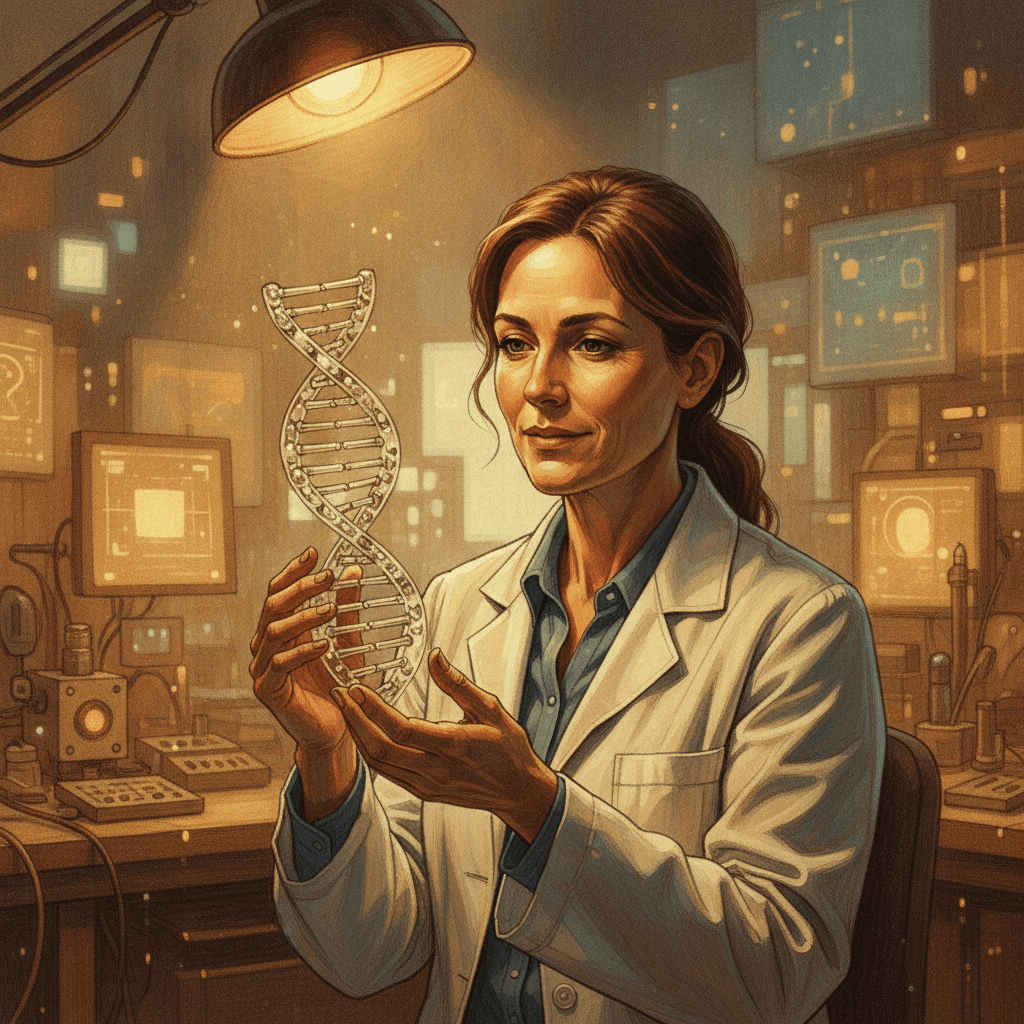
Your Body's Messengers Are Finally Getting Smarter
Your own cells make tiny RNA messages, but getting them to fix sickness has always been a puzzle. New computing tools are now helping design these RNA messages and their delivery systems with incredible precision.
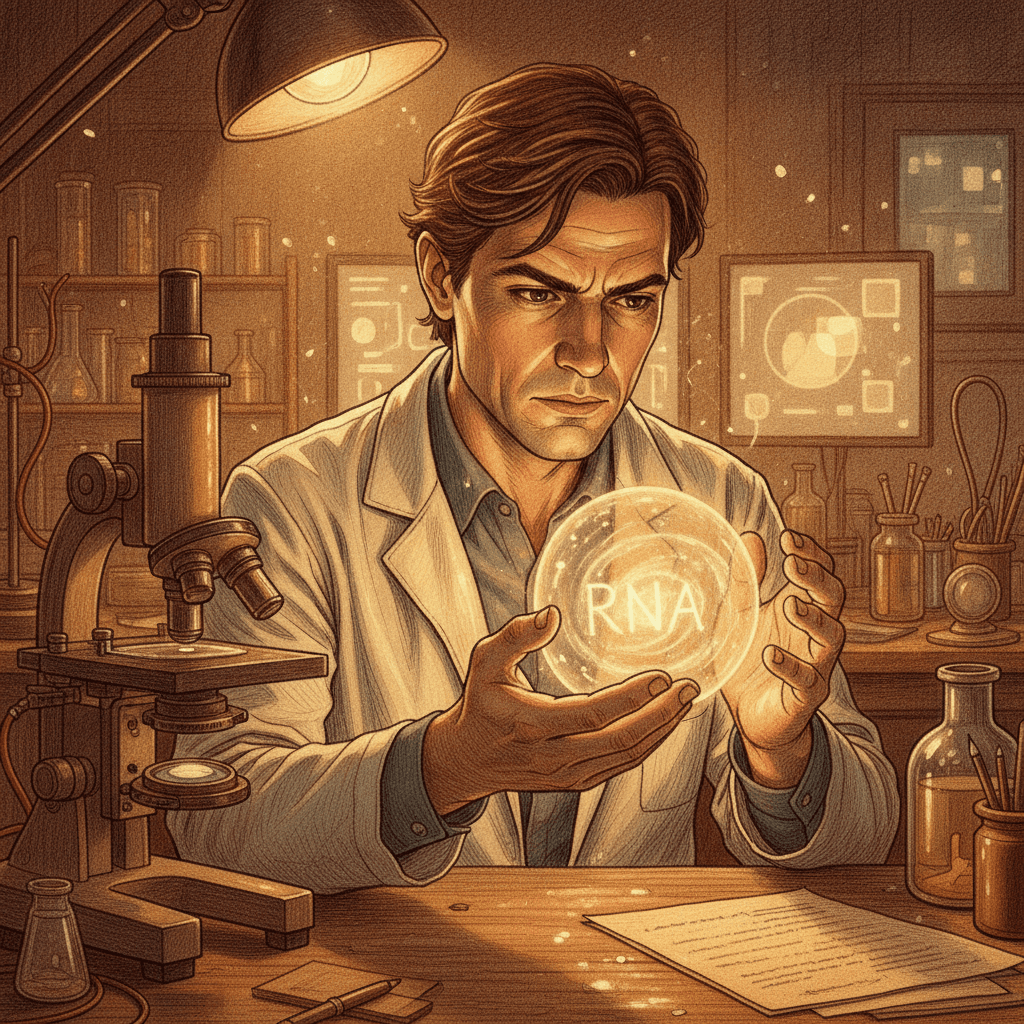
Have you ever tried to send a very important, fragile message across a busy city? That’s a bit like what happens inside your body every second. Your cells constantly send tiny instruction packets called RNA, which are like little biological couriers telling your body how to build proteins or do other vital jobs. But when you want to use these RNA messengers to treat diseases – to tell a faulty cell to stop making a bad protein, for instance – it gets complicated.
The big problem is that RNA itself is incredibly delicate; it’s like trying to send a glass figurine through the mail without bubble wrap. Plus, you need to make sure the message only goes to the right address, not every cell in the body. And finally, the message needs to be perfectly clear so the cell understands what to do. For years, scientists have been working on therapies that use these RNA molecules, but these three hurdles – fragility, targeting, and clear instructions – have been persistent headaches.
That’s where computers are stepping in, like a team of super-efficient logistics experts and language translators for your cells. Researchers are now using powerful computational strategies, essentially smart computer programs, to analyze and optimize every tiny detail of these RNA messages and the way they get delivered. This isn't just about finding a solution; it's about making the messenger system itself intelligent.
Computers Are Rewriting the Rules for Cell Messages
These new computational tools are doing two main things. First, they're helping to design and fine-tune the RNA messages themselves. Think of it like a word processor that can not only spell-check your message but also predict exactly how your message will be received and what impact it will have. By building predictive models and running through countless algorithmic possibilities, computers can figure out the most stable and effective RNA sequence, ensuring the message doesn't fall apart before it reaches its destination and delivers the right instructions. One surprising fact: a single tiny RNA molecule can influence hundreds of genes, making its design incredibly complex.
Secondly, these tools are transforming the delivery system for RNA. Imagine you have a tiny, incredibly important package that needs to go to a very specific house in a huge city, but without anyone knowing it's coming. Current delivery methods, often tiny fatty spheres called lipid nanoparticles, are like generic delivery vans. Now, with data-driven methods, computers are helping engineers design these "vans" to be smarter. They can analyze mountains of information to figure out how to make these nanoparticles more stable, better at hiding from the body's defenses, and more precise in targeting only the sick cells. This also helps refine the overall secret shield against hidden sickness that protects our cells.
It's a bit like a chef who, instead of just guessing, uses an advanced simulator to perfect a new recipe. The simulator lets them try out thousands of ingredient combinations and cooking temperatures digitally until they find the absolute best way to make a dish delicious and healthy. Similarly, these computational tools allow scientists to virtually "test" countless RNA designs and delivery methods, speeding up a process that used to take years of trial and error in the lab. For instance, researchers at institutions like the University of Pennsylvania have been at the forefront of using AI to predict optimal RNA structures.
What This Means for Your Future Health
While this might sound like science fiction, it's actually happening right now. These computer-assisted methods are already playing a crucial role in developing the next generation of precise therapies for a huge range of diseases, from genetic disorders to infections and even cancer. Instead of a one-size-fits-all approach, doctors could one day have highly customized RNA therapies designed specifically for a patient's unique biological makeup. This capability builds on foundational work in how AI makes cancer treatment safer by adding another layer of targeting and personalization.
For example, if you have a genetic condition where your body isn't making enough of a certain protein, an RNA therapeutic could be designed to deliver instructions to kickstart that protein production, precisely and safely. Or, for a virus, an RNA message could tell your cells how to block the virus's ability to replicate. The goal is to move beyond simply treating symptoms and instead address the root cause of the problem at a molecular level.
This isn't to say these therapies will be in every doctor's office next year. There's still significant work ahead in refining these computational models and translating them into widely available treatments. We're likely looking at another 5-10 years before many of these advanced, computationally designed RNA therapies become commonplace in clinical practice. However, the foundational tools are already here, quietly improving how we understand and fight disease. The progress here is a testament to how intelligent systems can help our understanding of complex biological systems, much like how AI is finally learning your body's secret signals in other areas of health. This ensures the future of medicine is more personalized and incredibly precise.

Key Takeaways
- Computational tools are making RNA therapies more precise by optimizing the genetic "messages" and their delivery methods.
- These smart computer programs address RNA's instability, targeting, and functional control challenges, speeding up drug development.
- Future medicine will feature highly personalized RNA treatments for various diseases, custom-designed to an individual's biology.
Frequently Asked Questions
What are RNA therapeutics? RNA therapeutics use tiny RNA molecules, which are like biological instruction manuals, to tell your body's cells how to fix or prevent disease by controlling gene activity and protein creation.
Why are computers important for RNA therapies? Computers help design stable RNA messages and create smart delivery systems, ensuring the fragile RNA reaches the correct cells with clear instructions, overcoming common challenges in therapy development.
When will these therapies be widely available? While in active development and some already in use, widespread availability of these advanced, computationally designed RNA therapies for many conditions is still likely 5-10 years away as research continues.
Editorial note: The scientific findings presented in this article are sourced exclusively from published research papers, peer-reviewed studies, certified inventions, and registered patent filings. Images generated by AI.
Stay ahead of the curve
The science that shapes tomorrow — in your inbox every week
The scientific findings presented in our articles are sourced from published research papers, peer-reviewed studies, certified inventions, and registered patent filings. Subscribe for focused weekly coverage, hands-on explainers, and practical insights that help you stay curious — no jargon, no noise.
By subscribing, you agree to receive newsletter and marketing emails, and accept our Terms of Use and Privacy Policy. You can unsubscribe anytime.
AI Ethics, Algorithmic Bias & Responsible Computing
Technology ethicist and journalist covering the human consequences of the decisions embedded in algorithms and AI systems.
View full profile →