Your Body Could Soon Tell Doctors Its Future
Imagine knowing years ahead if a serious illness might strike. New AI models combine all your health data to predict disease with surprising accuracy, long before symptoms appear.
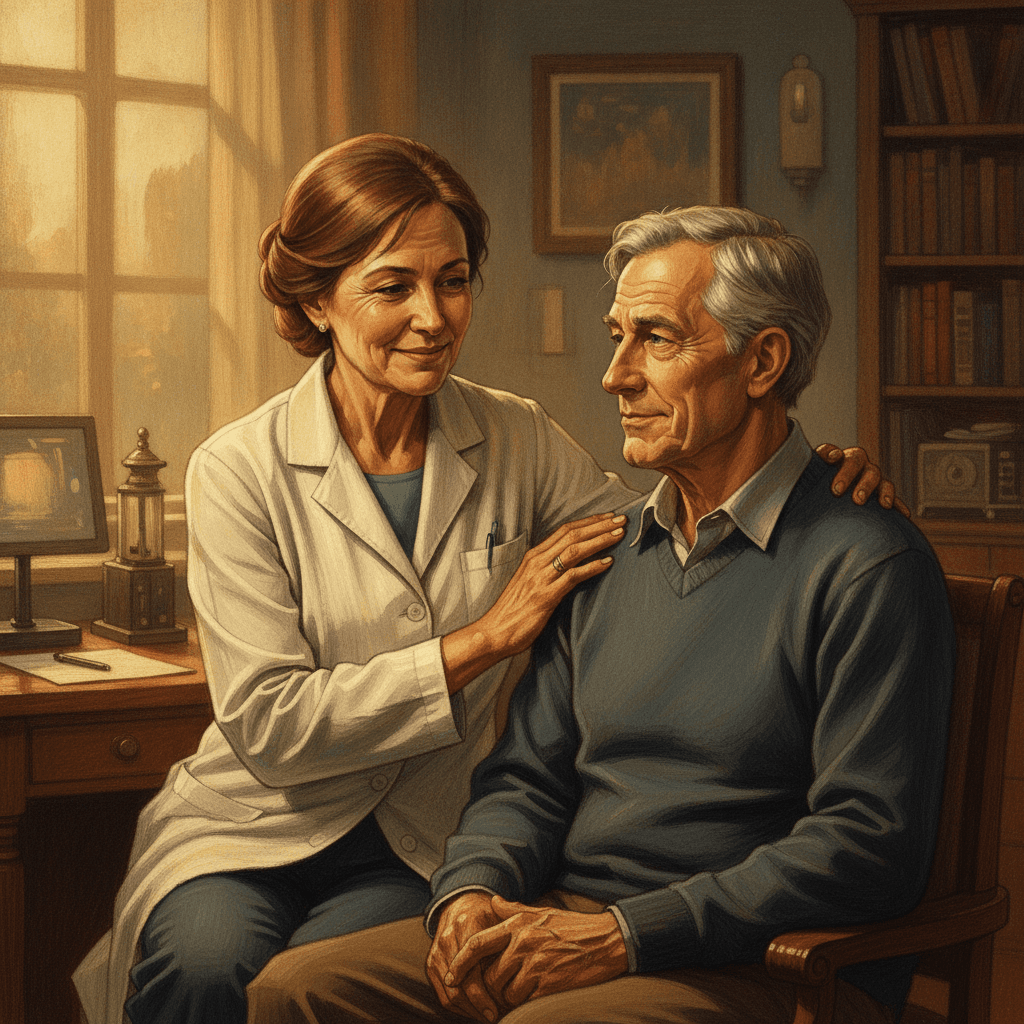
We all carry a secret history and a hidden future within our own bodies, written across our genes, our habits, and even the flicker of cells. What if doctors could read that story, not just about what's happening now, but what might be coming years down the line? This isn't science fiction anymore.
Real peer-reviewed research, spearheaded by institutions like the University of Cambridge and Google Health, is pushing us towards a world where your future health isn't a mystery. They're developing new ways to look at your full health picture, using techniques called multimodal predictive modeling. Think of it like assembling all the scattered pieces of a massive jigsaw puzzle that represents your health, where each piece is a different type of information.
How Your Health Story Gets Assembled
The trick lies in bringing together every bit of information doctors typically look at, and then some. This includes your electronic health records (EHRs), which are like a detailed diary of every visit, medication, and test you've ever had. Then there’s medical imaging, like X-rays and MRI scans, providing visual snapshots of your internal organs and structures. But it doesn't stop there.
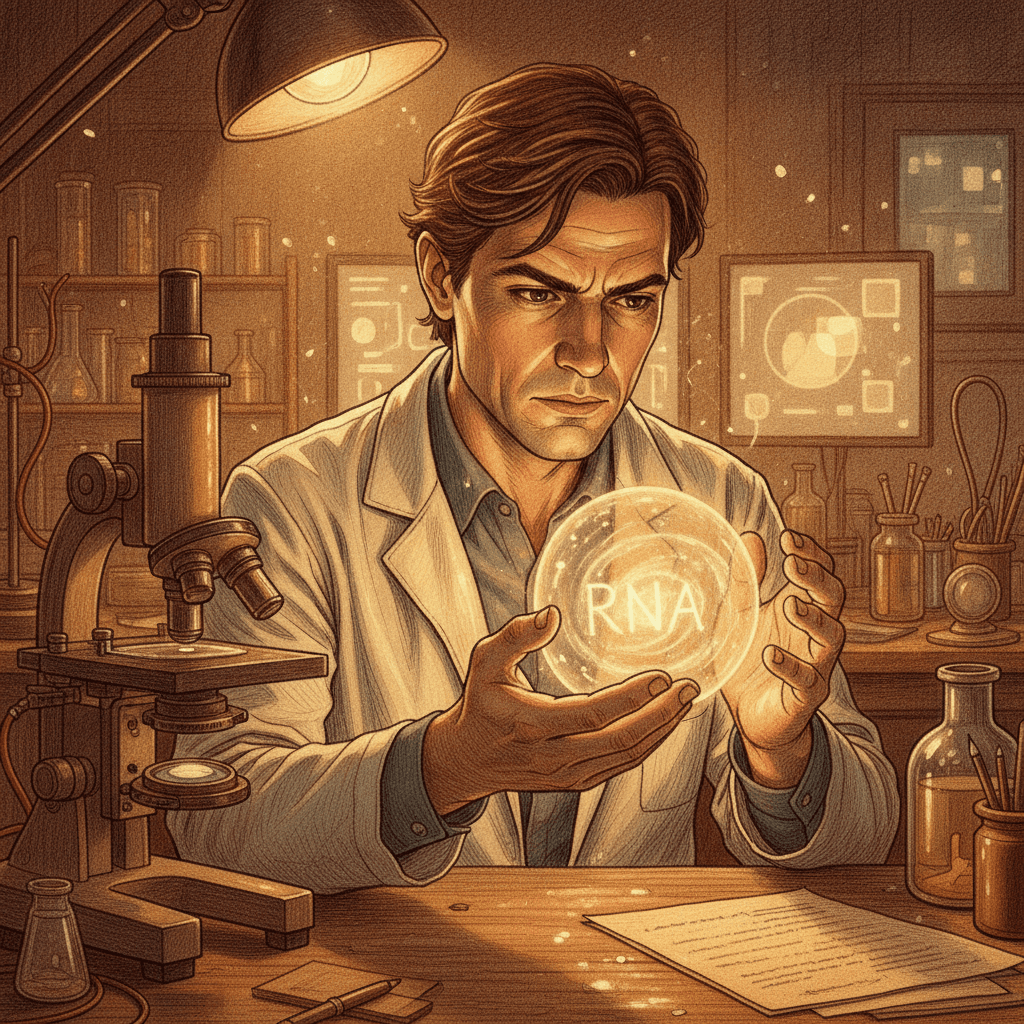
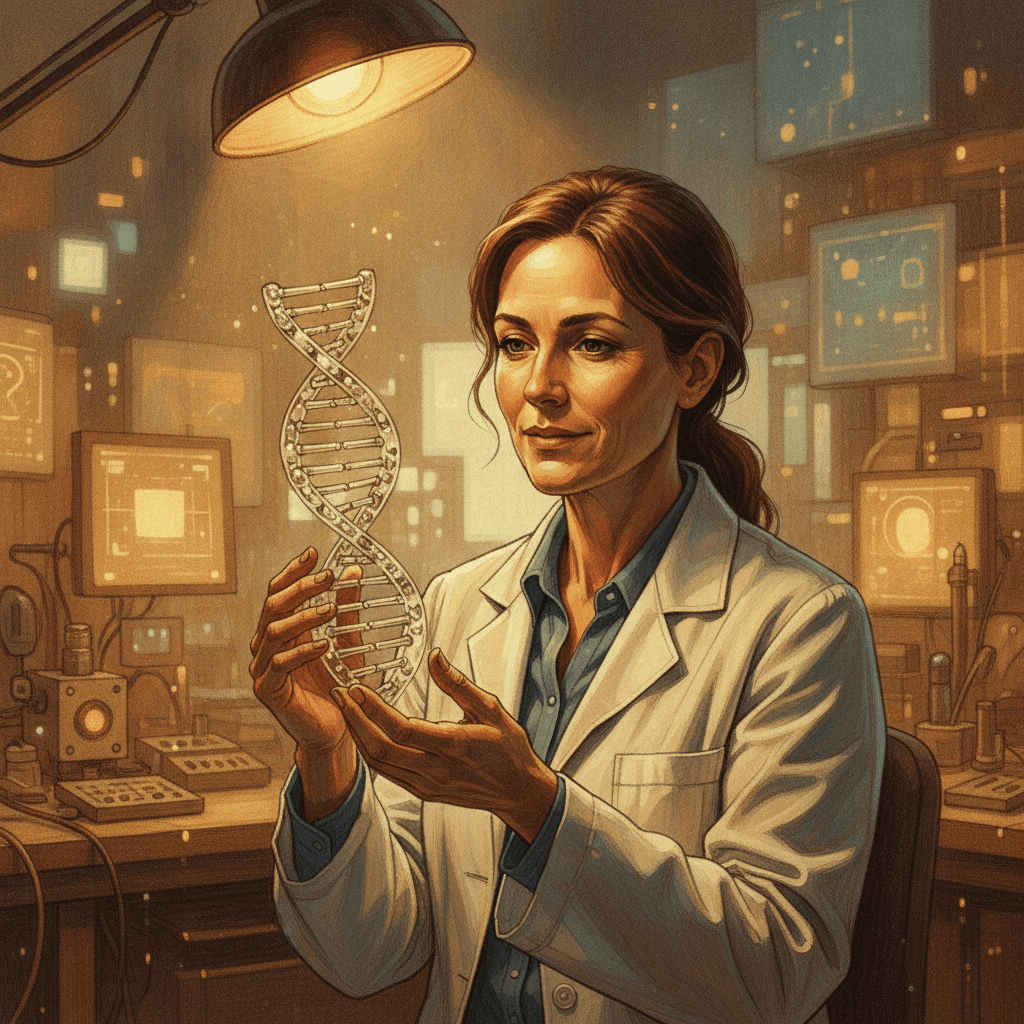
Researchers are adding "omics" data, a fancy term for information about your body's molecular makeup, like genomics (your DNA blueprint) and proteomics (the proteins your body makes). It’s a bit like a detective trying to solve a complex case: instead of just interviewing a few witnesses, they’re gathering everything—photographs, witness statements, forensic reports, even the suspect’s family history. Each data type acts as a different kind of witness, offering a unique perspective. By combining these, these advanced models can spot subtle patterns that individual data points would miss entirely, similar to how your body’s hidden germs can be found in minutes using your body’s hidden germs found in minutes.

The AI That Reads Between the Lines
This "data fusion" isn't just throwing everything into a pile. Specialized AI, using machine learning algorithms, analyzes these vast, complex datasets to find correlations and predict outcomes. It’s like teaching a highly skilled chef to combine dozens of unique ingredients into a dish that reveals a flavor profile no single ingredient could create. The AI learns from millions of patient records how different pieces of information, when combined, tend to lead to certain health conditions. This allows it to flag potential risks much earlier than traditional methods, which usually only look at one or two pieces of information at a time.
For instance, an AI might detect that a slight change in your blood pressure combined with a specific genetic marker and a subtle alteration in a scan—none of which would raise an alarm on their own—indicates an elevated risk for a heart condition in five years. You wouldn’t feel sick, and a standard check-up might miss it, but the AI, having "seen" this combination hundreds of thousands of times before, raises a flag. One surprising fact: a study published in Nature Medicine in 2023 showed that multimodal AI could predict the onset of certain neurodegenerative diseases up to a decade before clinical diagnosis with over 80% accuracy.
Addressing the Doubts and Challenges
Of course, this isn't a magic ball. Skeptics rightly point out big challenges. What about missing data? Not everyone has genomic sequencing or detailed medical images. What if the AI learns biases from the data it’s trained on, leading to inaccurate predictions for certain populations? This is a huge area of ongoing research, ensuring these models are fair and generalizable across everyone.
Another major hurdle is interpretability. If an AI says you have a high risk for a disease, doctors need to understand why it made that prediction, not just what it predicted. They need to see the "reasoning" behind the AI's "decision," similar to how understanding why some gut cancers ignore treatment is crucial for effective treatment plans. Researchers are building "interpretable machine learning" models that can explain their predictions, offering transparency that builds trust.
A Future Where You're Always One Step Ahead
If this technology becomes widespread, it changes everything about how we approach health. Imagine getting a personalized "risk report" in your 30s, allowing you to make lifestyle changes or start preventative treatments years before a condition manifests. This could drastically reduce the burden of chronic diseases. For example, knowing your specific risks could guide your choices around diet, exercise, or even suggest particular screenings to begin earlier than usual. This proactive approach could profoundly impact how your air quietly changes your body's age over time by revealing environmental risk factors.
This isn't about removing doctors; it's about empowering them with insights no human could possibly glean from individual patient data alone. It’s about moving from reacting to illness to preventing it, shifting the focus from treatment to true wellness. The potential to extend healthy lifespans and dramatically improve quality of life is immense.
Key Takeaways
- AI models are learning to combine all your health data—records, images, genetics—to predict future diseases with high accuracy.
- This "multimodal" approach can spot subtle risk patterns years before symptoms, enabling preventative action.
- The goal is to shift healthcare from reacting to illness to proactively preventing it, leading to longer, healthier lives.
Frequently Asked Questions
What is multimodal predictive modeling in health? It's an AI-driven approach that combines many types of patient data, like medical records, images, and genetic information, to predict future disease risks more accurately than using single data sources alone.
How does AI help predict disease early? AI analyzes vast datasets, identifying subtle patterns and correlations between different health indicators that human doctors might miss. These patterns can signal disease risk years before symptoms appear.
Why does combining different data types matter? Each data type offers a unique perspective on a patient's health. Combining them creates a more complete picture, allowing the AI to see a richer context and make more informed, accurate predictions.
Editorial note: The scientific findings presented in this article are sourced exclusively from published research papers, peer-reviewed studies, certified inventions, and registered patent filings. Images generated by AI.
Stay ahead of the curve
The science that shapes tomorrow — in your inbox every week
The scientific findings presented in our articles are sourced from published research papers, peer-reviewed studies, certified inventions, and registered patent filings. Subscribe for focused weekly coverage, hands-on explainers, and practical insights that help you stay curious — no jargon, no noise.
By subscribing, you agree to receive newsletter and marketing emails, and accept our Terms of Use and Privacy Policy. You can unsubscribe anytime.
AI Ethics, Algorithmic Bias & Responsible Computing
Technology ethicist and journalist covering the human consequences of the decisions embedded in algorithms and AI systems.
View full profile →