Your Favorite Fruit Is Secretly Dying
The sweet banana you love is facing a silent threat, jeopardizing livelihoods and global food security. Discover the hidden disease that attacks banana plants from the inside and what can be done to protect this vital fruit.
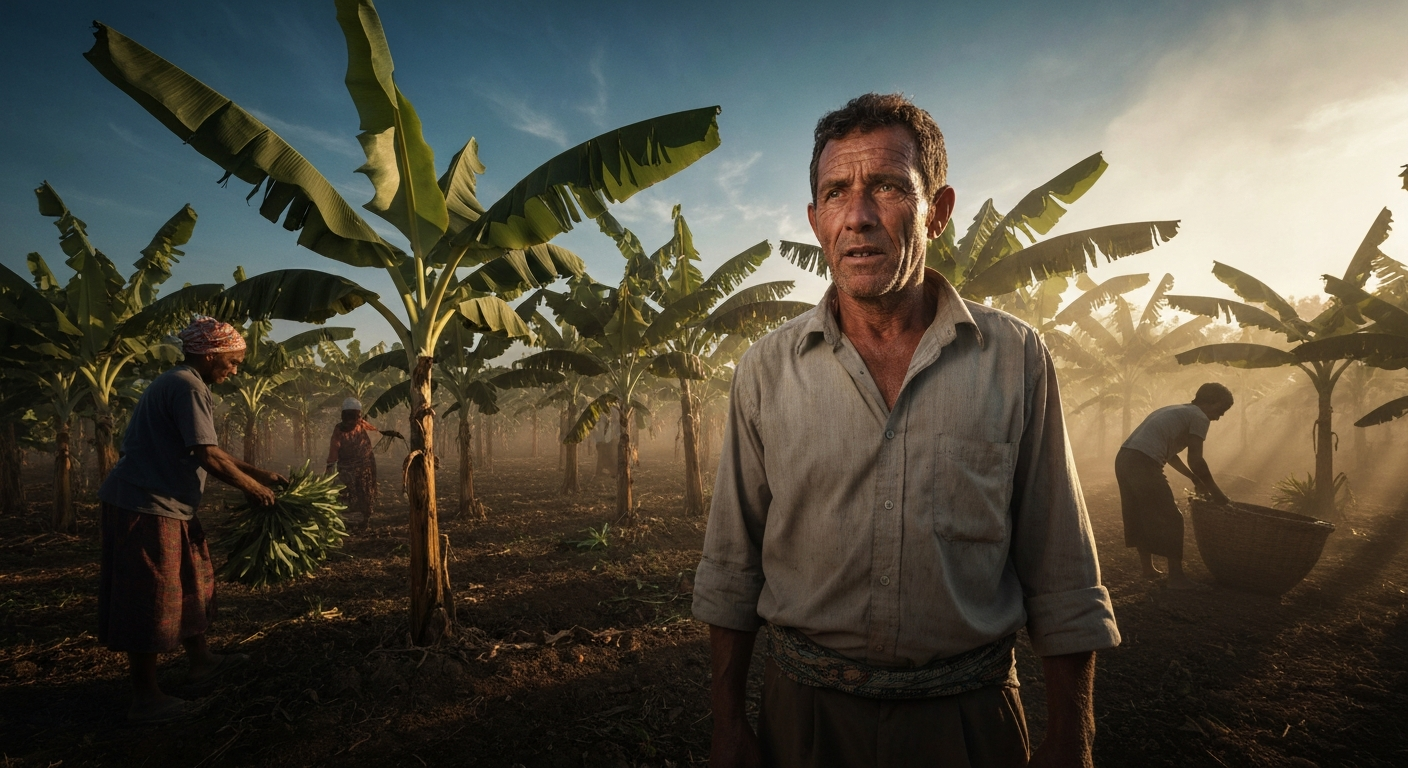
The sweet, creamy banana you snack on could be in serious trouble, and it's not because of a new diet trend or a temporary supply chain glitch. Across vital farming regions, a devastating plant disease is quietly wiping out banana crops, impacting both local farmers and the global fruit market. This isn't a problem for the distant future; it's happening right now, challenging the very source of one of the world's most beloved and important fruits.
This silent killer is called Fusarium wilt, or Panama disease, and it’s like a super-virus for banana plants, slowly choking off its lifeblood from the inside. Imagine an enemy agent so cunning it can hide in the soil for decades, waiting for new banana plants to infect, making it incredibly hard to eradicate once it takes hold. This specific fungal invader, Fusarium oxysporum f. sp. cubense, is a highly specialized assassin designed just for bananas.
A Hidden Threat to Global Food Baskets
This disease is a major concern for smallholder farmers, particularly in places like Kenya, where families often rely on bananas for both food and income. A recent study, involving 146 banana-growing households across five Kenyan counties, highlighted just how widespread this issue has become. The findings revealed that over 85% of these farms are less than one acre, meaning every single plant is crucial for the family's survival.
For these farmers, losing even a few plants to Fusarium wilt can be catastrophic. The study, published in OpenAlex, found that the disease was the most frequently reported banana affliction, impacting approximately 30.1% of the sampled farms. This demonstrates a pervasive, unseen crisis that's far more urgent than many realize, threatening the very stability of local food systems.
How This Invisible Killer Destroys Banana Plants
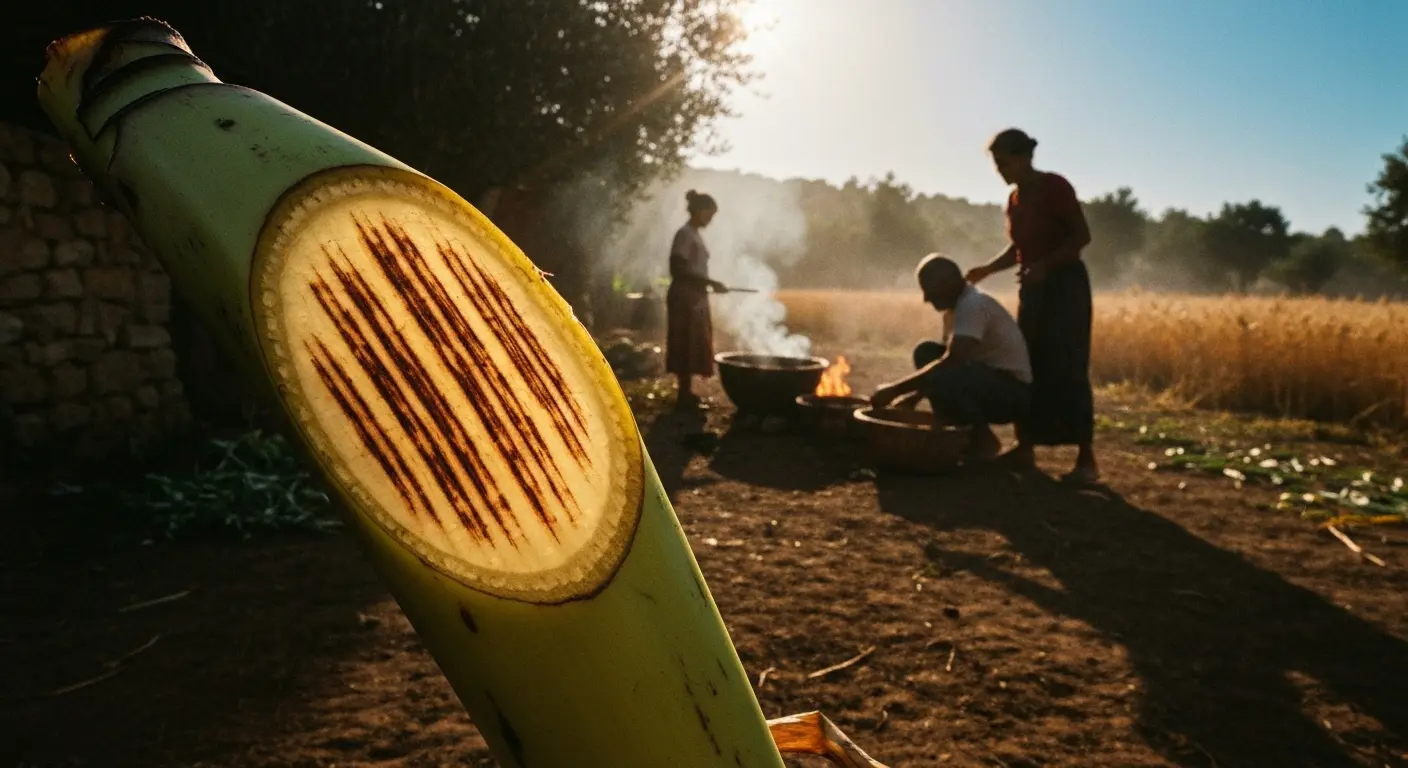
Fusarium wilt works by invading the banana plant’s root system. Once inside, the fungal spores spread through the plant’s internal "veins," the vascular tissues that carry water and nutrients. These veins get clogged and damaged, much like arteries slowly hardening in the human body. As a result, the plant can’t transport what it needs to survive.
You'll see the symptoms appear as yellowing leaves, wilting, and eventually, the entire plant collapsing. If you cut open an infected stem, you’d see distinct internal vascular discoloration, dark streaks showing where the fungus has done its damage. This internal destruction starves the plant from within, ensuring a slow, irreversible death.
Why Small Farms Are Most Vulnerable
Many smallholder farmers rely on traditional methods to grow their bananas. They often use "suckers," which are the shoots that sprout from the base of a mature banana plant, essentially its 'children,' to grow new crops. While this is a cost-effective way to expand a farm, it’s also a prime way for the disease to spread. If the parent plant is infected, the suckers will carry the pathogen, continuing the cycle of disease.
This reliance on informal planting systems, coupled with limited access to resources and up-to-date information, leaves these farms incredibly vulnerable. Farmers often observe varying levels of disease severity and also battle other pests, indicating a complex web of biotic threats that challenge their daily efforts. Improving crop resilience is key, as demonstrated by insights into how some plants, like rice, overcome environmental stress The Simple Secret That Helps Rice Ignore Salt.
What We Can Do to Help Bananas Survive
Protecting our bananas isn't about finding a single magic cure overnight; it's about supporting sustainable farming practices and empowering farmers with knowledge. One vital step is ensuring access to clean planting materials, essentially banana plants that are certified disease-free. This breaks the cycle of infection before it even begins.
Field sanitation is also critical. Farmers need support to implement practices that remove infected plants safely and prevent the fungus from spreading further through the soil. This includes better understanding how plants can minimize reliance on external inputs, much like methods explored in How Plants Secretly Eat Less Fertilizer. Stronger agricultural extension services—think of them as local farm advisors—can provide essential guidance and training on disease management strategies, helping farmers identify and combat the disease effectively.
The Future of Your Banana: A Shared Responsibility
The problem of Fusarium wilt won't vanish on its own. It requires continued research, investment in disease-resistant varieties, and most importantly, direct support for the farmers on the front lines. It’s not a quick fix, but with focused support and widespread adoption of these improved practices, we could see significant improvements in banana resilience and farmer livelihoods within the next 5-10 years.
Ultimately, the future of the banana, and the countless livelihoods it supports, depends on collective action. When we consider how vital food security is globally, understanding and addressing these threats becomes everyone's concern, ensuring that the food we put on our tables, like our bananas, stays abundant. Learning to extend the life of our produce, for instance, is another way we can strengthen our food systems Your Fridge Food Could Last Twice As Long.
Key Takeaways
- Fusarium wilt (Panama disease) is a hidden fungal infection that devastates banana crops worldwide, threatening smallholder farmers' livelihoods and global food security.
- The fungus can survive in soil for decades, making eradication difficult, and traditional farming practices often inadvertently spread the disease further.
- Effective management relies on clean planting materials, improved field sanitation, and robust agricultural support for farmers to protect this essential fruit.
Frequently Asked Questions
What is Fusarium wilt? Fusarium wilt is a destructive fungal disease, also known as Panama disease, that specifically attacks banana plants. It spreads through the soil and clogs the plant's internal water transport system, causing wilting and death.
Why is Fusarium wilt a big problem for farmers? This disease persists in soil for decades, making it extremely difficult to remove. Small-scale farmers, who often rely on infected planting materials, face significant crop losses, directly impacting their income and local food supply.
How can Fusarium wilt be managed? Key management strategies include using clean, disease-free planting materials, implementing strict field sanitation to prevent spread, and providing farmers with training and support through agricultural extension services.
Does this disease affect all banana types? While many banana varieties are susceptible, some have developed resistance. However, the disease continues to evolve, creating new strains that threaten even previously resistant types, posing an ongoing challenge for global banana production.
Editorial note: The scientific findings presented in this article are sourced exclusively from published research papers, peer-reviewed studies, certified inventions, and registered patent filings. Images generated by AI.
Stay ahead of the curve
The science that shapes tomorrow — in your inbox every week
The scientific findings presented in our articles are sourced from published research papers, peer-reviewed studies, certified inventions, and registered patent filings. Subscribe for focused weekly coverage, hands-on explainers, and practical insights that help you stay curious — no jargon, no noise.
By subscribing, you agree to receive newsletter and marketing emails, and accept our Terms of Use and Privacy Policy. You can unsubscribe anytime.
Food Security, Biofortification & Agriculture in the Global South
Development journalist covering the agricultural innovations that can feed a warmer, more crowded world — particularly in Africa and South Asia.
View full profile →