Your Fridge Food Could Last Twice As Long
Imagine throwing out half as much produce as you do now. Scientists are developing a surprising new way to keep your fresh fruits and vegetables edible for up to 100% longer, saving you money and cutting waste.
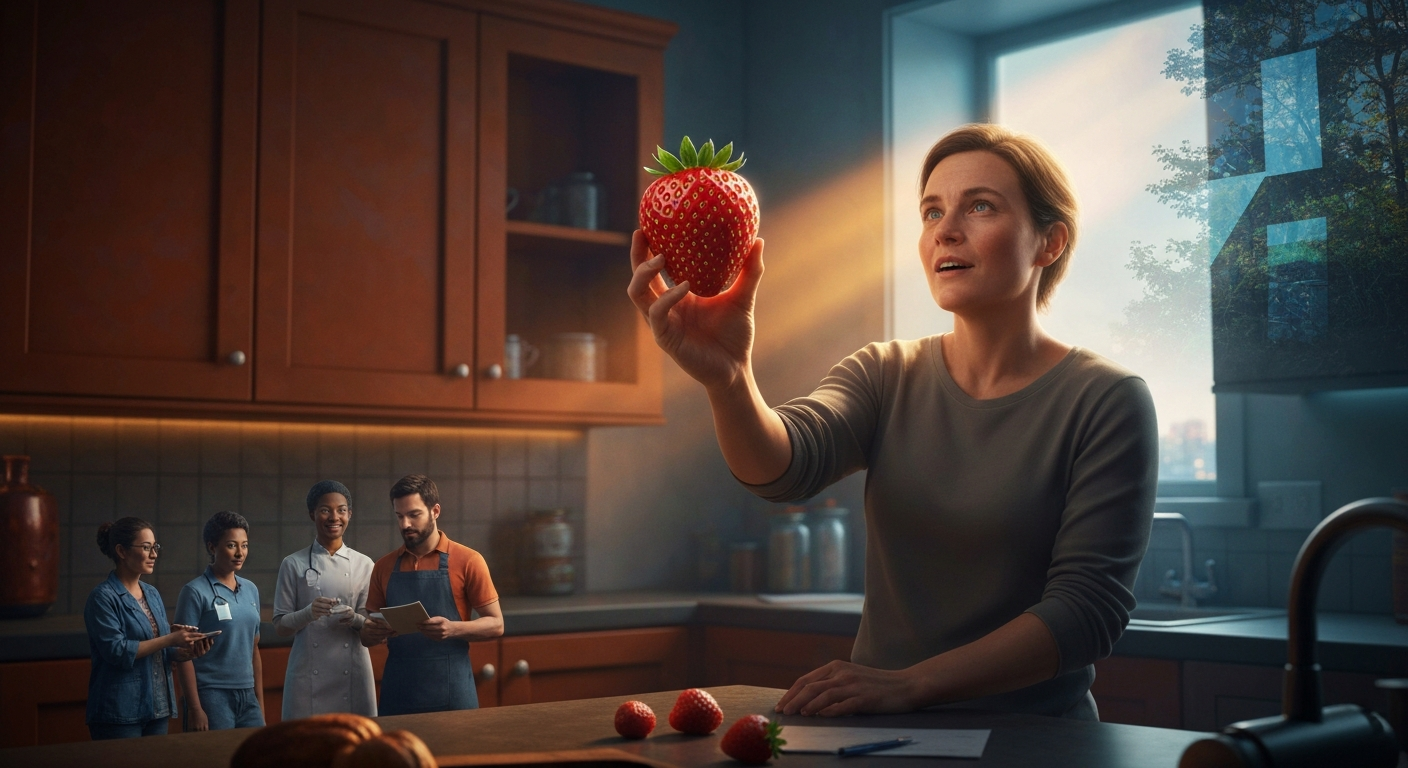
Do you ever open your fridge, spot that sad, wilting lettuce or a berry covered in fuzz, and sigh as you toss it in the bin? It's a common, frustrating experience that happens far too often. You bought it just a few days ago, fresh and vibrant, now it’s destined for the compost or landfill, along with your hard-earned cash.
What if your fresh produce could defy the clock, staying crisp and delicious for days, even weeks, longer than it does now? Imagine strawberries still perfect on day eight, or tomatoes firm and juicy for twice as long. This isn't just about avoiding a soggy salad; it's about drastically cutting down on wasted food and making your grocery budget stretch further.
Imagine Fresh Strawberries, Days Longer
This vision of eternally fresh food isn't science fiction anymore. Researchers at leading institutions, with work appearing in databases like OpenAlex, are piecing together a powerful two-step approach to keep your groceries vibrant. They’re combining two clever tricks: a special kind of "super-charged" water and an invisible protective coating, working together in a way no single method ever could. Think of it as giving your food a spa day followed by a custom-fit, invisible suit of armor.
Globally, we lose a staggering amount of food after harvest, before it even reaches your plate. In richer countries, 20-30% of fresh fruits and vegetables never get eaten, while in developing nations, that number can climb to a shocking 55%. This isn't just a waste of food; it's a colossal waste of water, energy, and labor that went into growing it. This new dual-action approach aims to tackle that problem head-on, potentially saving billions of pounds of produce.
How "Super-Charged" Water Cleans Your Groceries
The first step in this preservation process involves a simple but powerful substance called plasma-activated water, or PAW. You can think of PAW as regular water that's been given a jolt of energy, transforming it into a microscopic cleaning crew. It’s created by zapping water with plasma – essentially, a highly energized gas – which generates special molecules like reactive oxygen and nitrogen species (RONS). These RONS act like tiny, incredibly effective bouncers, quickly clearing away bacteria, mold, and other undesirable microbes from the surface of your food.
Studies show PAW can reduce these microbes by 2 to 4 orders of magnitude, which means up to 10,000 times fewer germs on your produce, almost immediately. It’s like giving your fruits and vegetables a thorough, residue-free wash that traditional sanitizers can't match, all without heat or harsh chemicals. This quick clean-up is crucial because many spoilage issues start with these invisible invaders on the food's surface.
Your Food's Invisible Second Skin
Once your produce is sparkling clean from its PAW bath, the next step is applying an edible coating (EC). Imagine this as a custom-fitted, invisible second skin for your fruit or vegetable. These coatings are made from natural, food-safe ingredients, like plant-based starches, proteins, or waxes, and they create a protective barrier. This barrier does several important jobs: it slows down moisture loss, reducing wilting; it controls how gases like oxygen move in and out, which helps prevent over-ripening; and it can even deliver additional antimicrobial compounds.
Think of it like putting your food in a breathable, super-smart cling wrap that you can actually eat. This coating acts as a shield against the outside world, keeping your produce firm, colorful, and fresh for much longer. It locks in the goodness and keeps out the bad stuff, all while allowing the food to breathe just enough to stay alive and healthy.
Why This Dynamic Duo Works So Well Together
The real genius here isn't just PAW or edible coatings alone, but how they work together. The research confirms that using PAW first to sanitize, followed by an edible coating, creates a synergistic effect that's far more effective than either treatment on its own. PAW delivers that immediate, powerful microbe reduction, setting the stage. Then, the edible coating steps in to provide continuous, long-term protection, making sure no new invaders settle in and keeping the produce’s natural processes in check.
This combined strategy has shown incredible results across a variety of produce. For example, treating strawberries, tomatoes, apples, and grapes this way can extend their marketable shelf life by 40-100% compared to untreated controls. That means a carton of berries might stay good for over a week instead of just a few days. Beyond just lasting longer, the treatments also slow down enzymatic browning (that brown discoloration on sliced apples) and help preserve the firmness, vibrant color, and nutritional value of your food. You’re not just getting longer-lasting food; you’re getting better-quality food.
The Hidden Hurdles Before It Reaches Your Kitchen
While the promise of this technology is huge, it’s fair to ask: what’s holding it back from your grocery store shelves right now? Scientists are still working through a few key challenges. For instance, the reactive cleaning agents in PAW can sometimes be unstable when mixed into certain lipid-rich coatings. Researchers need to fine-tune the process for each type of fruit and vegetable, because what works perfectly for a strawberry might not be ideal for an apple.
There's also a need for standardized ways to measure and describe PAW globally, so everyone speaks the same scientific language. This means it will likely take another 5-10 years before you see these specific treatments widely available in supermarkets. Commercializing this system will require bigger machines, a full evaluation of its environmental impact from farm to fridge, and careful coordination between regulators worldwide. This isn't simple, but the motivation to prevent massive food loss is a powerful driver for scientists and industry alike. Imagine a future where The Simple Test That Actually Saves Your Milk is just one of many ways we keep food fresh.
More Than Just Fresh Food: A Global Impact
This isn't just a clever lab trick; it represents a significant step towards a more sustainable future. If we can dramatically reduce post-harvest waste, it means less strain on our planet's resources and a more efficient food supply chain. Think about the energy saved from not growing food that simply gets thrown away, or the reduction in greenhouse gases from decaying produce in landfills. It’s a quiet change that could reverberate globally.
For you, it means less guilt, more savings, and easier healthy eating. Your grocery trips could be less frequent, and your fridge could be a place of discovery, not disappointment. The potential for Tiny Microbes Are the Secret to Fresher Food to play an even larger role in our food system is truly amazing. Science, at its best, takes an everyday problem and offers solutions that feel almost magical, making our lives better, one perfectly fresh berry at a time.
Key Takeaways
- A new two-step method using plasma-activated water (PAW) and edible coatings (ECs) can extend fresh produce shelf life by 40-100%.
- PAW acts like a "super-charged" cleaning agent, reducing surface microbes by up to 10,000 times, while ECs create a protective, breathable, and edible barrier.
- This combined approach not only keeps food fresher for longer but also reduces global food waste, lowers consumer costs, and preserves nutritional quality.
Frequently Asked Questions
What is plasma-activated water (PAW)? PAW is regular water energized by plasma, creating special molecules that act as powerful, residue-free cleaning agents. It removes bacteria and mold from food surfaces without harsh chemicals or heat.
How do edible coatings help food last longer? Edible coatings form an invisible, breathable, protective layer around food. This barrier slows moisture loss, regulates gas exchange to prevent over-ripening, and can contain additional antimicrobial properties, keeping food fresh.
Why are both PAW and edible coatings used together? Combining PAW for immediate microbial reduction with an edible coating for continuous physical and bioactive protection creates a synergistic effect. This dual strategy is significantly more effective at extending shelf life than either treatment alone.
When will this technology be available for my groceries? While promising, the technology still requires further optimization for various produce types, standardization, and scale-up engineering. Expect it to be 5-10 years before it's widely adopted in commercial grocery supply chains.
Editorial note: The scientific findings presented in this article are sourced exclusively from published research papers, peer-reviewed studies, certified inventions, and registered patent filings. Images generated by AI.
Stay ahead of the curve
The science that shapes tomorrow — in your inbox every week
The scientific findings presented in our articles are sourced from published research papers, peer-reviewed studies, certified inventions, and registered patent filings. Subscribe for focused weekly coverage, hands-on explainers, and practical insights that help you stay curious — no jargon, no noise.
By subscribing, you agree to receive newsletter and marketing emails, and accept our Terms of Use and Privacy Policy. You can unsubscribe anytime.
Nanomaterials, Thin Films & Semiconductor Innovation
Nanomaterials researcher turned science journalist, covering the science happening at scales too small to see but too important to ignore.
View full profile →