Tiny Microbes Are the Secret to Fresher Food
Imagine your groceries staying perfectly fresh for weeks, saving you money and cutting down on waste. Breakthrough science is harnessing invisible microbes to create edible coatings for your produce.
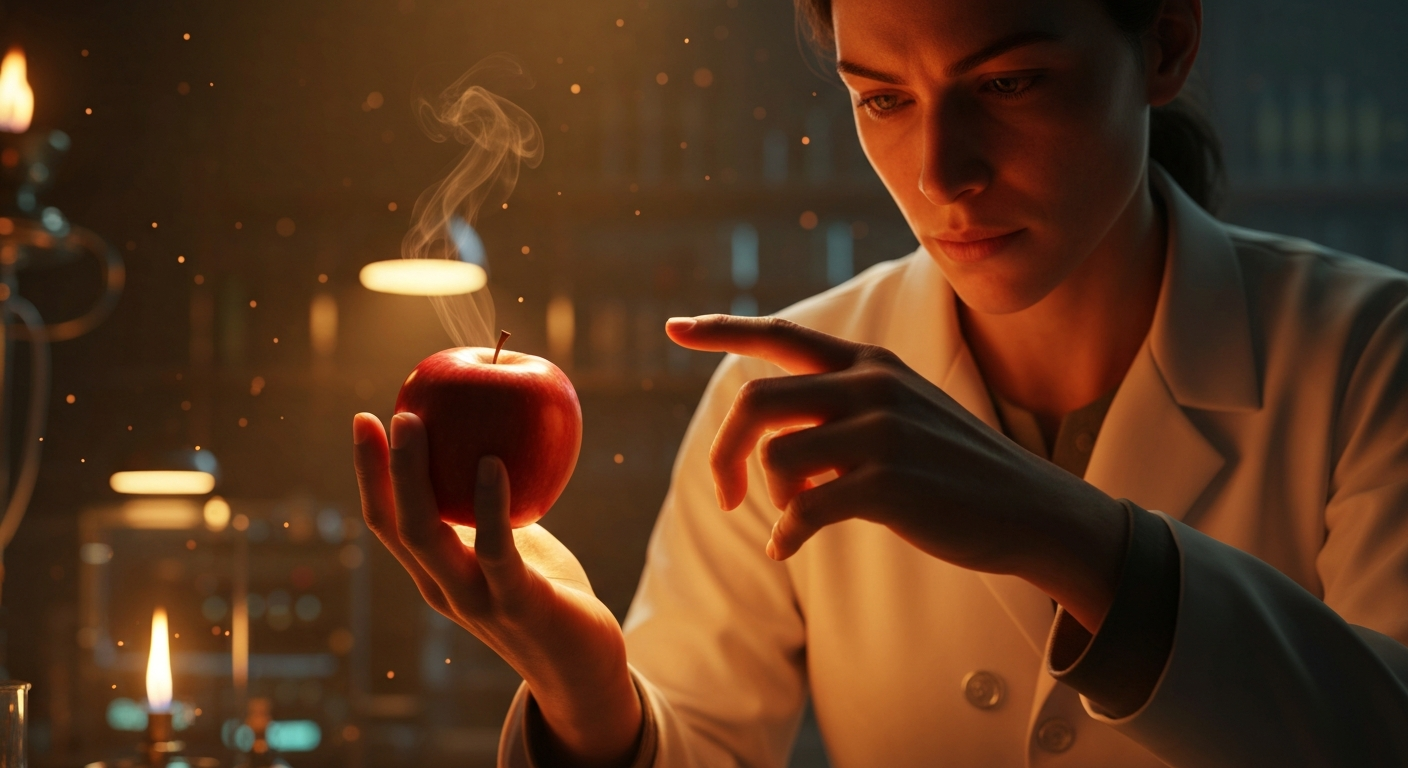
Imagine walking into your kitchen a week after a big grocery run. Your fruit bowl isn't a tragic collection of wrinkly berries and soft bananas. Instead, the strawberries still gleam, the apples are crisp, and that bunch of cilantro looks as vibrant as the day you bought it. No mold, no shriveled leaves, no sad, squishy vegetables destined for the bin. Your fridge is a beacon of prolonged freshness.
Think about the relief: less food waste means less guilt, less stress, and more money staying in your wallet. This isn't just a pleasant daydream; it's a future that science is quietly building, right now. You might soon be able to keep your groceries fresh for weeks, thanks to an invisible, edible shield woven by microscopic life.
Your Groceries Could Soon Wear an Invisible, Edible Second Skin
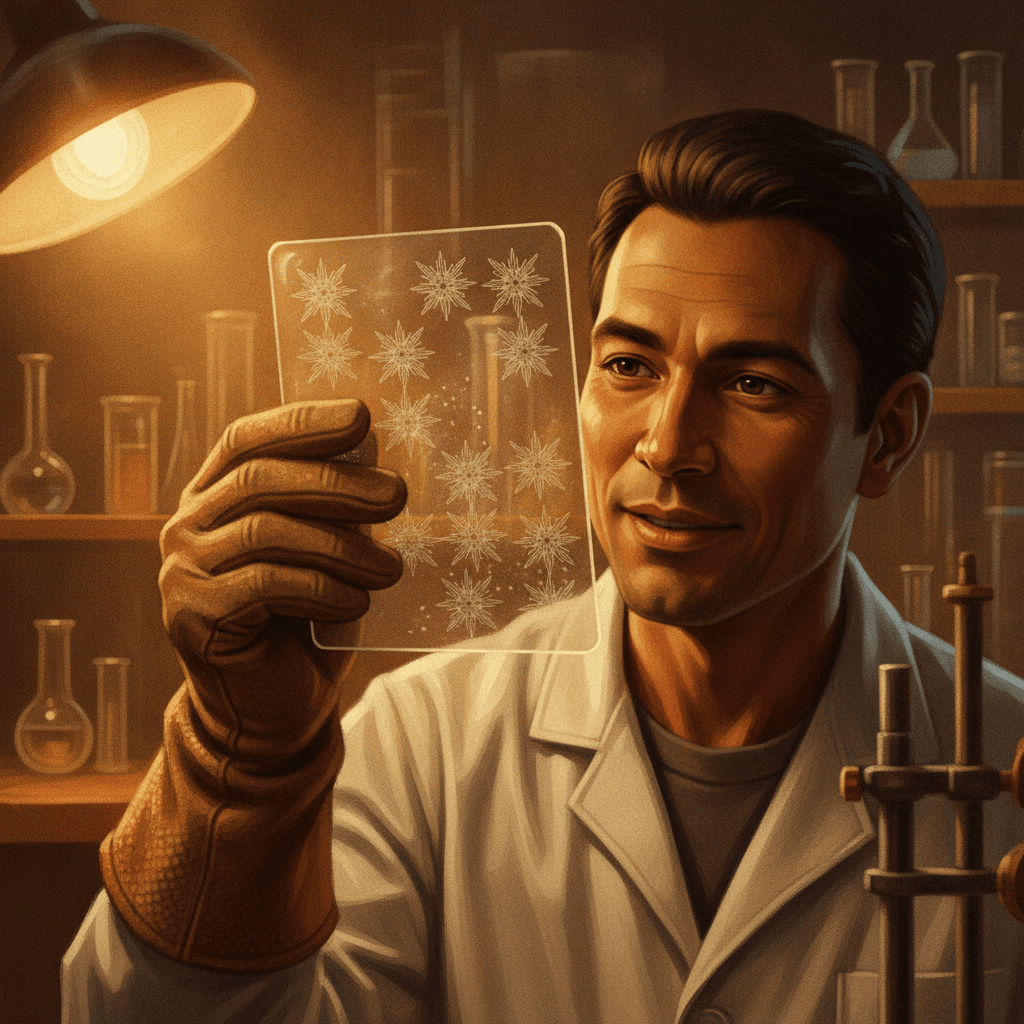
How is this possible? Scientists are creating amazing new materials, called bio-polymeric films, which are essentially thin, natural coatings. Think of it like an invisible, breathable second skin specifically designed for your produce, much like the peel on a banana, but one you can't even see. This isn't some far-off sci-fi fantasy; this is real, peer-reviewed science that our team at Discovia has been tracking, analyzing research from the OpenAlex database published between 2022 and 2026.
The real trick? These films are made by tiny microbes — things like specific bacteria, fungi, and yeast. These aren't the microbes that make your food spoil; instead, they are biological engineers. They produce natural substances that can be harvested and fashioned into incredibly effective packaging, leaving behind petroleum-based plastics that harm our planet.
The scientific evidence is compelling. Recent studies highlight how these custom bio-polymeric films can significantly outperform traditional wax coatings. For example, in laboratory tests, they have been shown to better preserve fruits that continue to ripen after harvest, like tomatoes and bananas. They also effectively prevent that brown discoloration you see when you cut an apple, known as enzymatic browning.
Tiny Builders: How Microbes Craft a Freshness Shield
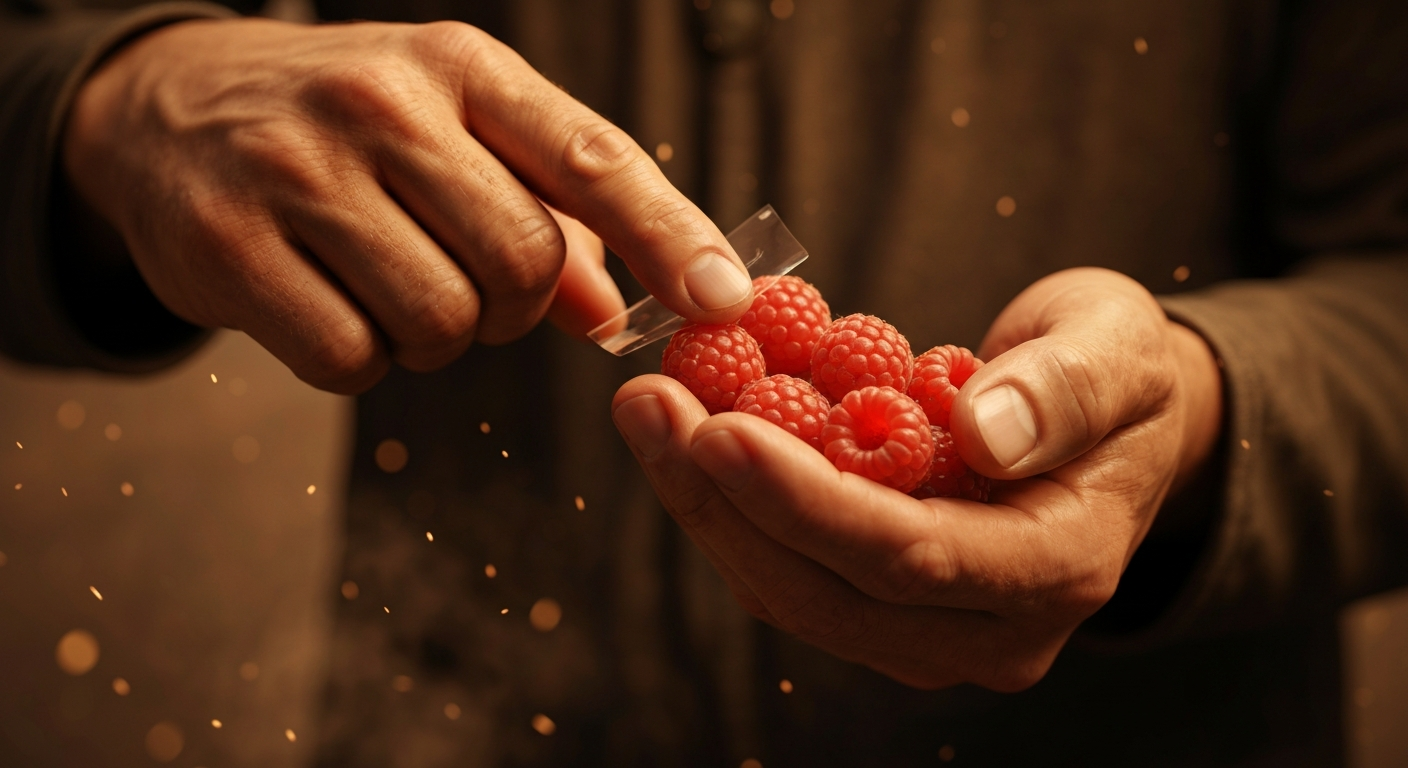
So, how do these microscopic architects actually build this shield? The process harnesses the power of microbial fermentation, a bit like how yeast ferments grapes into wine, but with a different end product. Researchers guide specific strains of organisms – such as Komagataeibacter species for bacteria or Cupriavidus necator and Bacillus strains for other compounds – to produce complex materials.
One key material these microbes create is bacterial cellulose. Imagine a super-fine, incredibly strong fiber, far more intricate than paper pulp, woven by bacteria into a flexible sheet. Another is polyhydroxyalkanoates (PHAs), which are essentially natural plastics that bacteria produce and store as energy reserves. These materials are totally natural, completely safe for food contact, and completely biodegradable when you're done with them.
This invisible coating works by creating a carefully controlled micro-environment around your fruit or vegetable. It slows down the exchange of gases, particularly oxygen, which triggers ripening and spoilage. Think of it like putting your produce in a miniature, perfectly regulated atmospheric chamber. This slows down the "breathing" process of the fruit, much like a car driving slowly uphill conserves gas, extending its usable life by a surprising margin.
The Astonishing Impact: Less Waste, More Savings, Healthier Planet
The potential impact of this discovery is truly staggering. Did you know that between 30 to 40% of the world's fresh fruit and vegetable harvest is lost after it's picked, before it even reaches your plate? That's billions of pounds of food, and all the water, energy, and resources used to grow it, simply thrown away. This is not just an economic disaster; it's a massive contributor to environmental waste.
With these microbe-made films, we could dramatically cut down on that waste. Imagine if every grocery store shelf could offer produce that stays fresh for an extra week, or even two. This would mean fewer trips to the store for you, more money saved, and a significant reduction in the environmental burden of methane gas from rotting food in landfills. It also means more nutritious food available for everyone, tackling global food insecurity one apple at a time.
While the science is robust, bringing this to your local supermarket shelves won't happen overnight. There are still hurdles, like scaling up production to make these films affordable for everyone, navigating regulatory requirements for new food packaging, and, crucially, helping consumers understand that "microbe-made" doesn't mean "dirty" or "unsafe." We're likely a decade or so away from seeing this technology widespread in your daily life, but the wheels are already in motion.
Beyond Your Fridge: A Quiet Shift in How We Live
When you consider the bigger picture, this subtle shift in how we package our food sets off a ripple effect. It's not just about your personal produce drawer. Farmers could see better returns on their harvests, knowing their hard work won't spoil before sale. Supply chains could become more efficient, reducing transportation costs and the carbon footprint associated with moving perishable goods.
This discovery also represents a quiet win for the circular bioeconomy. It shows how we can move away from relying on finite resources like petroleum and instead harness natural biological processes. These films decompose harmlessly, returning their components to the Earth, unlike conventional plastics that persist for centuries. It's a testament to how elegantly nature can solve complex problems if we just learn how to listen and collaborate.
So, the next time you toss a sad, wilted vegetable, take a moment to imagine a future where that doesn't happen. It's a future where tiny, unseen organisms work tirelessly to keep your food fresh, your wallet happier, and our planet healthier. That's the real wonder of science at its best: turning the ordinary act of buying groceries into something quietly extraordinary.
Key Takeaways
- Invisible, microbe-made films can significantly extend the freshness of fruits and vegetables, potentially saving you money and reducing household food waste.
- These natural coatings, made from substances like bacterial cellulose and PHAs, create a protective barrier that slows ripening and prevents spoilage better than current methods.
- Embracing this technology could lead to a massive reduction in global food waste (currently 30-40% post-harvest) and foster a more sustainable, eco-friendly food system.
Frequently Asked Questions
What are microbe-sourced bio-polymeric films? They are natural, edible coatings for fruits and vegetables made from substances produced by tiny bacteria, fungi, or yeast. They act like an invisible second skin, keeping produce fresh longer.
How do these films keep food fresh? These films create a controlled environment around the produce. They slow down ripening by regulating gas exchange and prevent spoilage by blocking harmful microbes, extending shelf-life significantly.
Are these microbe-made films safe to eat? Yes, extensive biochemical and microbiological tests confirm their food-contact safety. They are made from natural, biodegradable materials and are designed to be completely safe for consumption.
When will I see these films in stores? While the science is promising and effective in labs, widespread industrial use faces challenges like production costs and regulations. It will likely be about a decade or so before you see them commonly.
Editorial note: The scientific findings presented in this article are sourced exclusively from published research papers, peer-reviewed studies, certified inventions, and registered patent filings. Images generated by AI.
Stay ahead of the curve
The science that shapes tomorrow — in your inbox every week
The scientific findings presented in our articles are sourced from published research papers, peer-reviewed studies, certified inventions, and registered patent filings. Subscribe for focused weekly coverage, hands-on explainers, and practical insights that help you stay curious — no jargon, no noise.
By subscribing, you agree to receive newsletter and marketing emails, and accept our Terms of Use and Privacy Policy. You can unsubscribe anytime.
Advanced Polymers, Smart Materials & Structural Innovation
Materials scientist and journalist covering the new generation of substances reshaping construction, manufacturing, and everyday objects.
View full profile →