Your Farm Fields May Secretly Fix Themselves
Did you know that harsh salty soil, often considered barren, could soon become fertile farmland thanks to tiny helpers? Discover how a specific kind of soil bacteria can naturally turn problem land into productive ground, boosting harvests and feeding more people.
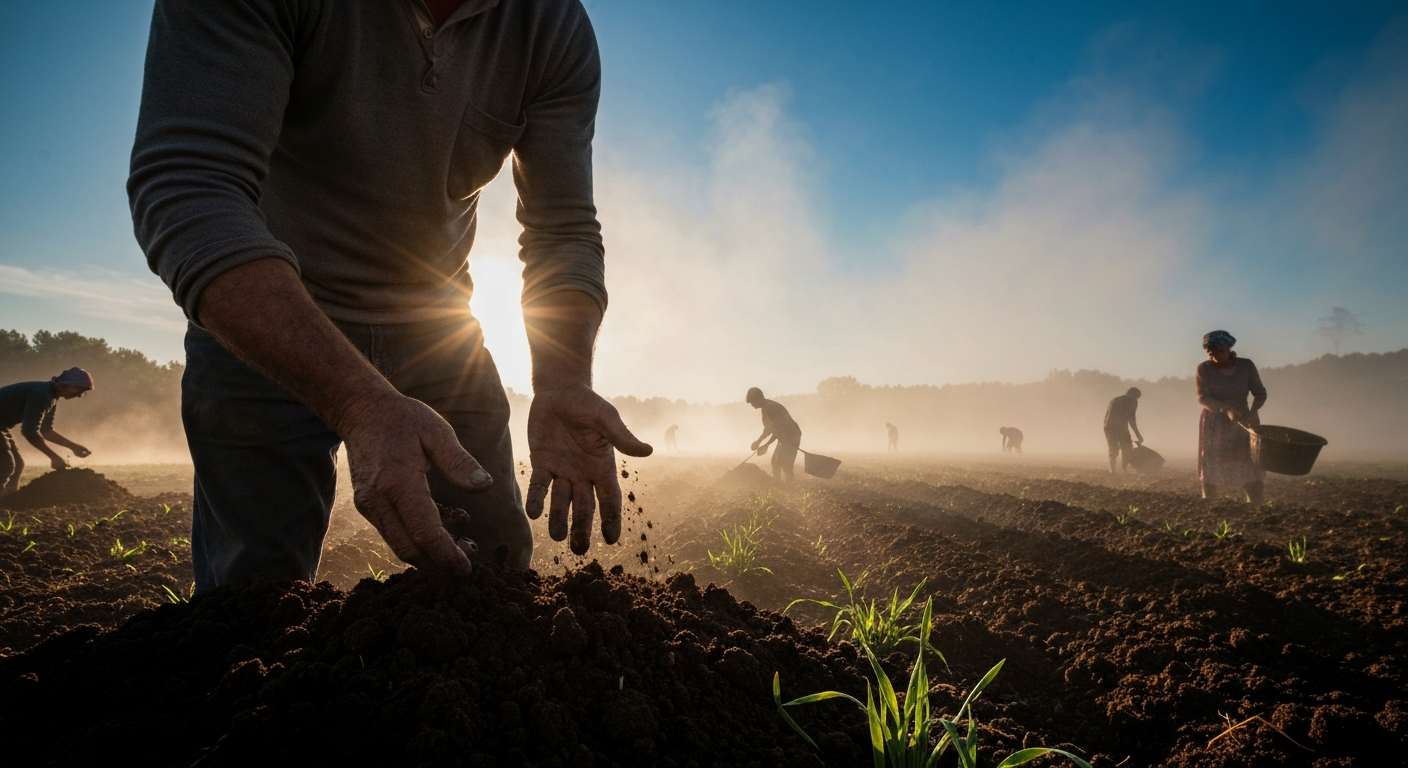
Vast stretches of land across our planet lie fallow, considered useless for growing food because they're too salty or too alkaline—like trying to garden in a bathtub full of baking soda. But what if those seemingly barren fields could secretly fix themselves, not with expensive chemicals, but with a humble microbe? This isn't science fiction; it's a quiet revolution already taking root in labs, promising to transform how we feed a growing world.
Scientists have recently isolated a unique type of bacteria, a specific strain of Pseudomonas (think of them as microscopic, helpful garden workers), that thrives in these incredibly harsh conditions. This particular strain, named DHS-HJ-IAA-2, has been carefully identified and stored for future use at the China General Microbiological Culture Collection Center (CGMCC No. 36164), acting like a vital seed bank for beneficial germs. This isn't just any bacterium; it's a super-worker designed by nature to tackle some of farming's toughest challenges.
How a Tiny Helper Makes Tough Soil Grow
This special Pseudomonas strain works like a multi-tool for the soil. First, it produces a hormone called IAA (indole-3-acetic acid), which is like giving plants a natural growth shot, making them sprout stronger and faster. Then, much like other beneficial microbes you might have heard of, it can "fix" nitrogen from the air, turning it into plant food, essentially giving the soil its own natural fertilizer factory. This process, where atmospheric nitrogen is converted into usable forms by microbes, is one of the fundamental processes in how soil bacteria fix nitrogen.
But here's where it gets really interesting: this bacterium also dissolves potassium, another crucial plant nutrient often locked up in the soil, making it available for roots. It even helps break down tough plant materials like cellulose and lignin, turning old stalks and leaves into rich compost. Perhaps most importantly, it fights off bad plant diseases, acting as a tiny bodyguard for your crops.
Changing What Crops Can Survive
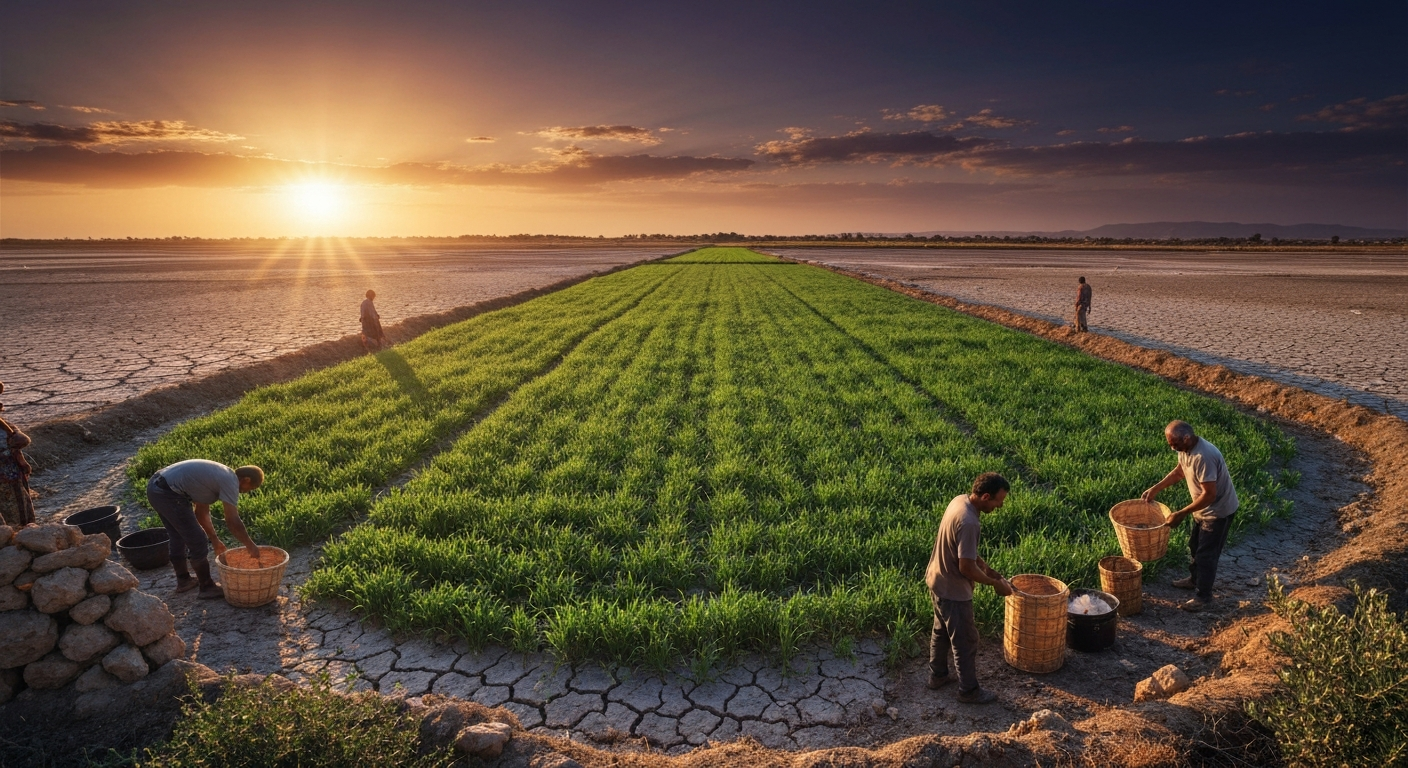
The impact of this discovery extends far beyond just making soil a little better. Experimental results have shown that introducing Pseudomonas sp. DHS-HJ-IAA-2 significantly increases the number of beneficial bacteria in salty, alkaline soil, which is a major victory. This boosts the soil's overall health and fertility, creating a richer environment for plants. It's like turning a barren desert landscape into a thriving ecosystem. Imagine turning land once deemed agriculturally impossible into vibrant fields.
This microbe doesn't just improve the soil; it also works directly with the plants. This "microorganism-plant synergistic action" means the bacteria and the plants cooperate, much like a tiny pit crew helping a race car, making plants much more resilient in tough environments. This combination of soil improvement and plant support offers a powerful new strategy for cultivating crops in places where only weeds dared to grow before.
When Could This Change Your Food?
Right now, this technology is in the patent and experimental stage, meaning it's still being tested and optimized in controlled settings. However, the foundational biology is sound, and the results are compelling. If initial field trials continue to show strong positive results and regulatory approvals proceed smoothly, you could start seeing products based on this research — perhaps seed coatings or soil amendments — within the next 5 to 10 years. It’s a bit like how the earliest iterations of AI quietly protects your liver from drugs before becoming widespread.
A surprising fact is that over 830 million hectares of land worldwide are affected by salt, that's roughly the size of Brazil. This single microbe offers a practical, eco-friendly way to reclaim significant portions of that land, making it fertile again. Instead of expensive irrigation and chemical treatments to wash salt out of the soil (which often just moves the problem elsewhere), we could use nature’s own solutions.
This approach isn't just about boosting yields; it's about food security. It means we could grow more food locally in regions currently struggling with poor soil quality, reducing reliance on imports and strengthening local economies. Picture fresh produce thriving in coastal areas or arid regions where farming was once a pipe dream. This microbe quietly works below the surface, promising a future where your dinner plate comes from fields previously thought impossible to farm.
Key Takeaways
- A specific bacterium, Pseudomonas sp. DHS-HJ-IAA-2, can make salty and alkaline soils fertile for crops.
- It works by boosting plant growth, fixing nitrogen, dissolving nutrients, breaking down organic matter, and fighting plant diseases.
- This natural solution could reclaim vast amounts of currently unfarmable land globally, significantly enhancing food security.
Frequently Asked Questions
What is Pseudomonas sp. DHS-HJ-IAA-2? It's a specific type of soil bacterium discovered for its unique ability to thrive in very salty and alkaline environments. It helps plants grow stronger and improves soil fertility, acting as a natural soil conditioner.
How does this bacterium help plants in harsh soil? This bacterium boosts plant growth by producing hormones, fixing nitrogen, dissolving locked-up potassium, breaking down tough plant waste, and even protecting plants from diseases, making them more resilient.
When might farmers start using this technology? While currently in the experimental phase, if trials are successful and approvals are secured, farmers could potentially use products based on this bacterium to improve saline-alkali soils within the next 5 to 10 years.
Editorial note: The scientific findings presented in this article are sourced exclusively from published research papers, peer-reviewed studies, certified inventions, and registered patent filings. Images generated by AI.
Stay ahead of the curve
The science that shapes tomorrow — in your inbox every week
The scientific findings presented in our articles are sourced from published research papers, peer-reviewed studies, certified inventions, and registered patent filings. Subscribe for focused weekly coverage, hands-on explainers, and practical insights that help you stay curious — no jargon, no noise.
By subscribing, you agree to receive newsletter and marketing emails, and accept our Terms of Use and Privacy Policy. You can unsubscribe anytime.
Vertical Farming, Lab-Grown Food & Precision Fermentation
Food tech journalist tracing the future of how humanity will grow, manufacture, and eat its food.
View full profile →