Your Tea Has Secretly Hidden Dangers
You might be brewing more than just tea leaves in your morning cup, and it could be quietly impacting your health. Discover what scientists found hiding in common foods and how new methods are finally making your plate safer.

Have you ever considered what else might be steeping in your tea besides the leaves themselves? New research is revealing that your daily cup and even the spices in your kitchen might carry surprising hidden chemicals, but scientists are now finding ways to track them down and make your food supply safer. This isn't just about what you spray on crops; it’s about what happens to food after it leaves the farm, right up to your dinner plate.
Food safety is a huge deal globally, especially with all the different ways we grow food and the complex journey it takes to get to you. Pesticides, those chemicals farmers use to boost harvest yields, can sometimes stick around in your food. Beyond pesticides, there are also "processing contaminants," like things created when food is smoked or fried. These chemicals, such as polycyclic aromatic hydrocarbons (PAHs) – which are like tiny, unwanted smoke particles – and acrylamide – a chemical that forms when starchy foods are cooked at high temperatures, like when you toast bread until it's very brown – can be concerning because they might damage your cells and increase certain health risks over time.
How Scientists Are Finally Unmasking Hidden Contaminants
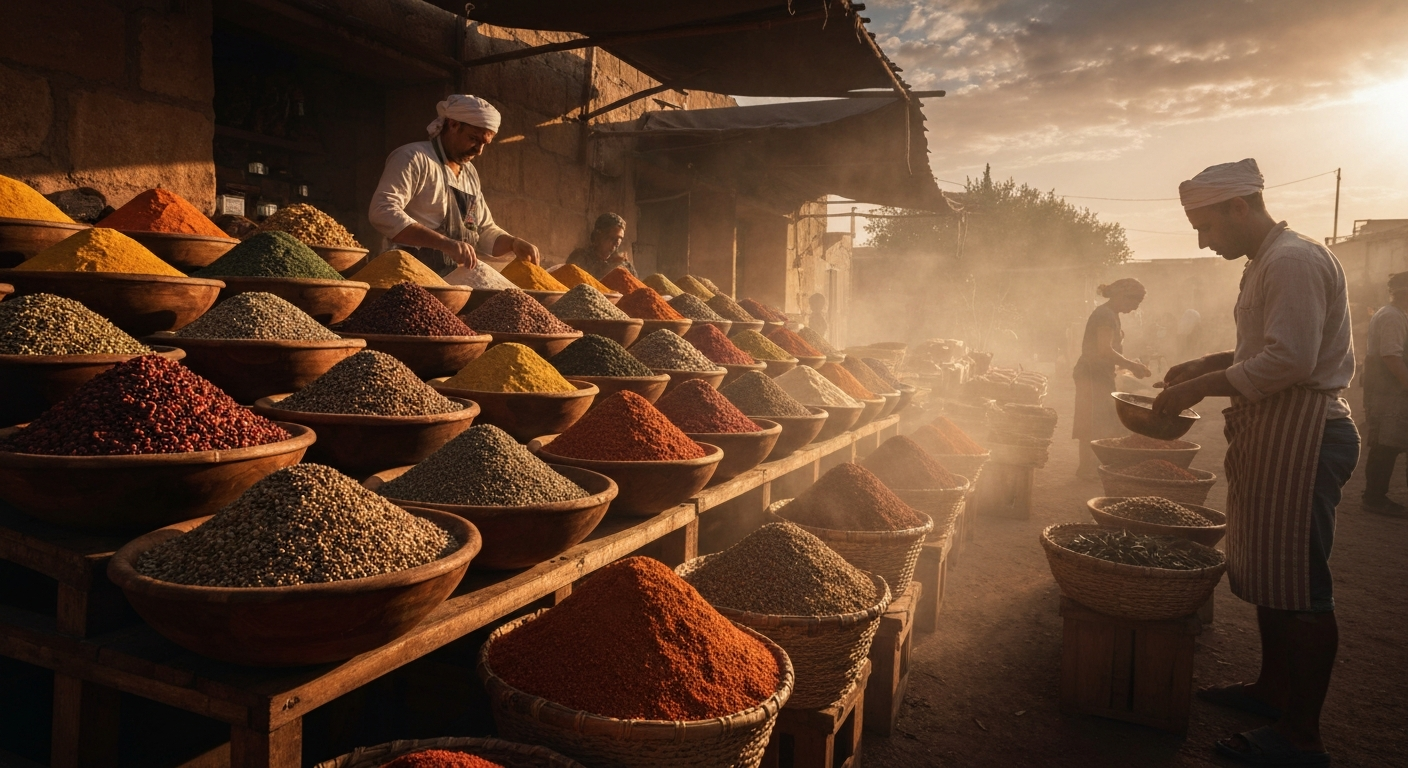
Scientists are now developing incredibly sensitive tools to detect these sneaky substances, even in foods that were previously hard to test. Imagine trying to find a specific grain of sand in a massive beach; that's the kind of challenge they face with complex foods like spices or different types of pastries. They've crafted methods that act like super-detectives, using techniques like LC–MS/MS and GC–MS/MS, which are essentially advanced chemical sniffers that can identify and measure incredibly tiny amounts of different chemicals in your food. This allows them to see how much of a pesticide in dried tea leaves actually makes it into your brew, or how much acrylamide is in your favorite vegetable chips.
In one surprising finding, researchers discovered that 38% of the tea samples they checked contained at least one pesticide exceeding EU safety limits in the dry leaves. Some even had up to 15 different pesticides in a single tea sample! However, the real eye-opener was seeing how much of these chemicals actually transferred from the dry leaves into the tea you drink. Highly water-soluble pesticides, which dissolve easily in water, often transferred over 50%, while oily ones, like those found in bug sprays (pyrethroids), barely transferred at all (less than 10%). This is like knowing that only some colors from a dye will bleed into your laundry, depending on the dye's properties.
Your Kitchen Habits Quietly Influence What You Eat
You might not realize it, but how you prepare your food at home also plays a significant role in what chemicals end up on your plate. For example, when it comes to acrylamide – that chemical found in crispy potato products or darkly toasted items – people instinctively stop cooking when food reaches a golden color. It turns out, this "golden rule" often aligns perfectly with EU recommendations to limit acrylamide formation. Your preference for a specific look or taste actually helps reduce exposure to this chemical, showing that our everyday cooking habits are smarter than we think.
Researchers even recruited people to cook their usual meals and then measured the acrylamide levels, demonstrating that integrating real-world cooking behaviors into studies provides a much more accurate picture of actual exposure. This approach helps create a more realistic assessment of risks than just testing foods in a lab. Imagine how much more we could learn if your gut bacteria will soon work for you were studied this way, considering real-life dietary habits!
Why We Need Better Rules for What's in Our Food
Even with these new insights, keeping our food supply truly safe remains a challenge. While some surprising pesticide levels were found in dry tea leaves, the amount that actually transfers to your cup generally doesn't pose an immediate acute or long-term risk. However, for chemicals like acrylamide, new data confirmed that exposure levels for populations like Belgium's are still a public health concern, echoing findings from the European Food Safety Authority (EFSA) back in 2015. This reinforces the need for ongoing efforts to reduce these contaminants in the food chain.
The good news is that these new analytical methods and the understanding of how processing and consumer behavior affect contaminant levels are already making a difference. The Belgian Food Safety Agency is using these tools to evaluate risks when pesticide levels are high in tea, and the acrylamide data has been shared with EFSA to help update EU regulations and set new benchmark levels for various food categories. It's a quiet but powerful improvement that helps protect you every time you eat or drink. Your food wrapper will quietly protect it in similar ways, using science to enhance daily safety. This kind of diligent scientific work means a safer tomorrow for your pantry.
The Future of Your Dinner Plate
What does this mean for you? It means that within the next five to ten years, you can expect even more rigorous monitoring of the foods you buy, thanks to these advanced detection methods. You might see new food regulations based on a deeper understanding of how chemicals transfer during cooking and processing. This isn't just about catching problems; it’s about preventing them, ensuring that the tea you brew and the spices you use are as clean and safe as possible. These advancements are quietly making your everyday meals healthier, giving you peace of mind with every bite and sip. It's a continuous, evolving process of science quietly improving your life. The simple mineral that quietly protects rice showcases a similar dedication to food safety.
What Are Food Contaminants?
Food contaminants are unwanted substances that can end up in your food, ranging from pesticide residues to chemicals formed during cooking or processing, like PAHs and acrylamide. These can occur naturally or be introduced at any stage from farm to table.
How Do Scientists Measure Hidden Chemicals in Food?
Scientists use advanced analytical techniques like LC–MS/MS and GC–MS/MS, which are highly sensitive methods that can identify and quantify tiny amounts of specific chemicals. These methods act like highly specialized chemical detectors.
Why Does My Cooking Method Matter for Food Safety?
Your cooking methods can significantly influence the levels of certain contaminants. For instance, cooking starchy foods to a golden-brown rather than dark-brown color can reduce acrylamide formation. Even brewing tea affects how many pesticides transfer.
Key Takeaways
- Many everyday foods, including tea and spices, can contain detectable levels of pesticides and processing chemicals like acrylamide and PAHs.
- New, highly sensitive analytical methods are helping scientists precisely measure these contaminants, even in complex foods, leading to better safety assessments.
- Consumer cooking habits, such as browning food to a golden color, can surprisingly align with regulatory efforts to reduce chemical exposure, highlighting the role of personal behavior in food safety.
Frequently Asked Questions
What are food contaminants? Food contaminants are unwanted substances in food, like pesticides or chemicals formed during cooking, that can pose health risks. They can be present from farming to your plate.
How do scientists detect these chemicals? Scientists use advanced "chemical sniffers" like LC–MS/MS and GC–MS/MS, which are incredibly sensitive tools to identify and measure tiny amounts of substances in complex food matrices.
Does my cooking affect food safety? Yes, your cooking habits, like browning levels for fried or baked foods, and even tea brewing methods, can influence the final amount of certain chemicals you consume.
Editorial note: The scientific findings presented in this article are sourced exclusively from published research papers, peer-reviewed studies, certified inventions, and registered patent filings. Images generated by AI.
Stay ahead of the curve
The science that shapes tomorrow — in your inbox every week
The scientific findings presented in our articles are sourced from published research papers, peer-reviewed studies, certified inventions, and registered patent filings. Subscribe for focused weekly coverage, hands-on explainers, and practical insights that help you stay curious — no jargon, no noise.
By subscribing, you agree to receive newsletter and marketing emails, and accept our Terms of Use and Privacy Policy. You can unsubscribe anytime.
Food Security, Biofortification & Agriculture in the Global South
Development journalist covering the agricultural innovations that can feed a warmer, more crowded world — particularly in Africa and South Asia.
View full profile →