Your Gut Bacteria Will Soon Work For You
Imagine a world where the tiny helpers inside you could be programmed to fight disease or even make useful chemicals. Scientists just figured out how to write custom instructions for your gut's microscopic inhabitants.
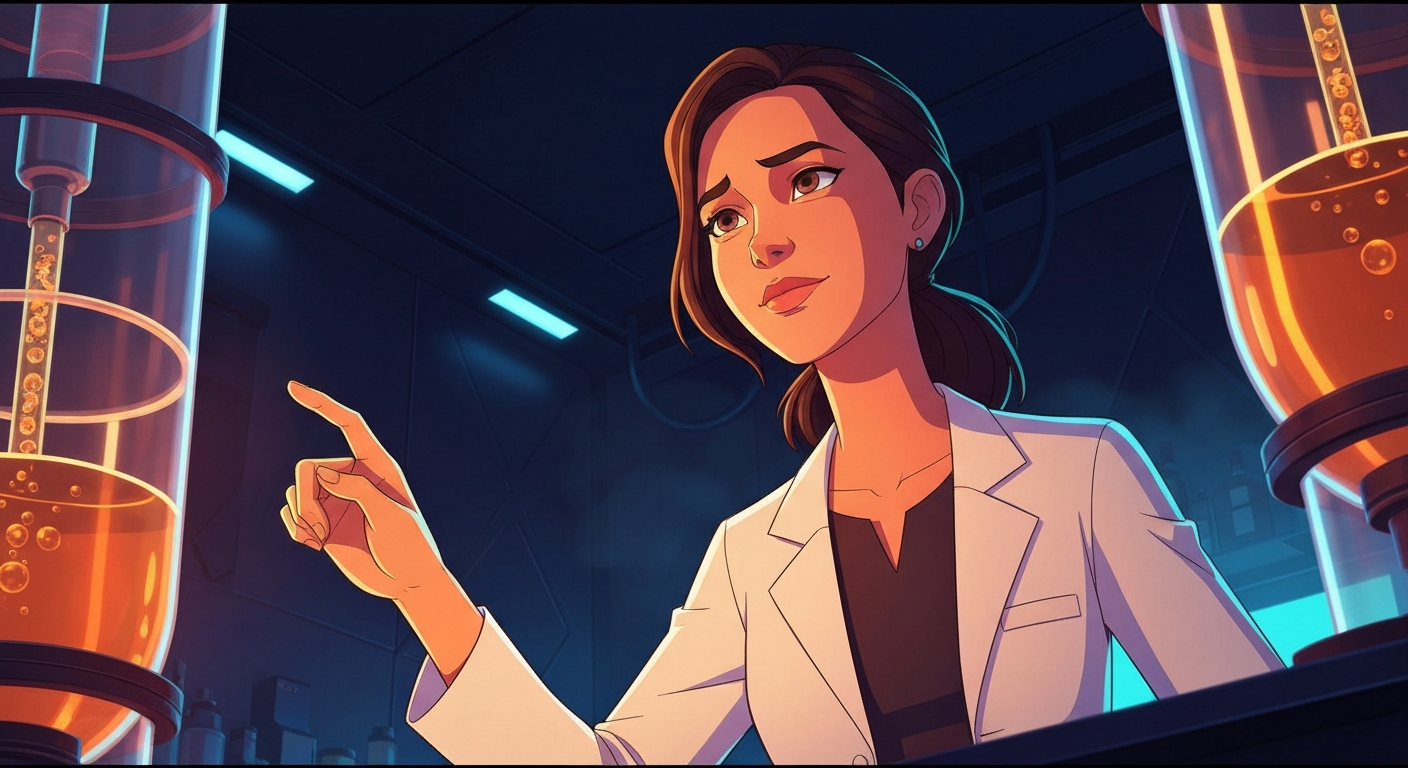
What if you could tell the tiny bacteria living inside you to do specific jobs, like producing medicine or cleaning up pollutants? You might think that sounds like something out of science fiction, but it's closer to reality than you think. Researchers have developed a new way to design unique genetic "on-off switches" for bacteria, letting us control their actions with surprising precision. This isn't just about understanding life; it's about rewriting it.
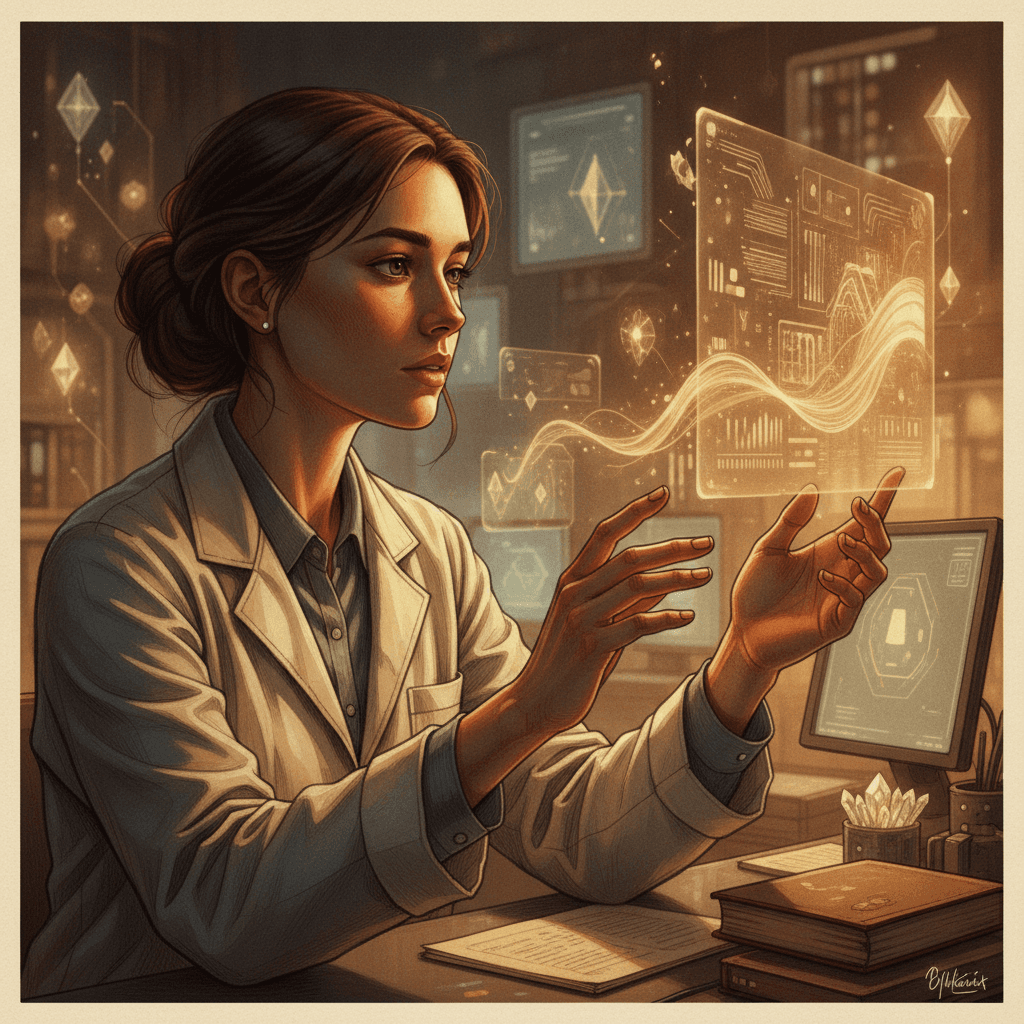
Think of it like this: every single cell, whether it's in your body or a tiny bacterium, has a control panel of sorts. On that panel are switches, called promoters, that tell genes when to turn on and make proteins, which are like the tiny machines of the cell. Until now, finding and using these switches has been a bit like rummaging through a junk drawer, hoping to find the right tool. Now, scientists are essentially 3D printing custom tools for those control panels.
We're Building New Control Panels for Life
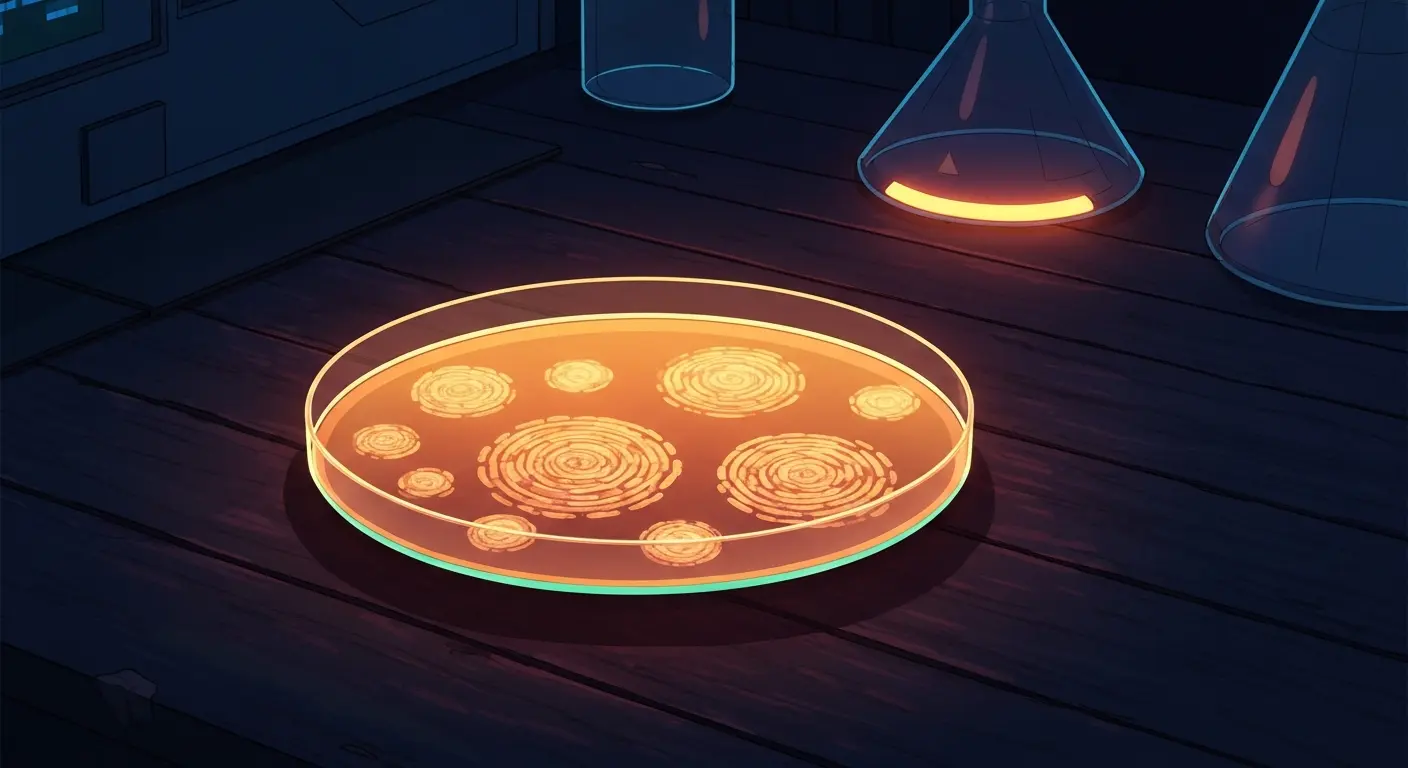
A team at the European Molecular Biology Laboratory (EMBL) in Germany, led by researcher Dr. Nikolaus Adams, has used an AI system called DiPro to create entirely new bacterial promoters. These aren't copies of existing ones; they are genuinely novel designs, like an architect sketching a building that's never existed before. The AI learned the intricate rules of bacterial genetic code, much like an artist learns brushstrokes, then generated millions of new, functional designs. This AI, a type of diffusion model, starts with random noise—like TV static—and gradually refines it into coherent genetic sequences, learning what makes a promoter work.
The system specifically focused on E. coli bacteria, a common type of bacteria found in your gut and often used in labs. This is a huge step because instead of just finding natural promoters, we can now create them for exact purposes. It’s like having a universal remote control for a bacterium's gene expression. What's even more surprising? More than 90% of the AI's generated sequences were classified as real promoters by independent tests, showing how accurately it learned the rules.
Why This Matters for Your Future
This ability to custom-design genetic switches opens up incredible possibilities, particularly in areas like metabolic engineering and synthetic biology. Imagine engineering gut bacteria to produce crucial vitamins, hormones, or even drugs directly inside your body, all on demand. This isn't just theory; the researchers demonstrated this by making bacteria produce a protein that causes them to self-destruct, but only at a very specific stage of their life cycle, mimicking how a timed medicine might work. It's precise, programmable control.
One of the big challenges has been finding reliable promoters that activate at exactly the right time or under specific conditions, especially when bacteria are under stress, like in the stationary phase when they stop growing rapidly. The DiPro system lets scientists design promoters that are specifically active during these "stress response" periods, offering a granular level of control previously difficult to achieve. This could be critical for creating living medicines that only kick in when your body truly needs them.
What Does This Mean for Practical Applications?
If everything goes well, you might see these engineered bacteria in applications within the next 10-15 years, starting in industrial processes and then moving into medicine. Think about things like custom-made probiotics that target specific health issues, such as inflammation or nutrient deficiencies. Instead of a general probiotic, you could get one tailored to produce a specific molecule your body is lacking. This technology could also lead to new ways of producing biofuels or cleaning up pollution. (/article/salt-and-dirt-could-make-your-fuel)
The next steps involve validating these new promoters in more complex biological systems and exploring how they interact with host organisms (like you!). Developing "smart" microbes that produce therapeutics in your gut, for example, will require extensive safety testing and regulatory approval. But the fundamental ability to write these complex biological programs is here, offering an exciting future where your body’s smallest inhabitants could become its most dedicated workers. Understanding your body's tiny helpers, from gut microbes to cellular processes, is becoming more and more vital for future health solutions. (/article/your-gut-has-a-hidden-power-switch)
How We're Getting Closer to Living Medicines
This work builds on the idea that instead of simply using existing biological parts, we can engineer entirely new ones. It’s moving beyond "tinkering" with nature to "designing" new biological functions. For instance, the scientists created promoters that showed distinct activation timing, proving they could program not just if a gene turns on, but when. This level of temporal control is essential for complex biological applications. Imagine if a probiotic only released its helpful compounds when certain disease markers appeared in your gut.
This isn't about replacing natural processes, but enhancing them. Just as we use AI to help understand and create complex software, we're now using it to design complex biological "software" for living cells. It's a testament to the power of AI in accelerating scientific discovery and giving us tools to tackle challenges we couldn't before. (/article/your-computer-is-finally-learning-like-you) The promise is to create living systems that can perform useful tasks, making our world cleaner and healthier in ways we're just beginning to imagine.
Key Takeaways
- Scientists are now using AI to design new genetic switches for bacteria, rather than just finding existing ones.
- This AI-generated genetic code allows for programmable control over bacterial functions, including activating genes at specific times or under stress.
- The technology could lead to engineered "living medicines" in your gut, creating personalized treatments or enhancing your body's natural processes within 10-15 years.
Frequently Asked Questions
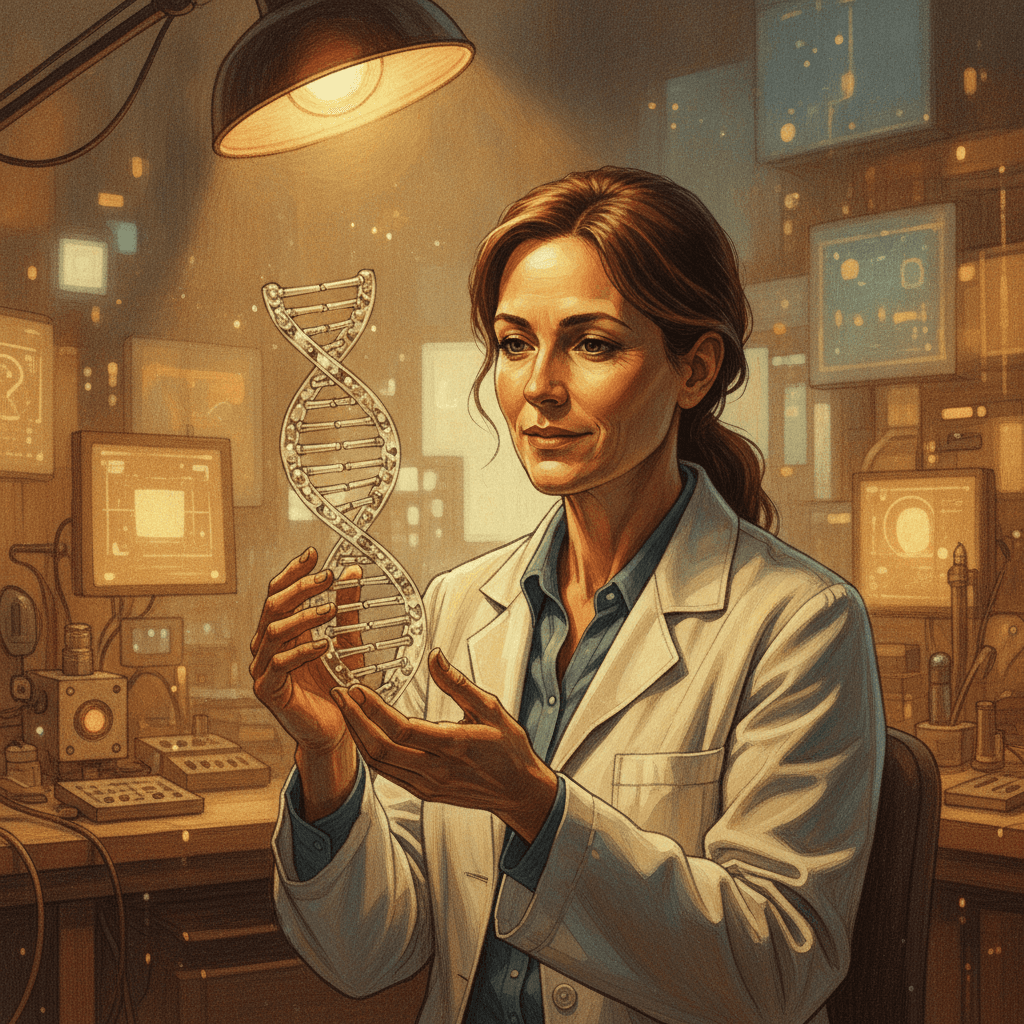
What are genetic promoters? Genetic promoters are like on-off switches in DNA that tell genes when to start making proteins. They control when and where a gene is activated within a cell, influencing all biological processes.
How does AI help design these switches? AI, specifically a diffusion model named DiPro, learns the complex patterns and rules of natural genetic switches. It then uses this knowledge to generate millions of entirely new, functional switch sequences from scratch, much faster than humans ever could.
What could this mean for my health? This technology could lead to custom-designed probiotics that produce specific medicines or nutrients directly in your gut, fighting diseases like inflammation or metabolic disorders from within.
Editorial note: The scientific findings presented in this article are sourced exclusively from published research papers, peer-reviewed studies, certified inventions, and registered patent filings. Images generated by AI.
Stay ahead of the curve
The science that shapes tomorrow — in your inbox every week
The scientific findings presented in our articles are sourced from published research papers, peer-reviewed studies, certified inventions, and registered patent filings. Subscribe for focused weekly coverage, hands-on explainers, and practical insights that help you stay curious — no jargon, no noise.
By subscribing, you agree to receive newsletter and marketing emails, and accept our Terms of Use and Privacy Policy. You can unsubscribe anytime.
AI Ethics, Algorithmic Bias & Responsible Computing
Technology ethicist and journalist covering the human consequences of the decisions embedded in algorithms and AI systems.
View full profile →