The Simple Mineral That Quietly Protects Rice
Imagine healthier rice harvests and less pollution from farms. A new discovery shows how a common mineral can make a big difference. Learn how it could change your food and our planet for the better.
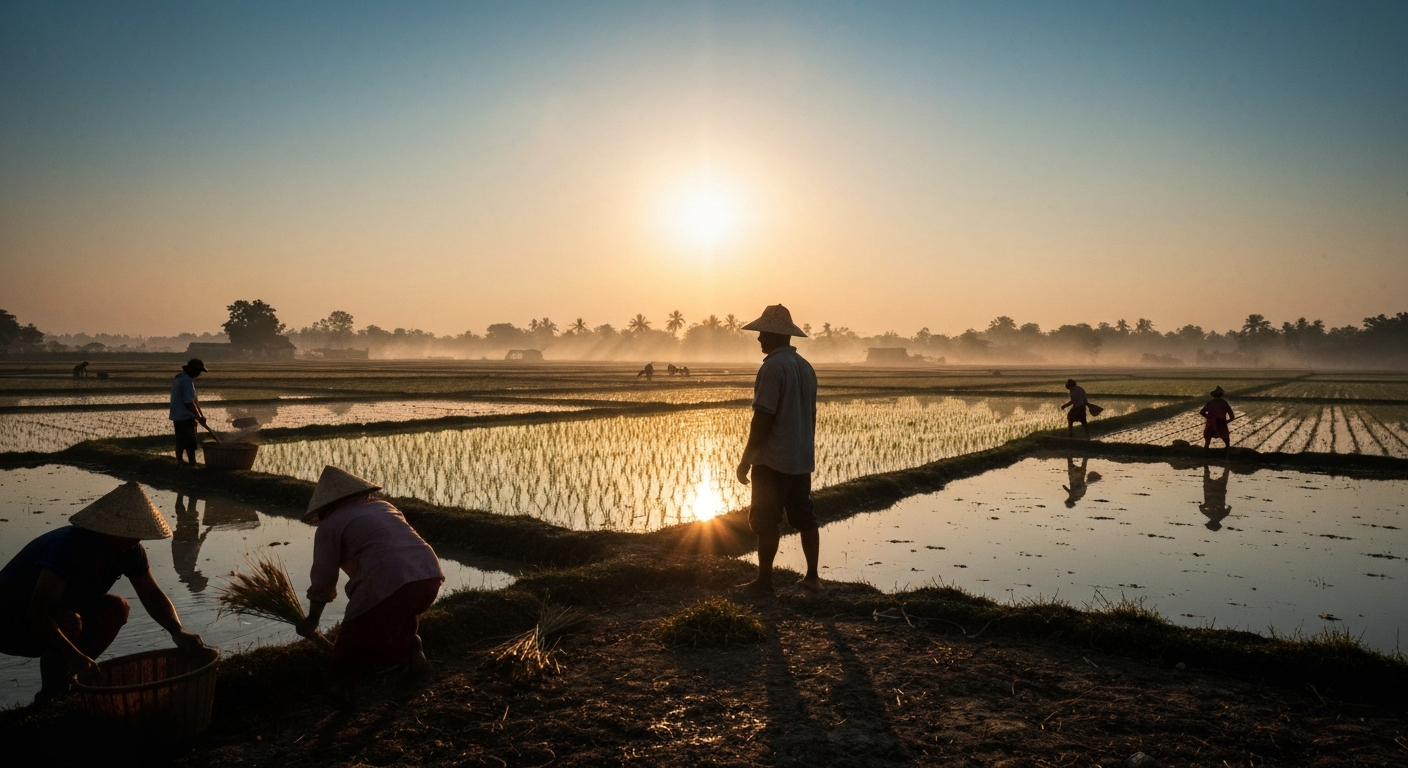
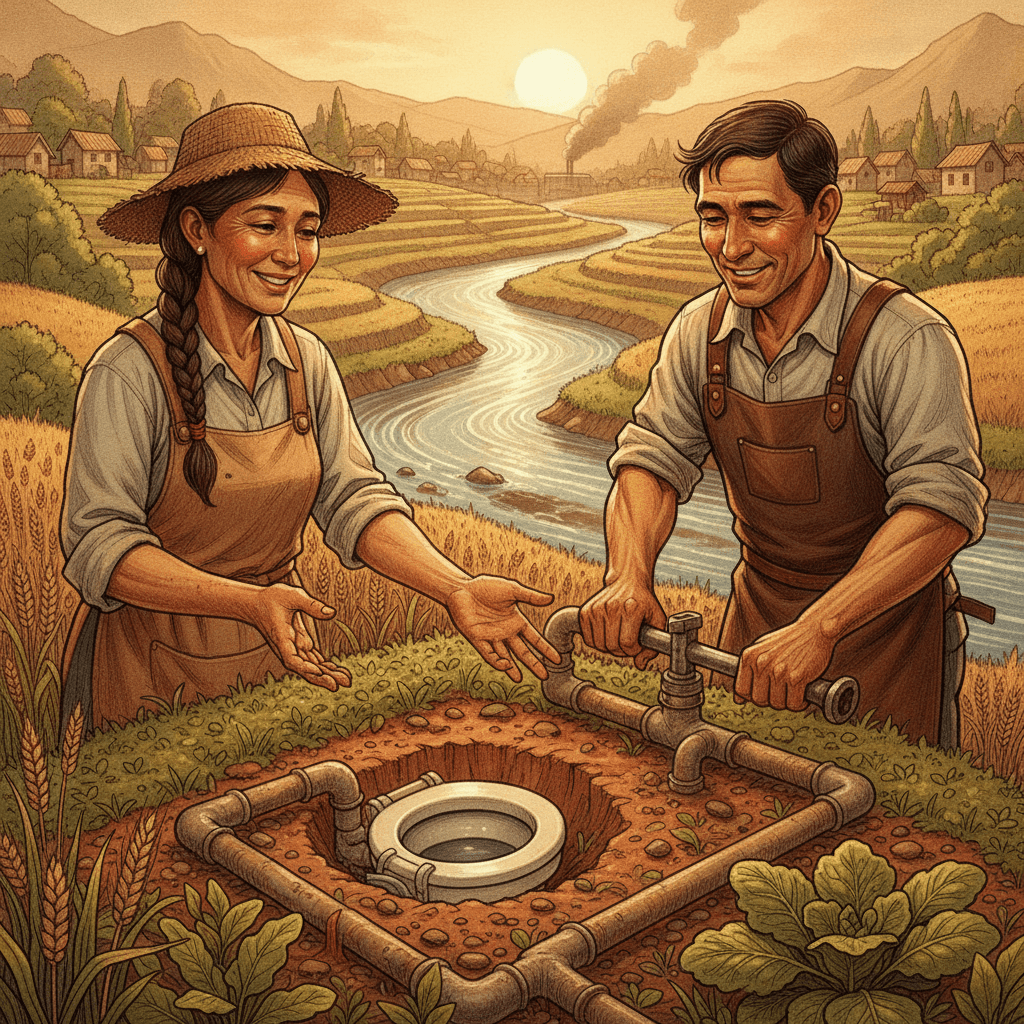
Your dinner plate, specifically that bowl of rice, might soon get a lot greener thanks to a humble, everyday mineral. New research from northeast China shows that simply adding potassium—yes, the same nutrient in bananas—to rice paddies can drastically cut down on greenhouse gases while boosting crop yields. This isn't just about farming; it's about the air we breathe and the future of our food supply.
This incredible finding comes from a two-year field trial conducted in 2023 and 2024. Researchers evaluated how different amounts of potassium affected rice fields using a clever watering technique called Alternate Wetting and Drying (AWD). This method is like giving the rice plants a series of short droughts, letting the soil dry out before re-flooding, unlike traditional continuous flooding where fields stay submerged.
So, how does AWD irrigation work, and why does it matter? Think of it like a carefully managed watering schedule for your garden, but on a massive scale. Instead of constantly soaking the soil, farmers let it dry out periodically, similar to how you might water a houseplant deeply and then wait for the soil to feel dry to the touch before watering again. This technique reduces the amount of water needed, but more importantly, it changes the microbial neighborhood in the soil—the tiny, unseen life forms, like bacteria, that play a huge role in the environment.
When fields are continuously flooded, certain microbes thrive that produce methane, a powerful greenhouse gas, as a byproduct of their digestion. With AWD, the soil gets more oxygen when it dries, which encourages a different set of microbes that consume methane, or at least don't produce as much. The trials showed AWD alone slashed methane emissions by an astonishing 76% over the entire growing season. However, this drying also caused a rise in another gas, nitrous oxide, a pollutant often released by fertilized soils.
That's where potassium steps in as the quiet hero. Researchers, including the team in northeast China, discovered that adding specific amounts of potassium (K)—a mineral that helps plants grow strong, much like how calcium builds your bones—significantly reduced those nitrous oxide emissions. It’s like adding a special ingredient to a complex recipe that balances out the flavors. The optimum amount, around 75 kg per hectare, cut nitrous oxide by 14% and boosted rice yield by 8%. If you're interested in how other simple additions can impact agriculture, you might be surprised by The Simple Secret That Helps Rice Ignore Salt.
What exactly is potassium doing? It seems to be subtly influencing the genes of those soil microbes, altering their activities. Specifically, it reduced the abundance of genes like amoA-AOA and nirK, which are involved in producing nitrous oxide, while increasing a gene called mcrA, which is linked to methane consumption. It's like potassium is helping to recalibrate the soil's tiny ecosystem, nudging it towards a more environmentally friendly balance.
This dual-action approach—using AWD irrigation combined with the right amount of potassium—offers a pathway to more sustainable rice farming. The study highlighted that a specific combination, I AWD K 75, was the sweet spot, maximizing rice yield while minimizing the overall greenhouse gas footprint. This is huge because rice paddies, while feeding billions, contribute significantly to global methane emissions.
Currently, this research is primarily confined to field trials in specific regions like northeast China, but the principles are universal. Farmers worldwide could adopt these methods. Integrating these practices doesn't require complex new machinery or exotic chemicals; it relies on smarter water management and optimized nutrient application, much like a gardener learning to water and fertilize plants more efficiently.
What are the hurdles? Changing long-standing farming practices takes time, education, and investment. Farmers need to be convinced of the economic benefits and have access to the knowledge and resources for implementing AWD and precise potassium application. However, with the growing urgency of climate change and the global demand for food, the motivation is strong. You'll often find that even simple changes in agricultural practices, like those used in Your Farm Fields May Grow Themselves, can have immense benefits.
If widespread adoption happens, we could see these practices influencing rice cultivation within the next 5 to 10 years. Imagine your favorite sushi roll or a comforting bowl of rice supporting a planet with significantly lower agricultural emissions. This simple mineral, potassium, could be a quiet force for massive change, helping us feed the world without cooking the planet. This discovery really drives home the point that sometimes, the biggest solutions are hidden in the smallest, most common elements around us, much like how Your Takeout Box Is About To Vanish through material science.
Why This Simple Farming Tweak Matters for Everyone
This discovery matters because rice, a staple for over half the world's population, is also a major source of greenhouse gases. By combining Alternate Wetting and Drying (AWD) irrigation with optimal potassium application, farmers can grow more rice while significantly reducing methane and nitrous oxide emissions. This means a healthier planet for everyone and a more stable food supply for billions.
How Does Potassium Help Rice Plants Grow Better?
Potassium acts like a plant's internal plumber and electrician, helping it regulate water, move nutrients, and activate enzymes crucial for growth. It strengthens the plant's resistance to stress and disease, much like a balanced diet keeps you healthy. In this study, optimized potassium levels meant stronger rice plants that produced a higher yield without requiring excessive water or fertilizer inputs.
What is Alternate Wetting and Drying (AWD) Irrigation?
AWD irrigation is a water-saving technique for rice cultivation where paddy fields are not kept continuously flooded. Instead, farmers allow the water level to drop below the soil surface for a few days before re-flooding. This cyclic drying and wetting reduces water usage, changes the microbial balance in the soil, and impacts greenhouse gas emissions, especially methane.
The Impact on Global Warming and Food Security
The combination of AWD and potassium is a win-win: it boosts rice yields (by up to 11% with optimal potassium) and significantly lowers the Global Warming Potential (GWP) of rice farming. This helps combat climate change by reducing potent greenhouse gases, and simultaneously strengthens food security by increasing the efficiency and productivity of essential food crops.
Key Takeaways
- Combining Alternate Wetting and Drying (AWD) irrigation with precise potassium application can reduce rice paddy methane emissions by 76% and nitrous oxide by 14%.
- This approach significantly boosts rice yield by up to 11% and improves water use efficiency, offering a dual benefit for environmental sustainability and food security.
- The findings, primarily from field trials in China, suggest a simple, accessible method for farmers worldwide to combat climate change while increasing essential food production.
Frequently Asked Questions
Q: What is the main benefit of using potassium with AWD irrigation? A: Combining potassium with AWD irrigation significantly reduces greenhouse gas emissions like methane and nitrous oxide from rice paddies, while also boosting rice yields by up to 11%.
Q: How quickly can farmers adopt these new rice farming methods? A: Widespread adoption could occur within 5 to 10 years, as these methods involve adjusting existing practices rather than requiring entirely new technologies. Education and access to resources are key.
Q: Does this mean my rice will taste different? A: No, these farming techniques impact the growing process and environmental footprint, not the taste or nutritional quality of the rice itself. It's about how the rice is grown more sustainably.
Editorial note: The scientific findings presented in this article are sourced exclusively from published research papers, peer-reviewed studies, certified inventions, and registered patent filings. Images generated by AI.
Stay ahead of the curve
The science that shapes tomorrow — in your inbox every week
The scientific findings presented in our articles are sourced from published research papers, peer-reviewed studies, certified inventions, and registered patent filings. Subscribe for focused weekly coverage, hands-on explainers, and practical insights that help you stay curious — no jargon, no noise.
By subscribing, you agree to receive newsletter and marketing emails, and accept our Terms of Use and Privacy Policy. You can unsubscribe anytime.
Sustainable Food Systems, Mediterranean Agriculture & Food Waste Innovation
Italian food systems journalist writing about the science of producing food more sustainably — and wasting far less of it.
View full profile →