What's Quietly Killing Your Potatoes?
You might love potatoes, but a hidden enemy is constantly attacking this staple crop, threatening harvests worldwide. Discover the surprising history of this potato destroyer and how new strategies are fighting back to protect your food.
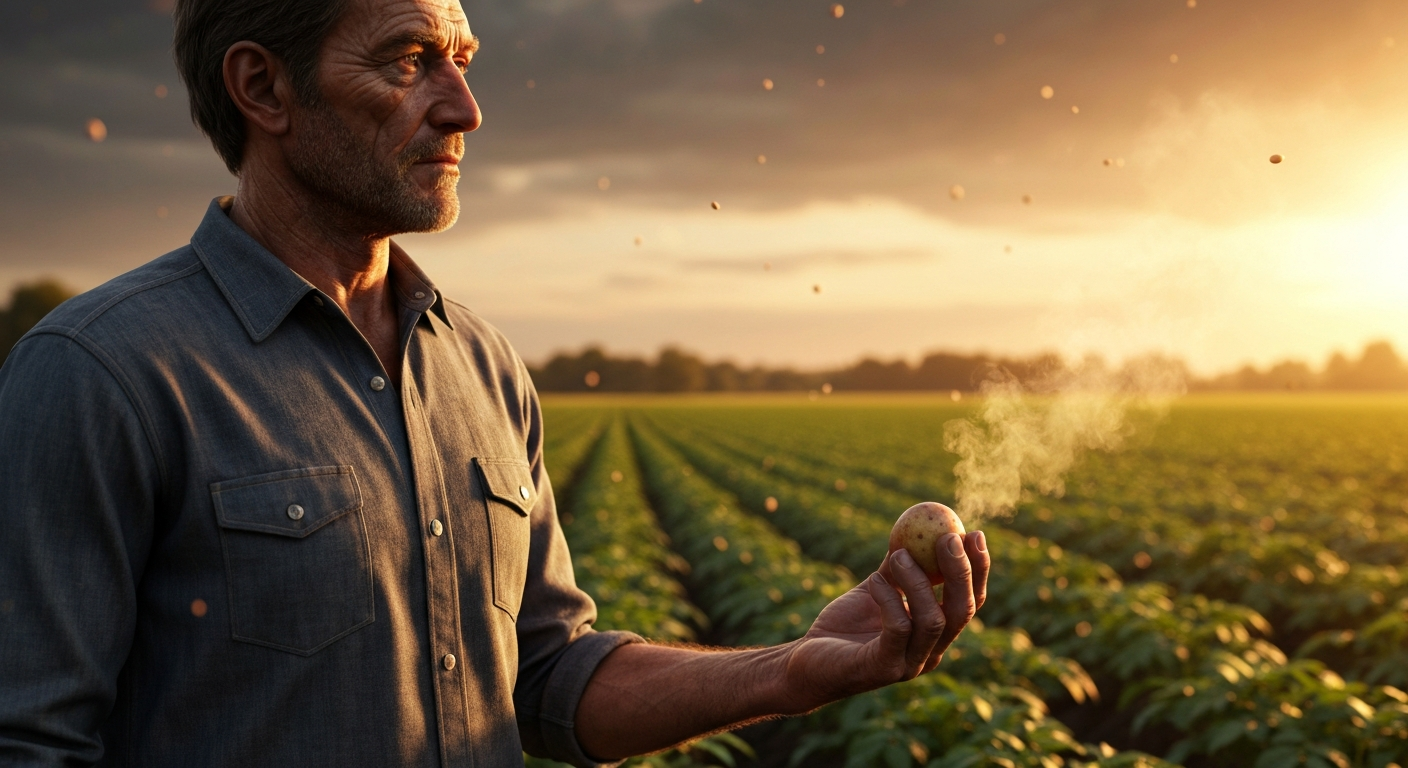
Imagine digging into your garden, excited to pull out plump, earthy potatoes, only to find them mushy, discolored, and rotting away. Or perhaps you've noticed the price of your favorite fries creeping up at the grocery store. What if you knew a tiny, invisible enemy is quietly waging war on potatoes globally, a battle that has literally reshaped history and still costs farmers billions every year?
This isn't just about a few bad spuds; it’s about a persistent, destructive plant disease called late blight. For centuries, this silent attacker has plagued farmers, ruining entire fields of potatoes and tomatoes, leaving devastation in its wake. It's an issue that affects everyone, from the farmer struggling to feed their family to your dinner table.
The Real Reason Your Potatoes Are Disappearing
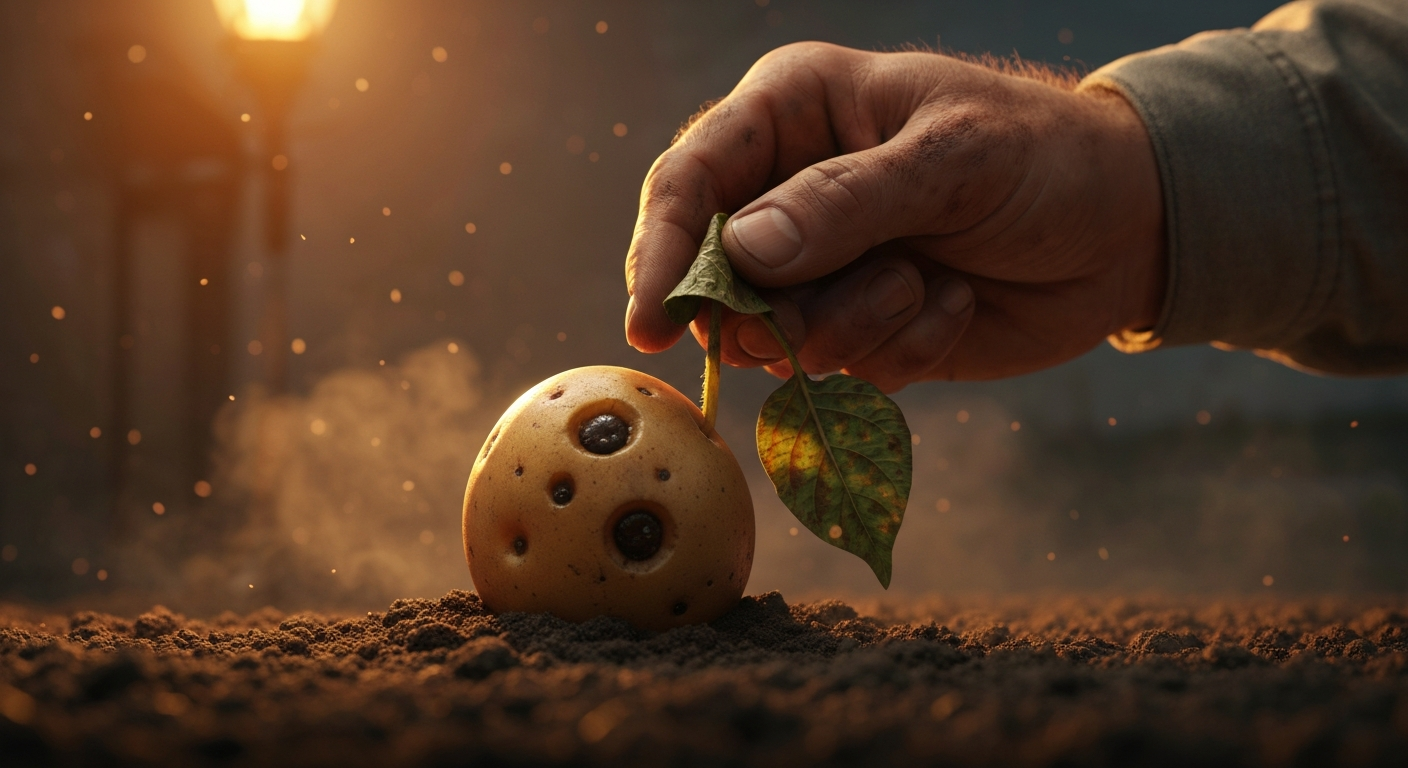
Late blight is a plant disease caused by something called an oomycete, which is like a slimy, microscopic mold rather than a true fungus, even though it acts a lot like one. This pathogen, Phytophthora infestans, spreads its spores through the wind and rain, infecting leaves, stems, and ultimately, the potato tubers underground. Once it takes hold, it’s a race against time before your entire crop turns into a rotten mess.
You might be surprised to learn that this specific disease triggered the devastating Irish Potato Famine in the 1840s, a period that led to mass starvation, death, and forced millions to emigrate. Even today, late blight remains the most damaging potato disease across the globe. Some regions, like Sub-Saharan Africa and Latin America, still see up to 44% of their potato yields wiped out if the disease isn't controlled.
Why This Potato Destroyer Is So Hard to Stop
This sneaky pathogen is incredibly adaptable, almost like a master of disguise constantly changing its tactics. It reproduces both sexually and asexually, meaning it can create new genetic variations quickly, making it harder for our defenses to keep up. This rapid evolution allows it to resist fungicides – the chemical sprays farmers use to protect crops – much faster than you’d expect.
Think of it like trying to catch a highly intelligent fugitive who keeps changing their appearance and hideouts. What works one season might be useless the next. This constant battle means farmers are always looking for better ways to protect their vital crops. Without effective strategies, we risk losing a major part of the world's food supply.
How Smart Farmers Are Protecting Your Food Now
Protecting potatoes from this relentless enemy requires a clever, multi-pronged approach often called "integrated management." It’s like assembling a team of specialized defenders, each with a specific job, rather than relying on a single guard. This strategy combines traditional wisdom with cutting-edge science to keep potatoes healthy.
Here’s how modern farming is fighting back:
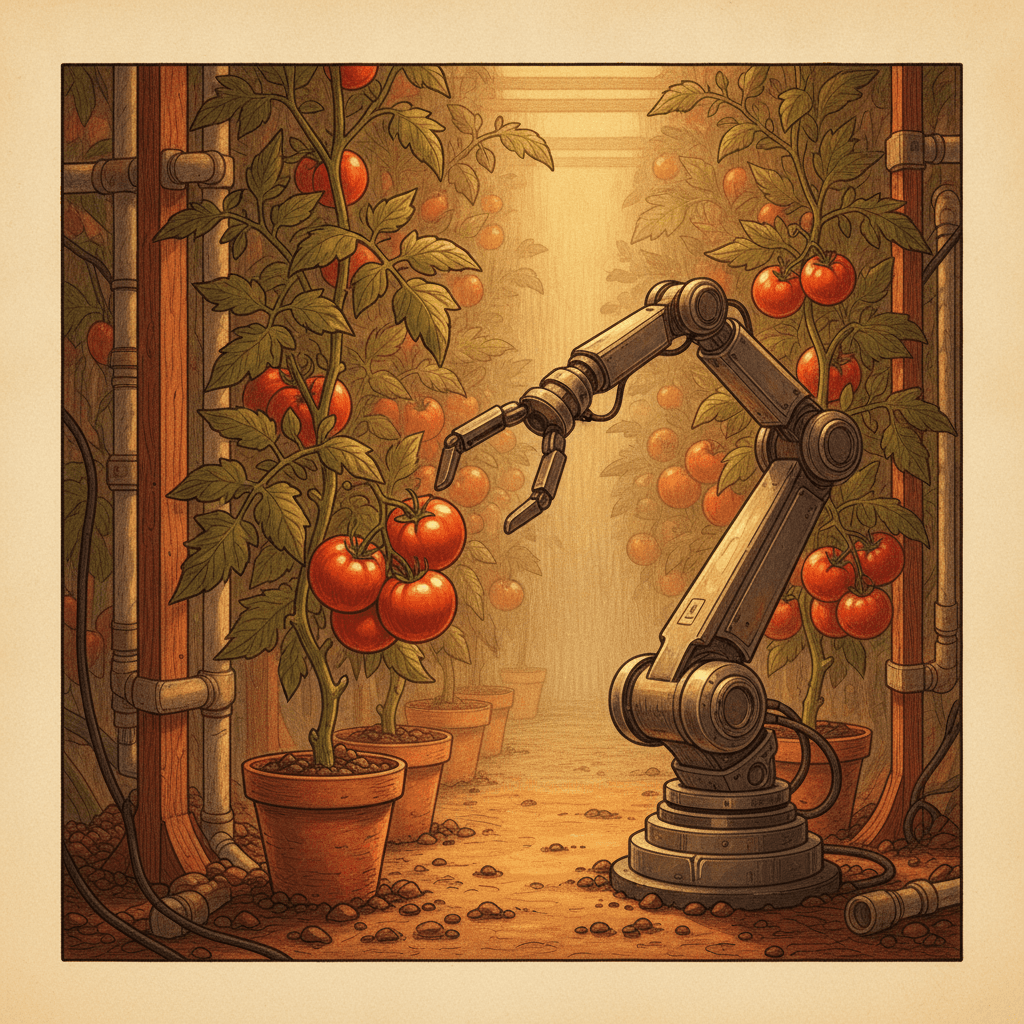
- Smart Forecasting: Scientists and farmers now use sophisticated computer models, almost like a weather forecast specifically for plant diseases. These models predict when and where late blight is most likely to spread based on temperature, humidity, and rainfall, allowing farmers to take action before an outbreak hits. This targeted approach means fewer unnecessary interventions.
- Resistant Varieties: Breeders are developing new potato types that are naturally stronger against the blight, much like giving a child an extra robust immune system. By incorporating genes from wild potato relatives, these new varieties can better defend themselves. However, developing and getting these new types of food plants into widespread use can take years, even decades.
- Biological Allies: Some farmers are exploring the use of beneficial microorganisms – tiny, invisible helpers – that can suppress the disease. This is like bringing in a microscopic police force to fight off the bad guys, naturally reducing the pathogen's power. These beneficial microbes can also improve soil health, which is crucial as healthy soil is less likely to "drink water faster" and retain too much moisture, reducing blight-favorable conditions.
- Targeted Chemical Treatments: When absolutely necessary, fungicides are applied, but only at the right time and in the right amounts, guided by those forecasting models. This is like using a precise medicine only when you’re sick, rather than taking it all the time, which helps prevent the pathogen from building resistance.
- Smart Farming Practices: Simple things like proper crop rotation, improving drainage in fields, and ensuring adequate spacing between plants can make a huge difference. These methods reduce the humid, crowded conditions that late blight loves, effectively making the environment less hospitable for the pathogen. Many of these practices are essential for farmers who are "quietly growing food where nothing grows" by maximizing every resource.
What This Means For Your Dinner Table
The ongoing fight against late blight isn't just a concern for distant farmers; it directly impacts your everyday life. When potato crops are lost, it can lead to higher prices for you at the grocery store. It can also reduce the variety of potatoes available, affecting everything from your bag of chips to your mashed potatoes. Global potato production averages around 359 million metric tons annually, and even a 10-15% loss, as seen in some regions of India, translates into millions of tons of food gone to waste (Lal et al., 2018).
Researchers are constantly refining these integrated management strategies, hoping to find even more effective and environmentally friendly ways to keep your potatoes healthy. While we might not see a "magic bullet" solution tomorrow, these continuous improvements mean your future meals are more secure. This isn't a problem that will disappear overnight, but with smarter farming, we can keep those delicious potatoes on your plate for years to come.
Your Role in the Bigger Picture
You might not be a farmer, but understanding where your food comes from and the challenges involved connects you to a global effort. Choosing to support sustainable farming practices, even through the products you buy, helps to reinforce these vital strategies. So the next time you enjoy a perfectly cooked potato, take a moment to appreciate the unseen battle being fought to bring it to your plate. It's a reminder of how interconnected we all are to the natural world and the ingenuity required to feed billions.
Key Takeaways
- Late blight, caused by an oomycete, is a highly destructive potato disease historically responsible for famines and still causing massive global crop losses.
- The pathogen's rapid evolution and resistance to traditional controls make it a persistent threat, demanding sophisticated management strategies.
- Modern integrated management combines predictive modeling, genetic resistance, biological controls, and targeted chemical treatments to protect our essential potato supply.
Frequently Asked Questions
What is late blight? Late blight is a destructive plant disease primarily affecting potatoes and tomatoes, caused by an oomycete, a microscopic organism that behaves like a mold. It rapidly damages foliage and rots tubers.
Why is late blight so dangerous to crops? This disease can quickly wipe out entire potato fields, causing up to 100% yield loss under severe conditions. It led to the Irish Potato Famine and still causes billions in losses annually due to its rapid spread and adaptability.
How is late blight managed today? Farmers use an "integrated management" approach, combining disease forecasting, planting resistant potato varieties, using beneficial microbes (biological control), applying targeted fungicides, and employing smart farming practices.
Editorial note: The scientific findings presented in this article are sourced exclusively from published research papers, peer-reviewed studies, certified inventions, and registered patent filings. Images generated by AI.
Stay ahead of the curve
The science that shapes tomorrow — in your inbox every week
The scientific findings presented in our articles are sourced from published research papers, peer-reviewed studies, certified inventions, and registered patent filings. Subscribe for focused weekly coverage, hands-on explainers, and practical insights that help you stay curious — no jargon, no noise.
By subscribing, you agree to receive newsletter and marketing emails, and accept our Terms of Use and Privacy Policy. You can unsubscribe anytime.
Agricultural Biotechnology & Soil Microbiome Science
Agricultural scientist and writer covering the innovations in seed, soil, and farming that will determine whether the world can feed ten billion people.
View full profile →