Your Soil May Be Feeding Crop Sickness
You might think healthy soil is just about nutrients, but a hidden world beneath your feet dictates how well our food grows. Discover how a plant's past meals can surprisingly make future crops sicker, and what scientists are doing about it.
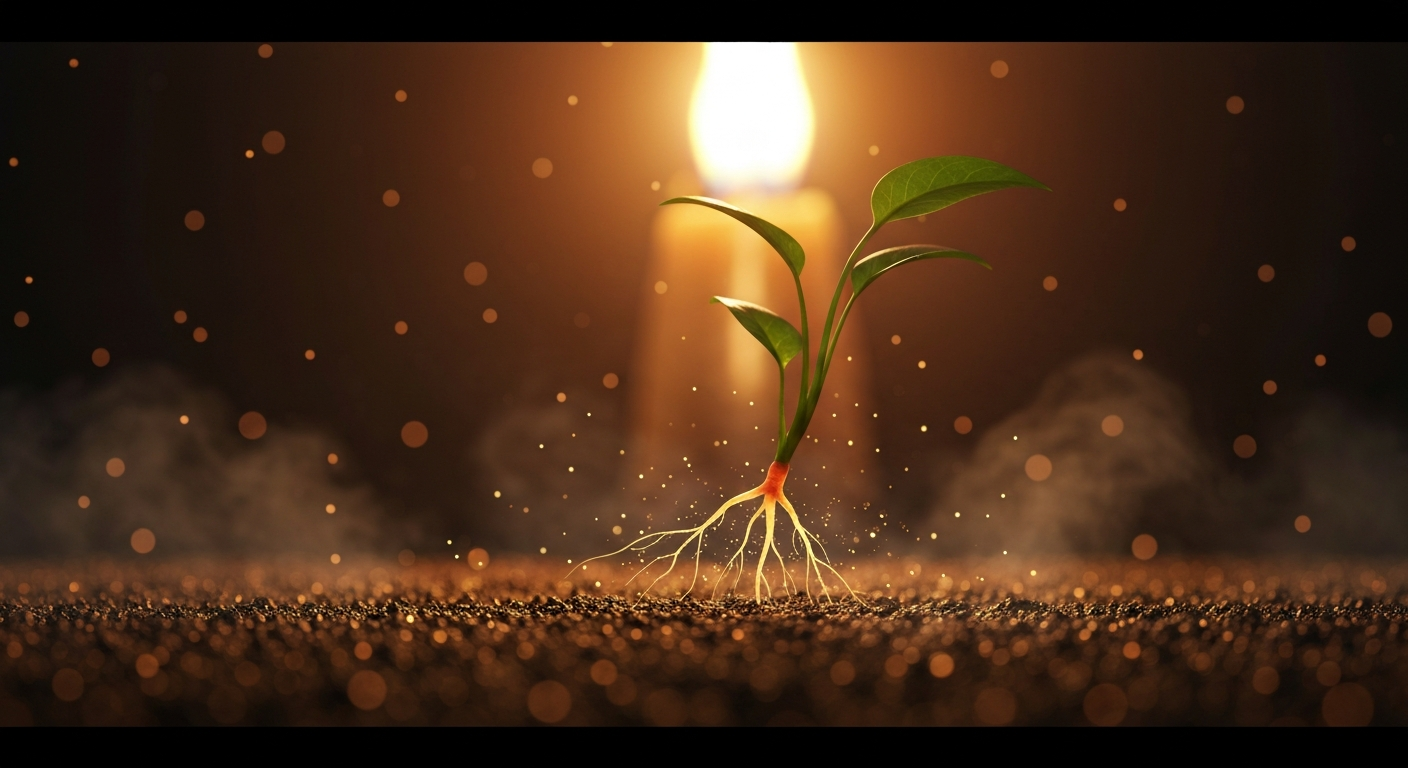
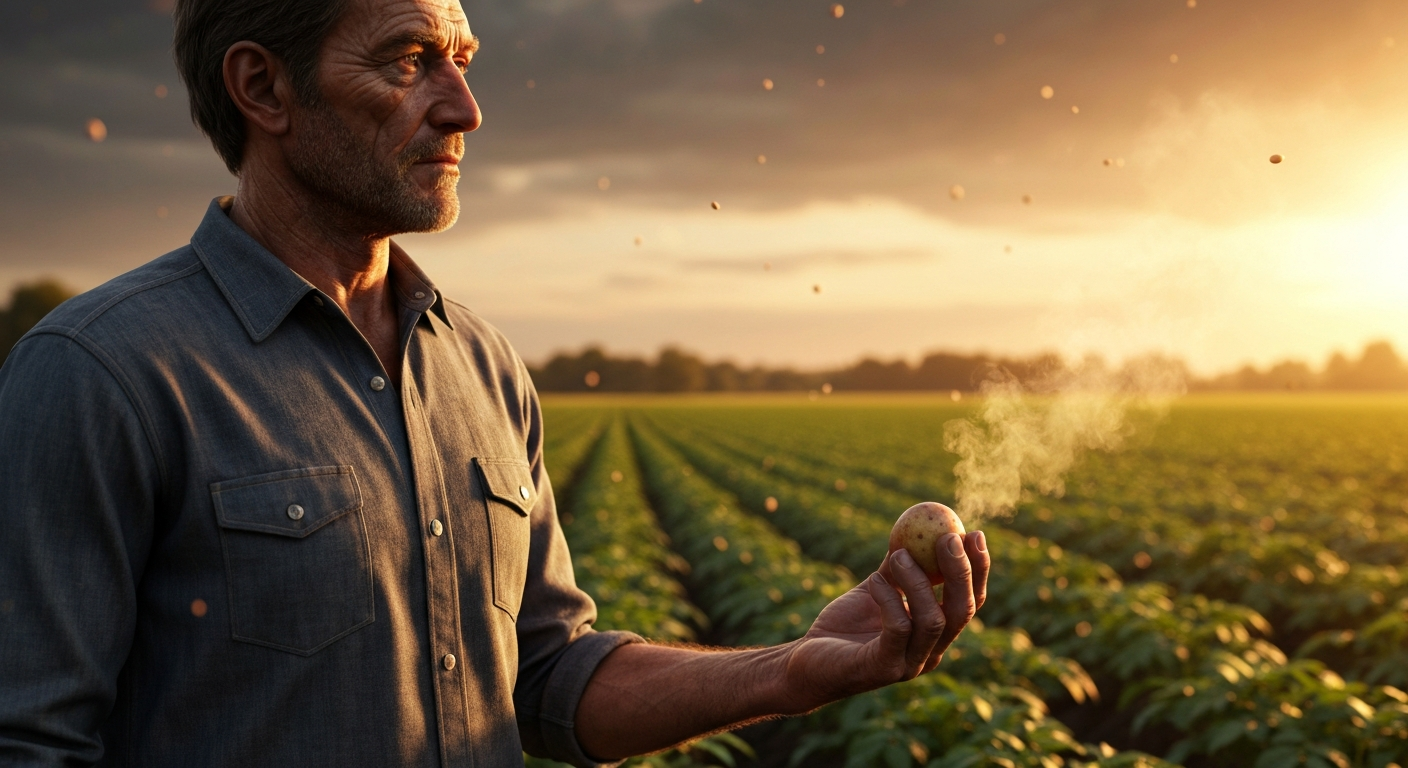
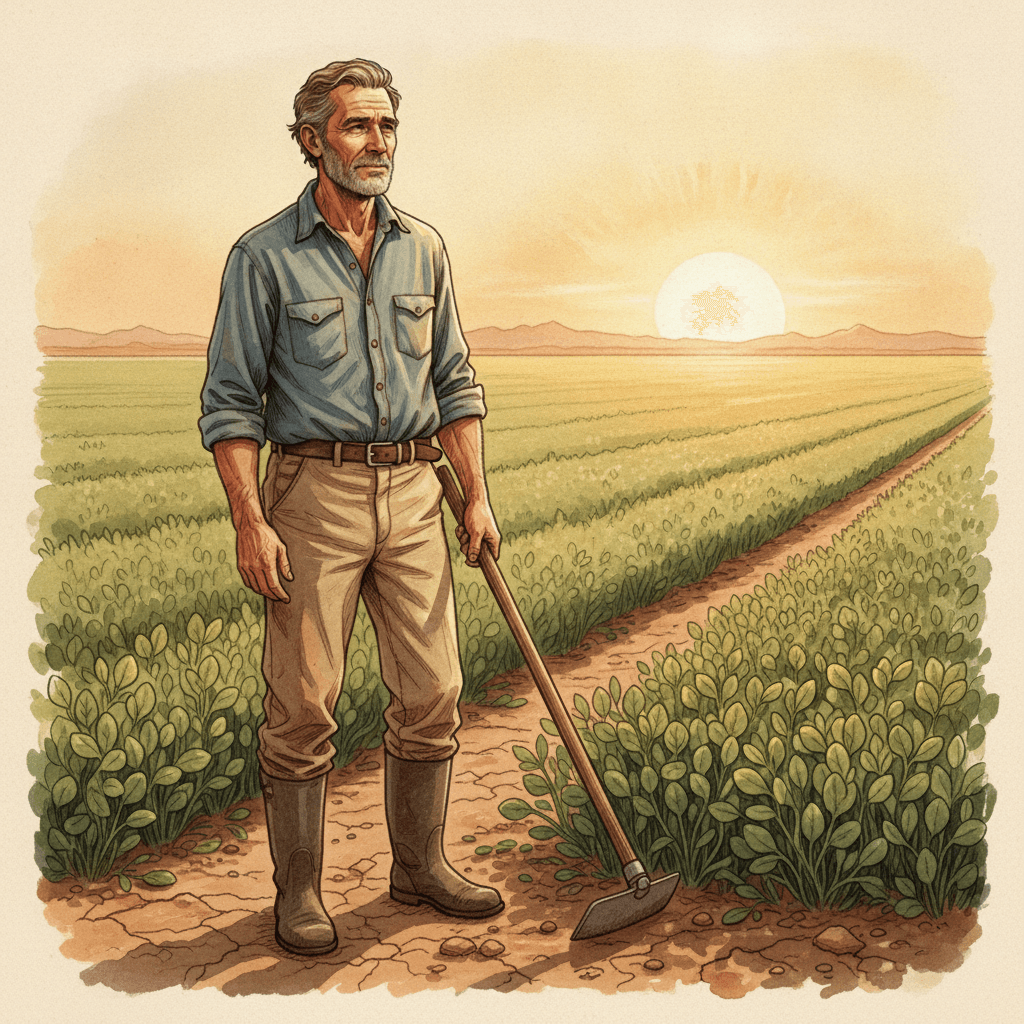
Imagine planting the same crop year after year in the same patch of dirt. You’d probably expect it to get harder over time, right? Farmers have faced this for centuries, struggling with dwindling yields or crops that seem more vulnerable to disease. We fertilize, we rotate crops sometimes, but often, the ground seems to "tire out," or unexpected sickness creeps in.
You might assume it's simply a lack of nutrients, like your body running low on vitamins. But what if the problem isn't just about what the soil lacks, but what it remembers? A recent study has pulled back the curtain on a fascinating, hidden world beneath our feet, revealing that the very act of growing a plant leaves a powerful, microscopic "ghost" that affects everything grown there next.
Your Plants Have a Secret Social Network Underground
Scientists call this invisible ecosystem around a plant's roots the rhizosphere. Think of it as the plant's personal neighborhood, a bustling microscopic metropolis where roots interact constantly with trillions of tiny organisms. It’s where your plant roots actually "talk" to the soil's inhabitants by releasing substances, a bit like leaving out snacks for your neighbors.
These root secretions, known as rhizodeposits, are like a plant's packed lunch, full of sugars, proteins, and acids, designed to feed specific microbes. Some microbes are helpful allies, bringing nutrients closer to the roots. Others are like tiny, hungry predators, munching on other microbes. It’s an intricate dance, and it’s happening every second your plant is alive.
How Your Crop's Past Shapes Its Future
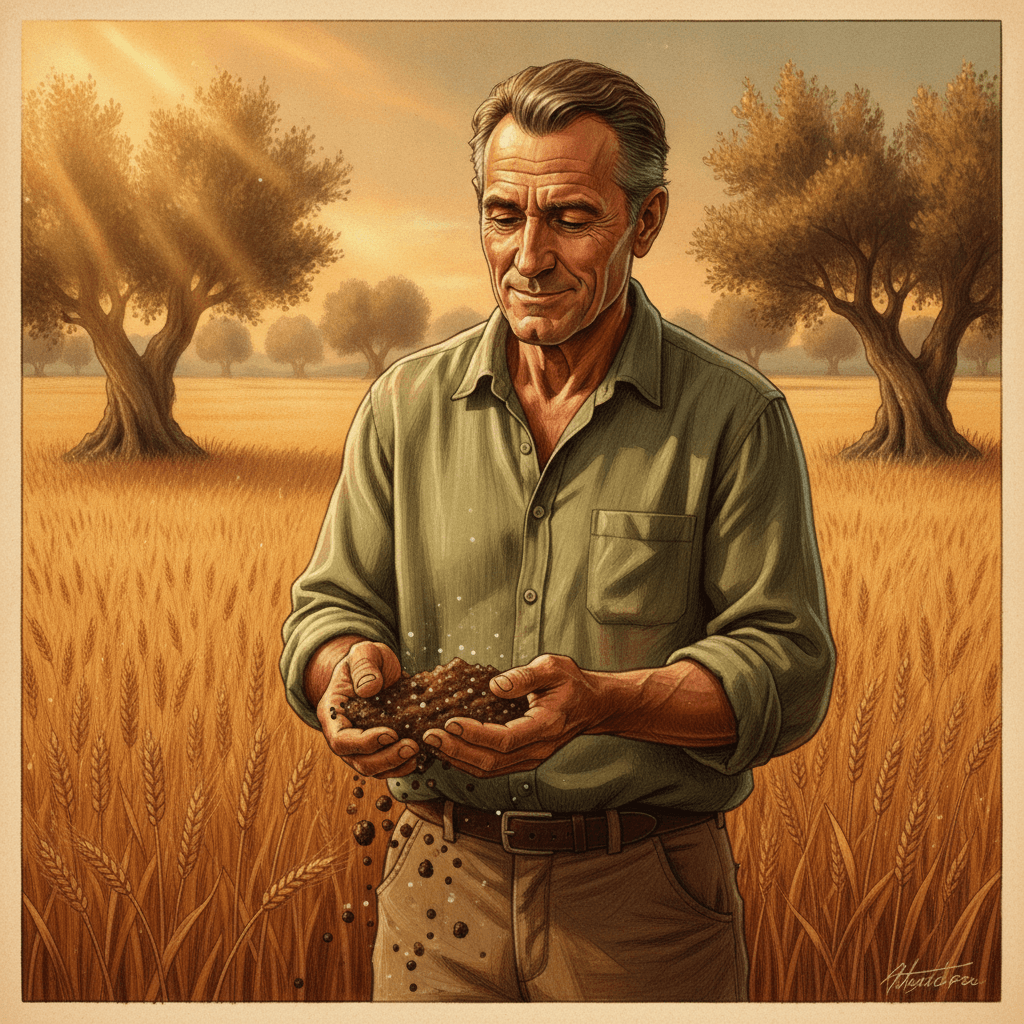
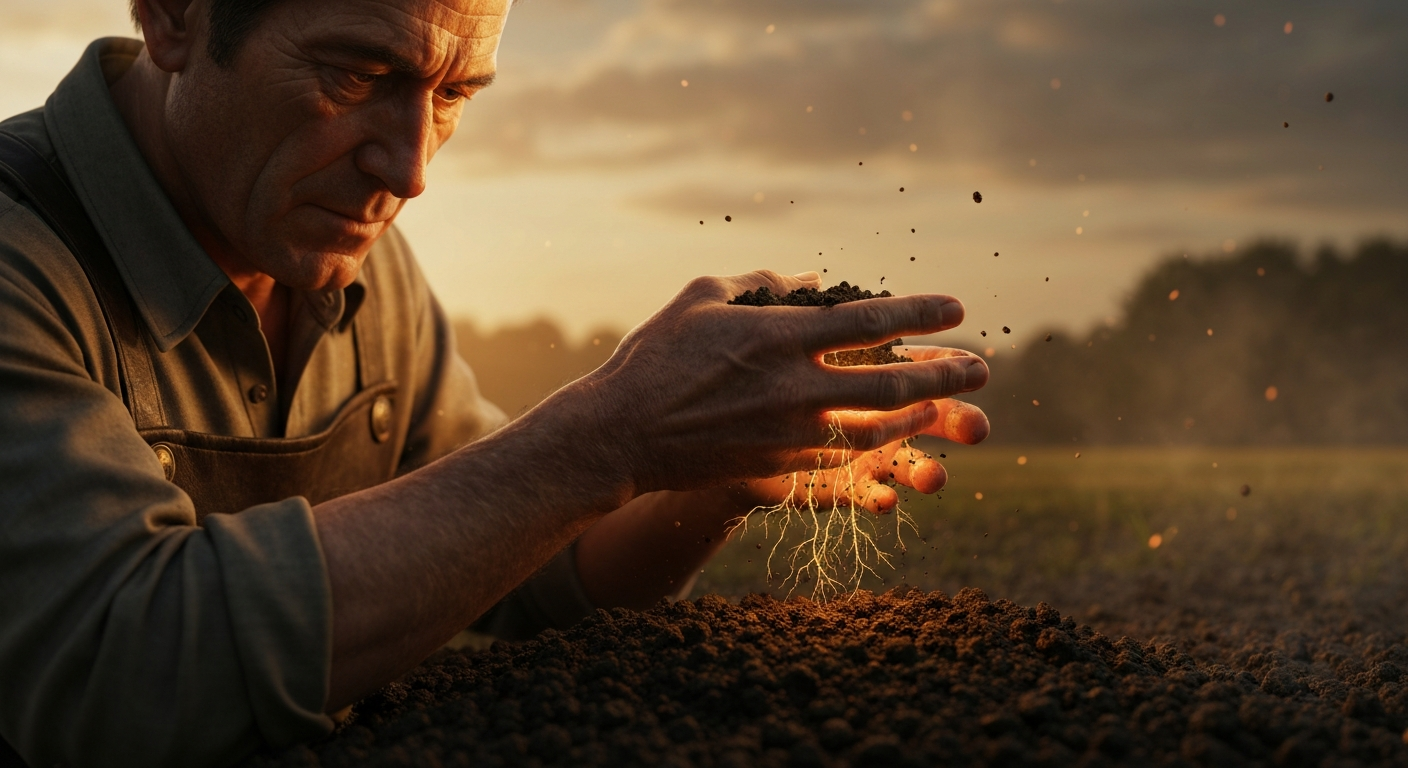
Here’s where things get truly interesting: a plant doesn't just grow and disappear; it leaves a soil legacy. When old roots die, they leave behind empty tunnels, like tiny underground highways, and a chemical imprint of the microbial communities they once hosted. These leftovers, surprisingly, decide who gets to move into the neighborhood next.
Researchers discovered that these inherited "fingerprints" in the soil profoundly influence the types of microbes that gather around the roots of future plants. This means the health and vulnerability of tomorrow’s crops are already being written by today’s plant community. It’s a powerful, long-lasting effect, especially when the same crop, like maize (corn), is grown repeatedly.
The Quiet Risk of Planting the Same Crop
When you continuously plant the same crop, you're essentially serving the same meal over and over in that root neighborhood. A five-year field study confirmed that doing this with maize consistently enriched certain undesirable residents: oomycete species, which are actually tiny, disease-causing microbes—think of them as tiny plant sickness agents. It's like repeatedly inviting the same guests who bring trouble to your party.
The study, which looked at different soil types, found that rich loam soil amplified this "legacy effect." It promoted changes in the protist communities (tiny single-celled organisms that graze on bacteria and fungi, acting like the soil's clean-up crew), shifting them in ways that unfortunately favored these disease agents. Meanwhile, sandy soils showed a more unpredictable, drought-sensitive behavior. This means the very dirt beneath our feet can silently encourage sickness in our food.
Old Root Tunnels Become New Hotspots
Here's a fact you probably wouldn't guess: old, decaying root channels aren't just empty space. Research found that about 10% of these biopores—the empty tubes left by previous roots—are actually reused by new roots. Imagine an old, abandoned subway tunnel suddenly becoming a bustling pathway again!
These recycled tunnels become unique microbial hotspots. During regrowth, the tiny organisms in these biopores shift from being decomposers (the ones breaking down dead matter) back to becoming the types of microbes that thrive around living roots. However, they also hosted more diverse and varied microbial communities, showing elevated beta dispersion, which basically means their microbe population was more scattered and less uniform than other areas. This suggests these "recycled" zones are crucial for understanding future soil health.
Decoding the Language of Soil
So, what does all this mean for the food on your plate? It means that farmers aren't just planting seeds into inert dirt; they're planting into a complex, living system with a memory. The location of microbial hotspots, for example, is primarily driven by the plant's carbon releases – those "snacks" the roots offer. But how the microbial community as a whole assembles is heavily influenced by those inherited legacies and the structure of the soil's pores.
This interaction creates intricate spatiotemporal feedback loops, a fancy way of saying that things happening in one place at one time will affect what happens in another place at another time, underground. Understanding these loops could be the key to designing more resilient farms, helping them resist disease and grow healthier crops. We’re beginning to decipher the hidden language of the soil.
The Future of Food Starts Beneath Your Feet
Don't expect your grocery store produce section to change overnight. This research, while fascinating, is foundational science. We're talking years, perhaps a decade or more, before this deep understanding of soil legacies translates into widespread, practical farming methods. Scientists need to figure out exactly which microbes are beneficial, which are harmful, and how to reliably encourage the good ones while discouraging the bad.
But the promise is immense. Imagine farming practices that actively nurture a soil's "memory" to boost plant immunity, reducing the need for chemical interventions. By understanding these unseen interactions, we can help our planet's soil stay healthy, ensuring more robust crops and, ultimately, more nutritious food for you and your family. The ground beneath us holds far more secrets than we ever realized.
Key Takeaways
- A plant's roots actively shape a unique "microbe neighborhood" called the rhizosphere, feeding specific organisms through root secretions.
- Growing the same crop repeatedly leaves a "soil legacy" that can unfortunately enrich disease-causing microbes, making future plants sicker.
- Understanding these hidden underground interactions and "soil memory" is crucial for developing farming methods that boost plant health and reduce crop vulnerability in the long term.
Frequently Asked Questions
What is a soil legacy? A soil legacy refers to the lasting effects that previous plants and their associated microbial communities leave behind in the soil, influencing the growth and health of subsequent plants. It's like an ecological memory.
How does monoculture affect soil legacies? Continuous monoculture, or planting the same crop repeatedly, can lead to negative soil legacies by consistently enriching harmful microbes (pathogens) around roots, making future crops of that species more vulnerable to disease.
Can we improve soil legacies for better crops? Yes, by understanding how these legacies work, scientists hope to develop farming practices that encourage beneficial microbes and healthy soil structures, leading to more resilient crops and reduced disease.
Editorial note: The scientific findings presented in this article are sourced exclusively from published research papers, peer-reviewed studies, certified inventions, and registered patent filings. Images generated by AI.
Stay ahead of the curve
The science that shapes tomorrow — in your inbox every week
The scientific findings presented in our articles are sourced from published research papers, peer-reviewed studies, certified inventions, and registered patent filings. Subscribe for focused weekly coverage, hands-on explainers, and practical insights that help you stay curious — no jargon, no noise.
By subscribing, you agree to receive newsletter and marketing emails, and accept our Terms of Use and Privacy Policy. You can unsubscribe anytime.
Agricultural Biotechnology & Soil Microbiome Science
Agricultural scientist and writer covering the innovations in seed, soil, and farming that will determine whether the world can feed ten billion people.
View full profile →