Your Food's Future: How Plants Will Tell Us They're Sick
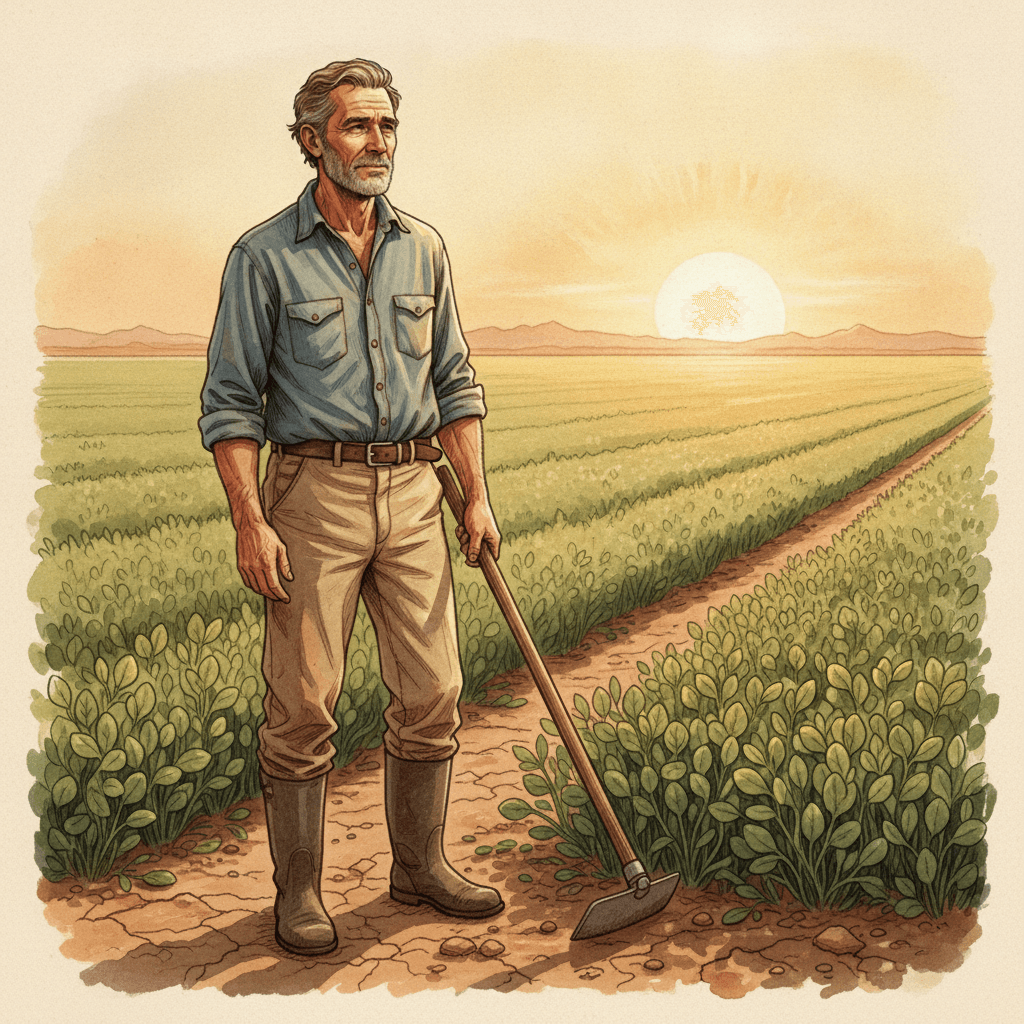
I've seen farmers struggle with crop diseases that wipe out entire fields, often by the time anyone even notices. But what if plants could just *tell* us they were unwell?

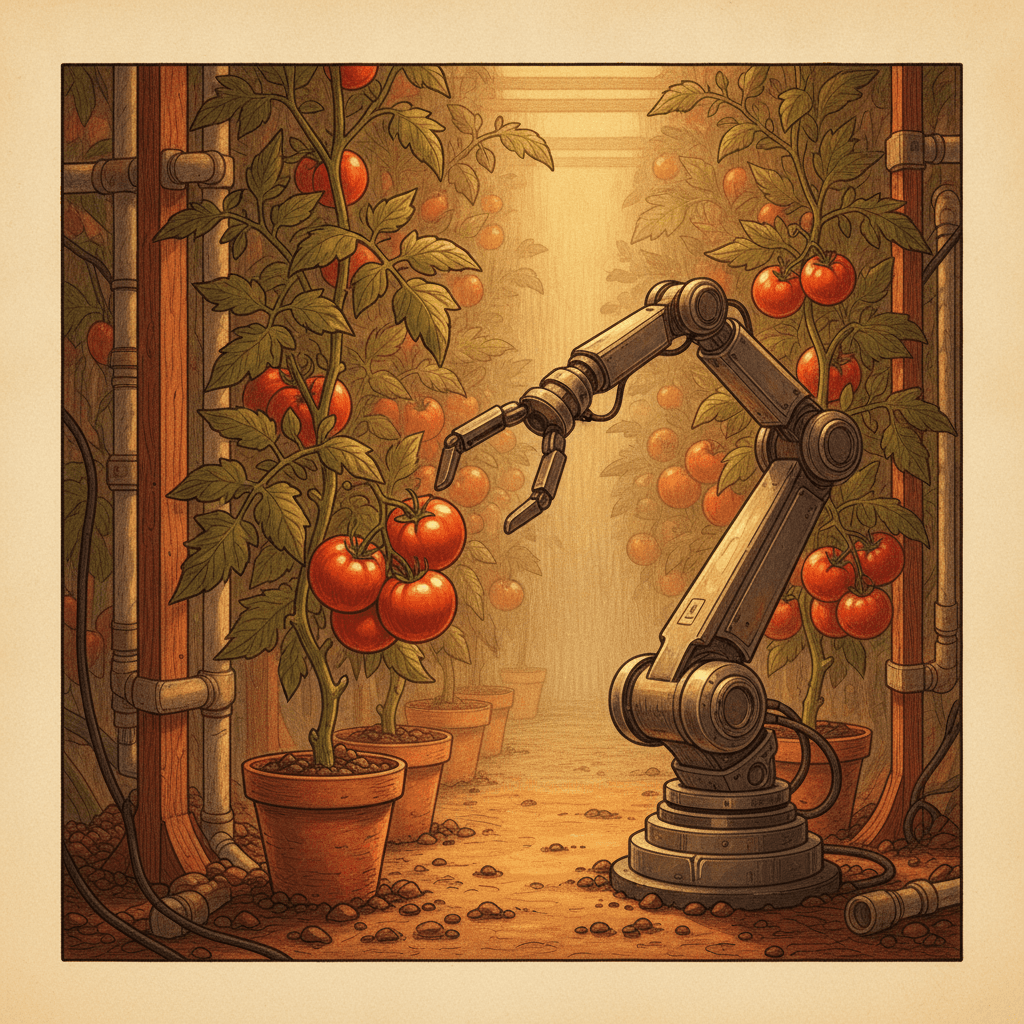
I once spent a summer volunteering on a small organic farm, and I saw firsthand how quickly a healthy field of tomatoes could turn into a wilting disaster. One day, vibrant green leaves. The next, a few yellow spots. A week later, entire rows collapsing, a fungal infection spreading like wildfire. It was heartbreaking, watching months of effort vanish because the disease was already too advanced to stop.
This isn't just a farmer's frustration; it’s a global problem. Plant diseases destroy up to 40% of food crops worldwide every year. Think about that: nearly half of all the food grown, gone before it even reaches your plate. We're talking billions of dollars in losses and countless hungry people, all because we usually detect plant sickness too late.
Right now, we largely rely on visual cues – yellow leaves, spots, stunted growth. It's like waiting for you to develop a fever and rash before realizing you have the flu. Then, farmers often resort to broad-spectrum pesticides, spraying whole fields just in case, which can be costly, environmentally risky, and still not perfectly effective. We're playing catch-up, always reacting, never truly ahead of the curve.
Tiny Doctors Inside Your Plants
I used to wonder if there was a way to give plants a voice, to let them signal distress much earlier. It turns out, that's exactly what researchers are building. They're integrating what are called "nano-biosensors" directly into plants. Imagine these as microscopic health trackers, like tiny fitness watches, but for a plant's internal systems.
These aren't external gadgets; they actually live inside the plant, within its tissues. They're designed to detect the earliest chemical whispers of a pathogen, a virus, or even a nutrient deficiency – long before any outward symptom appears. It's like having a specialized doctor continuously monitoring a plant's bloodstream, ready to flag the first sign of trouble.
The sensors are incredibly small, often just a few nanometers, which is about 100,000 times smaller than the width of a human hair. They’re made from materials that react to specific molecules produced by disease-causing agents or by the plant itself when under stress. When they detect something unusual, they can emit a signal that scientists can pick up, sometimes even through a simple handheld device.
The Plant’s Secret Language Revealed
So, how does a plant "talk" through these tiny sensors? When a plant is attacked, say by a fungus, it starts producing specific defense molecules. These are like its immune system's alarm bells. The nano-biosensor is engineered to recognize only these specific alarm molecules. When it encounters them, it changes its properties in a detectable way – perhaps by emitting a faint light, or changing its electrical resistance.
This early warning system completely flips the script on plant disease management. Instead of waiting for visible symptoms that often mean irreversible damage, farmers get an alert within hours or days of an infection starting. You can think of it like the smoke detector in your house; it doesn't wait for your kitchen to be engulfed in flames to tell you there's a problem, it picks up the first wisps of smoke.
This precision is astounding. Imagine knowing exactly which single plant in a row is starting to get sick, and with what specific disease, rather than just seeing a patch of wilted plants weeks later. This isn't just a minor improvement; it's a fundamental shift in how we approach plant health, moving from broad, reactive treatments to targeted, preventative care.
From Lab Bench to Your Lunch Plate
Right now, much of this work is happening in university labs, perfecting the sensor designs and testing them against a range of plant pathogens. Researchers are focused on making these sensors robust enough to withstand a plant's growth cycle and harmless to the plant itself and to consumers. We're probably still a solid 5-10 years away from widespread commercial use.
Scaling up from a few plants in a lab to acres of crops is always the big hurdle. We need to figure out cost-effective ways to integrate these sensors into seeds or seedlings, develop easy-to-use scanning tools for farmers, and ensure they don't impact the plant's yield or the final food product. There are also regulatory questions to address about their safety and environmental impact, even though they're designed to be benign.
But the potential rewards are enormous. If these technologies mature, farmers could significantly reduce their use of pesticides because they’d only treat the specific plants or small areas that need it. This means healthier soil, cleaner water, and less chemical residue on our food. It also means more food making it to market, which could stabilize prices and improve food security for everyone.
What This Means for Your Next Meal
Imagine walking into a grocery store knowing that the produce you're buying was grown with a level of care and precision we can only dream of today. Fewer crop failures mean more consistent supply, potentially lowering costs for staples like corn, wheat, and rice. It also means less waste in the food system, which is a huge win for the environment.
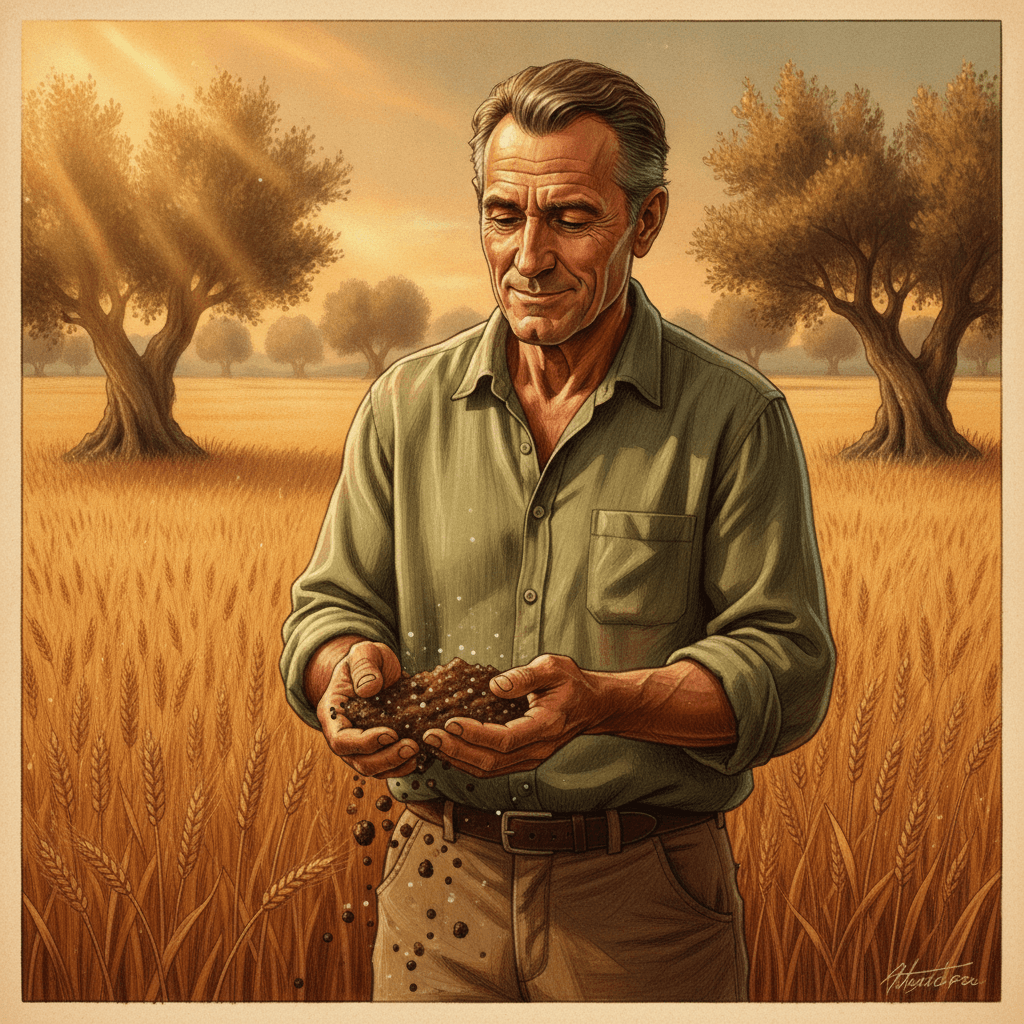
This isn't about creating "robot plants" or genetically engineering something strange. It's about giving plants a way to communicate their needs, empowering farmers with information they've never had before, and ultimately, ensuring a more resilient and abundant food supply for a growing world. Your next salad might just have had its own tiny internal doctor on call, ensuring it arrived healthy and delicious.
IMAGE_PROMPT_HERO: A close-up, photorealistic image of a healthy young plant, possibly a tomato seedling, with subtle, ethereal glowing nano-sensors integrated within its leaves and stem, depicting a gentle network of light under the surface, against a blurred background of agricultural fields, warm sunlight filtering through, editorial photography style, no text or logos, slightly futuristic feel.
IMAGE_PROMPT_SECTION1: A farmer's hand gently touching a leaf of a corn plant, with a subtle, futuristic digital overlay on the leaf showing an abstract, glowing internal network of nano-sensors detecting a faint green signal, indicating early health monitoring, warm lighting, natural agricultural setting, no text or logos.
IMAGE_PROMPT_SECTION2: An abstract, microscopic view of plant cells with tiny, iridescent nano-biosensors nestled between them, reacting to specific, colored molecular signals (like tiny bursts of light), illustrating the detection mechanism at a cellular level, scientific but artistic, warm, glowing light, no text or logos.
IMAGE_PROMPT_SECTION3: A vibrant, diverse selection of fresh produce—tomatoes, lettuce, berries—displayed beautifully on a wooden farm stand at a bustling farmers' market, with soft, natural light, emphasizing abundance and health, reflecting the benefit of improved crop resilience, no text or logos.
Editorial note: The scientific findings presented in this article are sourced exclusively from published research papers, peer-reviewed studies, certified inventions, and registered patent filings. Images generated by AI.
Stay ahead of the curve
The science that shapes tomorrow — in your inbox every week
The scientific findings presented in our articles are sourced from published research papers, peer-reviewed studies, certified inventions, and registered patent filings. Subscribe for focused weekly coverage, hands-on explainers, and practical insights that help you stay curious — no jargon, no noise.
By subscribing, you agree to receive newsletter and marketing emails, and accept our Terms of Use and Privacy Policy. You can unsubscribe anytime.
Biotech, Genetics & Precision Medicine
Biotech correspondent following the genetic revolution reshaping how disease is diagnosed and treated.
View full profile →