Your Crops Will Soon Talk To You
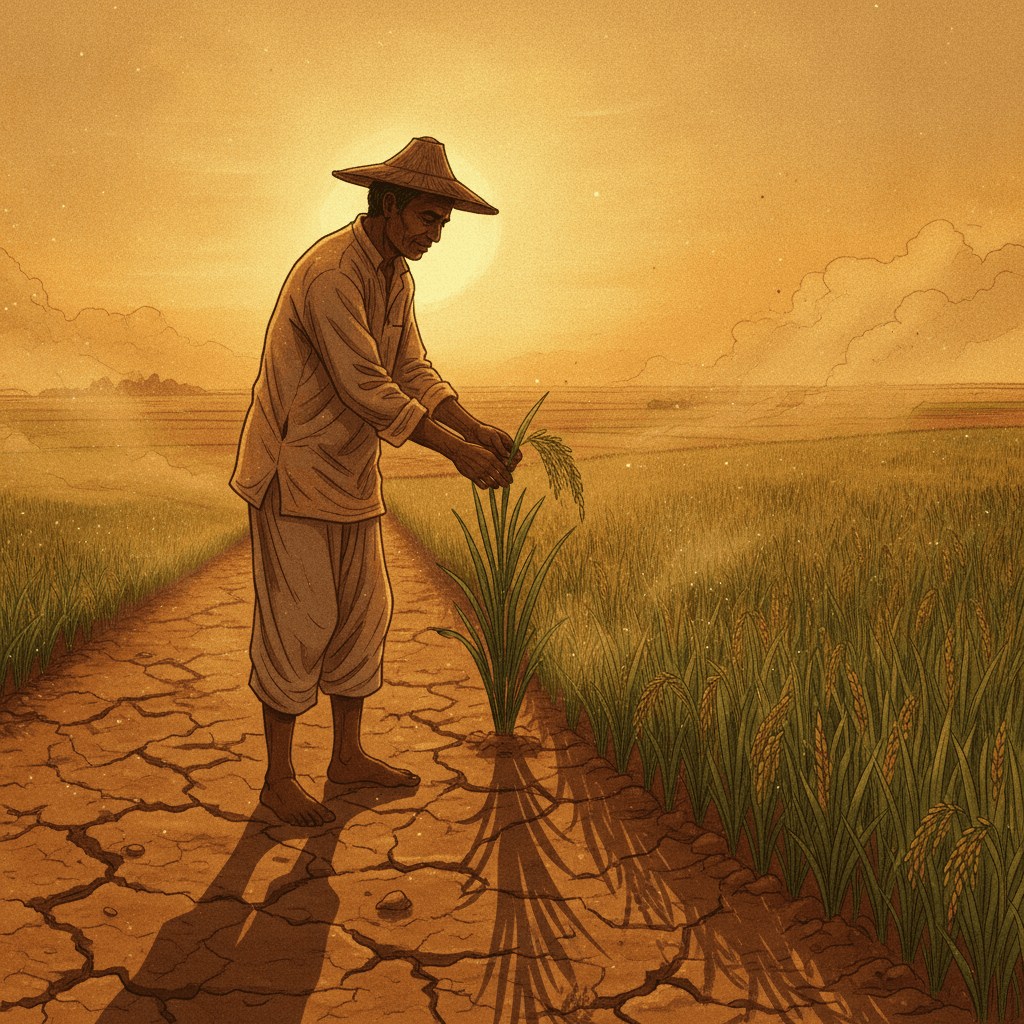
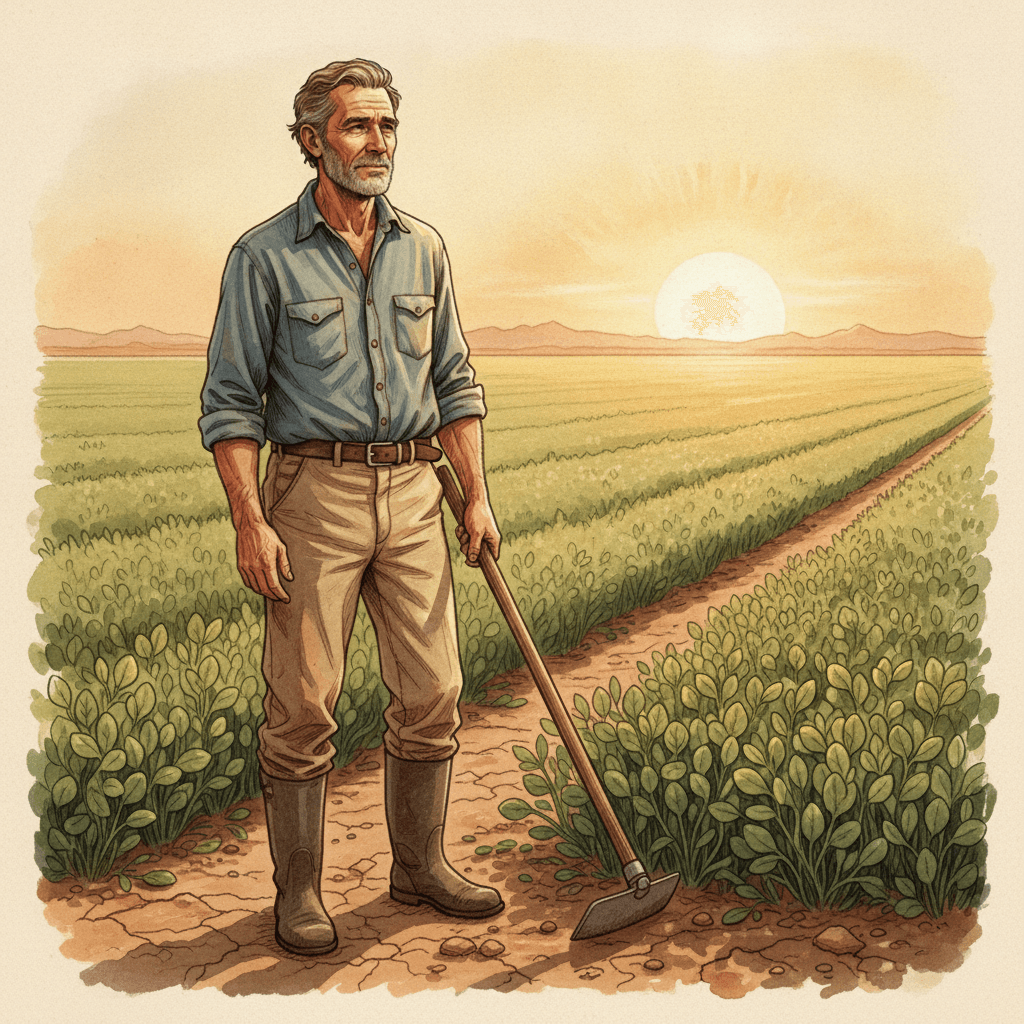
Imagine knowing the exact moment your plants are thirsty or hungry, not guessing. New technology uses light and AI to understand your crops' every need, leading to dramatically better yields and less waste.
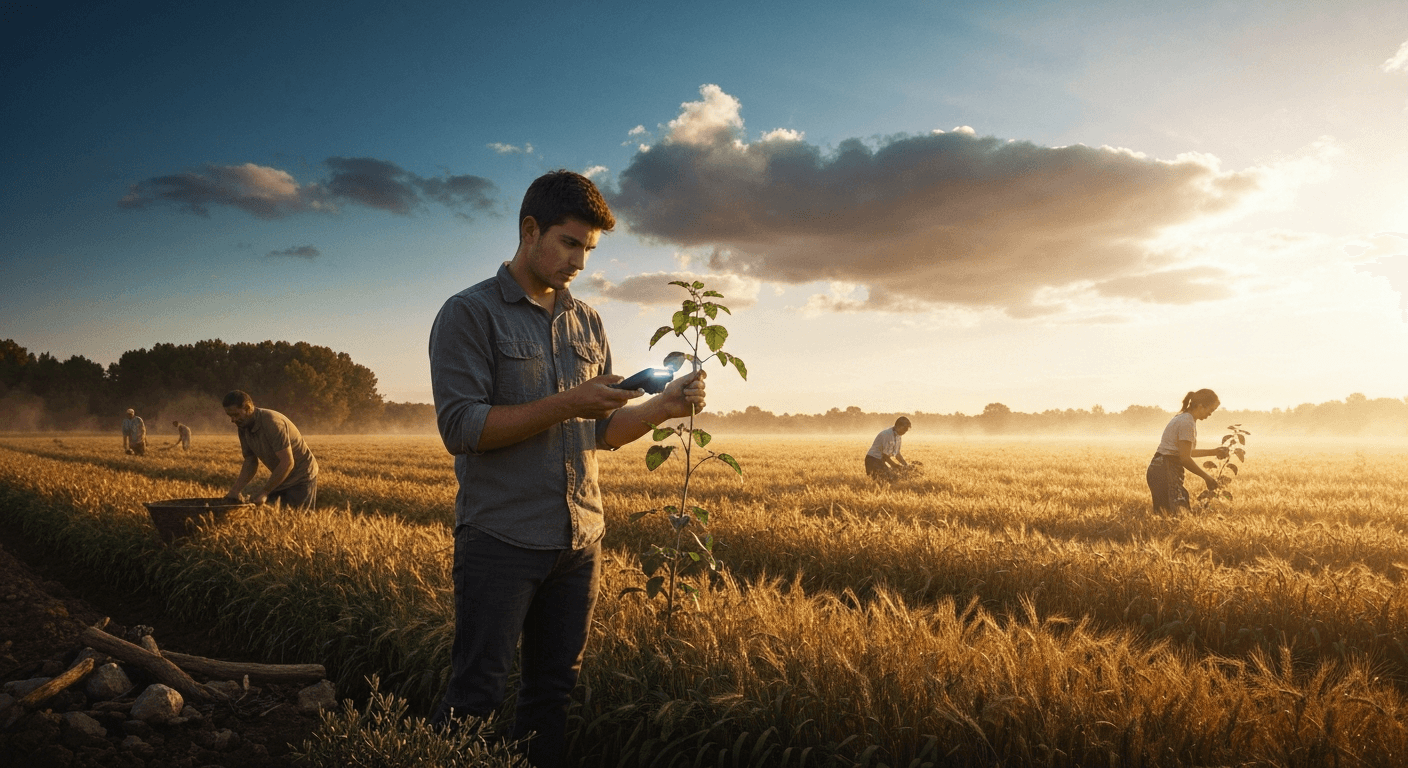
Your plants are about to get a voice, and you'll finally understand exactly what they're saying. We're talking about systems that can "listen" to a plant's hidden signals, not just when it wilts, but moments before any visible stress appears. This isn't science fiction; it’s being built right now, with prototypes already showing dramatic results in controlled environments and moving closer to fields.
What if your irrigation system knew a specific patch of soil was drying out before the leaves even drooped? Or if your fertilizer application could be perfectly tailored to a plant's precise nutritional needs, down to the square inch? This intelligent feedback isn't just a farmer's dream; it's a real technology poised to improve agricultural outcomes like increasing fruit production or even crafting unique flavor profiles. Researchers at institutions like Wageningen University & Research are actively pushing these boundaries.
How Your Plants Will Whispers Their Needs
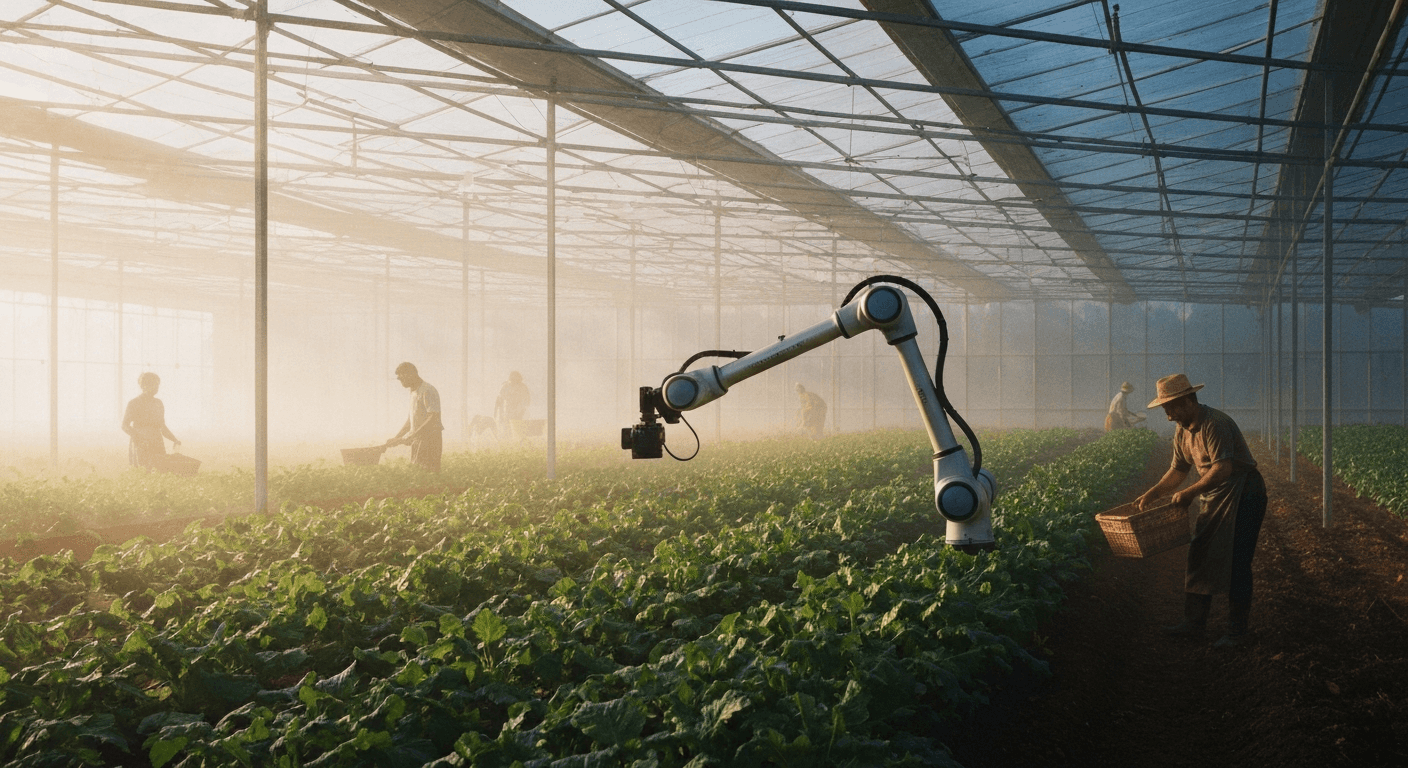
This future isn't about magical plant whispering; it's about advanced sensors acting as translators. The core idea involves a "multimodal optical feedback system," which sounds complex but really just means using multiple types of light to observe plants. Think of it like a doctor using different scans – X-rays, MRIs, and ultrasounds – to get a complete picture of your health. These systems use things like hyperspectral imaging, which sees dozens of colors beyond what your eyes can detect, revealing subtle changes in plant chemistry. They also employ chlorophyll fluorescence, a fancy way of saying they measure the light a plant re-emits after absorbing sunlight, which tells you how efficiently it’s performing photosynthesis, its energy-making process.
These light signals are combined with environmental sensors that track things like soil moisture, temperature, and nutrient levels. All this data – the "voice" of the plant and its surroundings – is then fed into machine learning algorithms, which are computer programs that learn from vast amounts of information, much like how a chess AI learns winning strategies by playing thousands of games. The AI analyzes these complex patterns to understand what a "happy" plant looks like, what a "stressed" plant looks like, and what specific action is needed. This allows for what’s called "precision agriculture," where every plant gets exactly what it needs, when it needs it.
Why Every Drop and Nutrient Will Soon Count
The current way we farm often relies on blanket applications: watering a whole field, fertilizing uniformly. This is like giving everyone in a restaurant the same meal, regardless of their diet or hunger level. It leads to immense waste. Globally, agriculture accounts for about 70% of freshwater withdrawals, according to the Food and Agriculture Organization of the United Nations (FAO). A significant portion of that water is lost to evaporation or runoff. Similarly, excess fertilizer can pollute waterways, harming ecosystems.
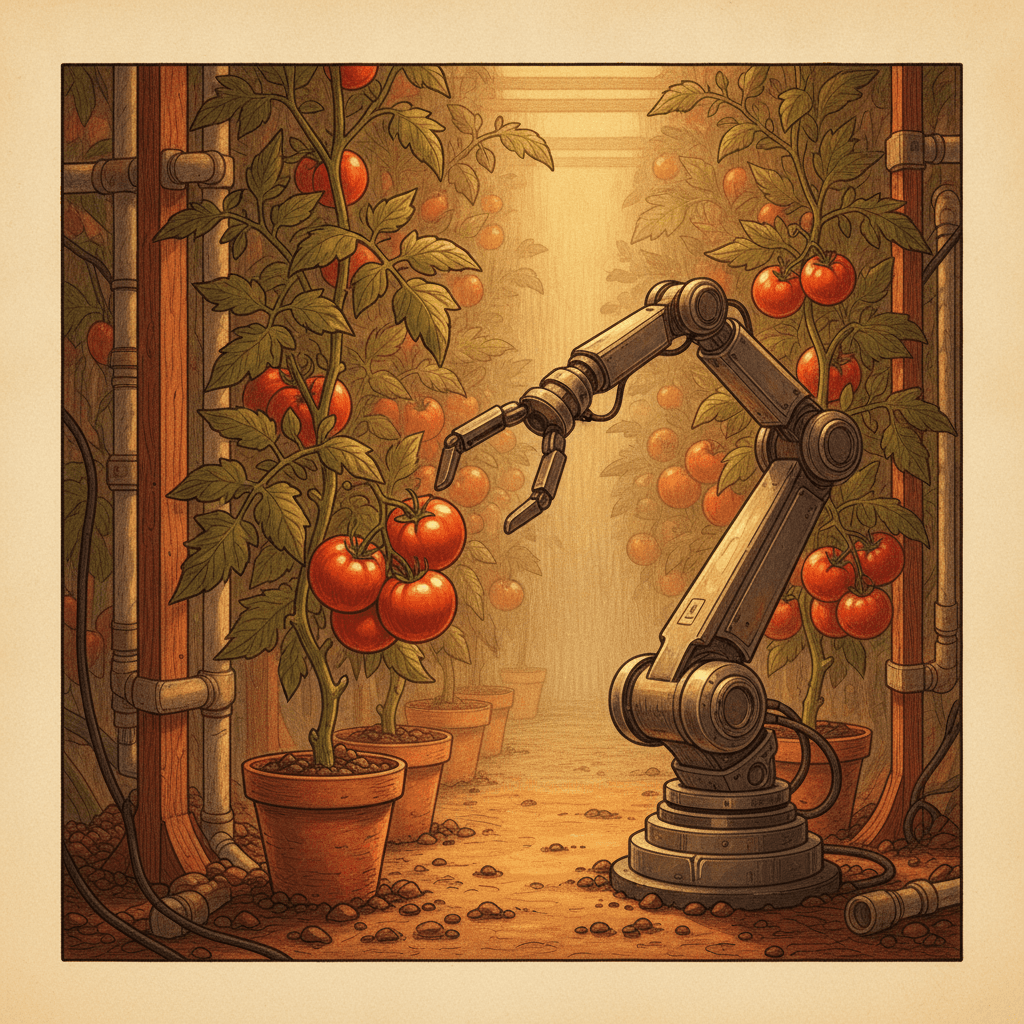
This new technology aims to change that by providing real-time diagnosis and control. Imagine a smart irrigation system that only waters a specific row when the sensors confirm the plants there are thirsty, saving countless gallons. Or a fertigation system (where fertilizer is mixed into irrigation water) that adjusts nutrient delivery based on the precise soil bacteria fix nitrogen needs of individual plants. This level of optimization could reduce water usage by up to 30% and fertilizer use by 20% in some crops, according to pilot studies from companies exploring these systems. It's a surprising fact that something as simple as light could unlock such precise environmental control for how your farm can quietly grow its own power.
Who Is Bringing This to Your Farm?
Several companies and academic institutions are actively developing components of these systems. Major agricultural tech firms are investing heavily in sensor technologies, drones, and AI platforms that gather and analyze farm data. For instance, companies like CropX and Taranis are already deploying smart irrigation and plant health monitoring tools that use remote sensing and data analytics. The patent for this specific multimodal optical feedback system was filed by a team based out of the University of California, Davis, a leading agricultural research institution, hinting at the academic foundations driving this progress.
The biggest hurdle for widespread adoption isn't the technology itself – the sensors and AI are largely proven – but cost and integration. Building a system that covers vast fields and integrates seamlessly with existing farm machinery takes time and investment. However, as sensor costs drop and AI becomes more powerful and accessible, these intelligent systems will become more affordable. We could see widespread trials and early adoption in specialty crops (like high-value fruits or vegetables) within the next 5-7 years, possibly reaching broader staple crops within 10-15 years. This isn't just about efficiency; it's about creating a more sustainable and resilient food supply, ensuring your dinner plate will quietly change soon.
What This Means for Your Food
When this technology becomes commonplace, it will directly impact the food you eat. You might see fruits and vegetables grown with fewer pesticides (because healthier plants are more resistant to disease) and less water, making them more environmentally friendly. You could also see produce with more consistent quality, better flavor, and even higher nutritional content, as plants are optimized for their peak growth. Ultimately, this means a future where your food is grown with an unprecedented level of care and precision, reducing waste and ensuring a more stable and delicious harvest for everyone.
Key Takeaways
- New optical sensing and AI systems will let farmers "hear" plant needs, like thirst or nutrient deficiencies, before any visible signs appear.
- This precision agriculture approach could cut water use by up to 30% and fertilizer use by 20%, reducing waste and pollution.
- The technology promises healthier, more flavorful, and potentially more nutritious crops, impacting the quality of your food in the next decade.
Frequently Asked Questions
What is a multimodal optical feedback system for plants? It's a system using different types of light, like super-detailed color cameras, combined with environmental sensors and AI to understand a plant's health and needs in real-time.
How does this technology help save water and fertilizer? By precisely detecting when and where plants need water or nutrients, the system avoids over-applying resources across an entire field, significantly reducing waste and environmental impact.
When can farmers expect to use this technology? Early versions for specialty crops could be available in 5-7 years, with broader adoption for staple crops likely within 10-15 years as costs decrease and integration improves.
Editorial note: The scientific findings presented in this article are sourced exclusively from published research papers, peer-reviewed studies, certified inventions, and registered patent filings. Images generated by AI.
Stay ahead of the curve
The science that shapes tomorrow — in your inbox every week
The scientific findings presented in our articles are sourced from published research papers, peer-reviewed studies, certified inventions, and registered patent filings. Subscribe for focused weekly coverage, hands-on explainers, and practical insights that help you stay curious — no jargon, no noise.
By subscribing, you agree to receive newsletter and marketing emails, and accept our Terms of Use and Privacy Policy. You can unsubscribe anytime.
Food Security, Biofortification & Agriculture in the Global South
Development journalist covering the agricultural innovations that can feed a warmer, more crowded world — particularly in Africa and South Asia.
View full profile →