Your Vertical Farm May Soon Power Itself
Imagine growing fresh produce year-round, even in cities, without soil or vast land. A new design aims to make these urban farms energy independent, cutting costs and environmental impact.
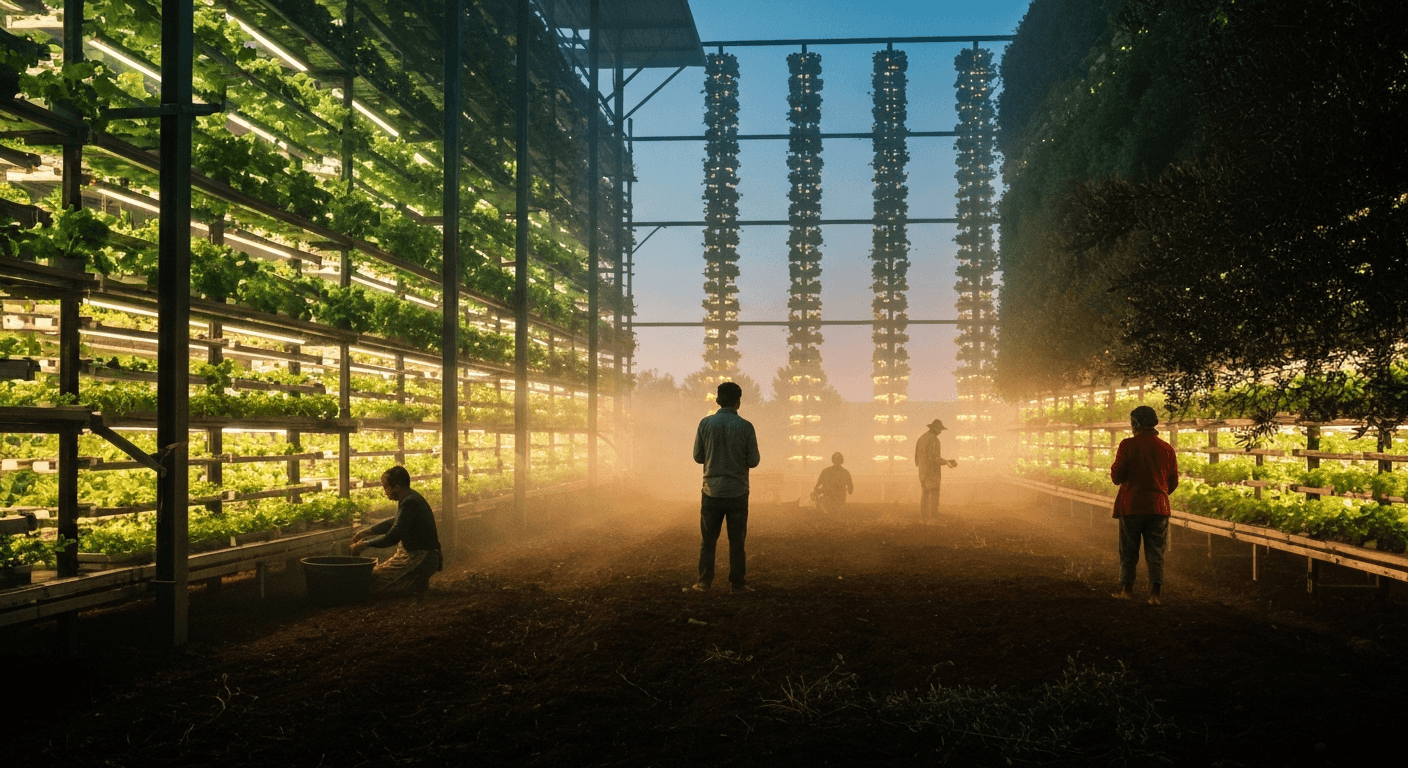
We often overlook how much goes into getting fresh food onto our plates. Traditional farming uses immense amounts of land and water, and shipping produce across continents burns through fossil fuels. Even modern approaches like vertical farms, which stack crops high in climate-controlled indoor spaces, face a hidden cost: they guzzle electricity for lighting, temperature control, and pumps, often relying on the same old power grid as everything else.
This reliance on external power limits how truly sustainable these otherwise amazing systems can be. It means higher operating costs for farmers, which then trickles down to higher prices for you at the grocery store. Plus, if the power goes out, so does the farm. It’s a bit like a chef who buys all their ingredients, but then has to buy all their cooking gas from a separate, distant supplier who might cut them off. The entire system is robust, but its Achilles' heel is that energy tap.
How Vertical Farms Are Becoming Energy Independent
But what if your vertical farm could generate its own power, almost like a self-sustaining ecosystem? A new patent from South Korea describes an intelligent vertical farming device that aims to do exactly that by incorporating an eco-friendly energy system directly into its design. This isn't just about adding solar panels on the roof; it’s about integrating energy generation at the core of how the farm operates.
The system uses hydroponics, which is a way of growing plants without soil by using mineral nutrient solutions dissolved in water instead, like giving plants a nutrient smoothie directly to their roots. This particular design stacks multiple growing sections vertically, ensuring you get maximum yield from a small footprint, ideal for urban settings or compact spaces. Each growing section includes an "inlet pipe," which acts like a plant's main artery, pushing nutrient-rich water upwards. Surrounding this pipe is an outer plate, sharing the same central axis, with ribs connecting and supporting them, keeping the structure strong and stable.
The Surprising Power Source
Here’s where it gets really interesting: the patent suggests using renewable energy sources—like solar or even micro-wind turbines—that are integrated within the farm's structure. Imagine the outer shell of your vertical farm not just protecting plants, but also collecting sunlight or harnessing gentle breezes. This setup dramatically reduces the need to pull electricity from the main grid. For example, a single vertical farm in the US can use as much electricity as 20 average homes annually, according to reports from the USDA. This integrated power generation could shrink that footprint dramatically.
These innovative vertical farms are designed to be self-sufficient, featuring a “nutrient solution storage unit” at the bottom. This unit acts as the farm's heart, storing, recycling, and delivering the nutrient-filled water to all the plants, pumped upwards to each vertical layer. At the very top, a "diffusion cap" ensures that the nutrient solution spreads evenly across the uppermost plants before trickling down to the lower layers. This closed-loop system means minimal water waste, which is a big win for the environment, especially compared to traditional farming’s heavy water usage.
What This Means For Your Food
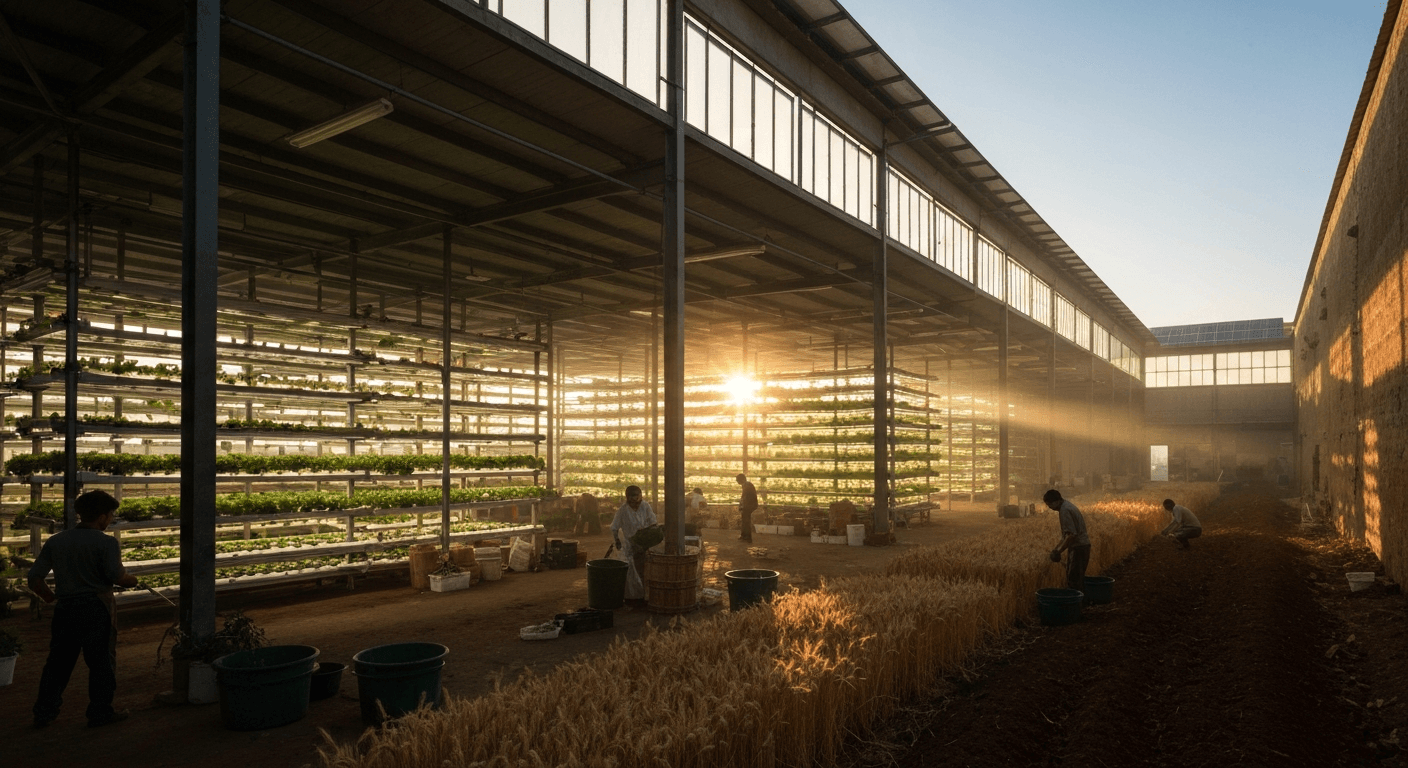
This kind of innovation is still in the patent phase, meaning it’s not something you’ll see in every city next year. It might take another 5 to 10 years to see widespread adoption as engineers refine the systems and costs come down. However, the potential impact is enormous. Think about fresh, local produce grown in a warehouse in your city, powered mostly by the sun or wind, reducing food miles and lowering carbon emissions.
For you, this means potentially cheaper, fresher produce with a smaller environmental footprint. It also offers a more resilient food supply, less vulnerable to extreme weather events that can devastate traditional outdoor farms. Instead of waiting for goods from far-off places, you might soon enjoy greens grown just a few blocks away, all thanks to smart, self-powering urban farming solutions.
The Quiet Promise of Local, Clean Food
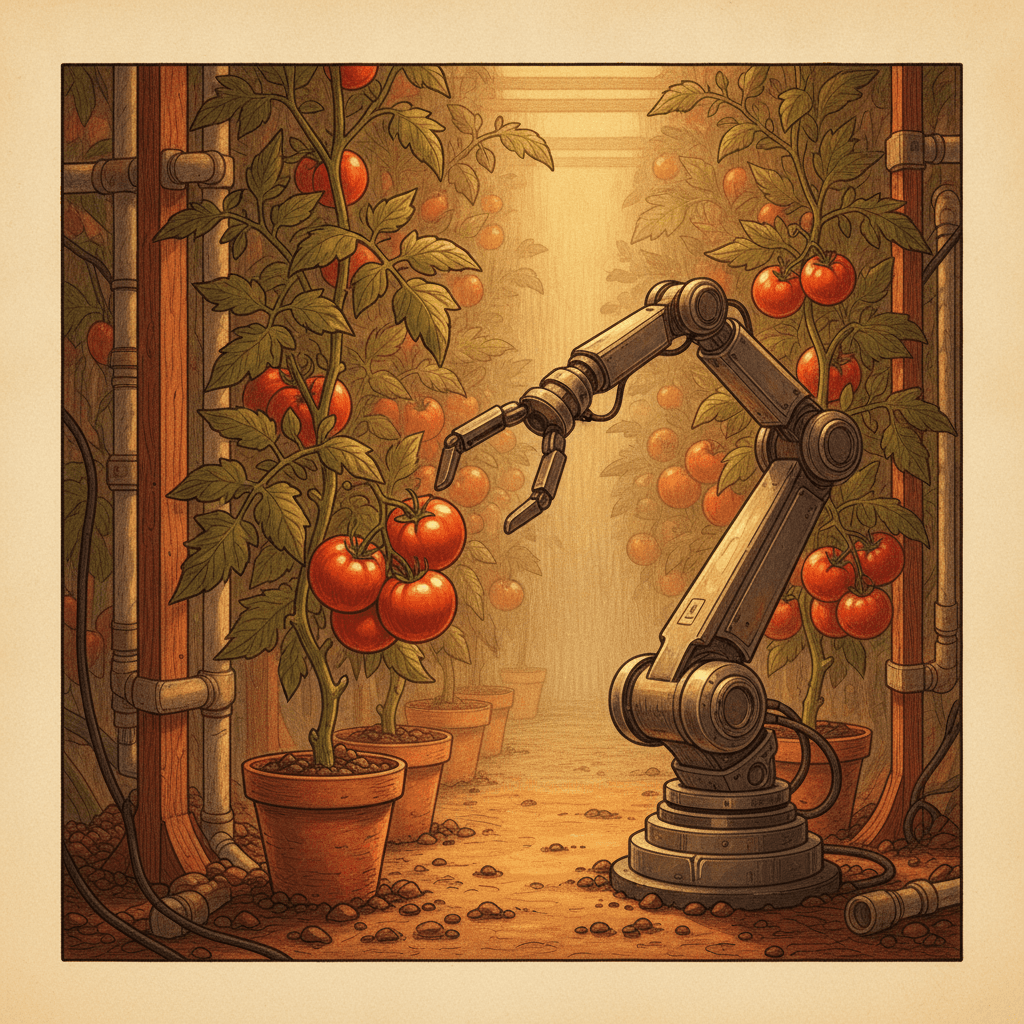
This isn't just about a new way to grow food; it's about redefining our food supply chain entirely. By making vertical farms energy independent, we're taking a huge step towards making fresh, nutritious food accessible to everyone, everywhere, without placing additional strain on our planet's resources. Imagine biting into a juicy tomato, knowing it was grown steps away, powered by nothing but nature's own clean energy.
Key Takeaways
- New vertical farm designs are integrating self-powering eco-friendly energy systems directly into their structures.
- These hydroponic farms aim to drastically reduce reliance on external power grids, cutting costs and environmental impact.
- The innovation promises fresher, more affordable, and locally grown food with a smaller carbon footprint, though widespread adoption is still years away.
Frequently Asked Questions
What is a vertical farm? A vertical farm grows crops in vertically stacked layers, often indoors. It uses controlled environments to optimize plant growth in a small footprint, perfect for urban areas.
How do these farms save energy? The new designs integrate eco-friendly energy systems, like solar or micro-wind, directly into the farm's structure. This allows them to generate their own power instead of relying solely on the grid.
Why is this important for food? Self-powered vertical farms can reduce operational costs, lower food prices, shrink carbon emissions from transport, and provide more consistent access to fresh, local produce.
When will I see these farms? While the technology exists, widespread adoption could take 5-10 years as designs are refined and scaled for commercial use.
Editorial note: The scientific findings presented in this article are sourced exclusively from published research papers, peer-reviewed studies, certified inventions, and registered patent filings. Images generated by AI.
Stay ahead of the curve
The science that shapes tomorrow — in your inbox every week
The scientific findings presented in our articles are sourced from published research papers, peer-reviewed studies, certified inventions, and registered patent filings. Subscribe for focused weekly coverage, hands-on explainers, and practical insights that help you stay curious — no jargon, no noise.
By subscribing, you agree to receive newsletter and marketing emails, and accept our Terms of Use and Privacy Policy. You can unsubscribe anytime.
Sustainable Food Systems, Mediterranean Agriculture & Food Waste Innovation
Italian food systems journalist writing about the science of producing food more sustainably — and wasting far less of it.
View full profile →