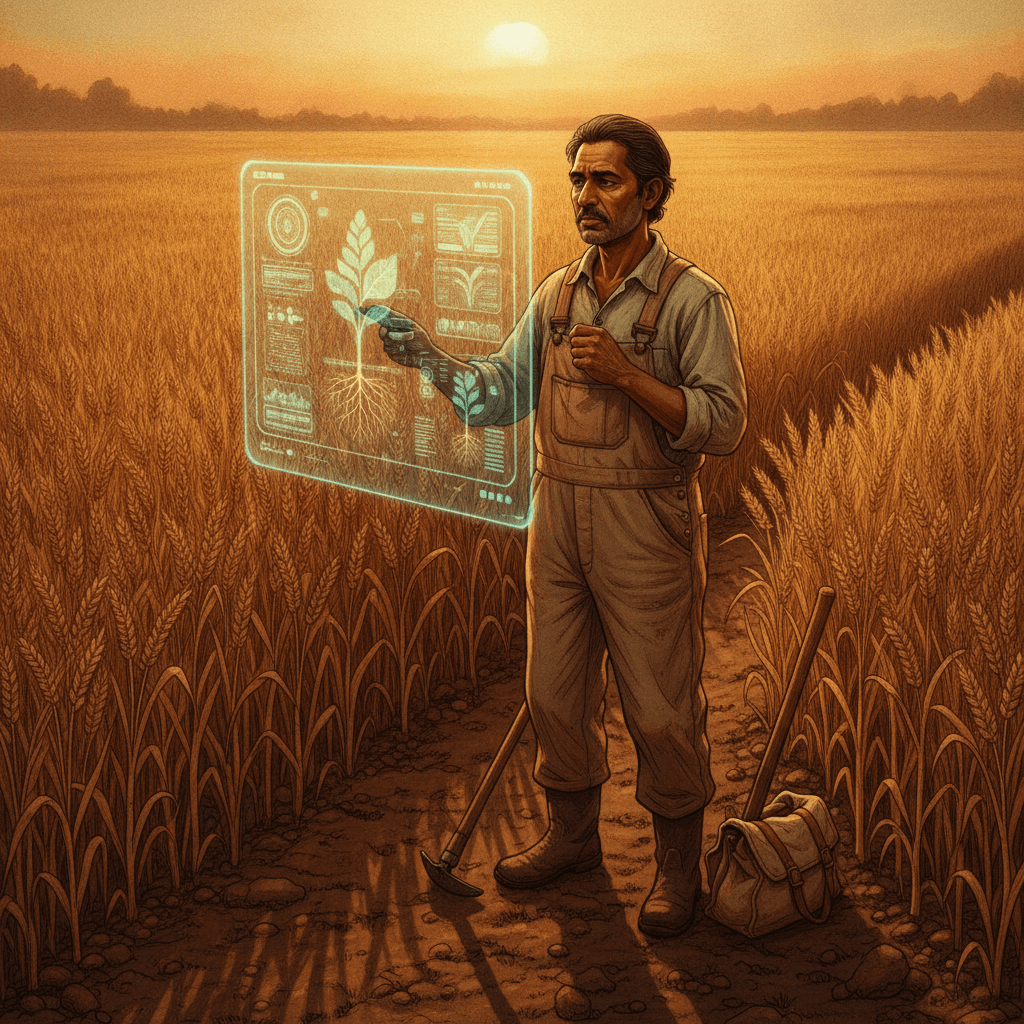
Your Crops Will Soon Grow Their Own Pest Control
Imagine a world where crops fight off pests all by themselves, without a single chemical spray. This fascinating new approach uses nature's hidden helpers to protect your food.

What if the secret to healthier, pest-free crops wasn't in a spray bottle, but already hidden inside the plants themselves? It sounds like something out of a sci-fi movie, but scientists are quietly turning this into reality, and it could change how we grow food forever. This isn't just theory; it's about fungi, tiny organisms similar to mushrooms, that can live inside plants, acting like a natural internal bodyguard.
For years, farmers have relied on chemical pesticides to keep destructive insects away from their valuable crops. While these chemicals often work, they come with a hefty price tag—both for the farmer's wallet and the environment. You see, traditional pesticides can wash into water systems, harm beneficial insects like bees, and even lead to pests developing resistance, making them harder to control later. This creates a constant uphill battle.
The Plant's Secret Internal Bodyguards
The core idea is simple: let nature do the work. Imagine a tiny, beneficial fungus living comfortably inside a plant, much like how friendly bacteria live in your gut to help you digest food. These special fungi are called "endophytic entomopathogenic fungi" (EEPF). Entomopathogenic means they can kill insects, and endophytic means they live within the plant tissue without harming it. Instead, they form a symbiotic relationship, where both the plant and the fungus benefit.
This partnership is incredible because the fungus essentially turns the plant into a fortress. When an insect pest tries to munch on the plant, it inadvertently ingests the fungus. Once inside the insect, the fungus starts to grow, eventually killing the pest from the inside out. It's like having a tiny, invisible guard patrolling the plant's internal systems, ready to defend it at a moment's notice.
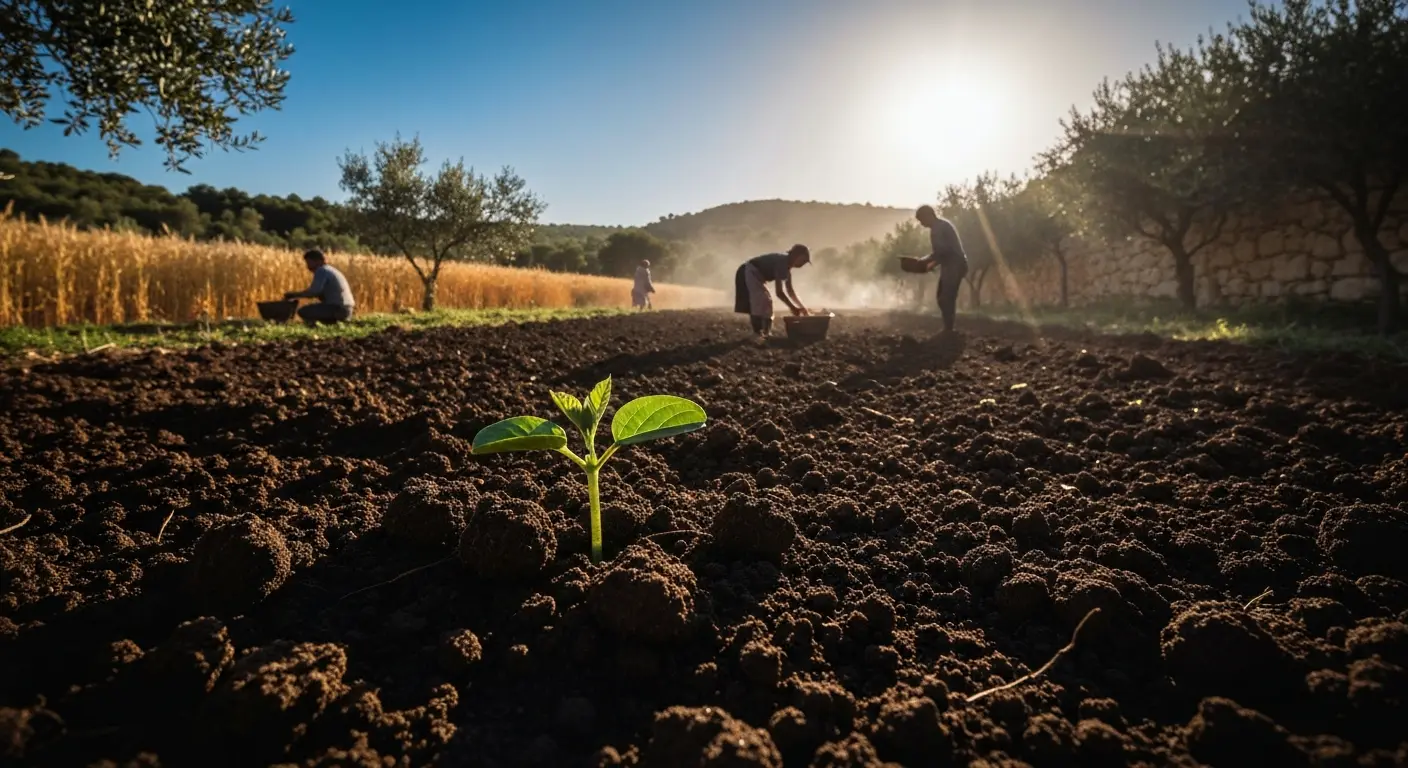
How Fungi Quietly Repel Pests and Boost Growth
These amazing fungi don't just kill pests; they also have a few other tricks up their sleeve. For example, some EEPF can release specific chemical signals, much like a plant sending out an SOS call, that attract the natural predators of the harmful insect pests. So, the fungus doesn't just eliminate the immediate threat but also calls in backup, effectively creating a multi-layered defense system. It’s like having a security system that not only deters burglars but also calls the police.
What’s even more surprising is that these fungi can actually help plants grow better and tolerate harsh conditions. They can make plants more resistant to stress, like droughts or salty soil, by improving how the plant absorbs nutrients and water. This means healthier, more resilient crops that need less water and fertilizer. Think of it as giving your plants a natural super-immunity boost.
Who's Making This Happen and What's Still Needed
Leading researchers at institutions worldwide, including those contributing to a comprehensive review in Science Advances, are focusing on genera like Metarhizium and Beauveria. These are well-known insect-killing fungi, but the new frontier is getting them to reliably live inside plants. The goal is to develop specific strains of EEPF that consistently colonize plants and effectively protect them in real-world farm conditions.
Currently, one of the biggest challenges is ensuring these fungi consistently colonize plants in diverse field settings. Just like some people respond differently to certain medications, different plant types and environmental conditions can affect how well the fungus establishes itself. Researchers are also meticulously studying any potential ecological risks, ensuring these natural pest controllers only target harmful insects and don't affect beneficial ones. If all goes well, with ongoing field trials and optimization, you could see this technology widely adopted in farming within the next 5-10 years.
How This Changes Your Dinner Plate
This innovation means fewer chemical residues on your food, a healthier planet, and potentially more affordable, robust crops. You might notice fewer pest-related fluctuations in your grocery store prices, and farmers could save significant money on costly pesticide applications. It’s a move towards a truly sustainable agriculture system, where your food is grown not just to be healthy for you, but for the Earth too. Imagine knowing that the produce you’re eating was protected by nature's own tiny, efficient bodyguards. This shift could even help your favorite fruit is secretly dying by providing a sustainable defense against widespread pests, or simply give us more resilient food sources overall. This quiet revolution in farming holds the promise of a future where plants are stronger, pests are controlled naturally, and our food systems are far more resilient.
Key Insights from the Research:
- Fungal Bodyguards: Endophytic entomopathogenic fungi (EEPF) live inside plants and kill insect pests from within, offering a natural alternative to chemical pesticides.
- Dual Benefit: EEPF not only act as internal pest control but can also attract predators of pests and enhance plant growth and stress tolerance.
- Sustainable Future: This technology promises reduced chemical use, healthier ecosystems, and more resilient, cost-effective food production.
Key Takeaways
- Plants can host beneficial fungi that act as natural, internal pest control, eliminating the need for chemical sprays.
- These "bodyguard" fungi not only deter pests but also boost plant growth and resilience against environmental stressors.
- This approach offers a sustainable, chemical-free future for agriculture, leading to healthier food and a cleaner planet.
Frequently Asked Questions
What are endophytic entomopathogenic fungi? They are special fungi that live inside plants without harming them, acting as natural pest control agents. They kill insects that try to eat the plant, offering an eco-friendly defense.
How do these fungi protect plants? The fungi kill insect pests when ingested and can also release scents that attract the pests' natural predators. They make the plant stronger against stress like drought.
When can farmers start using this technology? While research is ongoing to ensure consistent field performance and safety, widespread adoption of EEPF in agriculture could become a reality for farmers within the next 5-10 years.
Editorial note: The scientific findings presented in this article are sourced exclusively from published research papers, peer-reviewed studies, certified inventions, and registered patent filings. Images generated by AI.
Stay ahead of the curve
The science that shapes tomorrow — in your inbox every week
The scientific findings presented in our articles are sourced from published research papers, peer-reviewed studies, certified inventions, and registered patent filings. Subscribe for focused weekly coverage, hands-on explainers, and practical insights that help you stay curious — no jargon, no noise.
By subscribing, you agree to receive newsletter and marketing emails, and accept our Terms of Use and Privacy Policy. You can unsubscribe anytime.
Water Technology, Smart Irrigation & Sustainable Farming
Environmental scientist and journalist covering India's water crisis and the agricultural innovations designed to survive it.
View full profile →