Your Tomatoes Secretly Love This Common Element
Imagine your favorite tomato plants thriving, even in harsh conditions. A simple, abundant element you've likely never thought about is secretly giving them an incredible shield. This discovery could mean tastier, more affordable food for your table, grown in places previously thought impossible.
Imagine a future where your dinner plate always features vibrant, healthy tomatoes, bursting with flavor, no matter how salty the soil they grew in. This isn't a distant dream; it's happening right now, thanks to a surprising ally: a common element that’s quietly giving plants superhero-like resilience. Farmers are constantly battling challenges like salty soil, which can wreck entire harvests, but new insights reveal a simple trick to help crops thrive against the odds.
This seemingly ordinary substance, called silicon, acts like a tiny biological shield for plants, much like how a strong immune system protects your body from illness. It's not a nutrient traditionally considered essential for plants, like nitrogen or phosphorus, yet its presence can make the difference between a thriving crop and a withered one. You might be surprised to learn that many plants, including your beloved tomatoes, absorb and use silicon to defend themselves against a host of environmental attackers.
The Invisible Enemy That Wrecks Our Food
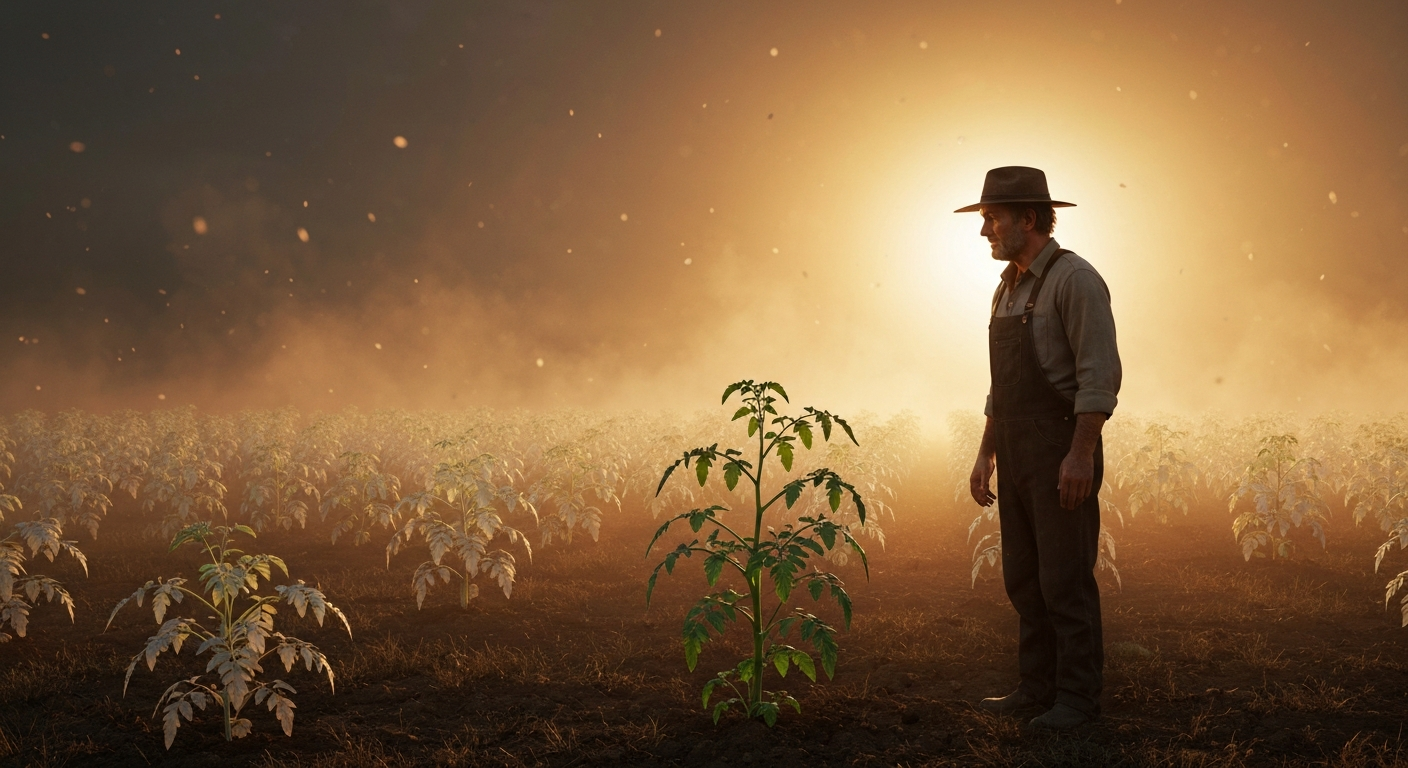
One of the biggest silent threats to global food supplies is salt in the soil, often called salt stress. Think of it like trying to drink seawater; it dehydrates you instead of quenching your thirst. For plants, too much salt in the soil makes it incredibly difficult to absorb water, even if it's plentiful. This isn't just a problem in coastal areas; poor irrigation practices, rising sea levels, and changing rainfall patterns are making more and more farmland around the world too salty to grow food effectively. It's a growing crisis for our agriculture.
When plants encounter too much salt, they start to "rust" internally, a process known as oxidative stress. This cellular damage is caused by unstable molecules called reactive oxygen species (ROS), which are like tiny, destructive sparks inside plant cells. This damage leads to stunted growth, yellowing leaves, and ultimately, far fewer delicious tomatoes reaching your grocery store. It's why protecting crops from this unseen enemy is so vital for feeding a growing population.
How a Simple Element Becomes a Plant's Armor
Researchers have been busy uncovering exactly how silicon helps plants fight back. A recent study, published in Europe PMC, dove deep into tomato plants subjected to salt stress, both with and without added silicon. What they found was truly fascinating: silicon dramatically improved plant growth, leaf health, and even the plant's ability to turn sunlight into energy, a process called photosynthesis, which is like a plant's solar panel array. It's almost as if silicon acts as a booster shot for their natural defenses.
One surprising fact is how many different ways silicon offers protection. It helps plants build stronger cell walls, like reinforcing the bricks in a house, making them more resistant to stress. It also boosts the production of helpful compounds like proline, which is a type of protein that acts like a natural antifreeze or water-balancing agent for plant cells, keeping them hydrated. Furthermore, silicon helps plants produce fewer of those "rusting" ROS molecules and reduces the damage they cause, keeping the plant's internal machinery running smoothly.
Unlocking the Plant's Secret Defense System
The real magic happens at a microscopic level, deep within the plant's cells. Scientists looked at the plants' genes, which are like the instruction manuals for every cell. They found that when silicon was present, the plants actually switched on hundreds of specific defense genes. Think of it like a general issuing orders to activate different battalions in an army. These genes control processes like stress response, hormone production, and even the construction of stronger cellular components.
Silicon essentially tells the plant, "Hey, big problem ahead! Time to activate your internal shield protocols!" This includes boosting the plant's natural ability to cope with difficult conditions and repairing cellular damage. Understanding these molecular mechanisms – the tiny biological gears and levers – is crucial because it helps scientists figure out exactly how to make this defense system even more effective. (/article/your-soil-may-be-feeding-crop-sickness) Silicon provides a multifaceted approach, helping plants adapt and survive rather than just endure.
The Future of Food: Healthier Plants, Better Harvests
While the concept of using silicon in agriculture has been around, understanding its precise impact at the genetic level is relatively new and incredibly important. It gives us a clearer roadmap for how to implement this strategy on a larger scale. Imagine farmers being able to reliably grow crops in areas once deemed unusable due to high salt content. This could open up vast new tracts of land for food production, easing pressure on existing fertile areas.
The researchers behind studies like the one from Europe PMC are paving the way for a future where a sprinkle of a common element could safeguard our food supply. While widespread commercial application might still be a few years off – perhaps 5-10 years for full integration – the science is clear. It involves figuring out the best forms of silicon to use, the optimal timing for application, and how to make it economically viable for farmers everywhere. It’s about more than just tomatoes; this approach could protect staple crops around the globe, from wheat to potatoes, securing our future meals. (/article/the-simple-trick-farmers-use-to-grow-more-food)
Your Next Meal, Made More Resilient
This seemingly simple solution has profound implications for your everyday life. A world with more resilient crops means more stable food prices at the grocery store. It means a greater variety of fresh produce, even from regions currently struggling with environmental challenges. When plants are less stressed, they often produce higher quality food, potentially even more nutritious, reaching your table.
Think about the wider picture: reducing agricultural losses means less food waste, less strain on land and water resources, and a more sustainable food system for everyone. It's a quiet shift that promises to deliver big results, ensuring that the food you love, like those juicy tomatoes, can continue to thrive, regardless of what Mother Nature throws at them. The next time you enjoy a fresh salad, you might just be tasting the quiet power of a common element, working hard behind the scenes to keep our food healthy and abundant. (/article/farmers-are-quietly-growing-food-where-nothing-grows)
Key Takeaways
- Salt stress is a major threat to global food security, making soil unusable for crops and reducing yields.
- Exogenous silicon acts like a plant's internal shield, significantly improving tomato growth, cell wall strength, and stress resilience.
- Silicon achieves this by activating hundreds of plant defense genes and boosting beneficial physiological responses, offering a promising solution for sustainable agriculture.
Frequently Asked Questions
What is salt stress in plants? Salt stress occurs when soil has too much salt, making it hard for plants to absorb water and nutrients. This dehydrates them and causes cellular damage, leading to stunted growth and reduced crop yields.
How does silicon help plants with salt stress? Silicon acts as a protective shield, strengthening cell walls, improving water balance, and reducing harmful cellular "rust." It also activates the plant's natural defense genes, helping them cope and recover from stress.
Is silicon a common element? Yes, silicon is the second most abundant element in the Earth's crust after oxygen. It's found in rocks, sand, and many soils, though its bioavailability to plants varies.
When could this affect my food? While research shows clear benefits, widespread commercial adoption in agriculture for salt stress mitigation is still in development. You could realistically see its broad impact on crop availability and quality within the next 5-10 years.
Editorial note: The scientific findings presented in this article are sourced exclusively from published research papers, peer-reviewed studies, certified inventions, and registered patent filings. Images generated by AI.
Stay ahead of the curve
The science that shapes tomorrow — in your inbox every week
The scientific findings presented in our articles are sourced from published research papers, peer-reviewed studies, certified inventions, and registered patent filings. Subscribe for focused weekly coverage, hands-on explainers, and practical insights that help you stay curious — no jargon, no noise.
By subscribing, you agree to receive newsletter and marketing emails, and accept our Terms of Use and Privacy Policy. You can unsubscribe anytime.
Vertical Farming, Lab-Grown Food & Precision Fermentation
Food tech journalist tracing the future of how humanity will grow, manufacture, and eat its food.
View full profile →