Your Power Grid Will Quietly Fix Itself
Imagine a world where sudden blackouts become a thing of the past and your home always has power, no matter what. This deep dive reveals how new energy storage could make our electrical grids more reliable, durable, and ready for anything by extending battery life.
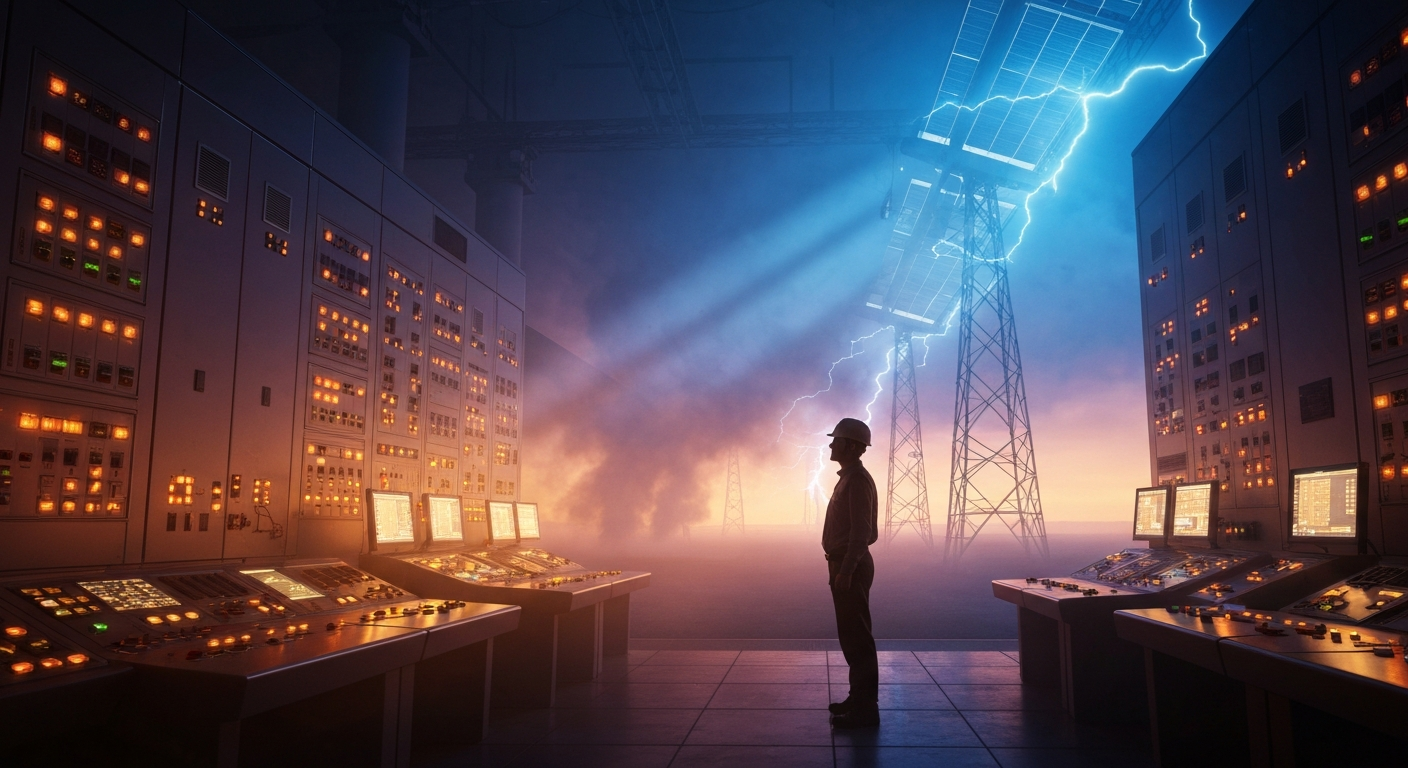
Have you ever experienced a sudden power cut, perhaps during a storm, that left you fumbling for candles? Those frustrating moments are often caused by sudden energy demands or supply drops that our current electrical grids struggle to handle, like a garden hose suddenly asked to fill a swimming pool. But now, a clever new approach to energy storage is emerging, promising to make such outages a distant memory. This system pairs two types of energy storage, one quick and one steady, to balance the grid like a master juggler.
This idea isn't just theory; patents, like one from Hangzhou Hopechart Technology, are detailing real-world applications for a "composite energy storage system." Imagine your home or even an entire city connected to a system that can instantly react to changing power needs, gracefully absorbing excess energy and quickly deploying it when demand spikes. This isn't science fiction; it’s a tangible step towards a more robust and resilient energy future.
How Our Electrical Demands Quietly Break the Grid
The problem with our current power systems is their lack of instant flexibility, like a slow-moving train trying to navigate a roller coaster track. When a large factory suddenly switches on or a train brakes and sends power back into the system (a process called regenerative braking, which is like a kinetic energy recovery system in a hybrid car, converting motion back into electricity), the grid experiences massive surges or drops. These sudden changes are like tiny shocks to the system, stressing components and leading to inefficiencies and eventual failures. It's why cities sometimes dim when everyone turns on their air conditioning on a hot day.
Our power grid struggles to handle these quick changes because most energy storage, like traditional batteries, is slow to react. They’re great for storing a lot of energy over time, but they can’t dump or absorb it in milliseconds. This new system addresses that by adding a supercapacitor—a device that can charge and discharge incredibly fast, like a lightning-quick sponge for electricity—alongside traditional batteries.
The Smart Duo: Batteries and Supercapacitors
The secret weapon here is the combination of a supercapacitor and a battery, connected in series, much like a tiny car battery booster working alongside your regular car battery. The battery provides the long-term, steady energy storage, like a deep well of power. The supercapacitor acts as the swift responder, handling all the instantaneous power demands or surges. Think of it as a small, incredibly fast reservoir that can quickly fill up or empty, protecting the larger, slower reservoir (the battery) from sudden shocks. This intelligent management of electricity means that when your city needs a sudden burst of power, the supercapacitor jumps in immediately.
If a regenerating train sends a surge of power back, the supercapacitor instantly absorbs it, preventing an overload that could destabilize the entire grid. This protects the main batteries from constant stress, which is a big deal because constant stress shortens their lifespan. Imagine your car battery lasting significantly longer because something else handles all the sudden starts and stops; that's the kind of protection these systems offer.
Intelligent Control: The Brain of the System
This isn't just about sticking two different components together; it's about the "control method" that manages them, like a conductor leading an orchestra. A "control unit" acts as the brain, monitoring the energy demands and supply in real-time. During peak power consumption, when everyone is using electricity, the system discharges, with the supercapacitor providing immediate auxiliary power. When there's regenerative braking (like a subway train slowing down and sending energy back), the supercapacitor preferentially absorbs that instant energy, preventing overvoltage.
Even during "idle periods," when demand is low, the control unit manages charging from the main power supply (the "mains supply") and ensures the supercapacitor always maintains its ideal voltage, ready for action. This smart management significantly extends the overall life of the battery components by buffering them from harsh, sudden impacts. It's like having a dedicated shock absorber for your entire energy system. This method is also a critical step toward integrating more intermittent renewable energy sources, like solar and wind, into the grid reliably. Your home's heat will soon power your car is just one example of how integrated energy systems are becoming.
Who's Building This Now and What's Next?
Companies are actively patenting these composite energy storage systems, focusing on making them work for "feedback type loads"—basically, any system that both consumes and generates power, like electric vehicles or large industrial machinery. The biggest hurdle right now isn't the technology itself, but scaling it up and integrating it seamlessly into existing, often outdated, power infrastructures. It’s like trying to weave a super-smart new thread into a very old, very large tapestry.
However, the payoff is huge: more reliable power, longer-lasting equipment, and a greener grid because it can handle more renewable energy without breaking a sweat. If development continues at this pace, and regulatory approvals keep up, you could see these systems deployed in industrial settings and eventually at a community level within the next 5-7 years, quietly making your power more stable and robust. This technology could also help prevent issues like the "rusting" of critical brain cells, as discussed in why your brain cells quietly rust, by ensuring consistent power to sensitive infrastructure.
This intelligent energy storage isn't just about preventing blackouts; it's about making our entire relationship with electricity more efficient, sustainable, and reliable. It means fewer interruptions to your daily life, more stable energy bills, and a clearer path towards a future powered by clean, consistent energy. Think of it: your daily routine, from charging your phone to heating your home, will become more resilient against the unpredictable demands of modern life.
Key Takeaways
- New composite energy storage systems combine fast supercapacitors with steady batteries to handle fluctuating power demands.
- This intelligent combination protects the electrical grid from sudden surges and drops, preventing blackouts and extending equipment life.
- By buffering power fluctuations, the technology enables smoother integration of renewable energy and makes our overall grid more resilient.
Frequently Asked Questions
What is a composite energy storage system? It's an advanced system combining a fast-acting supercapacitor with a traditional battery to handle both quick power surges and long-term energy storage, balancing the electrical grid more effectively.
How does it improve grid reliability? By absorbing sudden power spikes and supplying instant power bursts, it protects the main grid and its components from stress, preventing outages and making renewable energy integration smoother.
Will this extend battery life? Yes, the supercapacitor acts as a buffer, shielding the battery from frequent, high-stress charging and discharging cycles, which significantly prolongs the battery's overall operational lifespan.
When might I see this technology? While industrial applications are closer, widespread community-level deployment could be 5-7 years away, pending further development and integration into existing infrastructure.
Editorial note: The scientific findings presented in this article are sourced exclusively from published research papers, peer-reviewed studies, certified inventions, and registered patent filings. Images generated by AI.
Stay ahead of the curve
The science that shapes tomorrow — in your inbox every week
The scientific findings presented in our articles are sourced from published research papers, peer-reviewed studies, certified inventions, and registered patent filings. Subscribe for focused weekly coverage, hands-on explainers, and practical insights that help you stay curious — no jargon, no noise.
By subscribing, you agree to receive newsletter and marketing emails, and accept our Terms of Use and Privacy Policy. You can unsubscribe anytime.
Energy Access, Microgrids & Clean Power for the Developing World
Energy access journalist focused on the innovations that can bring clean power to the two billion people the mainstream transition risks leaving behind.
View full profile →