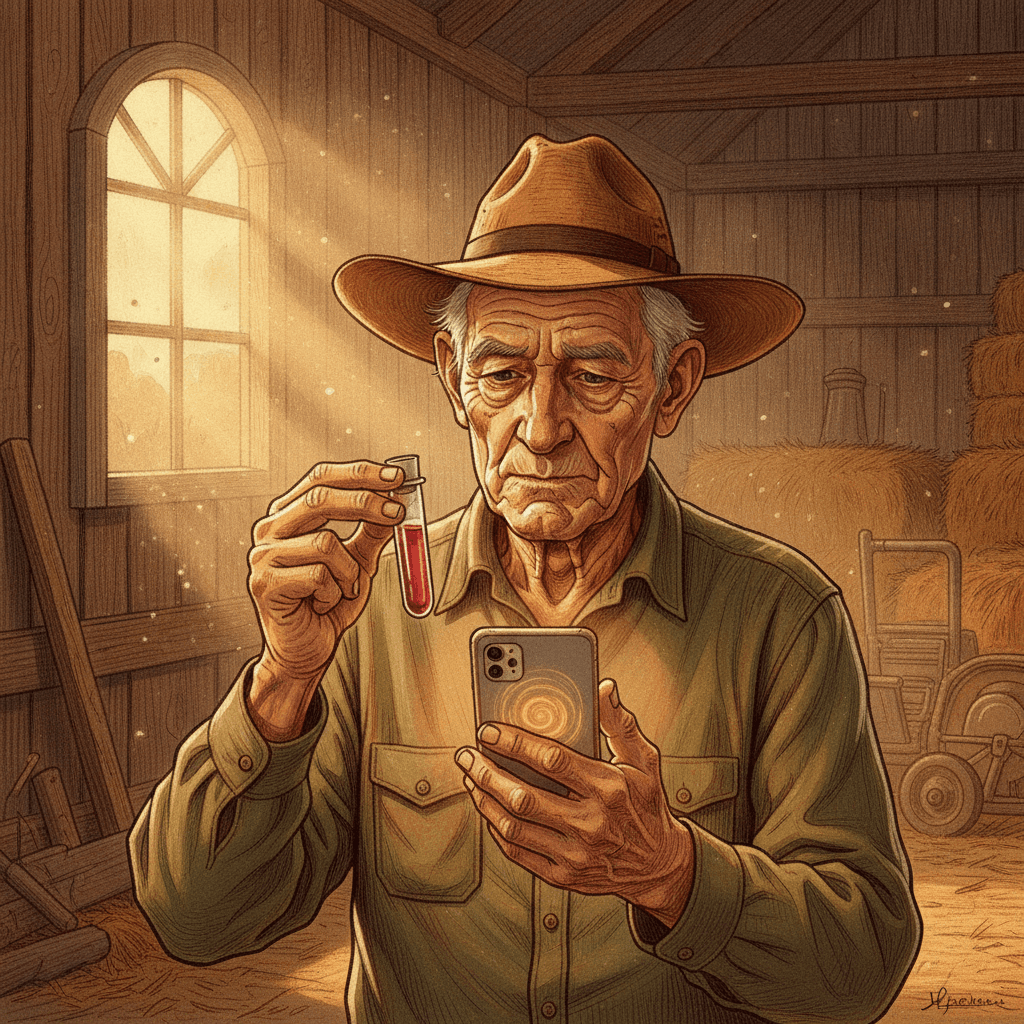
Why Your Brain Cells Quietly Rust
Imagine a silent process in your brain, like rust on metal, quietly damaging your cells and affecting your memory. New science is finally revealing how to stop it. This discovery could unlock treatments for devastating diseases and help you protect your most vital organ.

Did you know your brain cells can, in a way, "rust" from the inside out? It sounds dramatic, but this process, called oxidative stress, is a real problem where unstable molecules, known as free radicals – think of them as tiny, highly reactive sparks – damage everything from your DNA to the fats in your cell membranes, much like how oxygen and water cause metal to corrode. For years, scientists saw this as a simple injury, a one-off attack, but it turns out the story is far more complex and dynamic.
Recent research, consolidated by a comprehensive review in Europe PMC, suggests that oxidative stress isn't just a random act of damage; it's a dynamic regulator. In its early stages, it can actually trigger protective signals in your body, like a fire alarm going off. But if those "sparks" keep flying, it quickly turns destructive, acting like a slow-burning fire that ravages your brain's delicate structures over time. This dual nature is a surprising fact many people don't realize – a little stress can be good, but too much is devastating.
The Tricky Task of Delivering Protection
The biggest challenge in fighting this internal "rust" has always been getting protective antioxidants – substances that neutralize those damaging free radicals, much like a fire extinguisher douses sparks – past your brain's natural defenses. Your brain has a super-strict bouncer, called the blood-brain barrier, which is a network of tightly packed cells that keeps almost everything out, protecting it from toxins and pathogens, but also making it incredibly hard to deliver medicines.
This barrier has historically made many antioxidant therapies ineffective because the helpful molecules simply can't reach where they need to go. It's like having a perfect fire extinguisher but being unable to get it through a locked door to the fire. However, the scientific community isn't giving up, and new strategies are emerging that bypass this gatekeeper.

Smarter Ways to Fight Back
Scientists are now designing incredibly clever ways to get antioxidants into your brain. One method involves precision targeting at the subcellular level. This means sending antioxidants directly to specific parts of a cell, like mitochondria – the cell's power plants – which are often the first to be damaged by oxidative stress. It's like having a drone deliver a tiny, precise fire extinguisher exactly where the sparks are flying, instead of just spraying water everywhere.
Another exciting development is the use of functionalized nanoparticles. Imagine tiny, microscopic delivery trucks, much smaller than a red blood cell, that can be engineered to carry antioxidants like glutathione (a powerful natural antioxidant) and sneak across the blood-brain barrier. Some of these nanocarriers, like gold nanoparticles or special fat bubbles called liposomes, can be programmed to specifically target brain cells. This is a far cry from the old "spray and pray" approach to antioxidant supplements.
Unmasking Hidden Dangers and Personalized Solutions
Beyond direct delivery, new tools are giving us an unprecedented look at what's happening inside individual cells. Technologies like single-cell redoxomics, which measures oxidative stress levels in single cells, combined with spatial transcriptomics, which tells us which genes are active in specific locations within tissue, are helping scientists identify exactly which brain cells are most affected and how. It's like getting a detailed, pixel-by-pixel map of the "rust" problem and understanding the precise cellular instructions that are going wrong.
This allows for the identification of specific biomarkers – unique biological signals, like a specific protein or chemical, that indicate a disease or condition – and opens the door to personalized treatments. Instead of a one-size-fits-all approach, doctors could one day tailor therapies based on your brain's unique "oxidative stress signature," much like how we now personalize cancer treatments. This also connects to discoveries around how your brain's curves quietly hide future sickness.
What This Means for You (and When)
This deeper understanding means we're moving past just seeing oxidative stress as a simple insult to recognizing it as a complex, dynamically regulated system. This reconceptualization is providing new avenues for targeted therapies for neurodegenerative diseases like Alzheimer's and Parkinson's. If current research continues to progress through clinical trials, we might see the first targeted nanoparticle-delivered antioxidant therapies in specialized clinics within 5-10 years.
While you won't be injecting gold nanoparticles tomorrow, this research impacts you directly. It underscores the importance of a lifestyle that supports your brain's natural antioxidant defenses. Things like a diet rich in fruits and vegetables, which are packed with natural antioxidants, and managing stress can help keep those internal "sparks" at bay. Understanding this complex process, and the sophisticated tools scientists are developing to combat it, gives us real hope for preserving our cognitive health for longer. Ultimately, this science aims to keep your brain from quietly rusting, ensuring your memories and thoughts stay vibrant.
Key Takeaways
- Oxidative stress, like "rust" in brain cells, is a dynamic process that initially signals protection but quickly turns destructive.
- The blood-brain barrier is the main obstacle for delivering antioxidants, but new nanoparticle technologies offer a promising solution.
- Advanced techniques are enabling personalized treatments by precisely identifying affected brain cells and their unique molecular signatures.
Frequently Asked Questions
What is oxidative stress in the brain? Oxidative stress is cellular damage caused by unstable molecules called free radicals, similar to rust on metal. It can harm DNA and cell structures, contributing to neurodegenerative diseases.
Why is it hard to treat oxidative stress in the brain? The blood-brain barrier, a natural protective filter, makes it incredibly difficult for most antioxidant medications to reach brain cells effectively, limiting treatment options.
How are scientists overcoming the blood-brain barrier? Researchers are developing precision targeting methods and using functionalized nanoparticles, like tiny gold particles or liposomes, to carry antioxidants directly into brain cells.
What is the future of treating brain oxidative stress? The future involves personalized treatments based on detailed cellular analysis, using advanced tools like single-cell redoxomics to tailor antioxidant therapies to an individual's specific needs.
Editorial note: The scientific findings presented in this article are sourced exclusively from published research papers, peer-reviewed studies, certified inventions, and registered patent filings. Images generated by AI.
Stay ahead of the curve
The science that shapes tomorrow — in your inbox every week
The scientific findings presented in our articles are sourced from published research papers, peer-reviewed studies, certified inventions, and registered patent filings. Subscribe for focused weekly coverage, hands-on explainers, and practical insights that help you stay curious — no jargon, no noise.
By subscribing, you agree to receive newsletter and marketing emails, and accept our Terms of Use and Privacy Policy. You can unsubscribe anytime.
Infectious Disease, Vaccines & Global Health
Global health writer tracking the science that protects populations from the diseases that threaten them most.
View full profile →