Your Home's Heat Will Soon Power Your Car
Imagine your home's excess heat transforming into clean fuel for your car. A new energy storage method could make this a reality much sooner than you think.

Did you know the energy required to run an average household for a year could power an electric car for over 100,000 miles? We're closer than you think to capturing that kind of raw power, not just from the sun or wind, but from sources you might never expect – like your very own heating system. Picture a future where the heat from your home, whether it’s from solar panels on the roof or even just a particularly sunny room, isn't wasted but actively stored and converted into fuel that runs your car.
This isn't science fiction; it’s the quiet march of hydride technology, which acts like a tiny sponge for hydrogen gas. Hydrogen, as you might know, is often called the fuel of the future because it packs an incredible punch of energy per kilogram, far more than gasoline. The challenge, until now, has been storing it safely and efficiently, as it’s a very light, eager gas that needs careful handling. That’s where hydrides come in, offering a remarkably compact solution for holding onto this potent fuel.
How Your Home's Leftovers Could Become Fuel
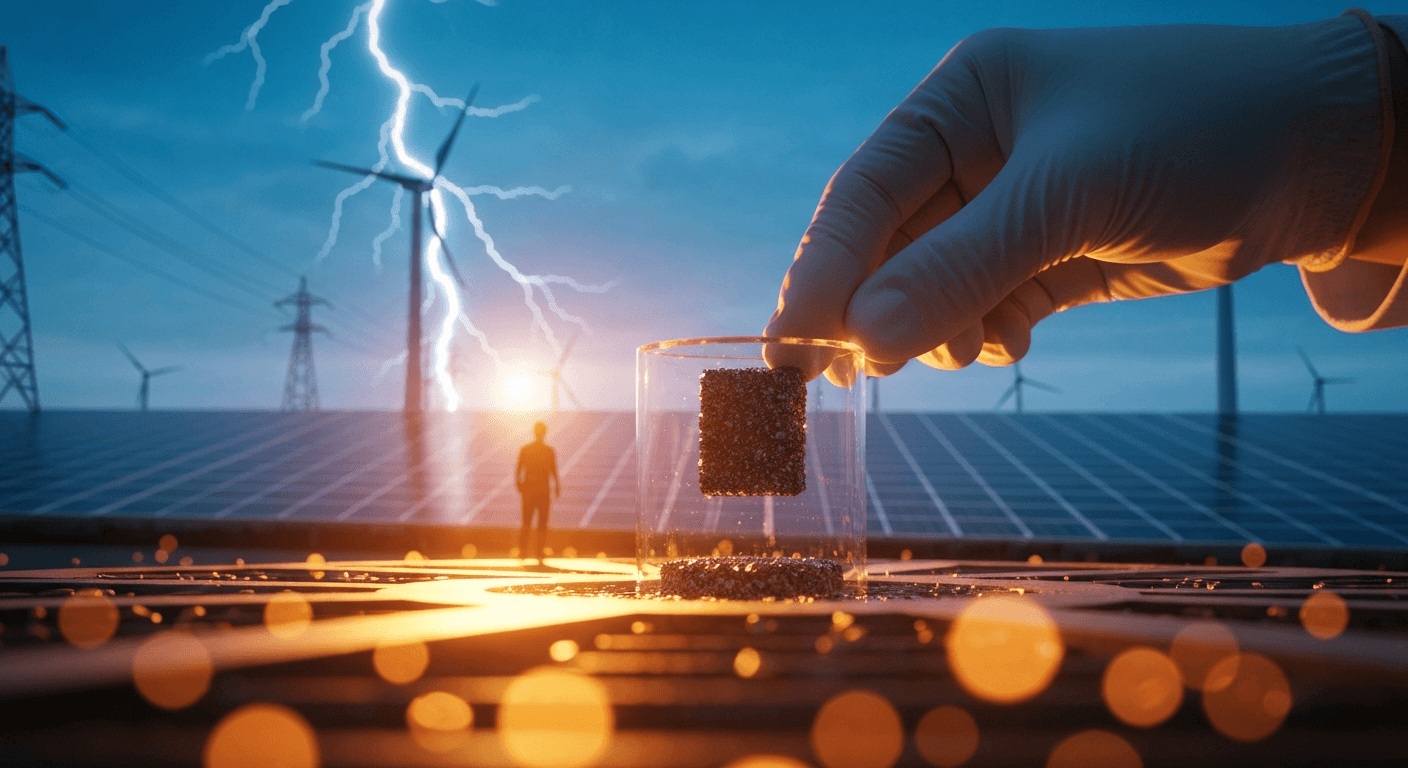
Metal hydrides, specific compounds that can absorb and release hydrogen atoms like a dry sponge soaking up water, are the unsung heroes here. They can store hydrogen as a solid, at room temperature and under mild pressure, which is a huge advantage over trying to keep hydrogen in bulky high-pressure tanks or super-chilled liquid forms. Think of it like swapping a massive, expensive industrial freezer for a regular pantry shelf – much simpler, safer, and cheaper to manage. Researchers are now developing entire renewable energy systems based on these hydrides to store hydrogen and even turn troublesome carbon dioxide into useful fuels.
This means you could soon have a system where surplus electricity from your solar panels, for instance, splits water into hydrogen and oxygen. Instead of that hydrogen needing complex infrastructure, it would then be absorbed into these hydride compounds right in your home. This process is called "power-to-gas-to-power" (PtoGtoP), a fancy way of saying we're turning electricity into gas (hydrogen), storing it, and then turning it back into power when needed. This approach dramatically reduces energy conversion and storage losses, boosting efficiency from a typical 15-40% to much higher levels.
The Real Reason This Matters for Your Wallet
This technology matters because it promises to tackle two massive problems: our addiction to fossil fuels and the fluctuating nature of renewable energy. Solar panels only work when the sun shines, and wind turbines need wind. But with hydride storage, you can capture that energy when it’s abundant and release it whenever you need it – for your home, your car, or even to sell back to the grid. This smooths out the energy supply, making clean energy reliable all day, every day. It's like having a massive battery that never degrades and can hold enough juice for days, even weeks.
Think of how this could change your daily commute. Instead of plugging in an electric car or filling up with gas, you could literally fuel your vehicle with the energy harvested from your own home. Imagine topping up your car with hydrogen created on-site, perhaps even converting CO2 from your home's exhaust into valuable chemicals or other fuels. Researchers at institutions like the King Abdullah University of Science and Technology are actively pushing these boundaries, exploring new hydride compositions that can absorb hydrogen faster and at even lower costs. You might be surprised to learn that in some industrial applications, hydrogen fuel cells already achieve over 60% electrical efficiency – twice that of a typical combustion engine.
What's Holding This Back (And How Soon You Could See It)
So, what's the catch? The main hurdle is refining the hydride materials to make them even more efficient, durable, and affordable for everyday use. While the concept is proven, scaling it up and bringing down costs is the current focus. We need materials that can load and unload hydrogen even quicker and last for thousands of cycles without degrading. It’s also about integrating these systems seamlessly into our existing homes and cars.
If current research continues its steady pace, with ongoing trials demonstrating improved efficiency and material longevity, you could see early versions of hydride-based energy storage systems becoming available for industrial applications within the next five to seven years. For widespread adoption in individual homes and cars, however, we’re likely looking at more like 10 to 15 years. This timeline depends on further material science breakthroughs and manufacturing cost reductions, similar to how solar panel costs plummeted over the past decade. The vision is clear: a future where your home isn't just a place to live, but an active participant in creating a cleaner, more energy-independent life. This hidden potential could even power a smart grid, with your home contributing to a robust power grid that quietly shrinks itself.
Your Future: Cleaner Air, Cheaper Fuel
When this technology matures, it means a profound shift in how we power our lives. You’ll breathe cleaner air because hydrogen fuel cells only produce water as exhaust. You’ll have greater energy independence, less reliant on fluctuating global fuel markets. Imagine a world where your daily travel leaves zero carbon footprint, and your home acts as its own clean energy hub, silently converting sunlight or excess heat into the power you need. It's a future where your home's leftovers finally power your car, making your life cheaper and the planet healthier. And if you're thinking about other ways your home can become more efficient, consider how your windows could power your home. The shift to a carbon-neutral future relies heavily on such integrated energy solutions, where every bit of energy is harnessed.
Key Statistics & Insights:
- Hydrogen boasts a volumetric energy density over 50 kg H2/m³, making it extremely compact compared to other forms of energy storage [Source: OpenAlex research, "Design and development of hydride-based materials..."].
- Power-to-gas-to-power (PtoGtoP) concepts aim for carbon neutrality by balancing energy supply and demand.
- Current efficiency of energy conversion and storage can be as low as 15-40% for traditional methods, which hydrides aim to significantly improve.


Key Takeaways
- Metal hydrides offer a compact, safer way to store hydrogen fuel for homes and vehicles.
- This technology could significantly boost energy efficiency and balance fluctuating renewable power sources.
- Integrating home energy systems with hydride storage promises cleaner air and greater energy independence for consumers.
Frequently Asked Questions
What is a metal hydride? A metal hydride is a compound that can absorb and store hydrogen gas in a solid form, much like a sponge absorbs water. This makes hydrogen storage safer and more compact than high-pressure tanks.
How does hydride technology store energy? It works by chemically binding hydrogen atoms within a material's structure, releasing them when needed. This process captures excess energy (often from renewables) by converting it into stored hydrogen fuel.
Why is this better than current hydrogen storage? Hydride storage operates at room temperature and lower pressures, significantly reducing the energy required and enhancing safety compared to liquid hydrogen or extremely high-pressure gas storage methods.
When can I expect to see this in my home? While industrial applications are 5-7 years away, widespread home integration for fueling cars or powering homes is likely 10-15 years out, awaiting further material refinements and cost reductions.
Editorial note: The scientific findings presented in this article are sourced exclusively from published research papers, peer-reviewed studies, certified inventions, and registered patent filings. Images generated by AI.
Stay ahead of the curve
The science that shapes tomorrow — in your inbox every week
The scientific findings presented in our articles are sourced from published research papers, peer-reviewed studies, certified inventions, and registered patent filings. Subscribe for focused weekly coverage, hands-on explainers, and practical insights that help you stay curious — no jargon, no noise.
By subscribing, you agree to receive newsletter and marketing emails, and accept our Terms of Use and Privacy Policy. You can unsubscribe anytime.
Energy Access, Microgrids & Clean Power for the Developing World
Energy access journalist focused on the innovations that can bring clean power to the two billion people the mainstream transition risks leaving behind.
View full profile →