Your Home's Leftovers Could Quietly Power a City
Imagine a world where your daily waste isn't just trash, but a silent power source. This new energy system could transform how we fuel our homes and cities, making energy cleaner and cheaper.
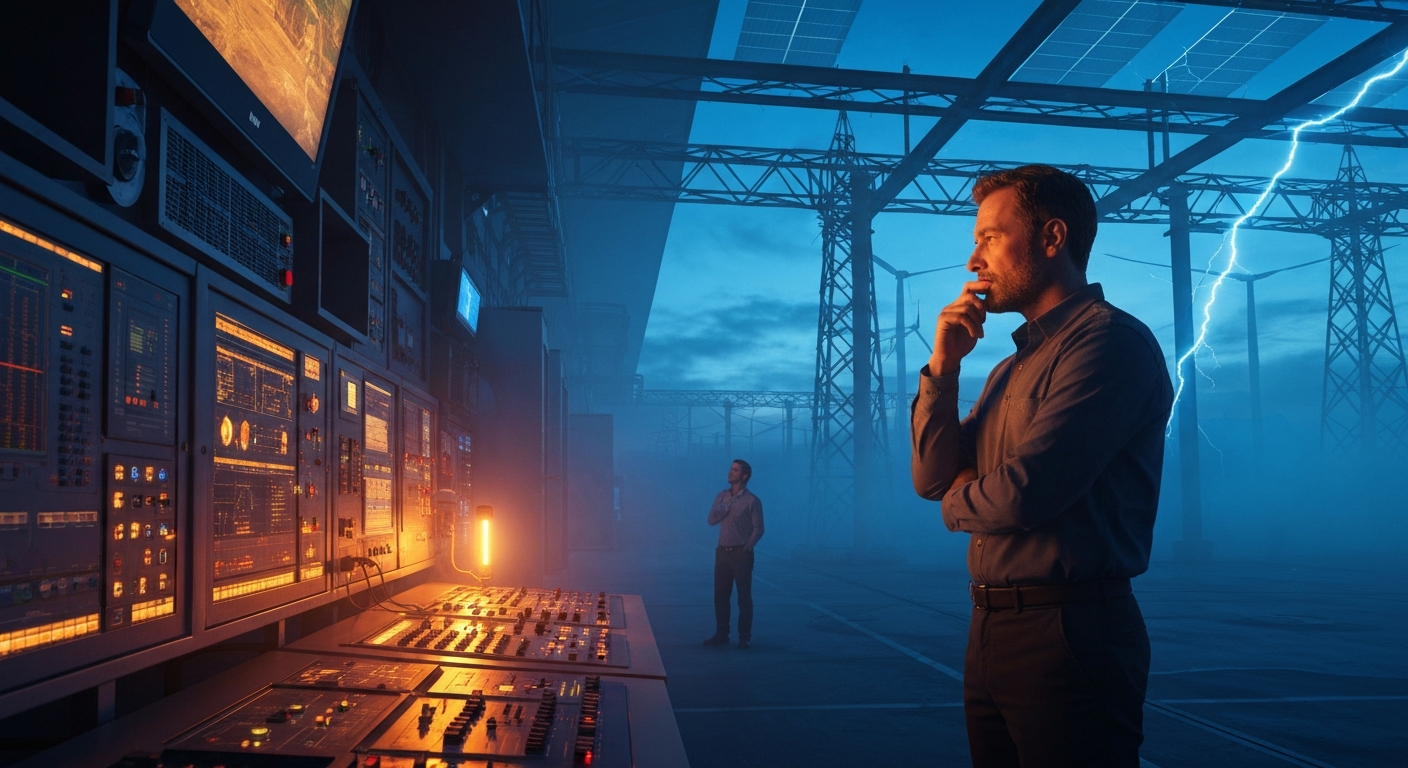
What if the energy to power your lights, heat your home, and even cook your dinner wasn't coming from fossil fuels, but from a smarter, cleaner system that uses hydrogen and ammonia? This isn't just a green dream; researchers are already working on sophisticated energy grids that blend these carbon-free fuels, transforming how we think about our power supply. Imagine your local energy system as a clever chef, mixing and matching ingredients to keep everything running perfectly, no matter the weather.
This isn't sci-fi. Scientists are building the blueprint for what are called "hybrid microgrids," tiny, localized power stations that can operate independently, even off the main electrical grid. Researchers at universities, whose work was recently published in the journal Energy, are perfecting a demand response framework for these systems. They're specifically looking at how to combine green hydrogen (made by splitting water with renewable electricity) and green ammonia (made from hydrogen and nitrogen from the air) to meet all your energy needs: electricity, heating, and even gas.
How Blending Fuels Keeps Your Lights On
Think of your home's energy demand like a hungry stomach that needs food at different times of the day. Sometimes you need a lot of power (like when you're running the dryer), sometimes a little gas (for your stovetop), and sometimes heat (for your shower). A hybrid microgrid uses a smart system, like a personal energy planner, to decide the best way to satisfy these needs. It stores energy from renewable sources, like solar panels or wind turbines, in the form of hydrogen and ammonia, which are essentially dense energy batteries.
When the sun isn't shining or the wind isn't blowing, the system draws on these stored fuels. Hydrogen can directly generate electricity or heat, while ammonia, which is easier to store and transport than hydrogen, can be converted back into hydrogen or used directly as fuel. This blend helps balance the intermittent nature of renewables, making sure you always have power. One surprising fact: these systems can even capture the oxygen produced as a byproduct of hydrogen generation, which could then be used for medical or industrial purposes – talk about zero waste!
Your Home as a Participant in Energy Saving
You might be wondering how your daily habits fit into this high-tech energy puzzle. The magic of these microgrids is their "demand response" strategy. This means you, the consumer, could play an active role, much like when your smart thermostat learns your preferences. Instead of just reacting to power shortages, this system encourages you to shift your energy use.
For instance, if there's a surplus of renewable energy during the day, your smart appliances might automatically start your washing machine or heat your water, potentially earning you incentives. This isn't just about electricity; it extends to gas and heat loads too. Your oven, for example, could be programmatically nudged to preheat when green gas is abundant. This active participation helps stabilize the entire system, preventing waste and ensuring reliability, all while using your household's dinner scraps to quietly heat your home.
Making the Grid Smarter and Cleaner
Skeptics might point to the challenges of scaling such systems or the current cost of green hydrogen and ammonia. However, researchers are tackling these head-on. They use advanced optimization techniques, like algorithms that learn from past data (similar to how a chess computer learns winning strategies), to find the most cost-effective and environmentally friendly ways to design and operate these microgrids. Their goal is to minimize overall cost, reduce unmet energy demands, and slash carbon emissions.
For instance, the proposed framework uses a multi-objective function, meaning it balances several goals at once, like a good financial planner balancing your savings, investments, and spending. It weighs factors like cost, reliability, and environmental impact, aiming for the sweet spot. This approach helps refine the system, making it more practical for real-world deployment, potentially reducing our reliance on traditional fossil fuels and even impacting how we perceive clean energy, like the quest for finally, solar cells that work, and last.
What This Means for Your Future
If hybrid microgrids become common, they could fundamentally change your relationship with energy. Imagine a neighborhood that's largely energy independent, drawing power from local sources and storing it efficiently. It means more stable energy prices, less vulnerability to outages, and significantly cleaner air. You might even see your home's gas supply come from this ammonia-hydrogen blend, completely replacing natural gas.
The technology is still in the research and development phase, meaning widespread adoption is likely 5-10 years away. But the vision is clear: a future where our energy systems are as intelligent as they are green, making the invisible flow of power a little more visible, a lot more local, and dramatically more sustainable. It's truly incredible how science keeps pushing us towards a cleaner, more efficient tomorrow.
Key Takeaways
- New hybrid microgrids combine hydrogen and ammonia to create versatile, carbon-free energy systems that can power electricity, heat, and gas for communities.
- These smart grids use "demand response" strategies to encourage shifting energy use, optimizing renewable energy consumption and increasing overall efficiency.
- Beyond power, these systems can capture byproduct oxygen for industrial or medical use, illustrating a complete circular economy approach to energy.
Frequently Asked Questions
What is a hybrid microgrid? A hybrid microgrid is a small, localized energy system that can use multiple energy sources, like solar, wind, and stored hydrogen/ammonia, to provide electricity, heat, and gas to a community or building. It can operate connected to or independently from the main power grid.
How does hydrogen-ammonia fuel work? Green hydrogen is made from water using renewable electricity, and green ammonia is produced from hydrogen and nitrogen from the air. These fuels are blended and can be burned for heat, converted to electricity, or used directly for gas loads, providing a versatile, carbon-free energy source.
Why is "demand response" important for these systems? Demand response helps balance energy supply and demand by encouraging consumers to shift their energy use to periods when renewable energy is abundant. This optimizes the system's efficiency, reduces waste, lowers costs, and improves overall reliability, making the grid smarter.
Editorial note: The scientific findings presented in this article are sourced exclusively from published research papers, peer-reviewed studies, certified inventions, and registered patent filings. Images generated by AI.
Stay ahead of the curve
The science that shapes tomorrow — in your inbox every week
The scientific findings presented in our articles are sourced from published research papers, peer-reviewed studies, certified inventions, and registered patent filings. Subscribe for focused weekly coverage, hands-on explainers, and practical insights that help you stay curious — no jargon, no noise.
By subscribing, you agree to receive newsletter and marketing emails, and accept our Terms of Use and Privacy Policy. You can unsubscribe anytime.
Nuclear Fusion, Advanced Fission & Deep Decarbonisation
Nuclear energy journalist covering the technologies that could provide clean, limitless power — and why they have taken this long to arrive.
View full profile →