Your Dinner Scraps May Quietly Heat Your Home
Imagine turning your daily food waste into clean, reliable energy for your stove and heater. Scientists are perfecting ways to purify biogas from organic matter, offering an affordable, sustainable power source for millions globally.
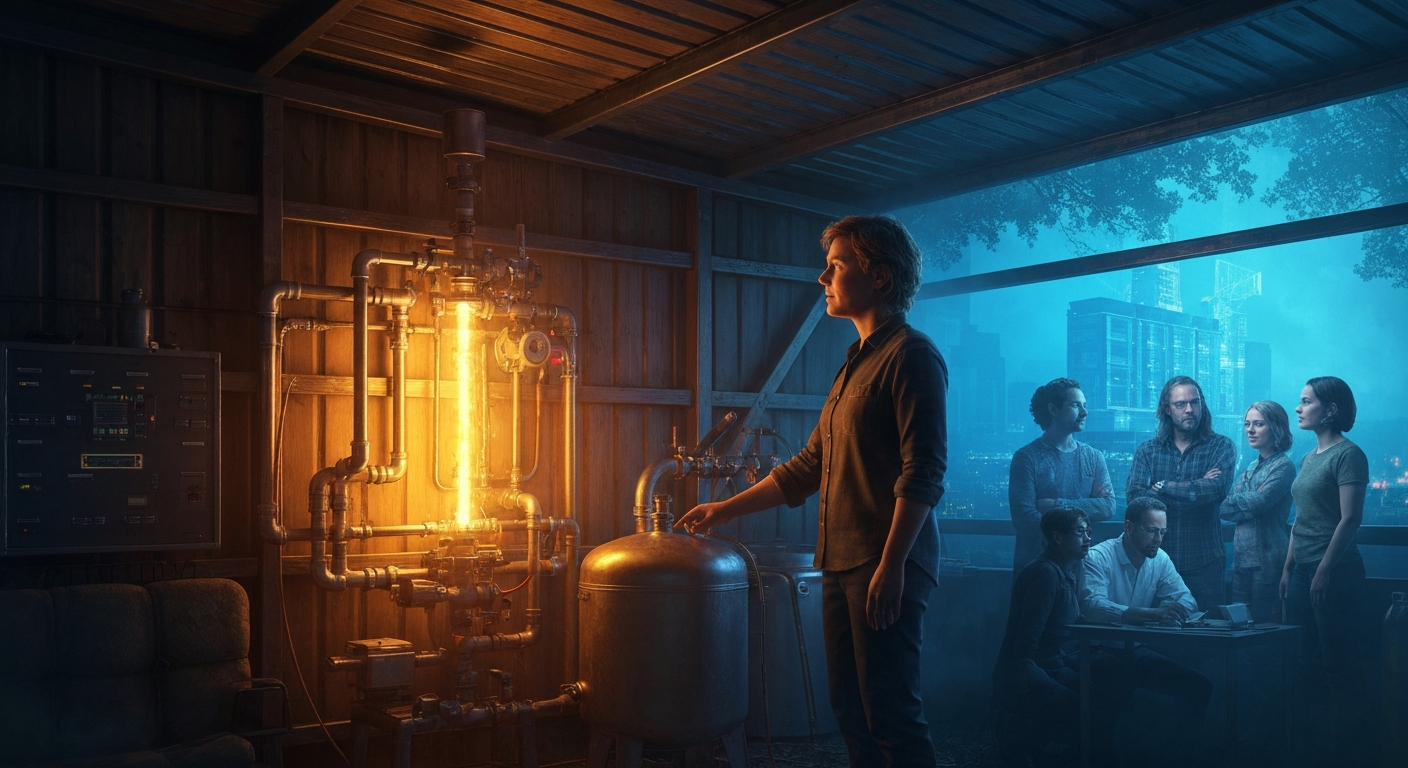
What if your kitchen waste bin held not just trash, but the secret to powering your entire home? Picture a future where every food scrap, every leftover, isn't just discarded but meticulously converted into a clean, odorless gas that fuels your cooking, warms your water, and even generates your electricity. This isn't just some far-off dream from a science fiction movie; it's a very real possibility emerging from today's scientific advancements.
This vision hinges on a simple, natural process: taking organic materials like food waste or farm manure and letting tiny microbes break them down in an oxygen-free environment, much like composting, but sealed. This process, called anaerobic digestion, creates raw biogas. Think of it as nature's own power plant, converting what we usually consider garbage into usable fuel.
Turning Methane's Rough Diamond Into Pure Gold
Raw biogas, while full of energy, isn't quite ready for your home appliances. It's like a rough diamond, full of potential but mixed with a lot of impurities you don't want. About 40% of this raw gas is often carbon dioxide, along with smaller amounts of hydrogen sulfide (which smells like rotten eggs!) and water vapor. These unwanted bits reduce the gas's heating power and can even be corrosive, which isn't safe for your stove.
That's why researchers are perfecting ways to "polish" this raw gas into high-quality biomethane. This means getting rid of almost all the impurities, leaving you with gas that's at least 95% pure methane, essentially identical to the natural gas you might use right now. This purified fuel, often called biomethane, then becomes safe and efficient enough for everything from cooking your dinner to heating your home. It’s like sorting out all the tiny stones from a bowl of rice, leaving you with only the pure, valuable grains.
Scientists across various institutions, like those highlighted in recent reviews published in Europe PMC, are aggressively developing smarter, cheaper ways to do this. They're finding that combining advanced separation techniques with clever control systems can dramatically improve how much clean fuel we recover from waste. This includes exploring methods like water scrubbing, where gas bubbles through water to dissolve impurities, or using special membranes that act like incredibly fine sieves, letting only the good stuff through.

How Your Waste Becomes Clean Energy
The process of upgrading raw biogas into biomethane involves several ingenious steps, each designed to strip away specific impurities. It’s a multi-stage cleaning operation, ensuring the final product is pure and safe for domestic use. Understanding these steps helps you see how much thought goes into transforming something as simple as a food scrap into a valuable energy source.
- Removing Hydrogen Sulfide: This nasty, corrosive gas is often the first to go. Imagine a special filter that chemically grabs onto the hydrogen sulfide molecules, pulling them out of the gas stream. This step is crucial for protecting appliances and preventing bad smells.
- Drying the Gas: Just like you wouldn't want water in your car's fuel tank, you don't want water vapor in your cooking gas. The raw biogas is passed through systems that absorb or condense out the moisture, ensuring a dry, more energy-dense fuel.
- Separating Carbon Dioxide: This is the big one. Carbon dioxide makes up a large chunk of raw biogas and doesn't burn. Technologies like pressure swing adsorption (PSA) use materials that selectively absorb CO2 when under pressure, then release it when the pressure drops. Other methods might chill the gas to super-low temperatures, making CO2 freeze out.
One surprising fact: Did you know that just one ton of food waste, which a typical household might generate over several months, can actually produce enough biomethane to power a small home for several days, including cooking and heating? That’s a huge amount of energy potential locked away in something we usually just discard. Imagine the impact if we captured even a fraction of that! (/article/your-trash-will-quietly-power-your-home)
Making Clean Biomethane Affordable and Accessible
While some of these purification methods have been around for a while, they often come with significant upfront costs and can use a lot of energy themselves. The real progress today lies in making these systems smaller, more efficient, and cheaper, especially for communities not connected to a central energy grid. This focus is particularly vital for rural areas or developing nations, where traditional energy sources are scarce or expensive.
Researchers are now exploring biological upgrading, which uses specially selected microbes to "eat" the carbon dioxide in the raw biogas, leaving behind a purer methane stream. This method could be much more energy-efficient and scalable for smaller systems. Think of it as tiny biological cleaners working tirelessly to refine your fuel. The goal is to create "mini-refineries" that can sit quietly in your backyard or on a small farm, converting local waste into local power.
These advancements also look at 'hybrid' systems, combining the best parts of different purification methods. By carefully optimizing the entire process with intelligent monitoring and data-driven controls, we can squeeze out more pure methane with less energy input. This means a more consistent, more affordable supply of clean energy for you. (/article/your-power-could-flow-without-any-waste)
The Ripple Effect of Smart Waste Power
If biomethane becomes a widespread, affordable domestic fuel, the effects would be enormous. For starters, it would offer a truly circular economy for organic waste. Instead of going to landfills, where it produces methane (a powerful greenhouse gas) and contributes to pollution, your food scraps become a valuable resource. This reduces your carbon footprint significantly.
Beyond your home, widespread adoption, especially in decentralized systems, means communities could become more energy independent. Farmers could power their operations and sell excess gas. Developing regions could leapfrog traditional energy infrastructure, gaining access to clean cooking and heating without waiting for expensive grids. This shift could arrive for many communities within the next 5-10 years, dramatically changing how we think about waste and energy. (/article/your-dinner-could-be-powered-by-water)
The beauty of this research isn't just about clean energy; it's about redefining "waste" itself. It turns a problem into a solution, making the ordinary act of throwing out your dinner scraps part of a cleaner, more sustainable future. Science, at its core, constantly invites us to look closer at what's around us, revealing the extraordinary potential hidden in the most mundane things.
Key Takeaways
- Biomethane, a purified gas from organic waste, offers a clean, renewable alternative to natural gas for home cooking and heating.
- Advanced purification technologies, including water scrubbing and membrane separation, are making it more efficient and cost-effective to upgrade raw biogas.
- Adopting small-scale, decentralized biomethane systems could significantly reduce waste, combat climate change, and provide energy independence, particularly in rural areas.
Frequently Asked Questions
What is biomethane? Biomethane is a purified form of biogas, consisting of at least 95% methane. It's virtually identical to natural gas and can be used for cooking, heating, and electricity generation in homes.
How is biomethane produced from food waste? Food waste undergoes anaerobic digestion, where microbes break it down without oxygen to produce raw biogas. This raw biogas is then purified to remove carbon dioxide, hydrogen sulfide, and water vapor, leaving pure biomethane.
Why is biomethane important for home use? Biomethane offers a clean, renewable, and sustainable energy source derived from organic waste. It reduces reliance on fossil fuels, lowers greenhouse gas emissions, and can provide affordable energy, especially in off-grid areas.
Is biomethane safe for domestic appliances? Yes, high-purity biomethane is safe for domestic appliances like stoves and heaters. The purification process ensures it meets the same quality standards as natural gas, preventing corrosion and ensuring efficient combustion.
Editorial note: The scientific findings presented in this article are sourced exclusively from published research papers, peer-reviewed studies, certified inventions, and registered patent filings. Images generated by AI.
Stay ahead of the curve
The science that shapes tomorrow — in your inbox every week
The scientific findings presented in our articles are sourced from published research papers, peer-reviewed studies, certified inventions, and registered patent filings. Subscribe for focused weekly coverage, hands-on explainers, and practical insights that help you stay curious — no jargon, no noise.
By subscribing, you agree to receive newsletter and marketing emails, and accept our Terms of Use and Privacy Policy. You can unsubscribe anytime.
Nuclear Fusion, Advanced Fission & Deep Decarbonisation
Nuclear energy journalist covering the technologies that could provide clean, limitless power — and why they have taken this long to arrive.
View full profile →