Your Garden Is Sick, But AI Can See What You Miss
You know that helpless feeling when a plant starts to wither, and you don't know why? I've seen how machines are now learning to identify plant diseases with incredible precision, often before your eyes can even spot a problem.
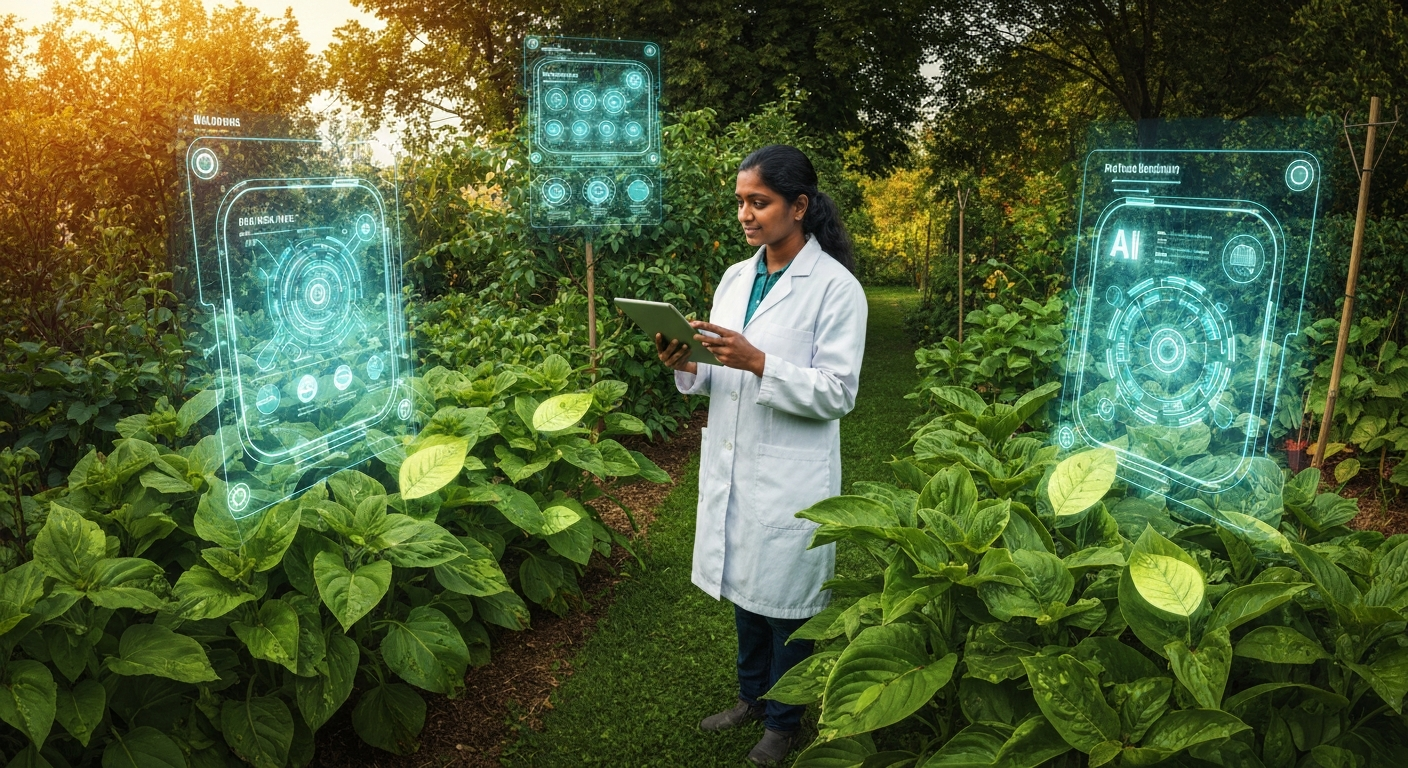
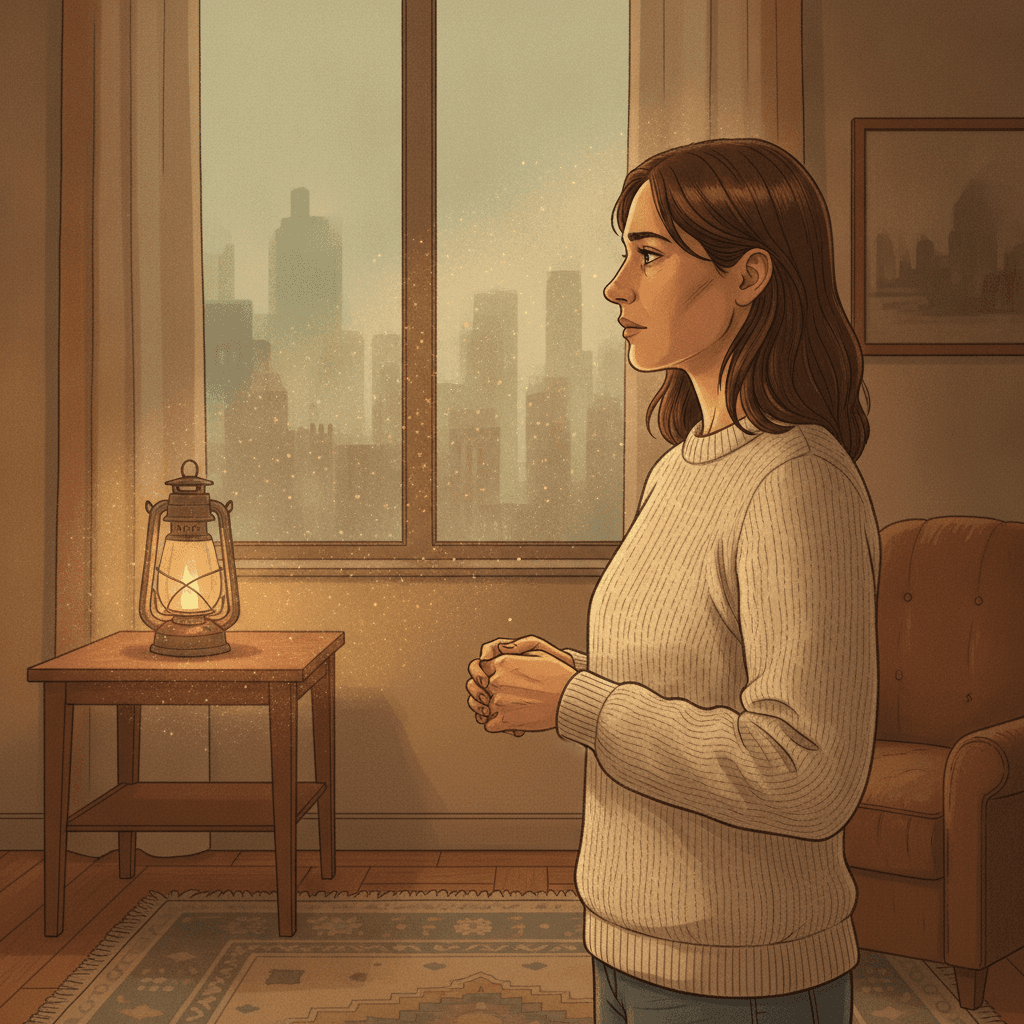
You know that familiar frustration when you spot a strange spot on your houseplant's leaf? Or perhaps you've driven past vast agricultural fields, wondering about the tiny blights that could quietly devastate an entire harvest. This isn't just about a plant looking sad; it’s about lost food, wasted effort, and ultimately, higher costs for everyone at the grocery store.
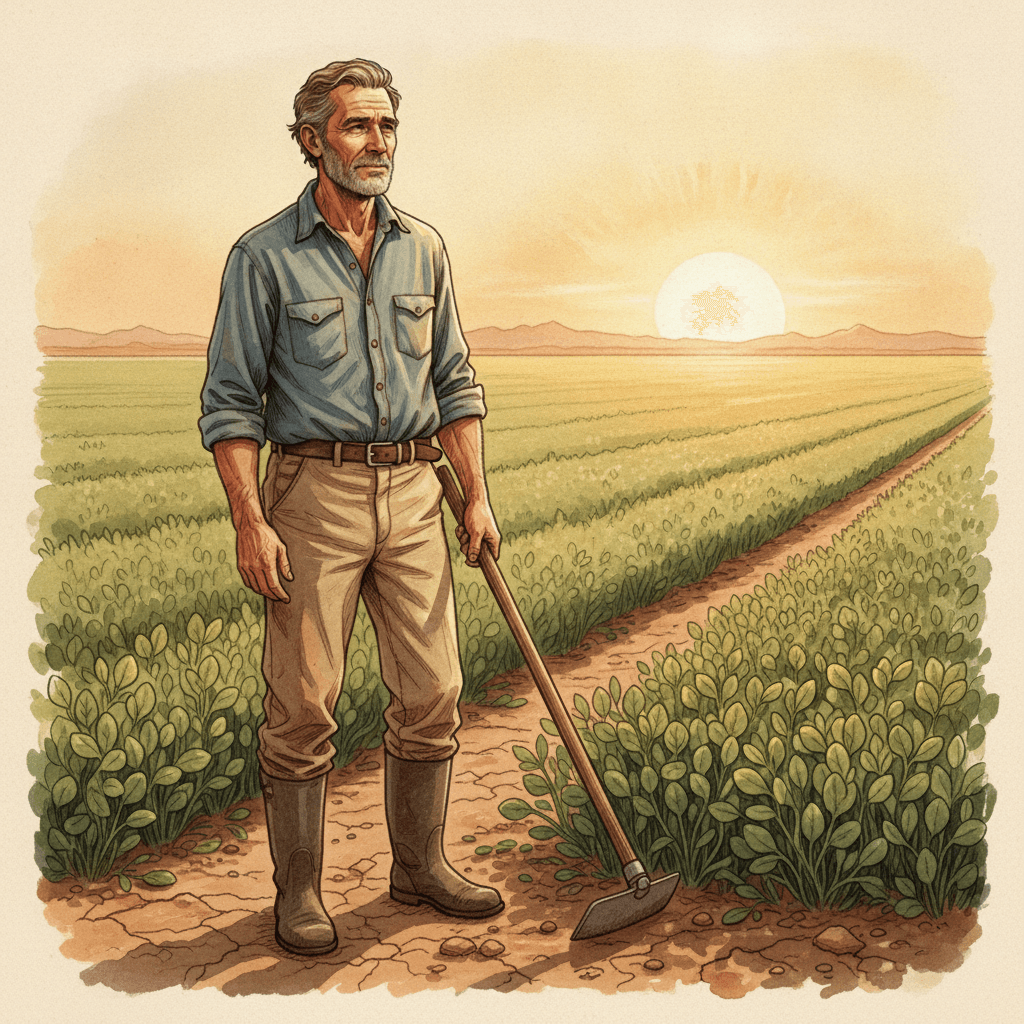
The sheer scale of modern farming makes monitoring every single plant practically impossible for a human eye. Farmers, even with years of experience, often rely on visible symptoms, which means by the time a disease is obvious, it might already be too late. Imagine trying to spot a single sick person in a crowd of millions – that's the daily challenge for those who feed us. Add to that the fact that many diseases look remarkably similar in their early stages, requiring expert analysis that isn't always immediately available.
The Invisible Guardian Watching Your Food
For years, I’ve wondered if there was a better way to give our crops a fighting chance. What if, instead of reacting to disease, we could predict it, or even catch it the moment it appears? That's exactly what some clever minds are building: an unseen guardian for every leaf, making sure our food grows healthier and stronger. It's like having a botanist with superpowers examining every single plant, all the time, completely unnoticed.
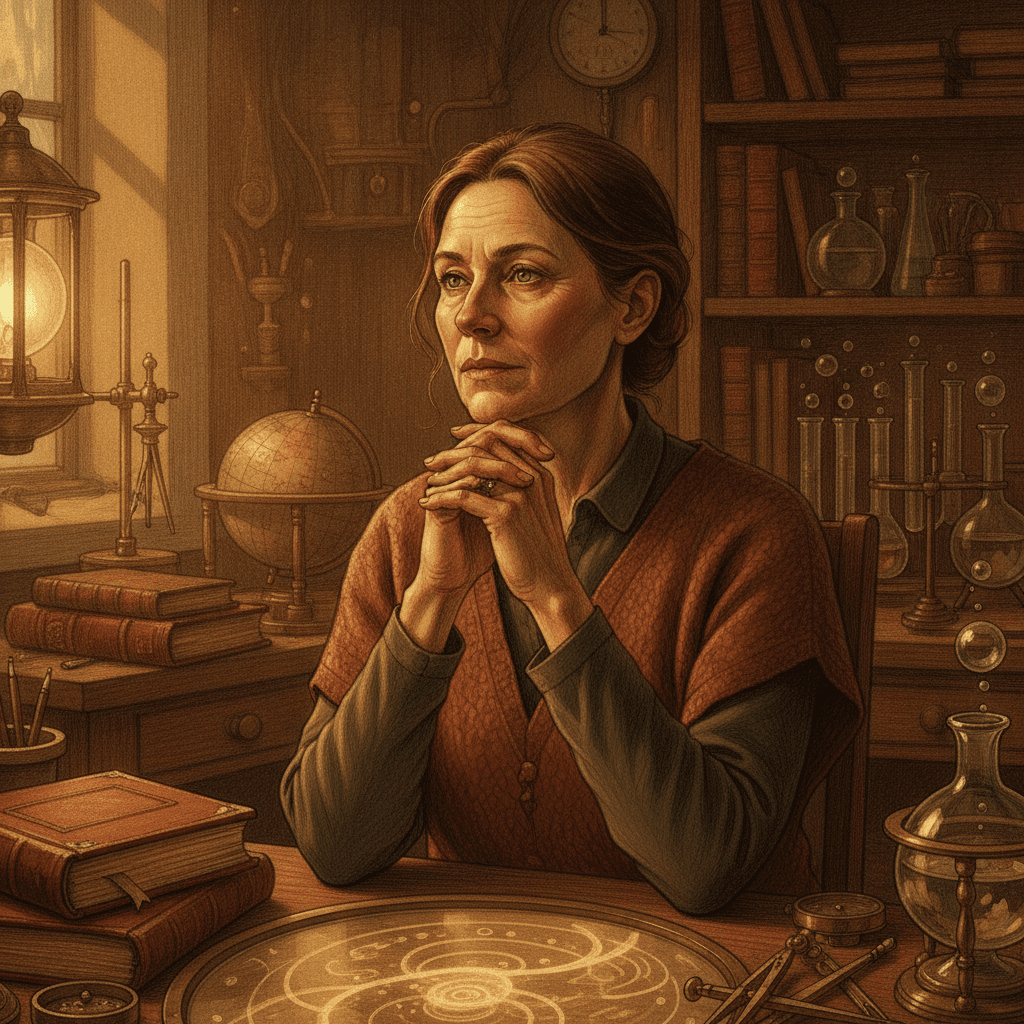
Here's how it works: researchers are teaching computers to recognize plant diseases by showing them millions of images of plant leaves. Think of it like a medical student studying an encyclopedic collection of X-rays and MRI scans. This digital "student" is called a Convolutional Neural Network (CNN) – a sophisticated type of artificial intelligence designed specifically to spot patterns in images. It learns to identify the subtle differences in color, texture, and shape that signal an infection, even before they’re obvious to us. It can spot the fungal equivalent of a tiny rash on a leaf that you’d completely miss.
Teaching an Old Dog New Tricks, Digitally
The beauty of this system isn't just in raw image recognition; it's in a technique called "transfer learning." Imagine you've got a seasoned detective who's brilliant at solving mysteries in one city. With transfer learning, you're not training a brand new detective for another city; you're taking that experienced detective, giving them a few new case files from the new location, and letting them adapt their existing skills. This speeds up the process immensely, allowing the AI to quickly become proficient at identifying diseases on new plant species, even with fewer training images specific to that plant. It makes the system highly adaptable to different crops and environments.
What these digital doctors can do is truly impressive. These AI models aren't just identifying a disease; they're classifying which disease it is with remarkable accuracy. We're talking about systems that can tell the difference between a bacterial blight and a viral mosaic on a tomato leaf with more than 98% certainty. That level of precision means farmers can apply the right treatment, at the right time, targeting the specific problem instead of resorting to broad-spectrum (and often wasteful) interventions. This translates directly to less pesticide use and healthier crops that are safer for everyone.
Bringing the Lab to the Field
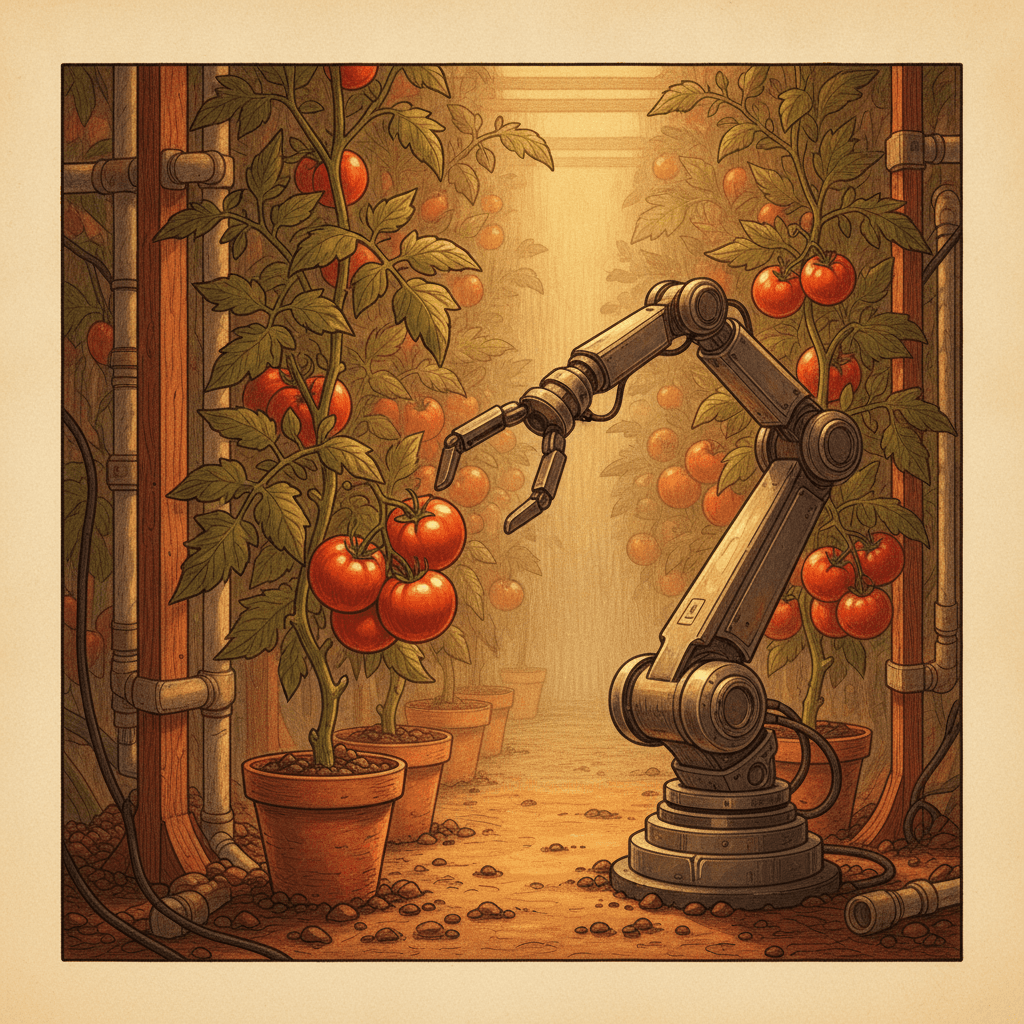
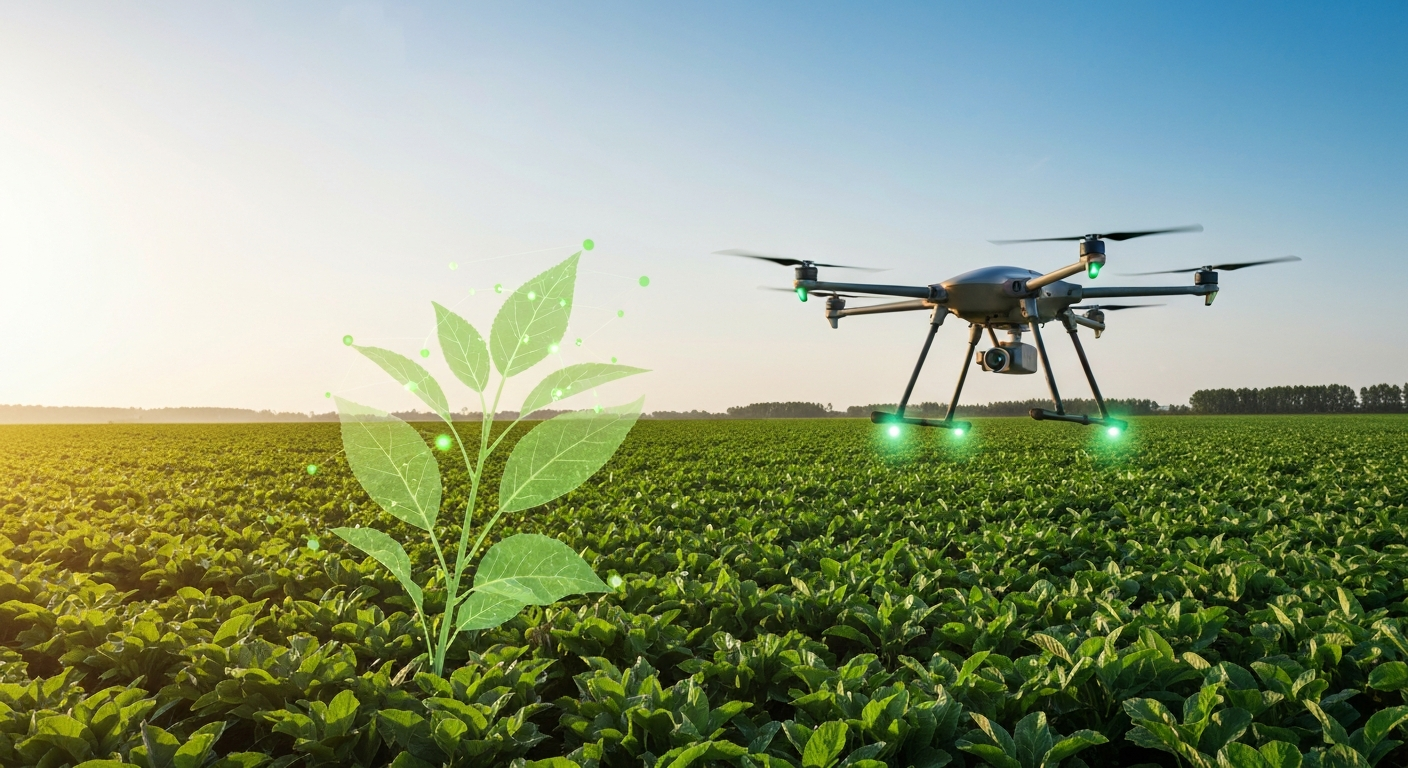
While these systems are showing exceptional promise in controlled environments, the real magic happens when they move from the lab to the vast, unpredictable world of agriculture. Imagine small drones equipped with cameras flying autonomously over fields, scanning every plant from above. Or robotic scouts crawling through rows, taking high-resolution pictures of leaves up close. The data they collect is instantly analyzed by the CNN, giving farmers real-time alerts about potential outbreaks and even identifying specific plants that need attention. This isn't science fiction; prototypes are already being tested, demonstrating the practical viability of these digital guardians.
Getting these sophisticated systems widely adopted still has hurdles. We need more diverse datasets from various regions and climates, further integration with existing farm machinery, and reducing the cost of implementation. It’s not something that will happen overnight, but within the next five to ten years, you'll start seeing these technologies become commonplace on farms. Think of it as a gradual evolution, not a sudden switch. But the impact on how our food is grown will be profound.
Your Future Dinner Plate
So, why should you care about plant-scanning AI? It comes down to what ends up on your dinner plate. Fewer crops lost to disease means more stable food supplies and potentially lower prices at the grocery store. It also means less food waste, which is a massive global problem with huge environmental implications. Perhaps most importantly, the ability to pinpoint diseases early and accurately can lead to a significant reduction in the use of broad-spectrum pesticides, making our food and our environment healthier. Your farmers, with the help of these digital assistants, will be able to grow more with less, leading to a greener, more sustainable future for agriculture. Every perfect fruit you pick, every vibrant vegetable you eat, could soon owe a silent thank you to an AI that kept it safe.
Editorial note: The scientific findings presented in this article are sourced exclusively from published research papers, peer-reviewed studies, certified inventions, and registered patent filings. Images generated by AI.
Stay ahead of the curve
The science that shapes tomorrow — in your inbox every week
The scientific findings presented in our articles are sourced from published research papers, peer-reviewed studies, certified inventions, and registered patent filings. Subscribe for focused weekly coverage, hands-on explainers, and practical insights that help you stay curious — no jargon, no noise.
By subscribing, you agree to receive newsletter and marketing emails, and accept our Terms of Use and Privacy Policy. You can unsubscribe anytime.
Health & Biomedical Innovation
Science journalist and former biomedical researcher covering the frontiers of medicine.
View full profile →