The Tiny Labels Quietly Causing Brain Disease
Imagine your brain's vital proteins carrying tiny, hidden instruction tags. New research suggests when these tags go wrong, they could quietly be setting the stage for Alzheimer's and Parkinson's. Discover how this fundamental discovery is revealing a truly different path to understanding and fighting neurodegenerative diseases.

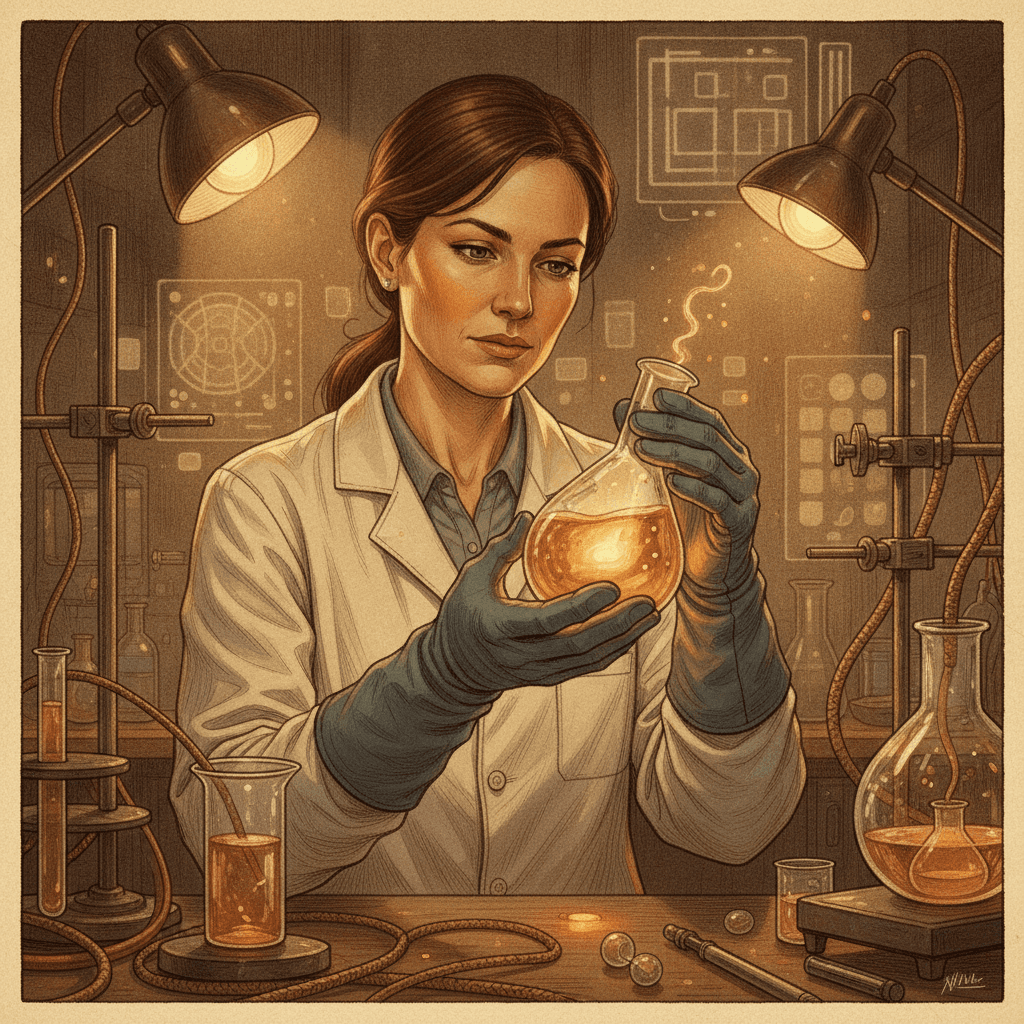
What if the future of your brain’s health, your memory, and your ability to move freely depended on tiny, invisible tags stuck to the microscopic machines inside your cells? It sounds like science fiction, but this isn't a distant fantasy. New research is showing us that these incredibly small chemical markers, acting like hidden instructions, play a surprisingly central role in whether your brain stays healthy or succumbs to diseases like Alzheimer’s and Parkinson’s. This isn't just theory; scientists are now pinpointing exactly how these molecular "misspellings" can quietly lead to devastating brain conditions.
Understanding the root cause of neurodegenerative diseases — conditions where your brain cells slowly die off, much like a computer's hard drive gradually corrupting — has been one of medicine's biggest challenges. For years, we’ve focused on the consequences: the tangled clumps of proteins or the sticky plaques that appear in sick brains. But now, attention is shifting to the initial, subtle errors that occur even before these major problems start to show up. Researchers are examining how certain "N-terminal modifications," which are like tiny chemical stickers attached to the very beginning of a protein, can determine that protein's entire fate inside your cells.
Your Cells' Secret Instruction Manuals
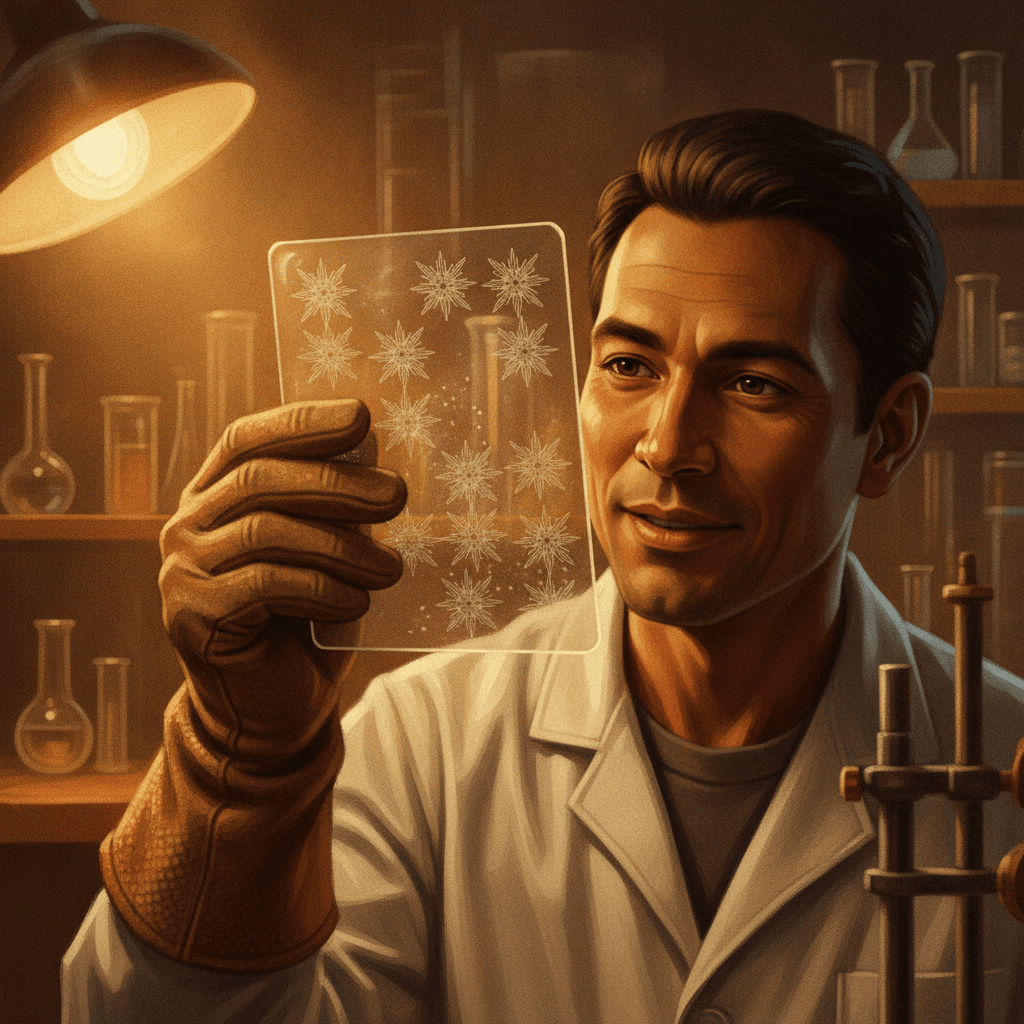
Imagine every protein in your body as a tiny factory worker, each with a specific job, from building structures to carrying messages. At the "front door" of each new worker (what scientists call its N-terminus), there's a space for a little instruction label. These labels are crucial; they tell the worker where to go, how long to stay active, or even when it’s time to retire. Think of these N-terminal modifications as unique QR codes or sticky notes, with different colors or patterns giving different commands.
For example, a common modification called "acetylation" is like putting a "protect" label on a protein, shielding it from being broken down too quickly. Another, "methylation," might tell it to interact with specific partners. If these labels are attached incorrectly, or if the cell's "labeling machine" breaks down, it’s like factory workers getting the wrong instructions. This seemingly simple error can have profound consequences, causing proteins to misfold, clump together, or hang around for too long, essentially jamming the cellular machinery.
Why Tiny Tags Mean Big Problems for Your Brain
This mislabeling doesn't just create a mess; it directly contributes to what we see in diseases like Alzheimer's, Parkinson's, and Huntington's. When proteins get the wrong instructions, they can start to form abnormal clumps, a process called protein aggregation. Picture broken LEGO bricks piling up in a corner, creating a hazardous mess instead of useful structures. These accumulated, aberrant proteins can then trigger widespread inflammation in the brain, much like an overzealous immune response that starts attacking healthy tissue, ultimately leading to the death of brain cells.
Researchers worldwide, from institutions like the University of Cambridge and the Karolinska Institutet, are deeply invested in understanding these precise mechanisms. Their work involves mapping out the specific enzymes—the tiny mechanics responsible for attaching and removing these labels—and seeing how their activity is altered in disease. It's like forensic detective work, identifying the exact sticky note that went wrong and the machine that misapplied it. The challenge lies in the sheer complexity of these interactions; different modifications can even compete for the same spot on a protein, creating a delicate balance that, when disrupted, can tip the scales towards sickness.
The Hope for New Treatments Is Already Taking Shape
This fundamental understanding of how your body’s own labeling system can go awry offers a genuinely different approach to fighting neurodegenerative conditions. Instead of only targeting the visible plaques or tangles, we might one day be able to fix the initial labeling error itself. This could involve developing new therapies that precisely control the activity of the enzymes responsible for these N-terminal modifications. Imagine a medication that could act as a tiny "label corrector," restoring the proper instructions to proteins before they cause damage.
For example, if we knew a specific type of acetylation was making a protein too stable when it should be quickly recycled, we could design a molecule to modify that enzyme's action. This kind of research is still in its early stages, often called mechanistic investigation, meaning we’re figuring out how things work at the deepest level. So, while direct treatments are likely more than 10 years away, this work is laying the essential foundation for truly novel interventions, moving beyond merely managing symptoms. You might eventually see treatments that protect your memory or movement by correcting these tiny hidden instructions within your cells.
Surprising Connections and Future Paths
What’s truly surprising is the delicate interplay between these different labels. Sometimes, one type of modification can even prevent another from happening, creating a complex communication network that determines a protein's fate. This "crosstalk" among modifications means that targeting just one label might have ripple effects across many others, requiring extremely precise therapeutic approaches. It’s like trying to fix one wire in a giant, intricate circuit board, knowing it might affect dozens of other connections.
This deeper dive into your body’s microscopic instruction manuals changes how we view diseases that feel so overwhelming. Instead of inevitable decline, we see a system that, when understood, could potentially be re-tuned. In the future, diagnosing neurodegenerative risk might involve checking the status of these protein labels, allowing for early, targeted interventions. You could one day benefit from personalized medicine that safeguards your brain by ensuring all your cellular machines have the right instructions, ultimately providing genuine hope for delaying or even preventing these challenging diseases and ensuring a healthier cognitive future. It's a quiet revolution, but one that could profoundly reshape millions of lives.
FAQ_SECTION
Key Takeaways
- Tiny chemical "tags" on proteins (N-terminal modifications) act like instruction labels, determining a protein's function and lifespan.
- When these tags are incorrect, proteins can misfold and clump together, a key factor in the development of neurodegenerative diseases like Alzheimer's and Parkinson's.
- Understanding and potentially correcting these subtle labeling errors offers a fundamentally new approach to preventing and treating brain diseases, though direct therapies are still years away.
Editorial note: The scientific findings presented in this article are sourced exclusively from published research papers, peer-reviewed studies, certified inventions, and registered patent filings. Images generated by AI.
Stay ahead of the curve
The science that shapes tomorrow — in your inbox every week
The scientific findings presented in our articles are sourced from published research papers, peer-reviewed studies, certified inventions, and registered patent filings. Subscribe for focused weekly coverage, hands-on explainers, and practical insights that help you stay curious — no jargon, no noise.
By subscribing, you agree to receive newsletter and marketing emails, and accept our Terms of Use and Privacy Policy. You can unsubscribe anytime.
Nanomaterials, Thin Films & Semiconductor Innovation
Nanomaterials researcher turned science journalist, covering the science happening at scales too small to see but too important to ignore.
View full profile →