Your Tumors Are Hiding From Current Treatment
Imagine a cancer treatment that could finally hit tumors where they’re weakest, without harming healthy cells. This new idea could make existing therapies far more effective against aggressive brain cancers.
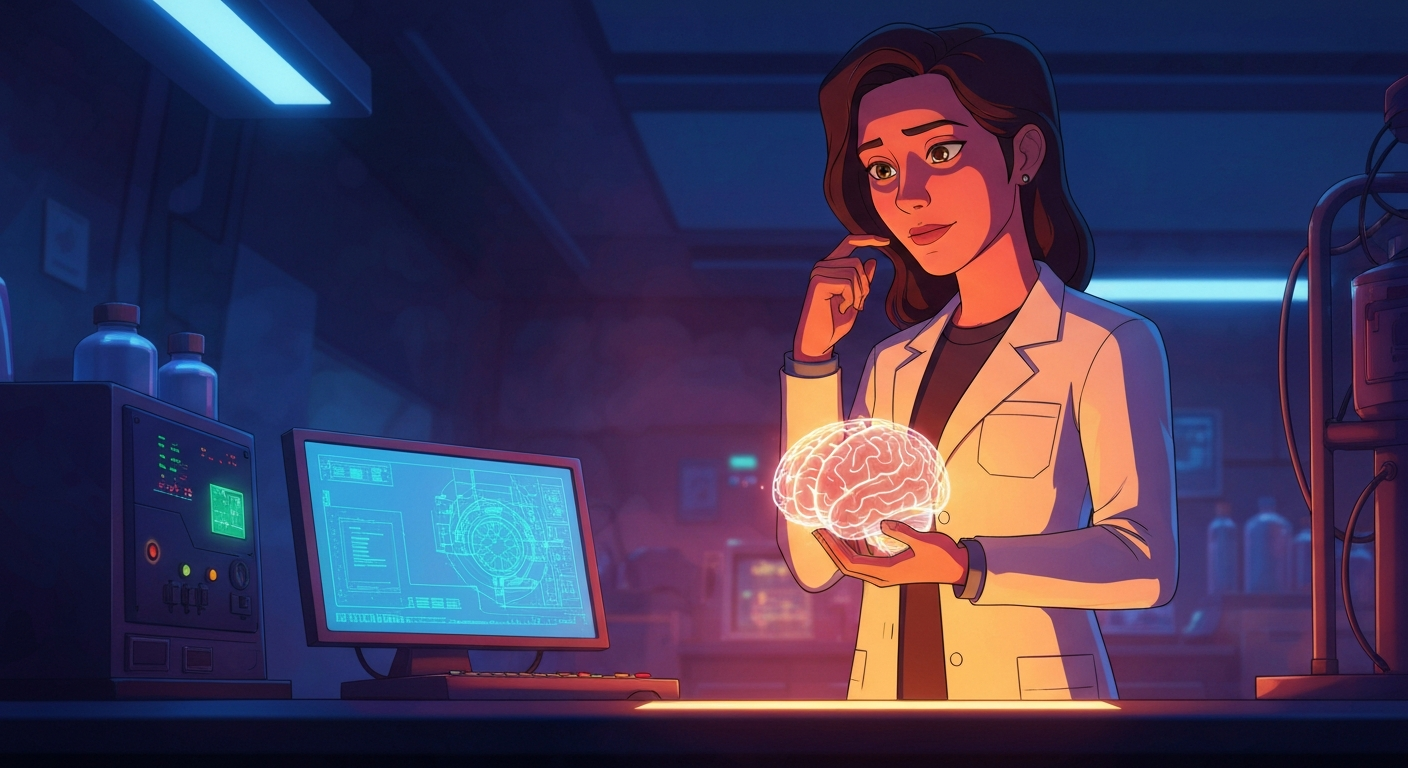
Have you ever felt like you're fighting a losing battle, even when you're doing everything right? That's precisely what happens with some of the most aggressive cancers, like glioblastoma, a tough brain tumor. We've thrown powerful treatments at it, but these tumors are incredibly sneaky, often finding ways to resist and come back, leaving you feeling helpless.
The biggest issue? Glioblastoma tumors are like master camouflagers. They repair their damaged DNA, hide behind a protective shield, and even create an environment that tells your immune system to look the other way. Standard radiation therapy, which zaps cancer cells with high-energy beams like a precise laser, often struggles to wipe out these hidden pockets, especially the stem-like cells that help the tumor regrow.
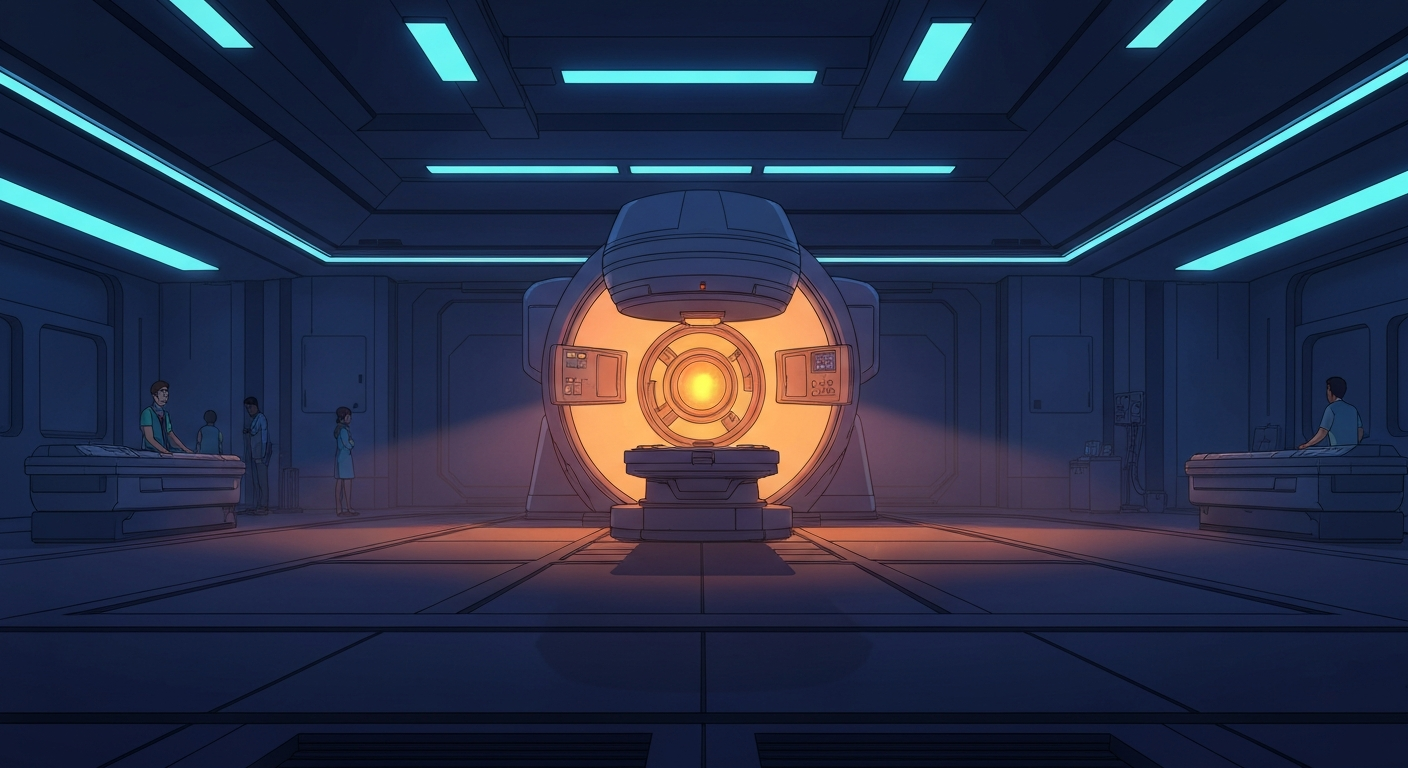
What if we could blast these tumors so fast, so intensely, that healthy tissue barely noticed, but the cancer cells didn't have time to react? That's the promise of a concept called FLASH radiotherapy. Think of it like a lightning strike instead of a steady rain: an ultra-high dose of radiation delivered in milliseconds. This rapid delivery surprisingly seems to protect normal cells, creating a wider margin of safety, or a bigger "therapeutic window," allowing doctors to hit the tumor harder.
While FLASH-RT is exciting because it spares healthy brain tissue, initial findings suggest it doesn't necessarily obliterate all parts of the tumor better than conventional radiation. It's like having a faster, safer car for a race, but the track still has difficult sections where your opponents (the cancer cells) are equally skilled. The tricky parts are those oxygen-deprived zones within tumors, known as hypoxic regions, and those stubborn, stem-like cells that are particularly resistant to treatment.
This is where a truly clever idea comes in: what if we could make the cancer cells themselves more vulnerable before the FLASH-RT even starts? Scientists are looking at targeting specific "organelles" inside the cancer cells. These are like the tiny organs within a cell, each with a specialized job, such as the endoplasmic reticulum (ER). The ER is a network of membranes that folds proteins, like a busy factory floor assembling crucial components for the cell.
By messing with the endoplasmic reticulum, you can throw a wrench into the cancer cell's ability to repair itself and even make it more visible to the immune system. It's like sabotaging the factory floor: if the cancer cell can't properly make the proteins it needs to repair DNA or build its defenses, it becomes much more susceptible to the radiation. This approach, called organelle-targeted radiosensitization, aims to soften up the enemy before the main attack.
Imagine your body's cells are tiny houses, and cancer cells are houses with secret escape routes and stronger walls. The endoplasmic reticulum is like the carpentry shop inside the house, constantly building and repairing. If you could jam that shop, the house becomes weaker and easier to break into. This strategy could also promote "immunogenic cell death," a fancy way of saying the dying cancer cells send out signals that finally wake up your immune system to join the fight, similar to how your body's shield just got a secret weapon.
Right now, the direct evidence for combining FLASH-RT with ER-targeted therapy in glioblastoma is still very much a hypothesis. Researchers are mapping out how these two powerful strategies could work together, identifying key steps like figuring out the best way to deliver the sensitizing agents across the brain's natural barrier, called the blood-brain barrier—a super-tight security system that protects the brain. You might be surprised to learn that this barrier can actually be weaker in certain areas around tumors, offering a tiny window for these targeted treatments to get in.
Scientists are also considering the best sequence for treatments, and developing "biomarkers"—like tiny flags on cells—to tell them if the combination therapy is working. This is still many years away from being tested in people, likely needing at least a decade of preclinical work and clinical trials. However, if proven effective, this dual approach could significantly improve how we fight one of the toughest cancers out there.
This isn't just about a new treatment; it's about a smarter way to fight. It's about turning the tables on cancer, exploiting its weaknesses while protecting your body. If successful, it means more effective therapies for aggressive brain cancers, giving patients and their families new hope.
Key Takeaways
- Glioblastoma tumors are notoriously resistant to standard radiation due to robust DNA repair mechanisms and an immunosuppressive microenvironment.
- FLASH radiotherapy uses ultra-high dose rates, potentially sparing healthy brain tissue more effectively than conventional radiation.
- Combining FLASH-RT with strategies that target specific cell components, like the endoplasmic reticulum, could weaken cancer cells and make them more susceptible to treatment.
Frequently Asked Questions
What is FLASH radiotherapy? FLASH radiotherapy delivers radiation at incredibly high speeds, like a rapid flash, in milliseconds. This ultra-fast delivery aims to protect healthy tissues while still damaging cancer cells, widening the treatment safety margin.
How does targeting organelles help cancer treatment? Targeting organelles, like the endoplasmic reticulum, disrupts cancer cells' internal machinery. By interfering with their ability to repair DNA or build protective proteins, it makes them more vulnerable to radiation, improving treatment effectiveness.
Why is glioblastoma so hard to treat? Glioblastoma is tough because it repairs DNA quickly, contains drug-resistant stem cells, creates low-oxygen areas that shield it, and actively suppresses the immune system, allowing it to evade standard therapies.
Editorial note: The scientific findings presented in this article are sourced exclusively from published research papers, peer-reviewed studies, certified inventions, and registered patent filings. Images generated by AI.
Stay ahead of the curve
The science that shapes tomorrow — in your inbox every week
The scientific findings presented in our articles are sourced from published research papers, peer-reviewed studies, certified inventions, and registered patent filings. Subscribe for focused weekly coverage, hands-on explainers, and practical insights that help you stay curious — no jargon, no noise.
By subscribing, you agree to receive newsletter and marketing emails, and accept our Terms of Use and Privacy Policy. You can unsubscribe anytime.
Robotics, Autonomous Systems & Human-Machine Interaction
Robotics journalist covering the machines increasingly sharing our roads, hospitals, factories, and homes — and asking the right questions about all of it.
View full profile →