Your Future Energy May Run on Water
Imagine a world where clean, limitless energy comes directly from water, without the harmful emissions. This article reveals how scientists are tackling the biggest hurdle to making that a reality and what it means for your power bill.
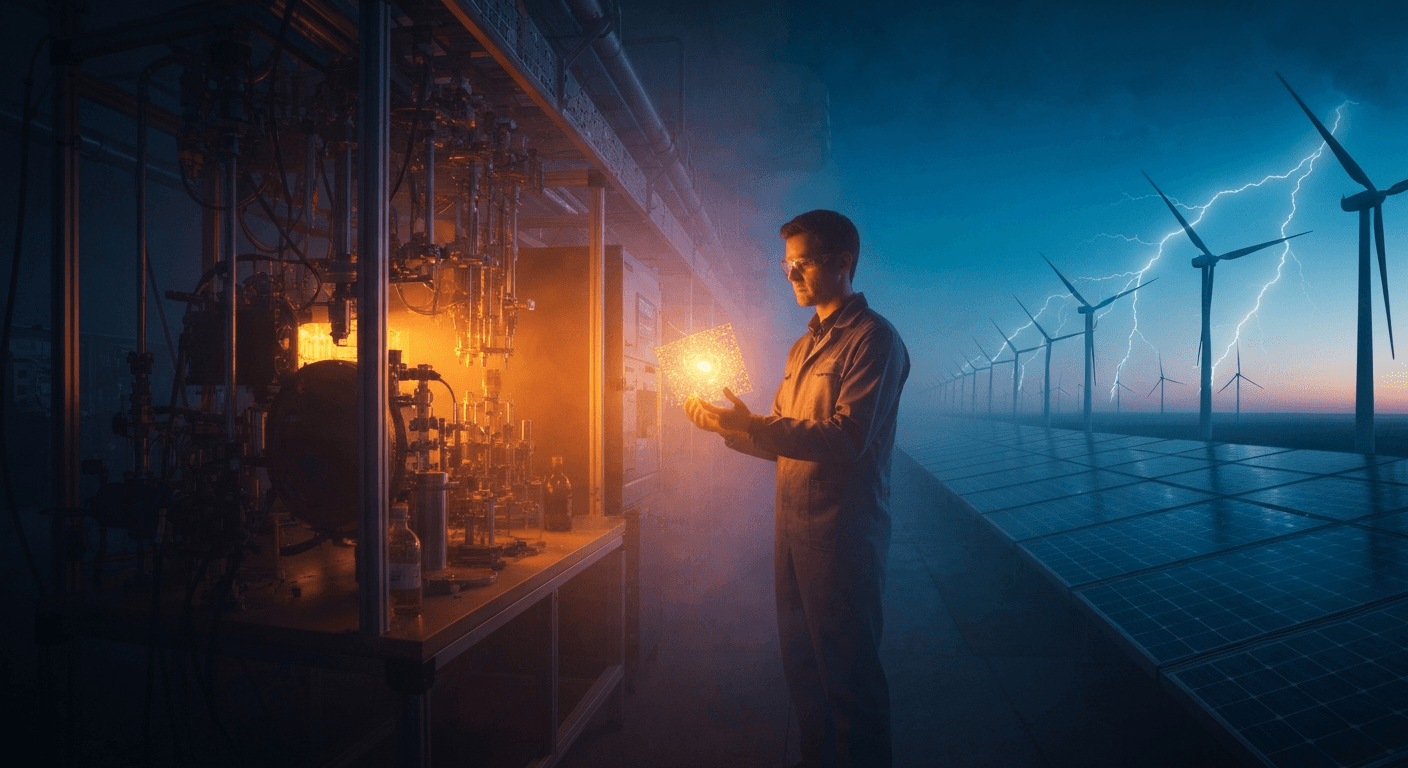
Could our planet’s energy crisis be solved by something as simple as splitting water? You see, water can be broken down into hydrogen and oxygen, and that hydrogen is a fantastic clean fuel. But getting oxygen out of water efficiently, a process called the oxygen evolution reaction (OER), has always been a major bottleneck, much like a tiny clog in a giant plumbing system that slows everything down.
This isn't sci-fi. Researchers from institutions worldwide, including those contributing to a comprehensive review in Europe PMC, are making real strides. They're focusing on making the materials, called electrocatalysts, that help split water last longer and work better. It’s like perfecting a special sponge that can soak up water extremely fast and never wear out.
The Hidden Weaknesses of Water Splitters
The core problem is that the materials used to split water, these electrocatalysts, wear out over time. Think of it like a chef’s knife that slowly dulls with every cut. Scientists are looking at this dulling from three perspectives: the super-tiny level (microscopic), the slightly larger level (mesoscopic), and the big picture (macroscopic).
At the microscopic level, the very atoms in the catalyst start to shift around, changing the material’s structure. This is like a perfectly arranged stack of building blocks that slowly starts to wobble and lose pieces. This atomic dance reduces the catalyst's ability to do its job.
Then there's the mesoscopic scale, which is like watching how a bridge's individual components fare over time. Here, the catalyst’s surface changes shape, much like a sand dune shifting in the wind. These changes weaken its ability to perform, and tiny particles can even clump together, reducing the active surface area where the water-splitting magic happens. This is also where the catalyst layer can peel away, similar to paint flaking off a wall.
Finally, at the macroscopic level, the big factors like turning the system on and off, or harsh operating conditions, cause corrosion. This is like leaving a metal tool out in the rain – it rusts and degrades. Addressing these points is crucial for robust systems that power our future, much like a power grid will quietly fix itself when small issues arise.
Building a Better, Stronger Catalyst
To solve this, scientists are designing catalysts that are inherently more stable, meaning they naturally resist these changes. It’s like engineering a car with parts that are built to last a million miles, instead of needing constant repairs. They’re also looking at "dynamic stability regulation," which is like a smart engine management system that adjusts itself on the fly to prevent wear and tear.
One surprising fact: sometimes, a catalyst actually gets better at first when its surface reconstructs, before it starts to degrade. It's like a sculptor getting rid of rough edges before getting to the fine details. But eventually, this reconstruction goes too far and becomes damaging. Understanding this delicate balance is key.
If these new catalysts become a reality, you could see hydrogen-powered cars that fill up at a "water station" instead of a gas station. Your home could even generate its own clean hydrogen directly from water, potentially reducing your energy bills and carbon footprint significantly. This could also help ocean energy finally clean the air by providing a storage solution for intermittent renewable sources.
Powering Everything with Just Water
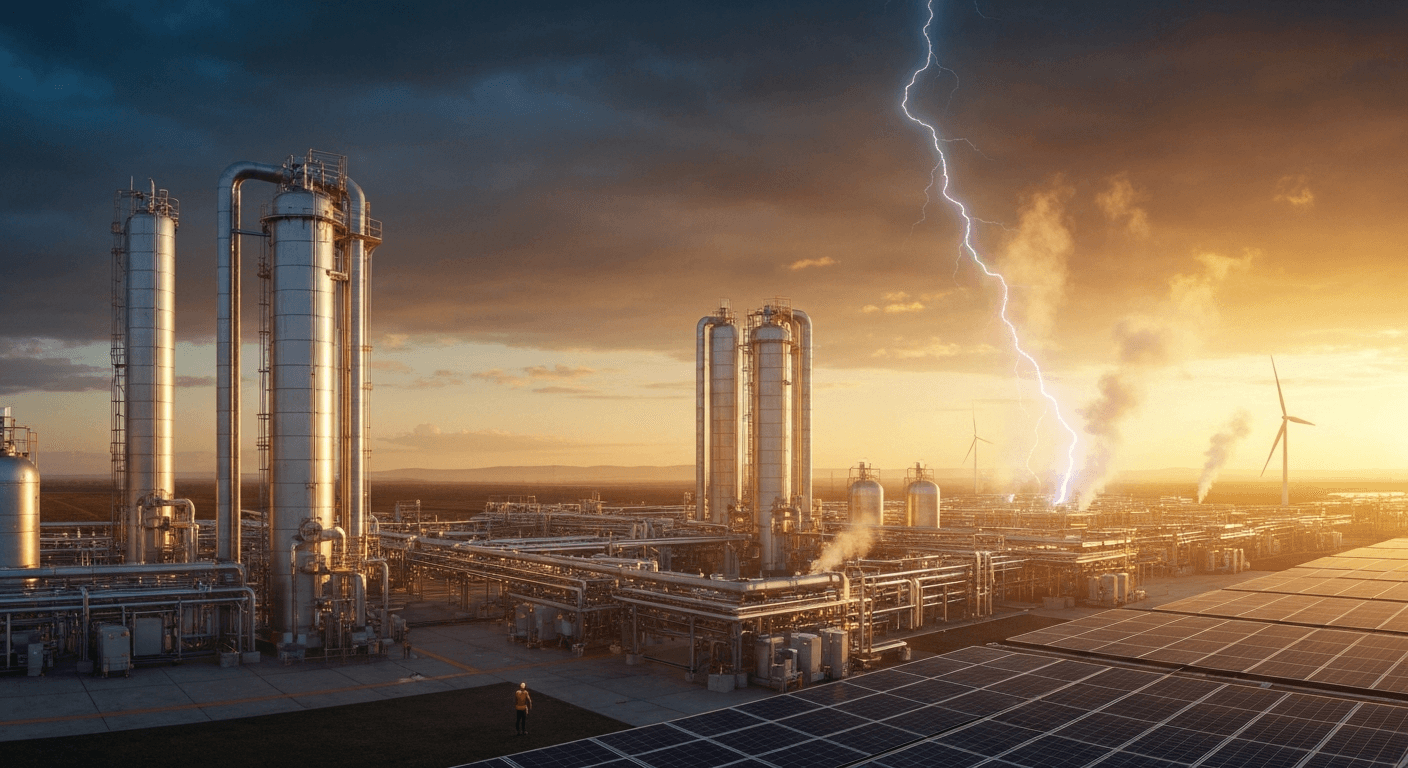
Imagine large industrial plants running on clean hydrogen, emitting nothing but water vapor. This isn't just about cleaner air; it's about energy independence and affordability. Companies would invest less in fuel imports and more in local production, creating new jobs in green industries.
This level of efficiency in water splitting, if perfected, could also provide a way to store energy from renewable sources like solar and wind, which aren't always available. When the sun shines or the wind blows, that extra energy could be used to split water, storing the hydrogen for later use. This makes intermittent energy sources reliable, much like a farm can quietly grow its own power using smart systems.
While widespread adoption is still a decade or more away, the continued focus on catalyst stability by researchers around the globe brings us closer to a future where water isn't just for drinking, but for powering our lives. This fundamental science makes the idea of a truly sustainable energy future feel incredibly real.
Key Takeaways for Clean Energy
The biggest hurdle for water-splitting technology isn't just making it work, but making it last. The dynamic stability of these electrocatalysts – their ability to resist wear and tear over time – is the current focus. Researchers are tackling this problem by designing materials that are intrinsically more stable and by developing "smart" systems that can adjust to operating conditions. If successful, this could pave the way for a world powered by clean, abundant hydrogen from water, reducing reliance on fossil fuels and providing a scalable solution for storing renewable energy.
Key Takeaways
- Improving the durability of water-splitting catalysts is the main obstacle to widespread clean hydrogen energy.
- Scientists are attacking catalyst degradation at atomic, microscopic, and operational levels to design more stable materials.
- Successful development could lead to truly sustainable, affordable hydrogen fuel, powering everything from homes to transportation within the next decade or so.
Frequently Asked Questions
What is the oxygen evolution reaction (OER)? OER is the process of splitting water to produce oxygen, which is the challenging half of creating hydrogen fuel from water. It's essential for efficient hydrogen production, but currently slows down the entire system.
Why are current water-splitting catalysts not stable enough? Current catalysts degrade due to atomic changes, surface restructuring, and physical breakdown from operational stresses like starting and stopping. They're like tools that wear out quickly with heavy use.
How will better water-splitting catalysts impact my life? Improved catalysts could lead to affordable, clean hydrogen fuel for cars and homes, reducing air pollution and energy costs. It would also enable better storage for renewable energy sources like solar and wind.
Editorial note: The scientific findings presented in this article are sourced exclusively from published research papers, peer-reviewed studies, certified inventions, and registered patent filings. Images generated by AI.
Stay ahead of the curve
The science that shapes tomorrow — in your inbox every week
The scientific findings presented in our articles are sourced from published research papers, peer-reviewed studies, certified inventions, and registered patent filings. Subscribe for focused weekly coverage, hands-on explainers, and practical insights that help you stay curious — no jargon, no noise.
By subscribing, you agree to receive newsletter and marketing emails, and accept our Terms of Use and Privacy Policy. You can unsubscribe anytime.
Offshore Wind, Ocean Energy & Nordic Green
Nordic climate journalist covering the energy innovations emerging from the world's most ambitious green economies.
View full profile →