Your Brain Scans Could Soon Predict Sickness
Imagine your brain's future health, not just its present state. This new approach could identify brain disorders years before symptoms appear.

Have you ever felt like doctors are always playing catch-up, reacting to a sickness after it's already there? Especially with brain conditions like Alzheimer's or Parkinson's, diagnosis often comes too late, once significant damage has already occurred. This isn't for lack of trying, but because our current medical system often treats each step—diagnosis, monitoring, treatment, and follow-up—as separate islands.
This fragmented approach is a real challenge for complex brain disorders. These conditions don't follow a simple, predictable path; they twist and turn, influenced by everything from your genes to your daily habits and even the air you breathe. The traditional method, which focuses on isolated check-ups, struggles to keep pace with such dynamic, ever-changing diseases.
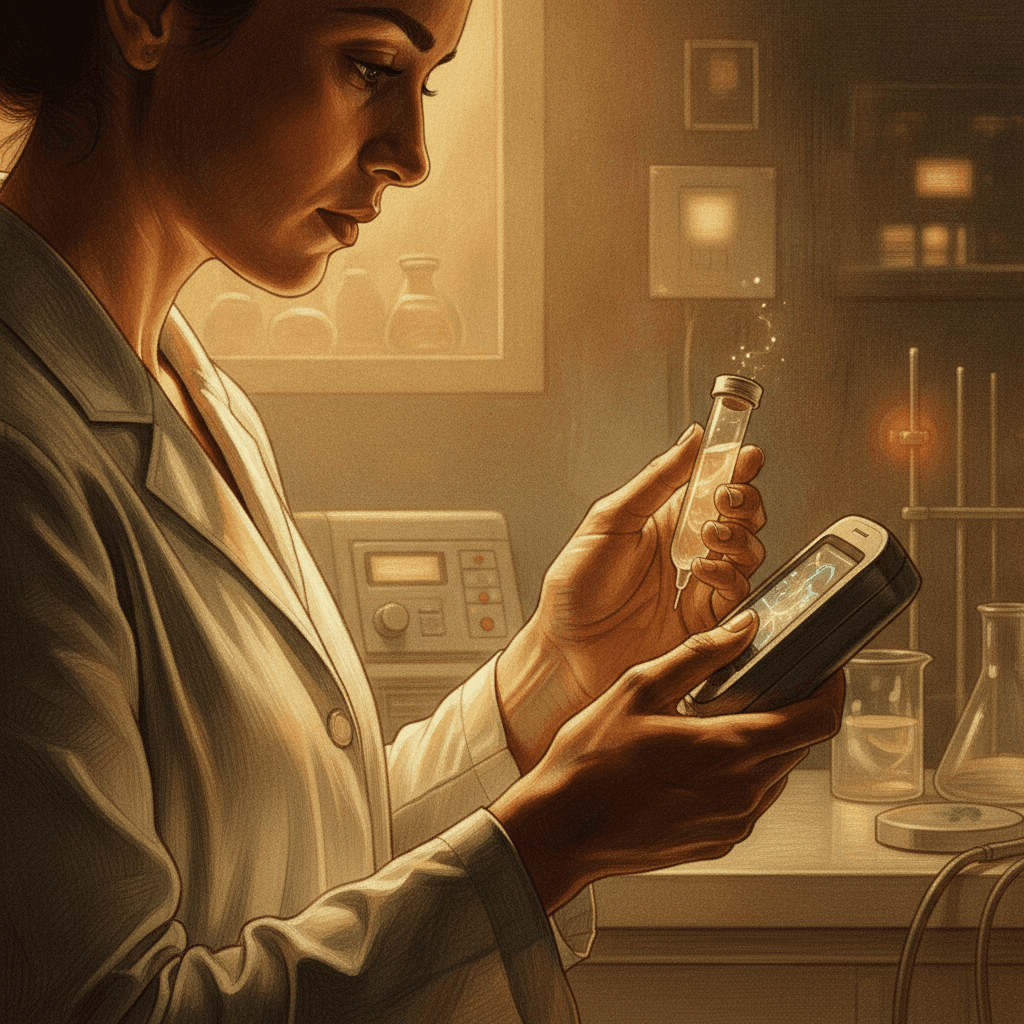
What if your healthcare could see the whole picture, continuously adapting as your brain changes? Researchers are now proposing a surprising shift: instead of just reacting to symptoms, we could build "closed-loop brain health systems." Think of it like a smart thermostat for your brain – it constantly senses changes, predicts problems before they get serious, and adjusts treatments automatically.
This new way of thinking brings together several powerful technologies that have been developing separately. You've got artificial intelligence (AI), which is like an incredibly fast pattern-recognition expert that can sift through vast amounts of data to spot subtle signs your brain is changing. Then there's digital health, which includes things like wearable sensors that monitor your body's signals round-the-clock, much like a constant health diary.
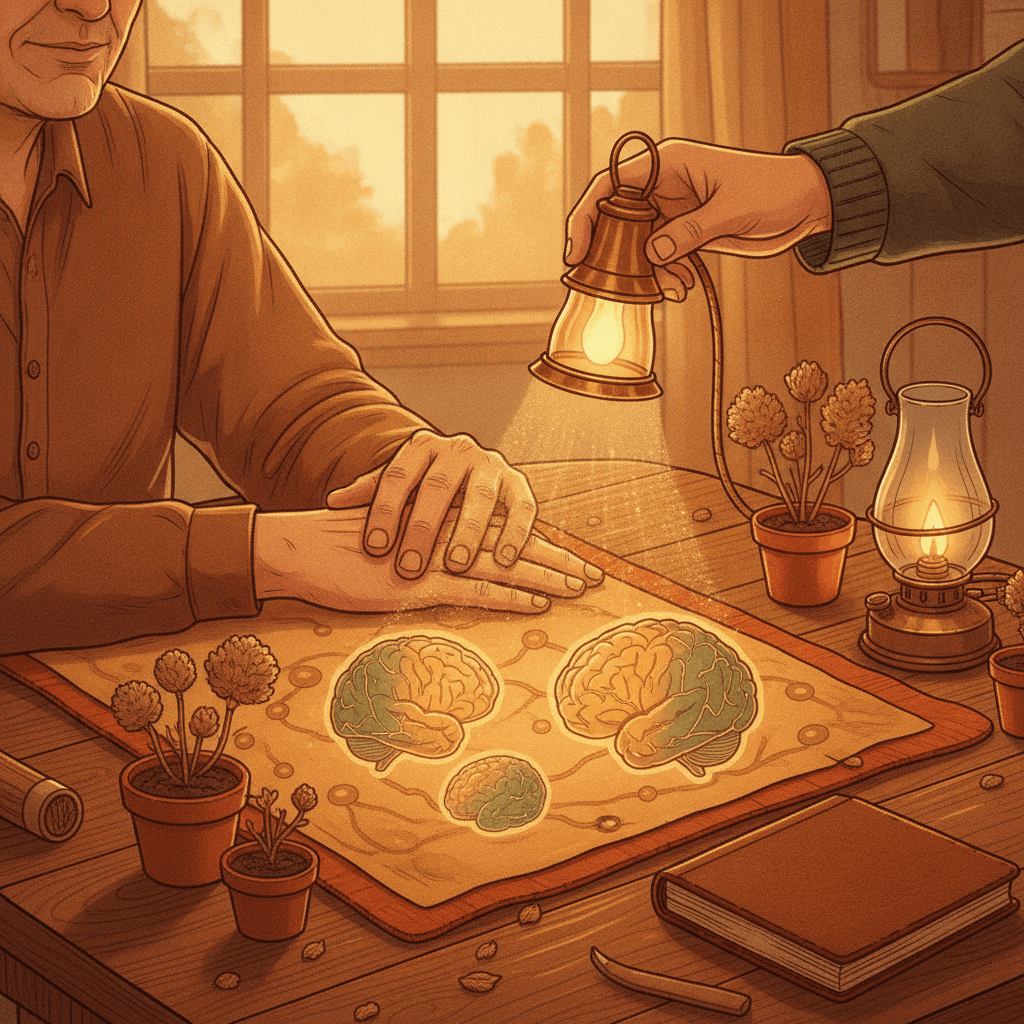
Another key piece is the "digital twin," which is essentially a virtual copy of your brain. It's a computer model that learns everything about your specific brain's structure and function, allowing doctors to test potential treatments or predict disease progression in a simulated environment before touching your real body. Imagine running simulations of different medications to see which one works best for you, without any trial and error on your actual health.
And finally, there are advanced biomaterials. These aren't just passive carriers for drugs; they're like tiny, smart delivery vehicles that can actively sense what your brain needs and release medicine exactly when and where it's required. They could even help repair damaged brain tissue. The idea is to weave all these pieces into one seamless, responsive system.
This approach isn't a pipe dream; it's actively being developed by institutions like the University of Cambridge and the Karolinska Institutet. A fascinating parallel study showed how AI can now spot cancer cells doctors miss, highlighting AI's power in medical diagnostics. The goal isn't just to make existing treatments better, but to redefine how we understand and manage brain health entirely.
The biggest surprising fact here? This isn't just about treating sickness. It's about optimizing brain health proactively. By continuously monitoring and modeling your brain's state, these systems could potentially identify subtle shifts that hint at future problems years before any noticeable symptoms appear. This could open doors to preventative treatments we never thought possible.
For instance, rather than waiting for memory loss to become severe before diagnosing Alzheimer's, a closed-loop system could detect early changes in brain activity or even subtle chemical imbalances. This early warning could allow for interventions that slow or even prevent the disease from fully taking hold. It’s like getting a tiny crack in your car windshield fixed before it spreads across the whole glass.
Moving forward, there are three major shifts happening. First, we're shifting from one-off diagnoses to continuous, detailed models of your brain's health over time. Second, advanced materials are moving from simple drug delivery to becoming active, programmable interfaces that interact intelligently with your brain. Lastly, success will be measured by how well these entire systems integrate into healthcare, rather than just how a single device performs.
While a fully integrated system is still probably 10-15 years away from widespread use, the building blocks are here today. Wearable sensors are already common, AI is routinely used for your heart scans may soon see hidden damage, and research into the bandage that helps your body heal itself is progressing rapidly. The future of brain health isn't just about fixing problems, but about actively maintaining and improving your cognitive well-being.
Your future self might not just get a check-up, but a continuous, personalized brain health manager. This could mean fewer surprises and more years of clear thinking and memory.
Key Takeaways
- Future brain healthcare will move from reacting to symptoms to proactive, continuous monitoring and adaptive treatment.
- Integrating AI, digital health, digital twins, and smart biomaterials will create personalized brain health systems.
- This approach promises to predict brain disorders years in advance, allowing for earlier and more effective prevention or intervention.
Frequently Asked Questions
What is a "closed-loop brain health system"? It's a system that continuously monitors your brain, uses AI to predict health changes, and delivers adaptive treatments or preventative measures automatically, much like a self-regulating thermostat for your brain.
How do "digital twins" help brain health? Digital twins are virtual computer models of your specific brain. They allow doctors to simulate disease progression or test treatments in a safe, virtual environment before applying them to your actual body.
Why is early detection important for brain disorders? Many brain disorders cause irreversible damage before symptoms appear. Early detection allows for interventions that could slow, manage, or even prevent the full onset of conditions like Alzheimer's or Parkinson's, preserving brain function longer.
Editorial note: The scientific findings presented in this article are sourced exclusively from published research papers, peer-reviewed studies, certified inventions, and registered patent filings. Images generated by AI.
Stay ahead of the curve
The science that shapes tomorrow — in your inbox every week
The scientific findings presented in our articles are sourced from published research papers, peer-reviewed studies, certified inventions, and registered patent filings. Subscribe for focused weekly coverage, hands-on explainers, and practical insights that help you stay curious — no jargon, no noise.
By subscribing, you agree to receive newsletter and marketing emails, and accept our Terms of Use and Privacy Policy. You can unsubscribe anytime.
Health, Mental Health & Neuroscience
European health correspondent exploring the science of the human brain and behaviour.
View full profile →