Green Tea Might Actually Save Your Brain
Imagine surviving a brain injury, only for your brain to silently suffer damage long after. New research reveals how a natural compound from green tea could protect your brain from lasting harm.

Imagine surviving a severe head injury, perhaps from an accident, only to have your brain silently, stealthily degrade years later. It's a terrifying thought, but for many, it's a harsh reality. Yet, new research from a Europe PMC study offers a surprising glimmer of hope: a common compound found in your daily green tea might be the unlikely hero, stepping in to stop this hidden damage and potentially revolutionize brain injury recovery.
This isn't just about feeling better after a bump; it's about protecting the very essence of who you are – your memory, your cognitive abilities, your personality. Scientists are now investigating how a natural compound, delivered in a clever way, could make a genuine difference.
Your Brain's Hidden Battle After Injury
After a brain injury, your body can silently continue damaging itself through a process called white matter injury, making recovery more challenging. You see, when a major brain bleed, like a subarachnoid hemorrhage (SAH), occurs, the initial trauma is just the beginning. Your brain's delicate communication lines, its "white matter"—which you can imagine as a vast network of tiny fiber optic cables connecting different parts of your brain—can be severely affected.
The surprising fact here is that this damage doesn't stop once the bleeding is controlled. For weeks, and even months afterward, a subtle, insidious degradation can continue, quietly eroding your brain's processing speed and memory, even if you feel okay on the outside. This long-term harm is often linked to cells within the brain turning rogue, leading to permanent neurological deficits.
Stopping the Brain's 'Rusting' Process
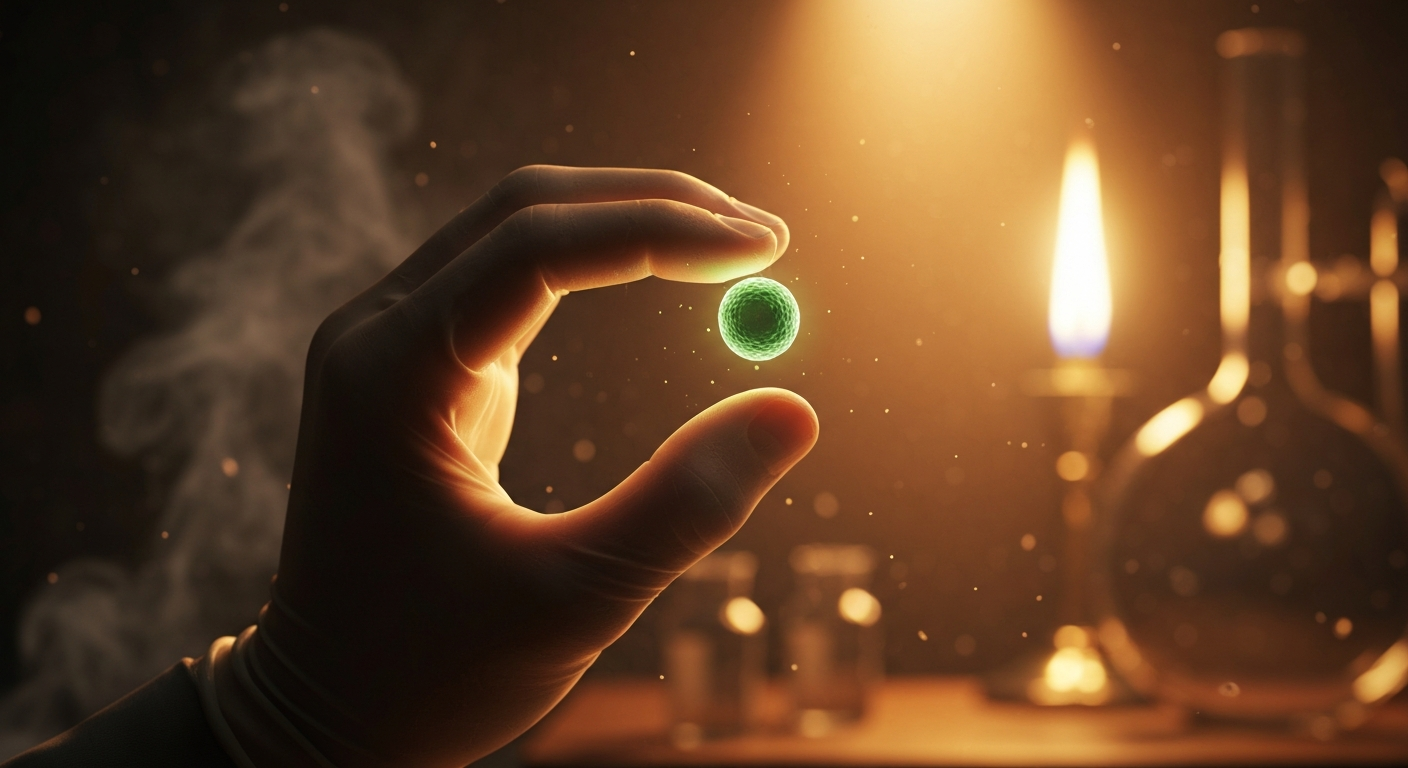
Scientists are now exploring how a common compound, EGCG from green tea, delivered by tiny nanoparticles, can interrupt this harmful process. Think of the natural chemical known as Epigallocatechin-3-gallate, or EGCG, as a potent, microscopic antioxidant shield, already found in your green tea, battling against harmful cell damage. However, EGCG faces a big challenge: getting past the brain's extremely protective barriers to reach the exact trouble spots.
That's where "nanoparticles" come in, acting like miniature, intelligent delivery drones. These tiny vehicles, much smaller than a single red blood cell, are specially designed to carry the EGCG payload directly to the affected areas, sneaking past the brain's defenses just like specialized mail trucks delivering a crucial package to a locked-down facility. This targeted delivery is key.
Once delivered, the EGCG goes to work on your brain's support cells, called astrocytes. Usually, these star-shaped cells are helpful maintenance crew, but after trauma, they can become "reactive astrocytes," turning into overzealous, damaging agents instead of helpful protectors. They start to accumulate iron, like rust building up on metal, and create harmful "oxidative stress" – essentially, your brain cells start to 'rust' from within. A specific internal switch within these reactive astrocytes, known by its markers HO-1/S100A10, gets stuck in the 'on' position, flooding the area with iron and increasing that damaging 'rusting' effect. The EGCG delivered by those nanoparticles essentially flips that faulty switch, stopping the astrocytes from rusting your brain, much like turning off a leaky faucet before it floods the entire room.
The Tea Compound That Becomes a Tiny Brain Shield
Currently, research on EGCG-loaded nanoparticles is showing promise in mouse models, specifically targeting problematic brain cells to reduce long-term damage. The Europe PMC study specifically demonstrated that these EGCG-nanoparticles significantly suppressed the iron overload and oxidative stress in those problematic astrocytes, leading to reduced white matter damage and improved neurological function in mice that had experienced a brain bleed. This means the mice showed better coordination and memory, indicating a genuine protective effect.
The researchers believe they have uncovered a promising new therapeutic strategy. However, moving from mice to humans is a significant journey. The next steps involve rigorously testing the safety and effectiveness of these nanoparticles in larger animals, then moving to human clinical trials to determine the correct dosage, potential side effects, and optimal delivery methods.
While incredibly promising, remember that this research is still in its early stages. If human trials move forward successfully and regulatory hurdles are cleared, we might realistically see such treatments available in the clinic in about 10-15 years. This timeline reflects the thoroughness required to ensure new treatments are both safe and effective for people.
Reclaiming Your Future After Injury
If successful in human trials, this approach could significantly improve the long-term recovery and quality of life for individuals surviving severe brain injuries. Imagine a future where the devastating long-term effects of a brain bleed are significantly lessened, not just managed. This isn't just about a scientific curiosity; it's about the very real hope of maintaining cognitive function, memory, and even personality after a severe brain injury.
This advancement could mean fewer people suffering from lasting cognitive deficits, reduced need for intensive long-term care, and a greater chance for individuals to return to a full, independent life. It's about empowering your body's natural defenses with targeted science, offering a future where brain injuries don't have the last, quiet word on your mental well-being.
Key Takeaways
- Brain injuries can cause silent, progressive damage to white matter for weeks or months after the initial event, leading to long-term cognitive issues.
- Scientists are using EGCG from green tea, delivered by tiny nanoparticles, to target and disarm problematic brain cells (reactive astrocytes) that exacerbate this damage by causing "oxidative stress."
- While current research shows promising results in mouse models, this potential new therapy for brain injury recovery is likely 10-15 years away from human clinical availability.
Frequently Asked Questions
What is white matter injury? White matter injury is damage to the brain's communication pathways, like fiber optic cables, which can occur after a brain bleed and lead to long-term cognitive problems such as memory and processing issues.
How does green tea's EGCG help the brain? EGCG, a powerful antioxidant found in green tea, can stop brain cells from "rusting" (oxidative stress) and correct rogue support cells (astrocytes) that cause damage after an injury, protecting your brain.
Are EGCG nanoparticles safe for humans now? EGCG nanoparticles are currently in experimental stages, showing promise in mouse models. Human trials are still many years away, with significant safety and efficacy testing needed before any clinical use.
Editorial note: The scientific findings presented in this article are sourced exclusively from published research papers, peer-reviewed studies, certified inventions, and registered patent filings. Images generated by AI.
Stay ahead of the curve
The science that shapes tomorrow — in your inbox every week
The scientific findings presented in our articles are sourced from published research papers, peer-reviewed studies, certified inventions, and registered patent filings. Subscribe for focused weekly coverage, hands-on explainers, and practical insights that help you stay curious — no jargon, no noise.
By subscribing, you agree to receive newsletter and marketing emails, and accept our Terms of Use and Privacy Policy. You can unsubscribe anytime.
Offshore Wind, Ocean Energy & Nordic Green
Nordic climate journalist covering the energy innovations emerging from the world's most ambitious green economies.
View full profile →