A Sugar Gel That Rewires Your Cells To Heal
Imagine wounds that just... disappear, faster than you ever thought possible. A new sugar-based gel is using everyday plant extracts to dramatically speed up how your body repairs itself, especially for tough cases like diabetic wounds.
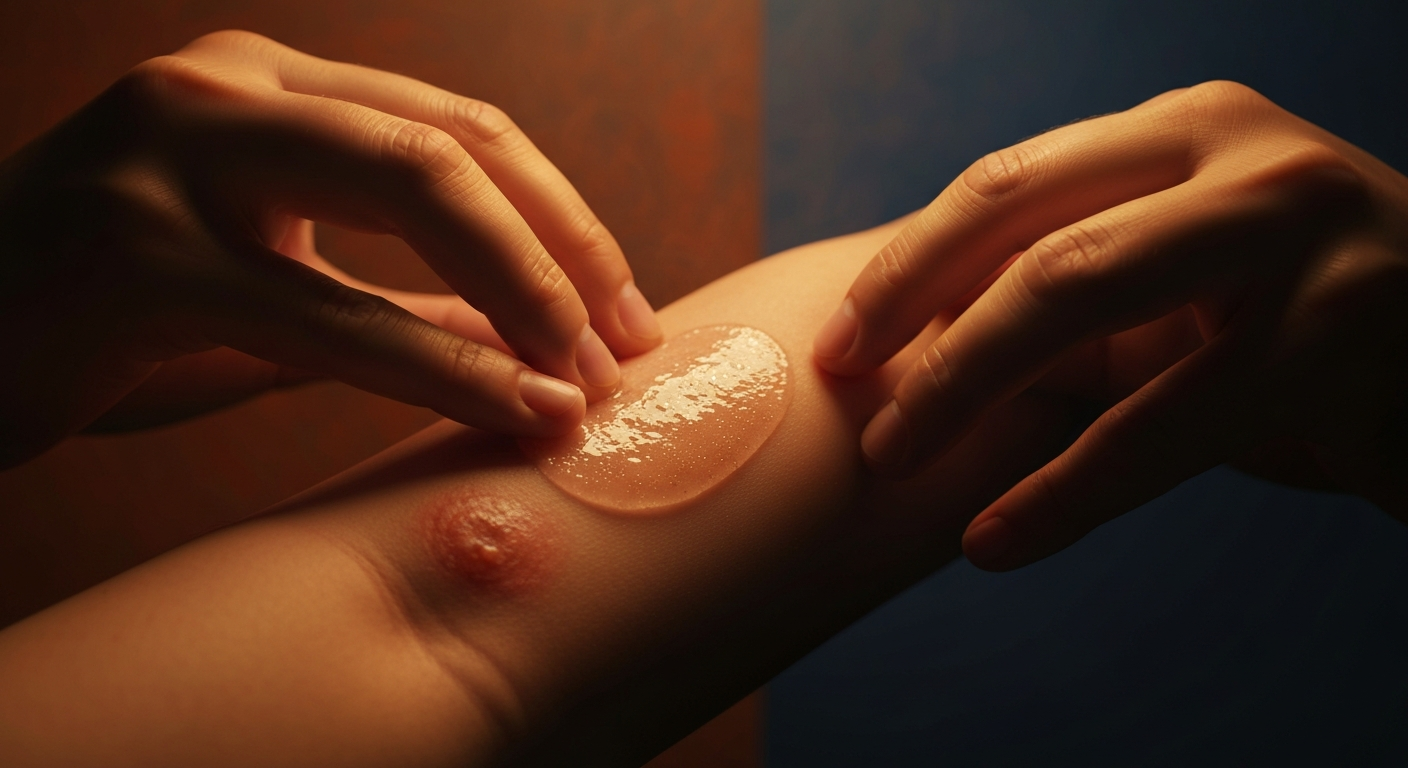
Your body has an incredible power to heal, but sometimes it needs a serious boost, especially when faced with challenging wounds that just won't close. What if a simple, natural gel could flip a hidden switch in your cells, telling them to mend themselves faster and stronger than before? That's exactly what researchers are working on right now, using common plant extracts you might already have in your kitchen.
This isn't about covering a wound; it's about actively teaching your body to reconstruct itself. Imagine a special kind of dressing, not just sitting on top, but actually sinking in, whispering instructions to your cells. For millions living with diabetes, a small cut can become a persistent problem, an open door for infection, and a source of constant pain. Current treatments often act like passive bandages, just protecting the area. But scientists are now engineering something that provides "active care," meaning it directly intervenes in the body's complex healing process.
Why Some Wounds Just Won't Heal on Their Own
Some wounds struggle to heal because they're stuck in a vicious cycle of damage. Think of it like a construction site where the workers are constantly being distracted and the building materials are always getting stolen. In your body, this translates to oxidative stress, where unstable molecules (like tiny rust particles) damage healthy cells; chronic inflammation, which is like the body's alarm system stuck on high alert; and poor angiogenesis, meaning not enough new blood vessels (the delivery trucks for nutrients) are being built. All these factors prevent cells from laying down new tissue and closing the wound.
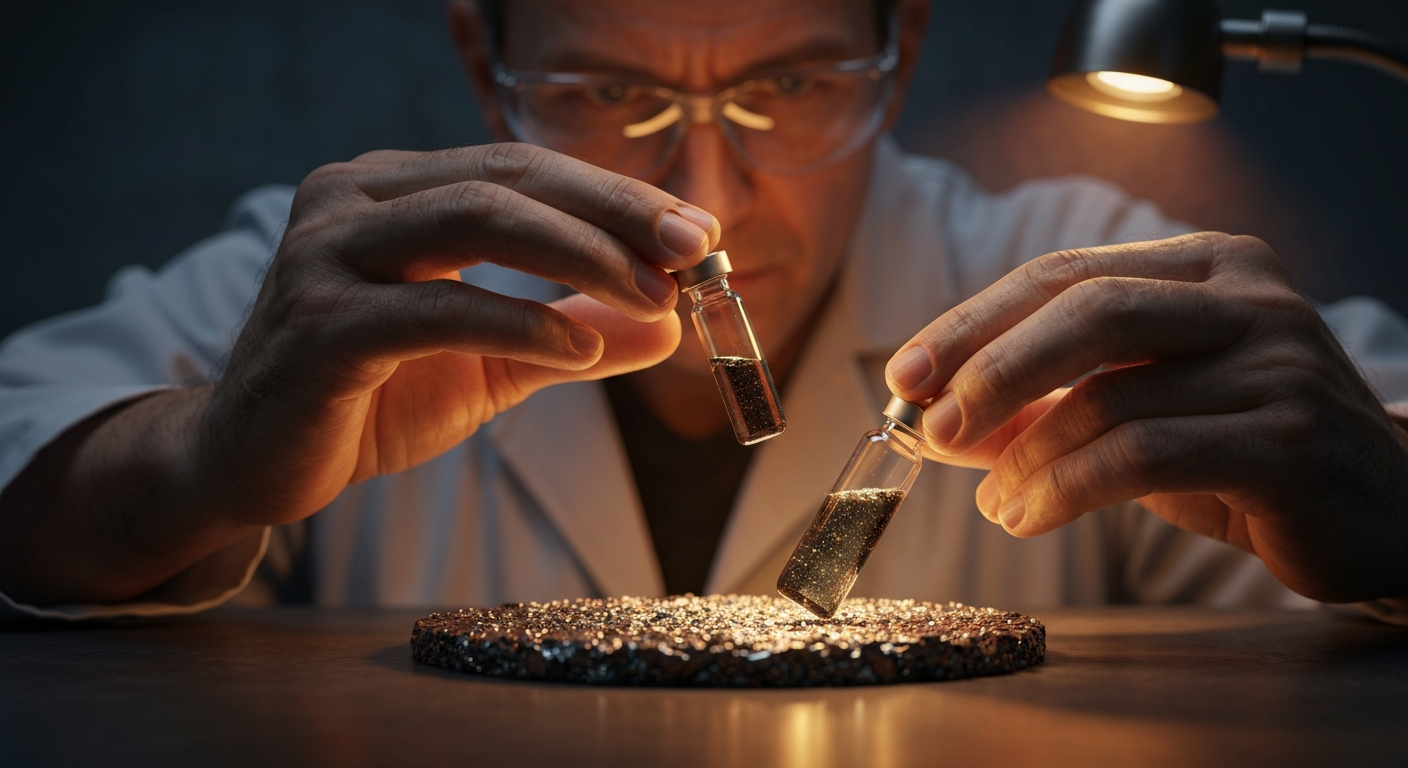
That's why a team of researchers has developed what they call a "polyherbal hydrogel"—a fancy name for a soft, jelly-like substance made from several plant extracts. This isn't just a random mix; it’s a carefully engineered formula where each plant plays a crucial role, working together like a specialized team. Think of a hydrogel like a super-absorbent sponge that can hold lots of liquid and deliver helpful ingredients directly to where they're needed.
How Everyday Plants Are Powering Super-Healing
The secret sauce in this new gel comes from three familiar plant heroes: Aloe vera, curcumin (from turmeric), and Centella asiatica (also known as gotu kola). You might know Aloe vera for its soothing properties on sunburns. In this gel, it helps hydrate the wound and supports re-epithelialization, which is like laying new skin tiles to cover the wound surface. Curcumin, the vibrant yellow compound in turmeric, is a powerful antioxidant and anti-inflammatory agent. It helps calm that "alarm system" of chronic inflammation and neutralizes those "rust particles," letting healing cells do their job without interference.
Then there's Centella asiatica, a lesser-known but equally mighty herb. It's like the chief architect, stimulating fibroblasts—the cells responsible for building new connective tissue—and encouraging collagen synthesis, which is like weaving the strong, structural scaffolding your new skin needs. Together, these extracts create a multi-pronged approach that tackles the many problems of stubborn wounds all at once. It’s a bit like fixing a leaky roof, a broken window, and a faulty foundation all at the same time, instead of just patching one problem.
What Makes This Gel Different (and How It Works)
This isn't just about putting plant extracts into a jelly; it's about smart design. The hydrogel itself is built using modern polymer science—imagine tiny, interconnected chains of molecules forming a network, like a microscopic fishing net that can slowly release the healing compounds. This ensures a steady drip of the beneficial plant chemicals exactly where they're needed, over a longer period.
Scientists use "Quality-by-Design" principles, which means they meticulously plan every step of the gel's creation to ensure it always performs perfectly. They test everything: how sticky it is, how it releases the plant extracts, and how well it fights bacteria and promotes cell growth in lab dishes. For example, they're looking at things like wound contraction rate—how fast the edges of the wound pull together, much like cinching a drawstring bag. They also check for new blood vessel formation using specific markers like CD31 and VEGF, which are like tiny flags indicating where new blood vessels are growing.
One surprising fact you might share? Aloe vera's ability to help your skin heal from burns is well-known, but in this gel, it's combined with turmeric and gotu kola to create a powerful synergy, dramatically multiplying its effectiveness for complex internal healing processes, far beyond just soothing a surface burn.
When You Might See This in Action
While this science is incredibly exciting, it's important to remember that it's still in the preclinical validation stage. Researchers are conducting robust in vivo protocols, which means testing it on live subjects, specifically a streptozotocin-induced diabetic rat model. This helps them confirm that what works in a petri dish also works in a complex living system. They're looking for clear signs like faster wound closure, better quality new tissue, and reduced infection risk compared to untreated wounds.
If everything goes well in these animal studies and subsequent human trials, a well-formulated polyherbal hydrogel could potentially be available in specialized medical settings within the next 5 to 10 years. It could change how doctors manage chronic wounds, particularly for people with diabetes, potentially reducing the number of painful procedures and improving quality of life. Imagine a future where a persistent wound that once meant months of arduous care could heal dramatically faster, simply by applying a specially designed, nature-inspired gel. (/article/a-sugar-gel-that-rewires-your-cells-to-heal) This type of advanced wound care could soon become a common tool in clinics, joining other cutting-edge biological therapies. (/article/tiny-needles-may-quietly-stop-skin-disease) The ultimate goal is to provide a therapy that not only heals but also rebuilds, offering a real chance at recovery for those who struggle with non-healing wounds. (/article/your-doctors-ai-will-see-hidden-sickness)

Key Takeaways
- A new polyherbal hydrogel uses Aloe vera, curcumin, and Centella asiatica to actively stimulate wound healing, especially for stubborn diabetic wounds.
- This gel tackles multiple healing challenges simultaneously: reducing inflammation, fighting cell damage, and promoting new blood vessel and tissue growth.
- While still in preclinical stages, this nature-inspired approach could significantly accelerate wound closure and improve tissue quality within 5-10 years.
Frequently Asked Questions
What is a polyherbal hydrogel? It's a soft, jelly-like medical dressing made from multiple plant extracts. It holds moisture and slowly releases beneficial compounds to actively promote wound healing, rather than just covering the injury.
How do the plant extracts help wounds heal? Aloe vera hydrates and helps new skin grow, curcumin reduces inflammation and oxidative stress, and Centella asiatica stimulates cells to produce collagen and new tissue, working together for comprehensive healing.
When will this treatment be available? This advanced hydrogel is currently in preclinical testing. If animal studies and human trials are successful, it could become available in medical settings within 5 to 10 years.
Editorial note: The scientific findings presented in this article are sourced exclusively from published research papers, peer-reviewed studies, certified inventions, and registered patent filings. Images generated by AI.
Stay ahead of the curve
The science that shapes tomorrow — in your inbox every week
The scientific findings presented in our articles are sourced from published research papers, peer-reviewed studies, certified inventions, and registered patent filings. Subscribe for focused weekly coverage, hands-on explainers, and practical insights that help you stay curious — no jargon, no noise.
By subscribing, you agree to receive newsletter and marketing emails, and accept our Terms of Use and Privacy Policy. You can unsubscribe anytime.
Bio-inspired Materials, Biomimetics & Green Material Design
Biomimetics journalist exploring the remarkable materials scientists are designing by studying — and copying — the natural world.
View full profile →